Shapes & Cuts
Marquise vs Pear Diamond: Two Points or One?
By the Vanora Diamond team
Published Last reviewed 5 min read

Quick answer
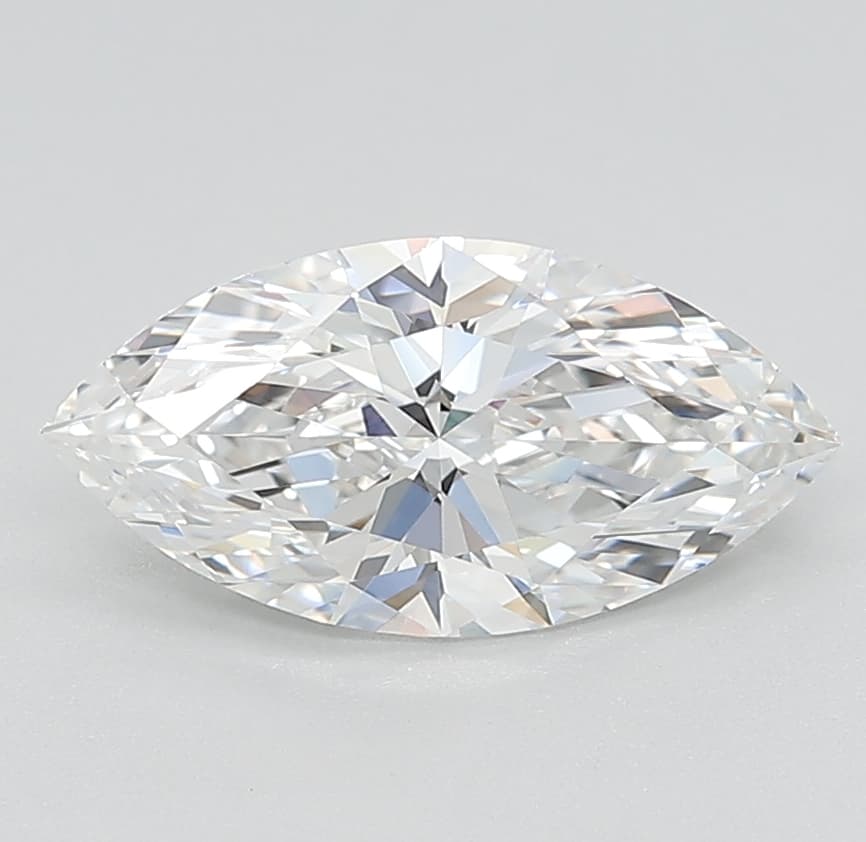
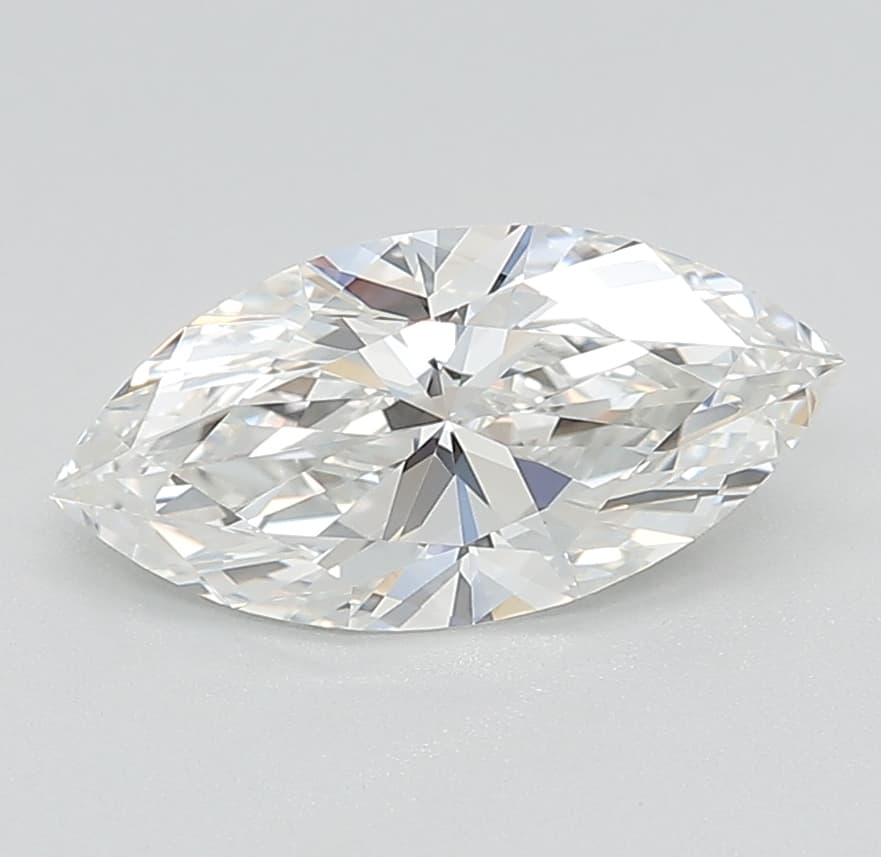
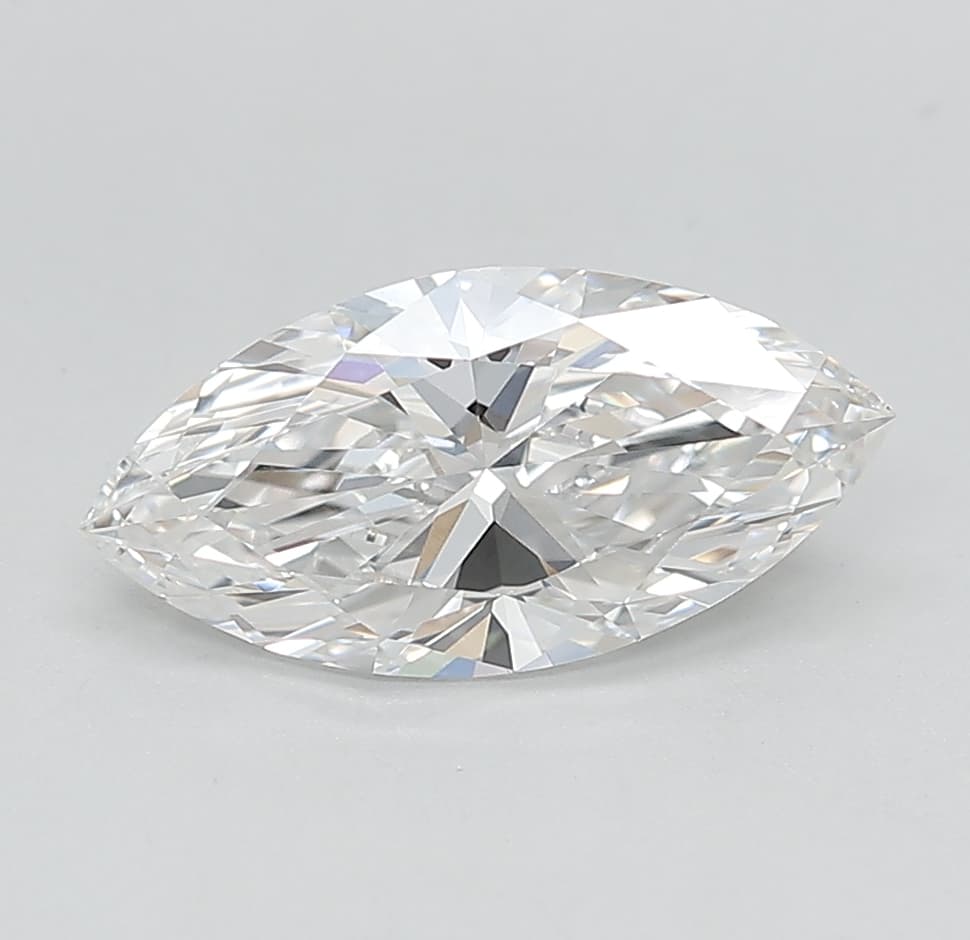
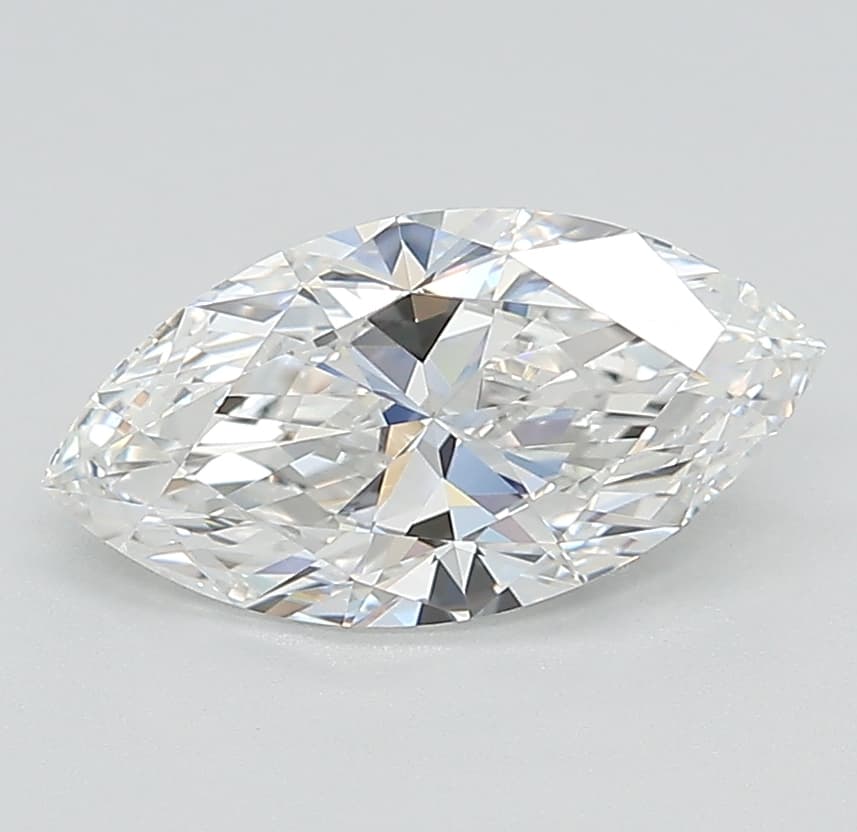
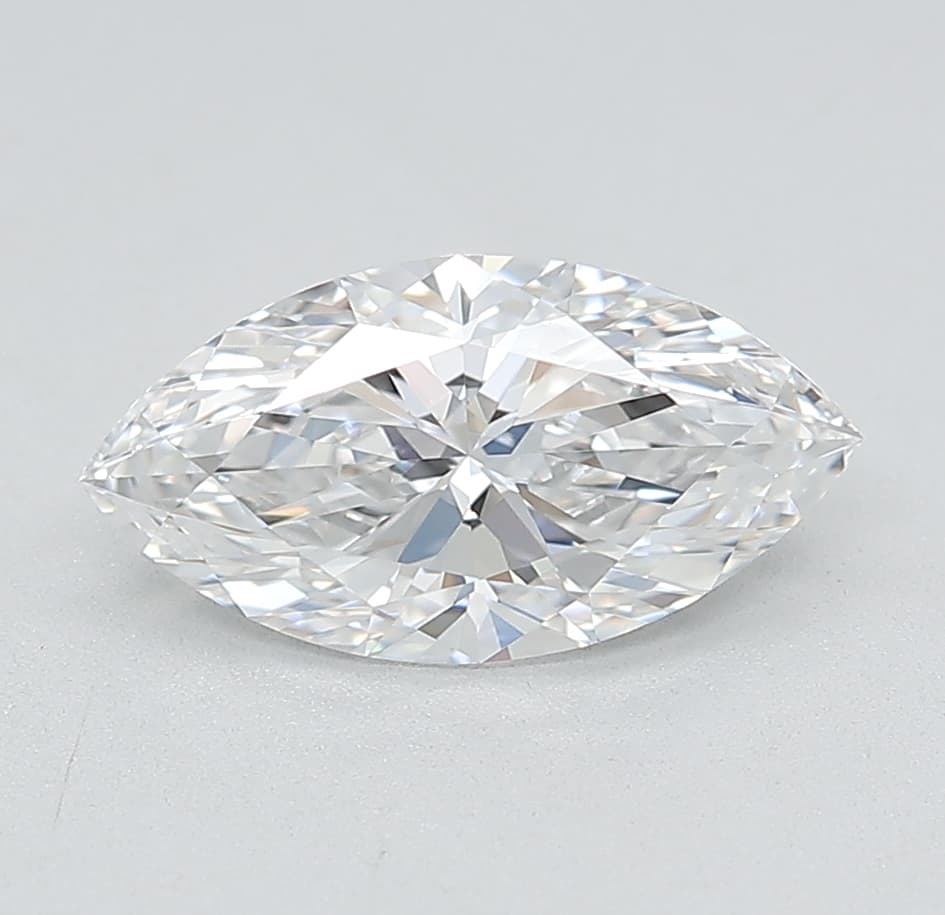
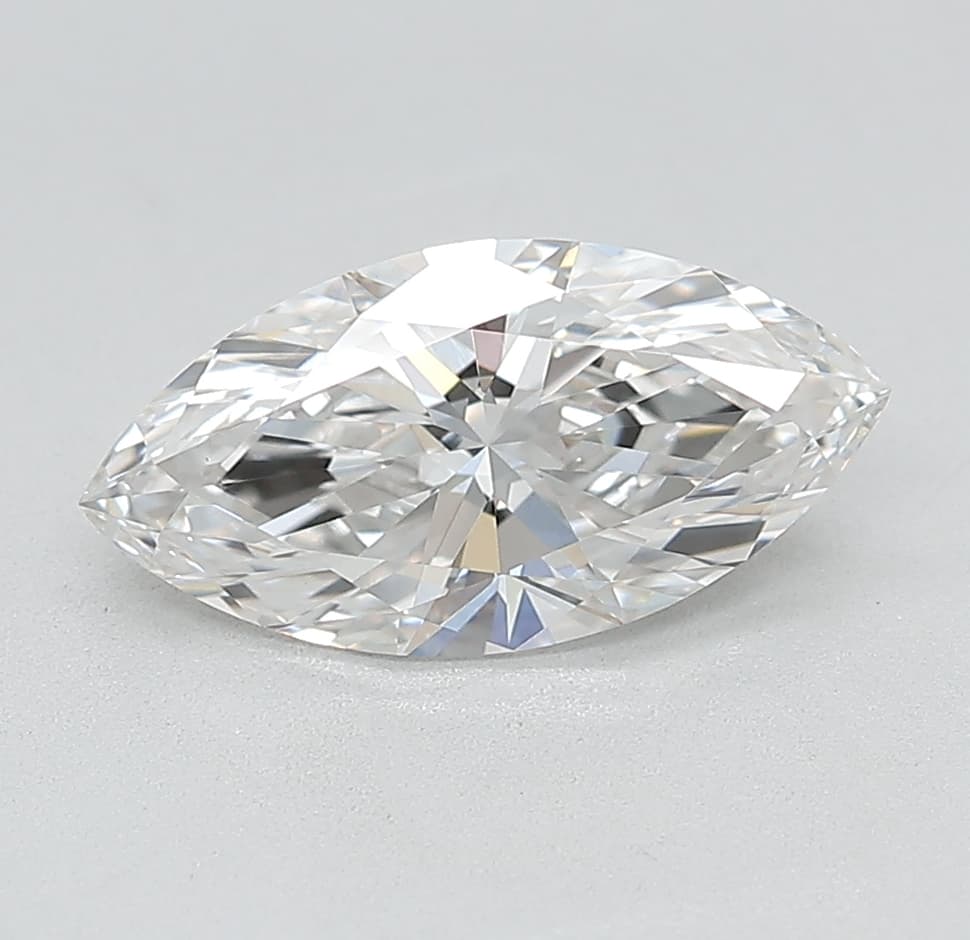
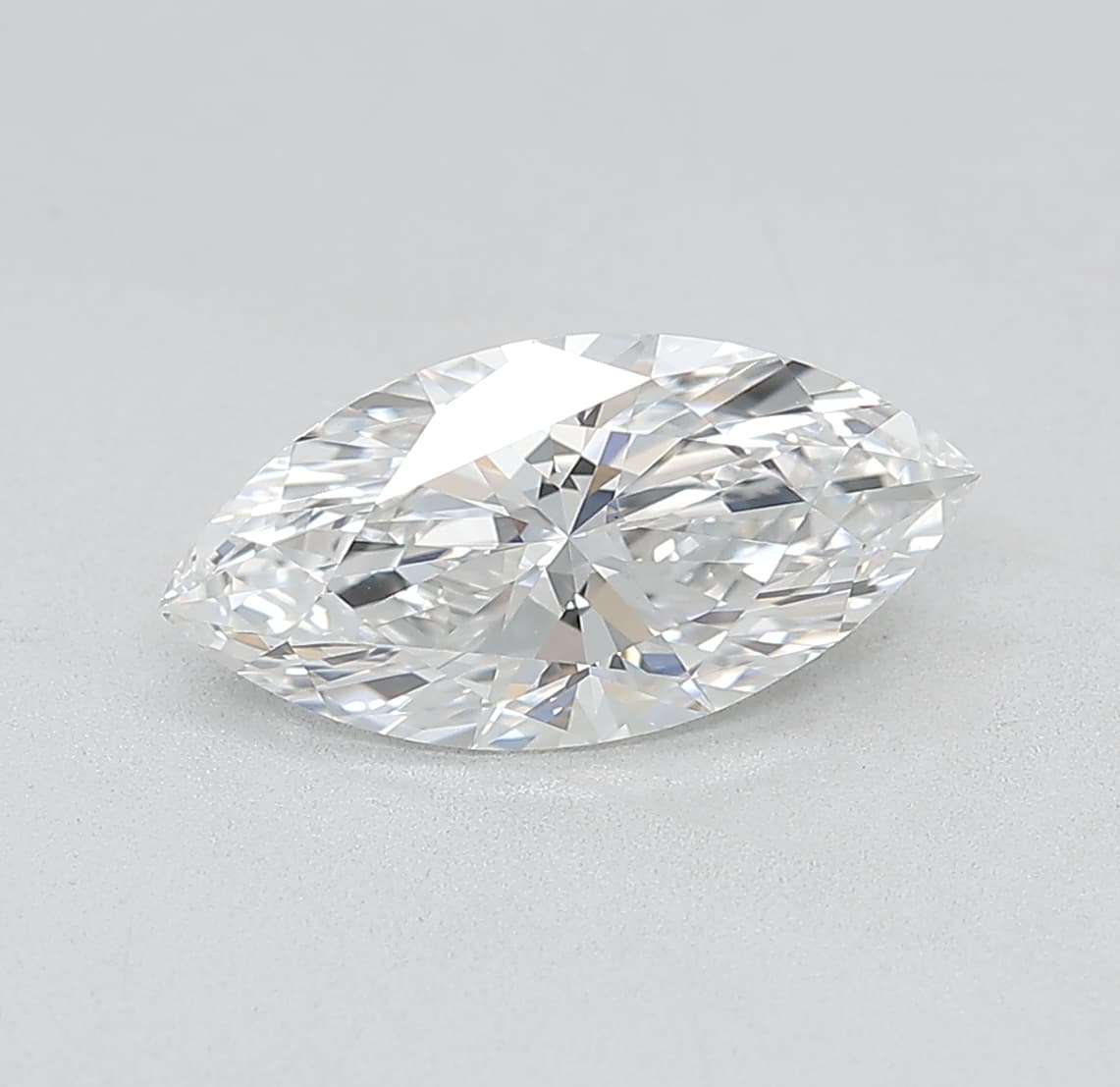
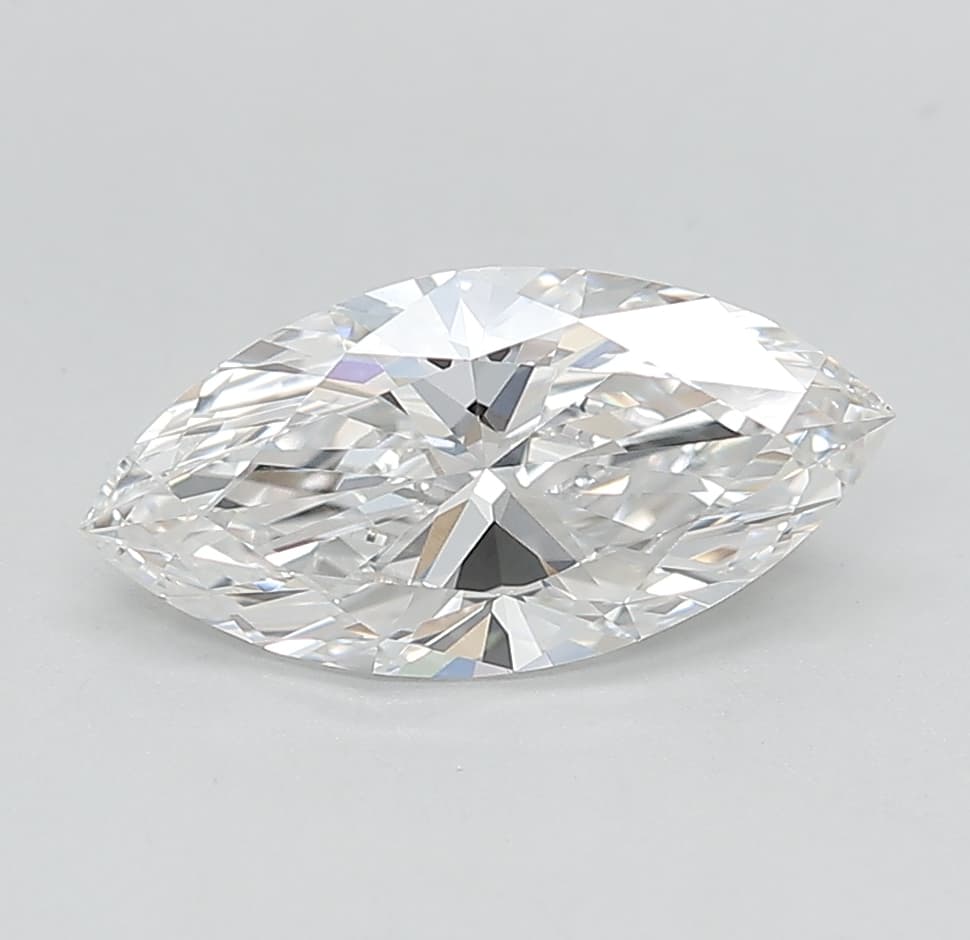
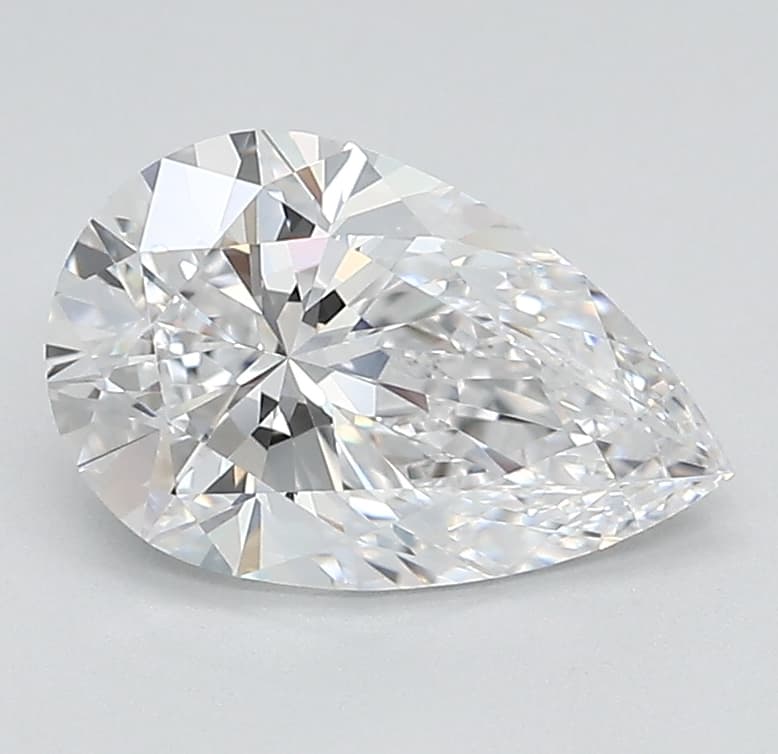
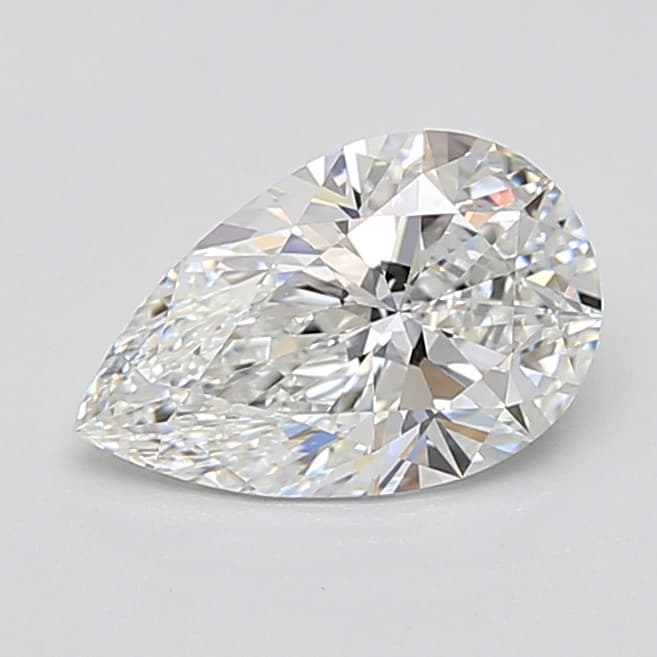
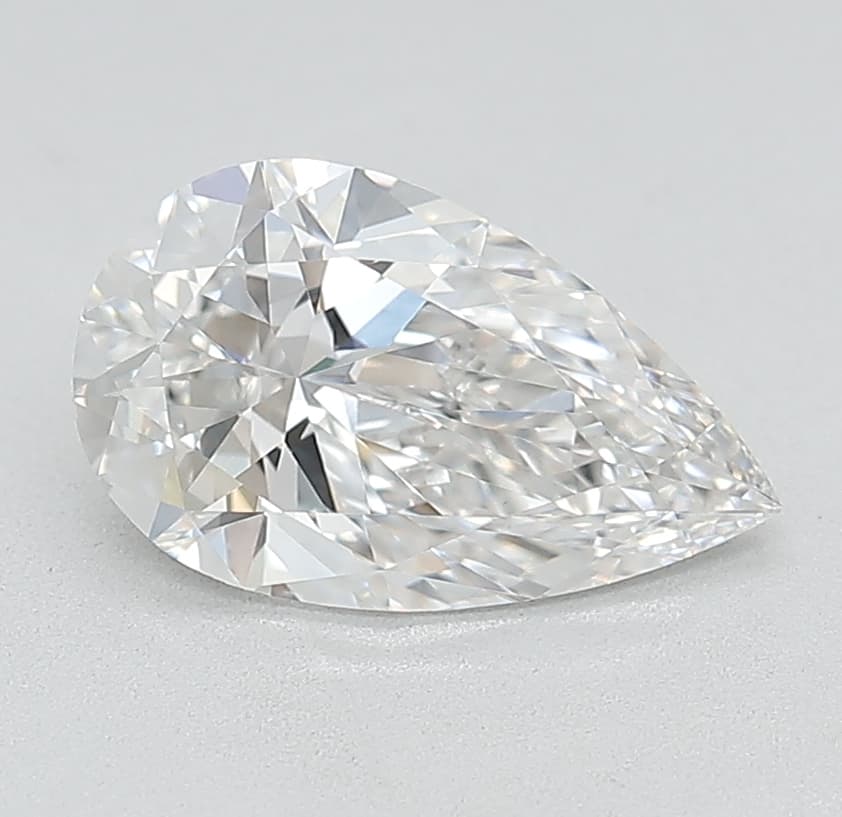
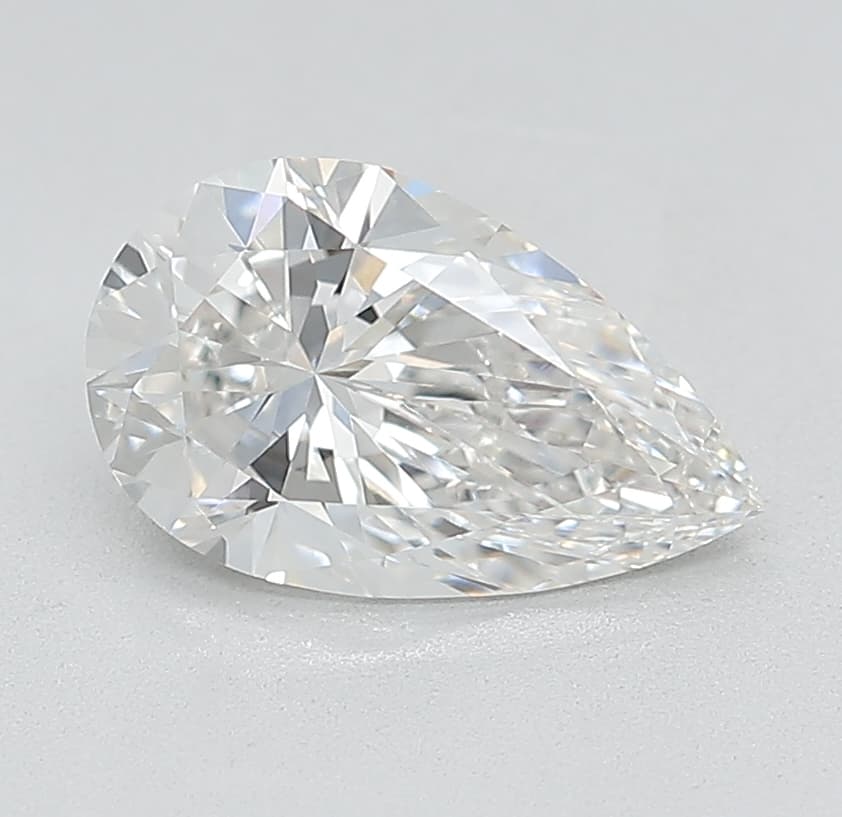
A marquise is a long, boat-shaped diamond with a point at each end, commonly cited as 1.75 to 2.25 times as long as wide; a pear has one rounded end and one point, 1.45 to 1.75. Both look large for their weight and lengthen the finger, both can show a bow-tie, and both need their points protected. The marquise is longer and more dramatic; the pear is softer and more versatile, and can be worn point up or point down.
Two elongated shapes, one key difference
The marquise and the pear are close relatives. Both are elongated brilliant cuts with curved sides, and both end in a point. The difference is simple:
- A marquise has a point at both ends, like a boat or an eye. It is usually long and slim, with a length-to-width ratio of about 1.75 to 2.25.
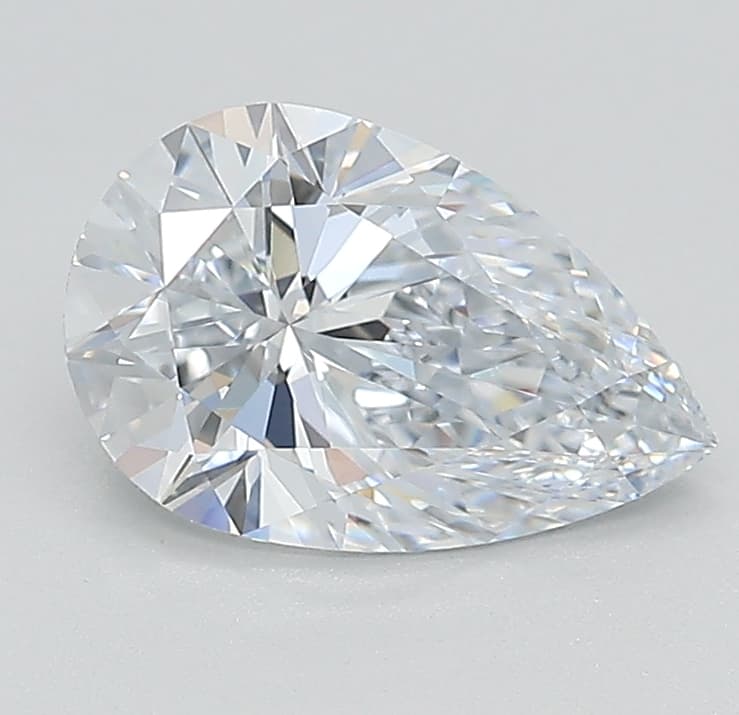
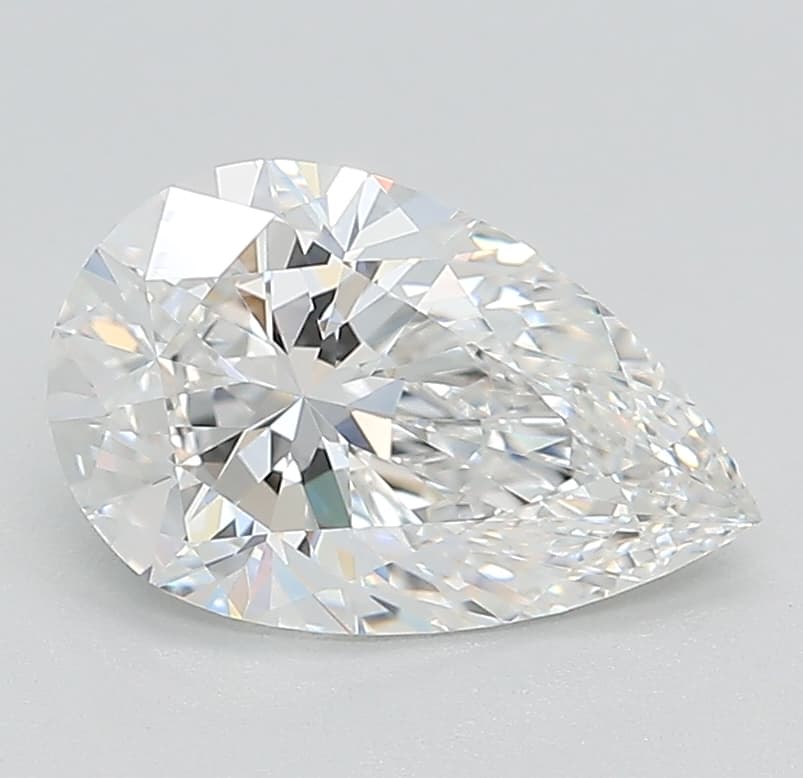
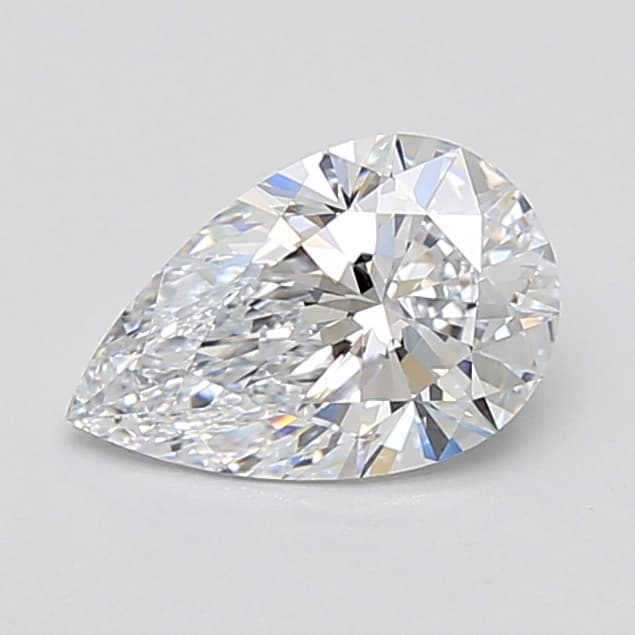
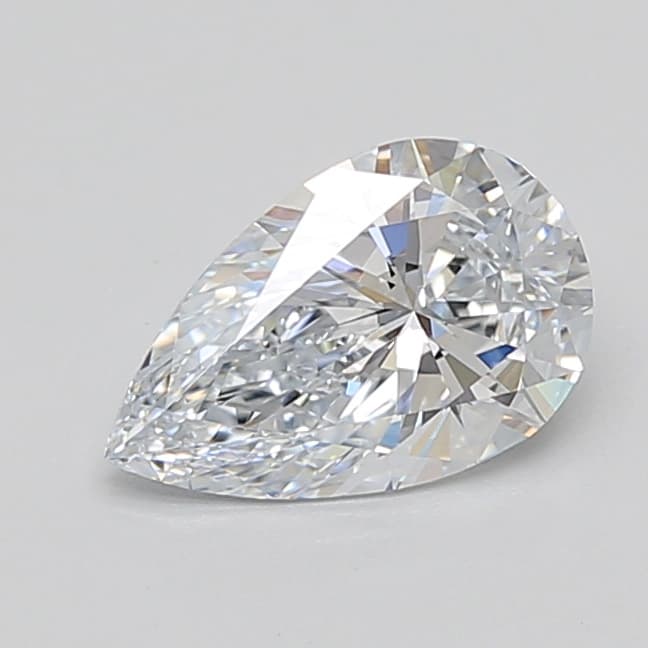
- A pear has a point at one end and a rounded end at the other, like a teardrop. It is usually a little shorter, about 1.45 to 1.75.
A variation worth knowing is the Dutch marquise, which keeps the two points but has straighter, angled sides and a slightly more geometric outline. Our post on the Dutch marquise covers it on its own.
- Typical L/W1.75–2.25
- Typical L/W1.45–1.75
- Dutch MarquiseL/WVaries by cutter
Size and look on the hand
Both shapes spread their weight across a long outline, so both tend to look larger face-up than a round diamond of the same carat weight. The marquise, being the longest and slimmest, is often described as the shape with the largest face-up area for its weight; the pear is close behind.
On the finger, set north to south, both draw the eye along the length of the finger and make it look longer and slimmer. The marquise does this most strongly: it can nearly cover the width of the finger at its middle and reach toward the knuckle. The pear does it more gently, with its rounded end giving a softer look.
Style is the other difference. Many people see the marquise as bold and a little vintage in feel; the pear reads as elegant and romantic, and it sits comfortably in both classic and modern designs. Our post on the marquise and the pear guide show each shape in more detail.
Points to protect
Points are the most delicate part of any diamond. The tip is thin, and a sharp knock on it can chip the stone. The marquise has two such points; the pear has one.
That is why both shapes are usually set with a V-prong (a V-shaped metal claw that wraps the tip) at each point, or in a bezel that surrounds the outline. A marquise therefore needs protection at both ends; a pear needs it at its tip, with ordinary prongs around the rounded end.
When you read the report, look at the girdle description: a very thin girdle at the points is more vulnerable. Our post on girdle and culet explains what the girdle line means.
The bow-tie and symmetry
Most elongated brilliant cuts show some bow-tie: a darker band across the middle of the stone, where light is reflected back from the viewer's own head or escapes through the pavilion. Marquises and pears both show it to some degree. A faint bow-tie that shifts as the stone moves is normal; a dark, fixed one draws the eye. Our post on the bow-tie effect shows what to accept.
Symmetry is the other check, and it is easy to see in photos:
- In a marquise, the two points should line up on the same center line, and the two halves should mirror each other, with neither side flatter than the other.
- In a pear, the point should sit on the center line of the rounded end, and the two "shoulders" just below the rounded end should be even, without one bulging or flattening.
Uneven outlines are not graded on the report, so look for them in the photos and video.
| Compared | Marquise | Pear |
|---|---|---|
| Outline | A point at both ends | One rounded end, one point |
| Typical ratio | About 1.75–2.25 | About 1.45–1.75 |
| Look on the hand | Long and dramatic | Softer, elegant, versatile |
| Points to protect | Two | One |
| Symmetry check | Points on one center line | Point centered, even shoulders |
Color and clarity in marquises and pears
Both shapes are brilliant cuts, so their many small facets hide faint color and small inclusions well across most of the stone. Two areas behave differently.
The points. The narrow tips of an elongated stone can concentrate body color, so the ends may look a shade warmer than the middle, especially in longer and larger stones. A marquise, with two long points, shows this a little more than a pear. Many buyers therefore stay in the colorless to high near-colorless range for both. Our post on shapes that show more color explains why.
Inclusions near a point. A small inclusion in the middle of the stone is mostly a matter of looks. One right at a point matters more, because the tip is the thinnest and most exposed part of the stone, and an inclusion that reaches the surface there can weaken it. Check the clarity plot on the report and look closely at the tips in the video. Many buyers aim for a stone that looks clean to the eye in the VS range or above.
Ways to wear each shape
Direction. Both are usually set north to south, along the finger. Both also work set sideways, east to west, which gives a modern, unexpected look; our post on east-west settings covers it.
Point up or point down. A pear has an extra choice: the point can face the fingertip or the wrist. Point toward the fingertip is the traditional way, but there is no rule. Our post on pear diamonds point up or down goes through the options.
Pairs and side stones. Pears are popular as side stones in three-stone rings and as one of the two stones in a toi et moi ring. Marquises are often used as side stones too, or set in clusters for a vintage look.
How to choose between them
Start with the outline that catches your eye, then check the practical points:
- Choose a marquise if you want the longest, most dramatic look and the most face-up size for the weight, and you are happy to protect two points.
- Choose a pear if you want an elongated look that is a little softer and more versatile, with only one point to protect and the option to wear it either way up.
- For either, watch the video for a faint bow-tie at most, check the symmetry in the photos, and compare sizes in millimeters.
Browse marquise diamonds and pear diamonds, or ask a diamond specialist to show you one of each at a similar size before you buy.
A marquise has two points and a pear has one. Ask your jeweler for a V-prong or a bezel at each point: it covers the most delicate part of the stone.
Frequently asked questions
What is the difference between a marquise and a pear diamond?
A marquise has a point at both ends and is usually long and slim, with a length-to-width ratio of about 1.75 to 2.25. A pear has one point and one rounded end, like a teardrop, and is usually about 1.45 to 1.75. Both are elongated brilliant cuts that look large for their weight.
Does a marquise or a pear look bigger?
Both look larger than a round of the same weight. The marquise is often described as having the largest face-up area for its weight because it is the longest and slimmest, with the pear close behind. Compare the millimeter measurements of the actual stones to be sure.
Are marquise and pear diamonds more likely to chip?
Their points are the most delicate part of the stone, so a hard knock on a tip can chip it. A V-prong or a bezel at each point protects them. The marquise has two points to protect and the pear has one.
Do marquise and pear diamonds have a bow-tie?
Most do, to some degree, because the bow-tie comes from the elongated brilliant shape. A faint bow-tie that shifts as the stone moves is normal and usually accepted. Watch the video and avoid stones where a dark band stays across the middle in most positions.
Glossary terms in this article
More on Shapes & Cuts in the journal.