Grading, Explained
Diamond Facets Explained: How Many Facets Does a Diamond Have?
By the Vanora Diamond team
Published Last reviewed 5 min read

Quick answer
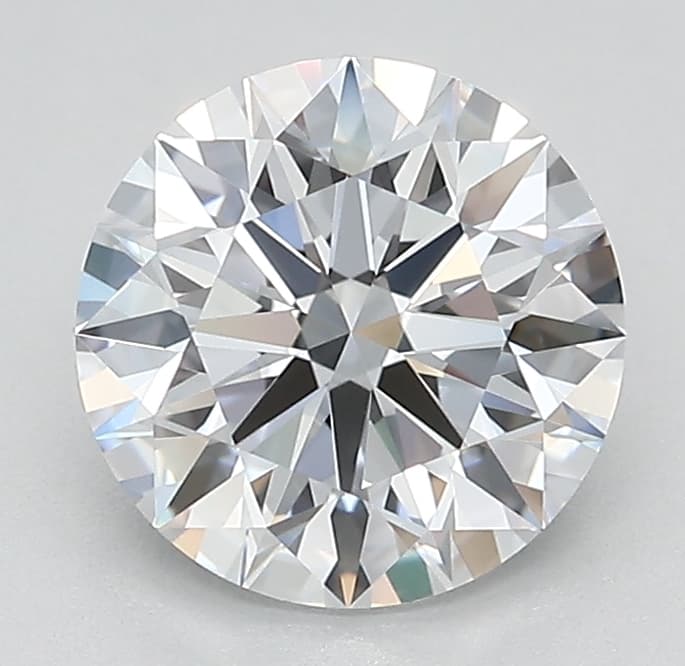
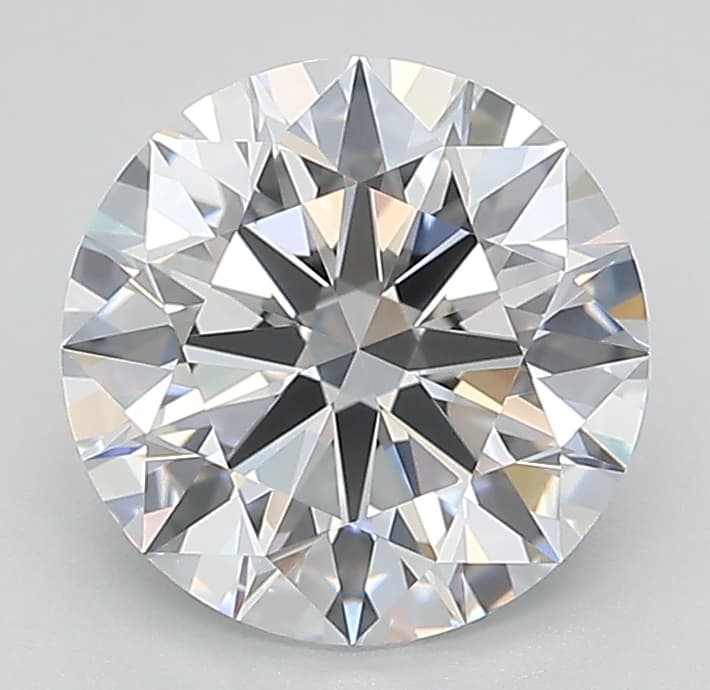
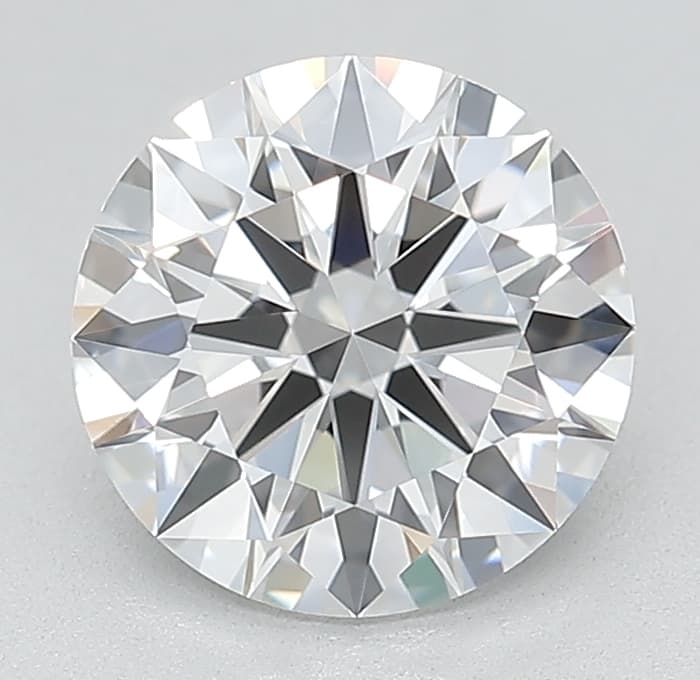
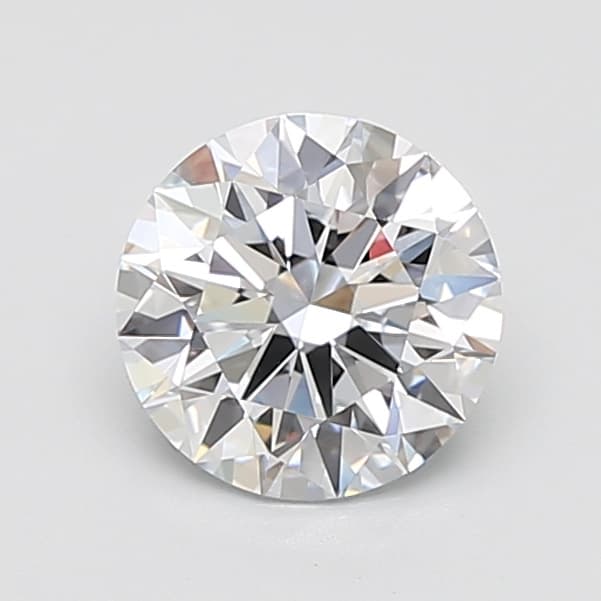
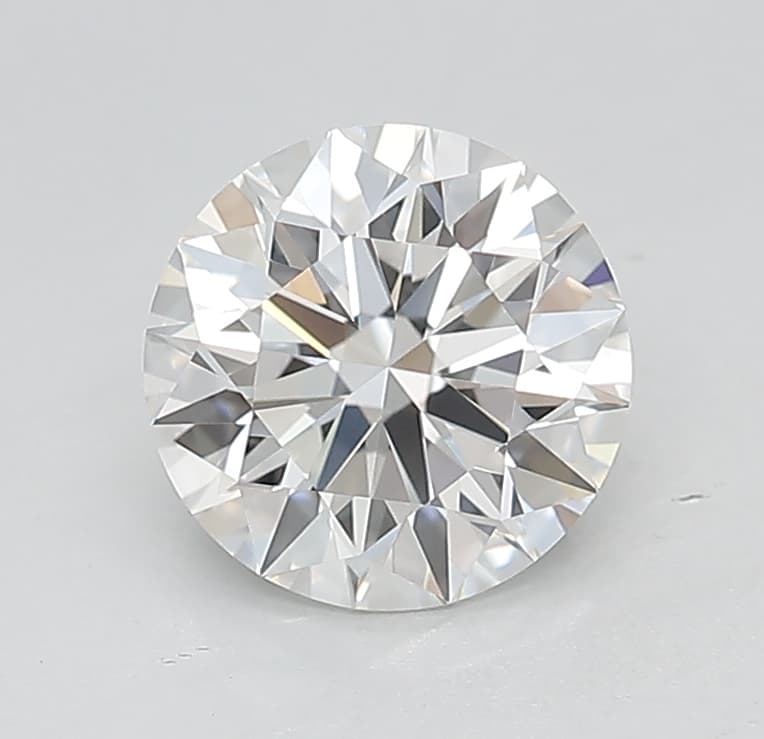
A round brilliant diamond has 57 facets, or 58 when the point at the bottom is polished into a tiny culet facet: 33 on the crown above the girdle and 24 on the pavilion below it. Each group has a job, from letting light in to bouncing it back to your eye. Fancy shapes vary with the cutter’s design, and more facets are not automatically better: how precisely they are cut matters more than how many there are.
What a facet is
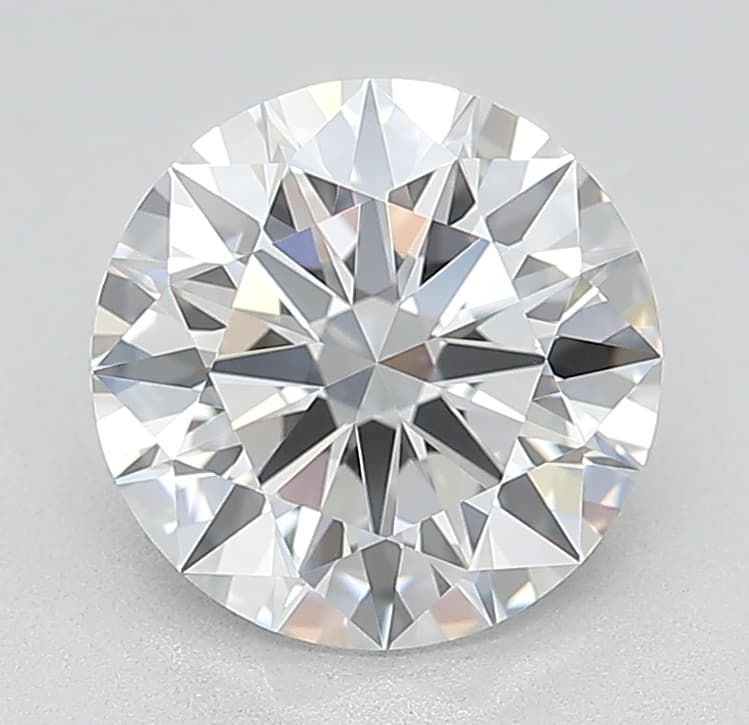
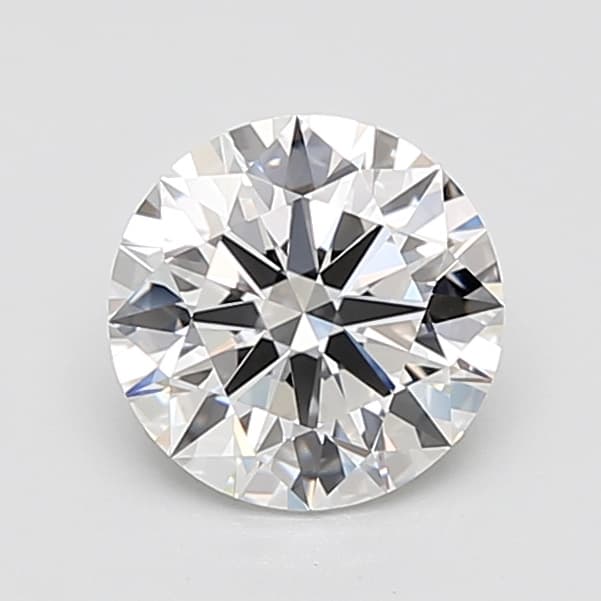
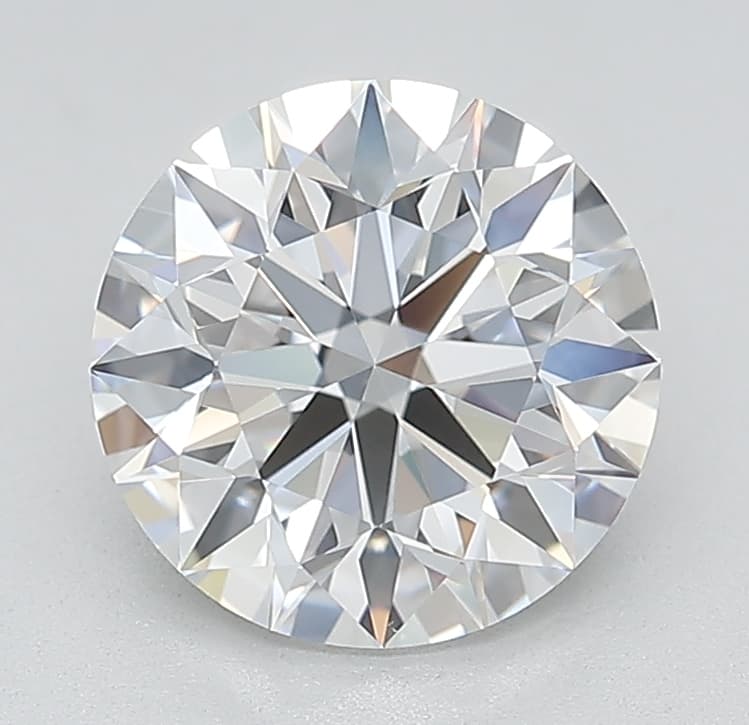
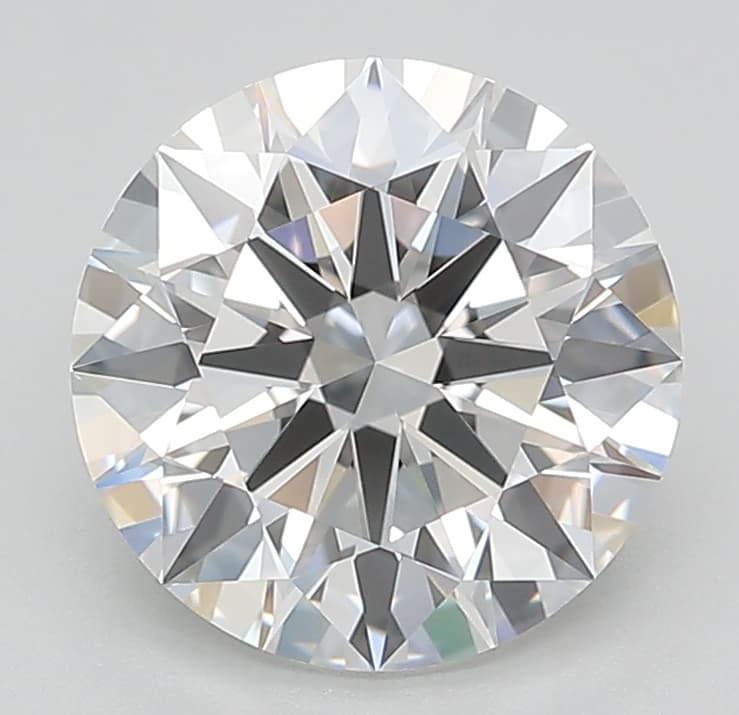
A facet is one of the flat, polished surfaces cut onto a diamond. Together they act like a set of small mirrors and windows. Light enters through the top, reflects off the facets underneath and comes back out toward your eye, which is what makes a diamond look bright and lively.
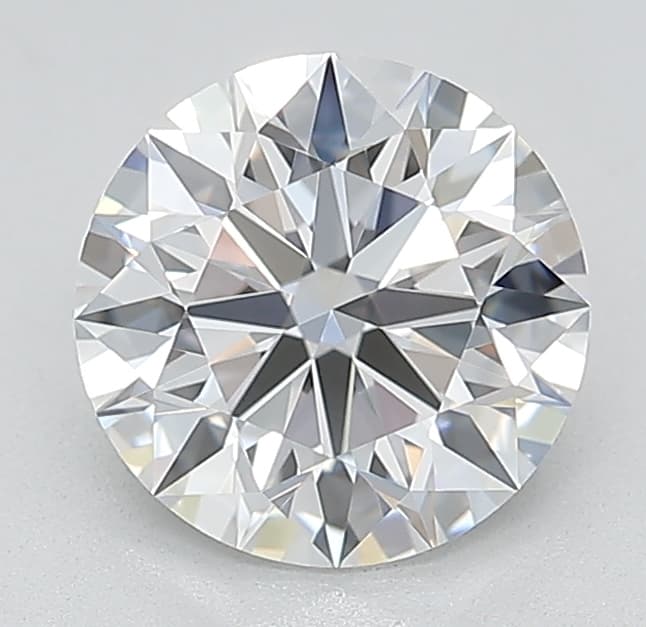
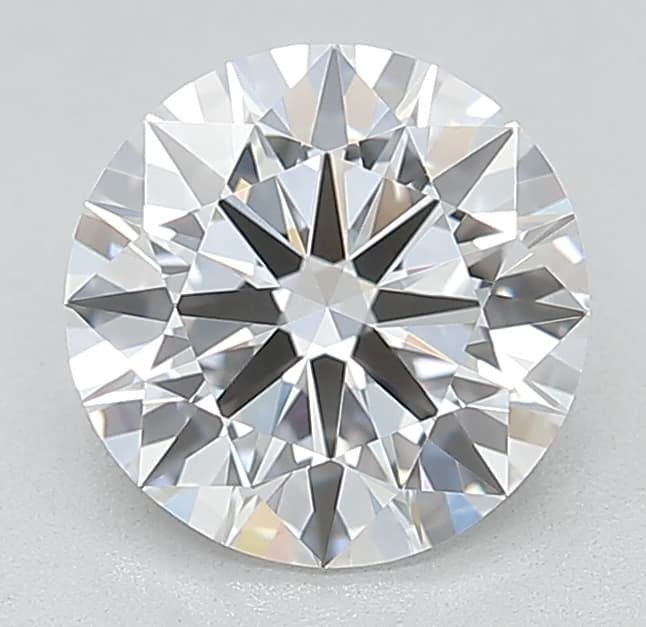
The modern round brilliant has a standard layout that has been refined for more than a century. Its facets fall into two halves around the girdle, the narrow band at the widest point: the crown above it and the pavilion below. The diagram below names the main parts; our diamond cut guide explains how they are graded.
The 57 or 58 facets of a round brilliant
Here is the full count, face-up and face-down:
| Where | Facet | Number |
|---|---|---|
| Crown | Table | 1 |
| Crown | Star facets | 8 |
| Crown | Bezel (kite) facets | 8 |
| Crown | Upper girdle facets | 16 |
| Pavilion | Pavilion main facets | 8 |
| Pavilion | Lower girdle facets | 16 |
| Pavilion | Culet | 0 or 1 |
That is 33 on the crown and 24 on the pavilion, 57 in all, or 58 when the very bottom point has a tiny flat facet, the culet. Most modern round brilliants have no culet facet: the report describes the culet as "None" or "Pointed". The girdle itself is sometimes polished into many tiny facets as well; these are not counted in the 57 or 58.
| Facet | Where | Number |
|---|---|---|
| Table | Crown | 1 |
| Star | Crown | 8 |
| Bezel (kite) | Crown | 8 |
| Upper girdle | Crown | 16 |
| Pavilion main | Pavilion | 8 |
| Lower girdle | Pavilion | 16 |
| Culet | Pavilion | 0 or 1 |
What each group of facets does
Every facet takes part in handling light, but each group has a main role:
- Table. The large flat top. It lets light in and is the main window you look through.
- Star and bezel facets. The crown facets around the table. They bend light as it enters and leaves, which helps spread it into flashes of color, the effect called fire.
- Upper girdle facets. Small triangles along the edge of the crown. They add many small reflections, part of the twinkle you see when the stone moves.
- Pavilion main facets. The eight long facets underneath. They are the key mirrors: at the right angle, they reflect light back up through the top instead of letting it leak out of the bottom.
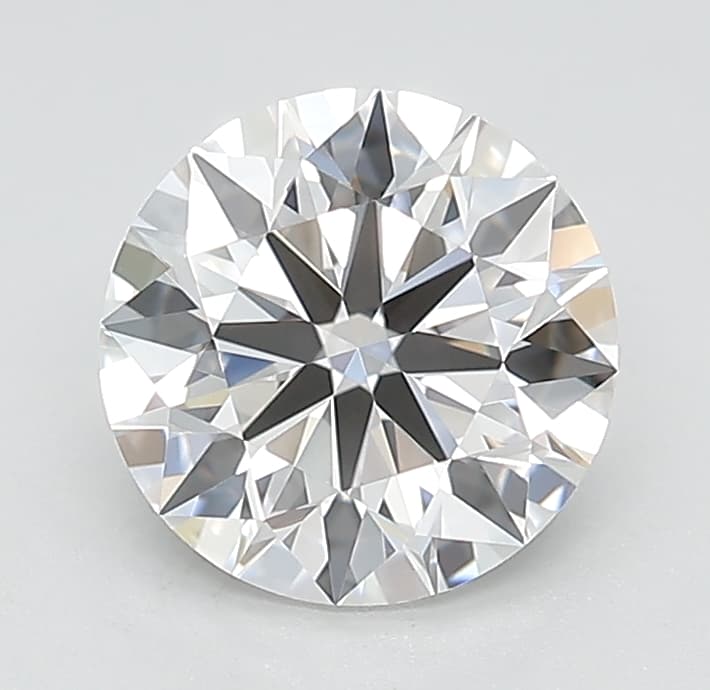
- Lower girdle facets. Slim facets between the mains. They break the reflections into smaller pieces and shape the pattern of light and dark you see face-up, including the arrows in a stone cut to show hearts and arrows.
- Culet. When present, a tiny facet that protects the point from chipping.
Our post on brilliance, fire and scintillation explains the three kinds of sparkle these facets create.
How facets are cut and polished
Facets are created after a diamond has grown, so the process is the same for lab-grown and mined stones. A rough crystal is first scanned in 3D and planned, to decide which shape and size will come out of it. It is then sawn, often with a laser, and shaped.
Each facet is then polished one at a time on a spinning wheel coated with diamond powder, because only diamond is hard enough to polish diamond. The polisher sets the angle of every facet and checks it repeatedly, since a fraction of a degree changes how light behaves inside the stone. The final finish is what the polish grade on a report describes, and how well the facets line up with each other is what the symmetry grade describes.
As a manufacturer, Vanora Diamond takes lab-grown rough through 3D planning, cutting, polishing and inspection to the certified stone. Our post on how lab-grown diamonds are made follows the whole journey.
Fancy shapes and modified brilliants
Fancy shapes, meaning any shape other than round, do not have one fixed layout. Their facet count depends on the shape and on the cutter's design.
- Brilliant-style fancy shapes, such as ovals, pears, marquises and hearts, use a layout adapted from the round, with triangular and kite-shaped facets.
- Step cuts, such as emeralds and asschers, use long, parallel facets arranged like stairs and show broad flashes rather than sparkle. Our post on brilliant and step cuts compares the two styles.
- Modified brilliants add or split facets, often on the pavilion. A cushion or radiant may be described on its report as a "modified brilliant" for this reason, and the extra facets can give a busier, "crushed ice" look; see crushed ice vs chunky facets.
Because the layouts differ, comparing facet counts between shapes tells you very little.
Are more facets better?
Not automatically. Adding facets makes each one smaller, and smaller facets produce smaller flashes. Some people love the fine, glittering look that gives; others prefer the bolder flashes of a classic layout. Neither is a quality grade.
What does affect quality is precision: the angles of the facets, how well they line up with each other and how cleanly they are polished. That is what the cut grade, the symmetry grade and the polish grade on a report describe. A well-cut 57-facet round will usually look brighter than a poorly cut stone with more facets.
The number of facets describes a design, not a quality. How bright a diamond looks depends on the angles, alignment and finish of its facets, which is what the cut, symmetry and polish grades on the report describe.
How to use this when you choose a diamond
- For rounds, read the cut grade first. IGI's top grade is Ideal; GIA's is Excellent on reports that print a cut grade (its lab-grown assessment since October 2025 does not). Then check the polish and symmetry; our post on polish and symmetry grades explains them.
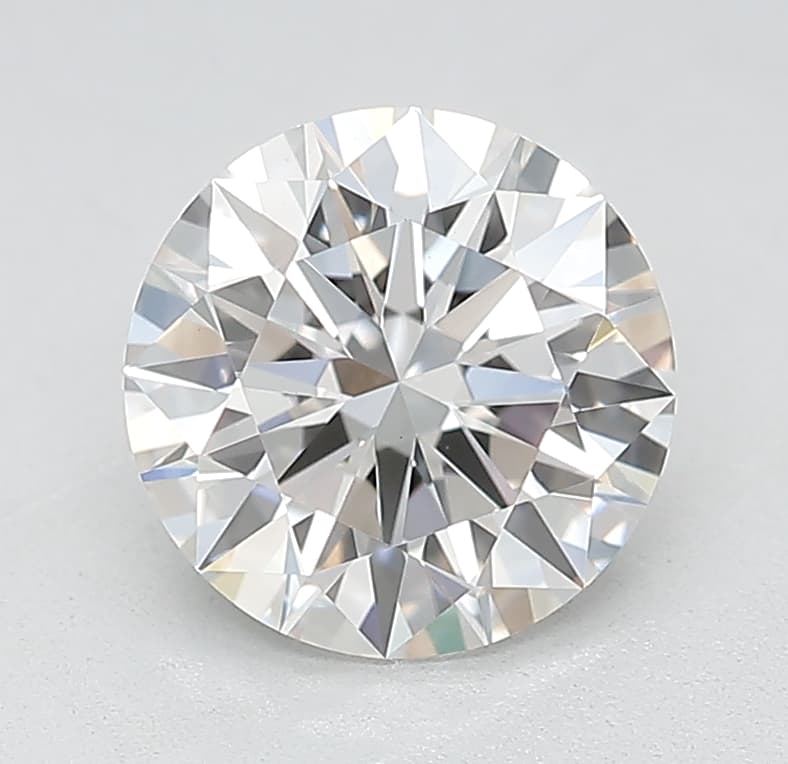
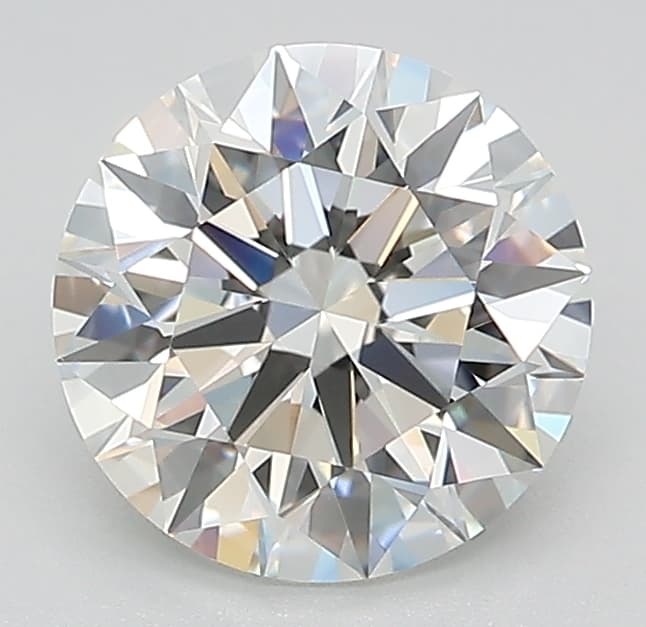
- Look at the pattern in the video. Even, crisp reflections across the stone suggest the facets are well aligned.
- For fancy shapes, judge the look rather than the count. Decide whether you prefer the finer sparkle of a modified brilliant or the bolder flashes of a classic layout.
- Ask about anything unclear. One of our diamond specialists can talk you through the facet pattern of a stone you are considering; just contact us.
You can browse round lab-grown diamonds and filter by cut grade to see the classic 57 or 58 facet layout across many sizes.
Frequently asked questions
How many facets does a round diamond have?
A round brilliant has 57 facets: 33 on the crown (the table, 8 star, 8 bezel and 16 upper girdle facets) and 24 on the pavilion (8 main and 16 lower girdle facets). It has 58 when the bottom point is polished into a small culet facet.
What is the difference between 57 and 58 facets?
The 58th facet is the culet, a tiny flat facet polished at the bottom point to protect it. Most modern round brilliants have no culet facet, so they have 57. The report shows this in the culet line, usually as None or Pointed.
Do lab-grown diamonds have the same facets as mined diamonds?
Yes. Facets are created when a diamond is cut and polished, not when it grows, so a lab-grown round brilliant uses the same 57 or 58 facet layout as a mined one, and its cut is graded the same way on IGI reports (GIA’s lab-grown assessment since October 2025 prints no cut grade).
Do more facets make a diamond sparkle more?
Not necessarily. More facets make each flash smaller, which some people like and others do not. How much light a diamond returns depends mainly on the angles and alignment of its facets, which is why the cut, polish and symmetry grades matter more than the count.
Glossary terms in this article
More on Grading, Explained in the journal.