Buying & Care
How Lab-Grown Diamonds Are Made: From Seed to Certified Stone
By the Vanora Diamond team
Published Last reviewed 5 min read

Quick answer
A lab-grown diamond is grown from a thin slice of diamond, called a seed, by one of two methods: CVD builds the crystal layer by layer from a carbon-rich gas, and HPHT crystallizes carbon from molten metal under very high pressure and heat. The rough crystal is then planned with 3D scans, cut, polished and inspected, just like a mined diamond, before an independent lab grades it and laser-inscribes its report number.
It starts with a diamond seed
Every lab-grown diamond begins with a tiny piece of diamond: a seed, usually a thin plate or a small crystal. The seed gives new carbon atoms a pattern to follow, so they lock into diamond's crystal structure rather than forming graphite or soot.
From there, growers use one of two methods, named after how they work: CVD (chemical vapor deposition) and HPHT (high pressure, high temperature). Both produce diamond, the same material as a mined diamond. They differ in the equipment, the time involved and the shape of the crystal that comes out. Our CVD vs HPHT guide compares them in depth; here is the plain version.
- 1A gas mixture, typically methane and hydrogen, flows into a low-pressure chamber.
- 2Energy turns the gas into a plasma.
- 3Carbon from the gas settles on thin, flat diamond seed plates and builds the crystal up layer by layer.
- 4The flat, tabular rough is then cut and polished.
- 1A large press creates roughly 5 to 6 gigapascals and 1,300 to 1,600 °C.
- 2Inside the growth cell, a molten metal such as iron, nickel or cobalt dissolves a carbon source.
- 3The carbon crystallizes on a small diamond seed, typically as a cuboctahedron.
- 4The rough is then cut and polished.
CVD: growing diamond from a gas
In CVD growth, thin diamond seed plates are placed in a sealed vacuum chamber. A carbon-rich gas, typically methane mixed with hydrogen, is fed in and energized, often with microwaves, until it forms a glowing plasma. Carbon atoms separate from the gas and settle onto the seed plates, building new diamond layer by layer.
Growth is slow and steady, typically over weeks, and the crystal grows as a flat, roughly square block. Many seed plates can grow in one chamber at the same time. Because of the way it grows, a CVD crystal often has a brownish or grayish tint as grown, and some stones are treated after growth to improve their color (more on that below).
HPHT: recreating heat and pressure
HPHT growth imitates, in a controlled way, the conditions deep in the earth where natural diamonds form. A large press squeezes a small capsule containing a diamond seed, a carbon source such as graphite, and a metal solvent. At very high pressure and temperature, the metal melts and dissolves the carbon, which then crystallizes onto the seed as diamond.
HPHT growth usually takes days to weeks. The crystal grows in a cube-and-octahedron shape, a bit like a mined crystal. Traces of the metal can occasionally be trapped as tiny inclusions, which is one of the clues labs use to identify HPHT stones. Some HPHT diamonds contain a trace of boron, which can give a faint blue color; our post on blue tinge explains it.
After growth: annealing and treatment
Some lab-grown diamonds are heat-treated after growth, a process called annealing, to improve or change their color. It is most common for CVD stones, where it can remove a brownish tint. Post-growth treatments are also used to produce many fancy colors, such as pink. Treated colors are generally stable in normal wear.
Grading labs look for signs of such treatment. Reports may describe a stone as "as grown" or note indications of post-growth treatment; see as grown vs post-growth treatment for what the wording means. Treatment is not a flaw, but it should always be disclosed, and the report is where to read it.
From rough to finished stone
Once grown, a lab-grown diamond is a rough crystal, and from here the work is the same as for a mined diamond. This is where most of the skill in a finished stone comes from.
- Planning. The rough is scanned in 3D to map its shape and any inclusions. Planning software and an experienced planner decide which shape and size to cut, balancing weight, brightness and clarity.
- Cutting. The crystal is sawn, usually with a laser, and the outline is formed. Rounds are shaped into their circular girdle.
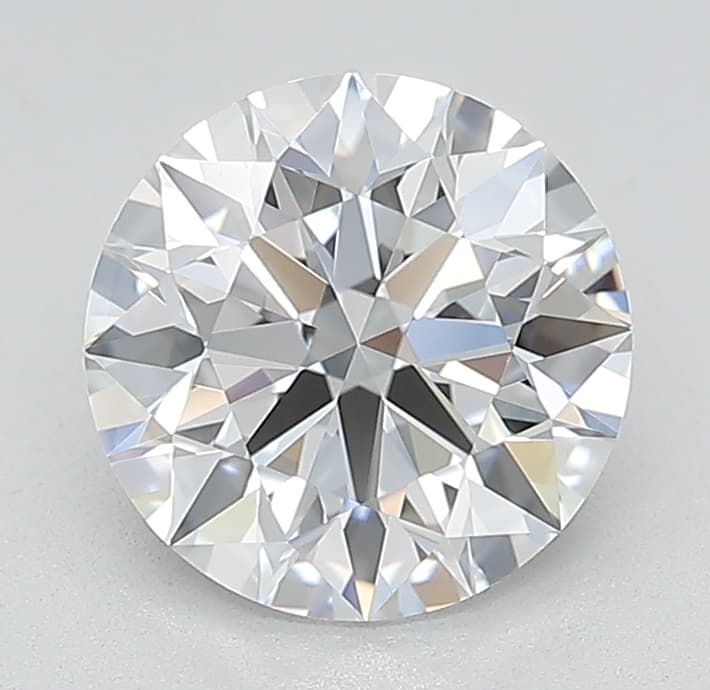
- Polishing. Each facet is ground and polished on a spinning wheel coated with diamond powder, since only diamond can polish diamond. The angles chosen here decide how the stone handles light; see our diamond cut guide.
- Inspection. The finished stone is cleaned and checked for polish, symmetry and any damage before it goes for grading.
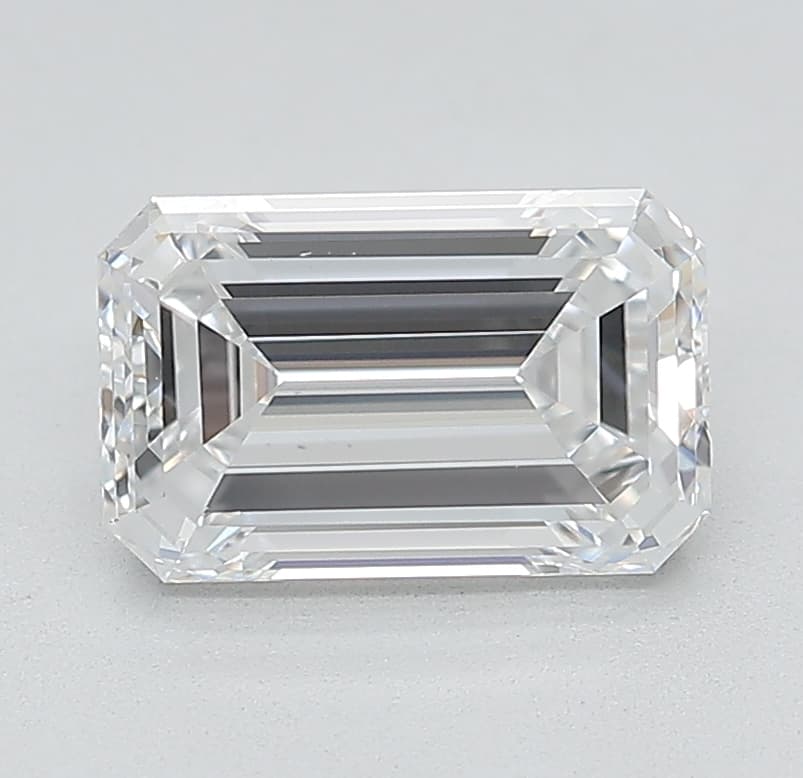
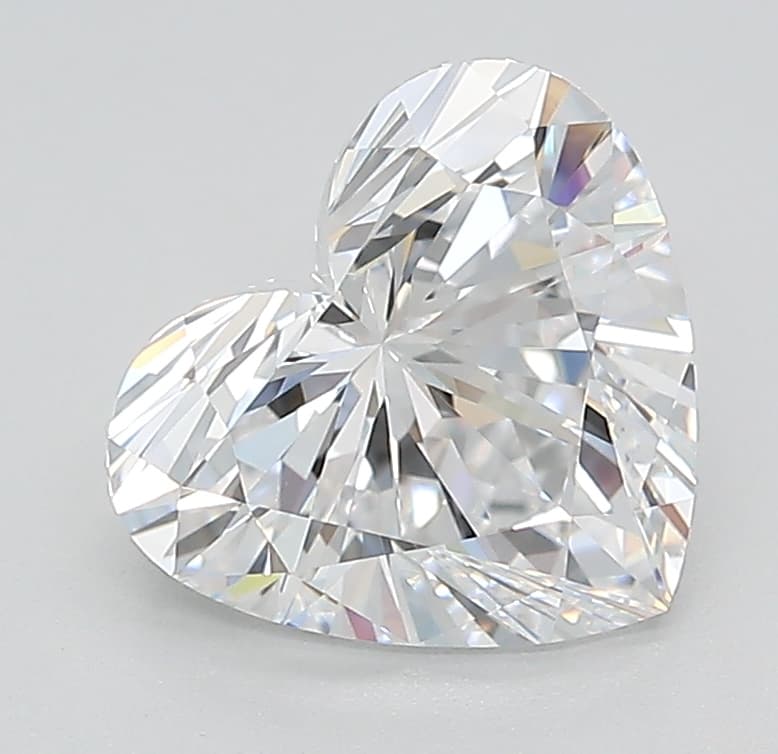
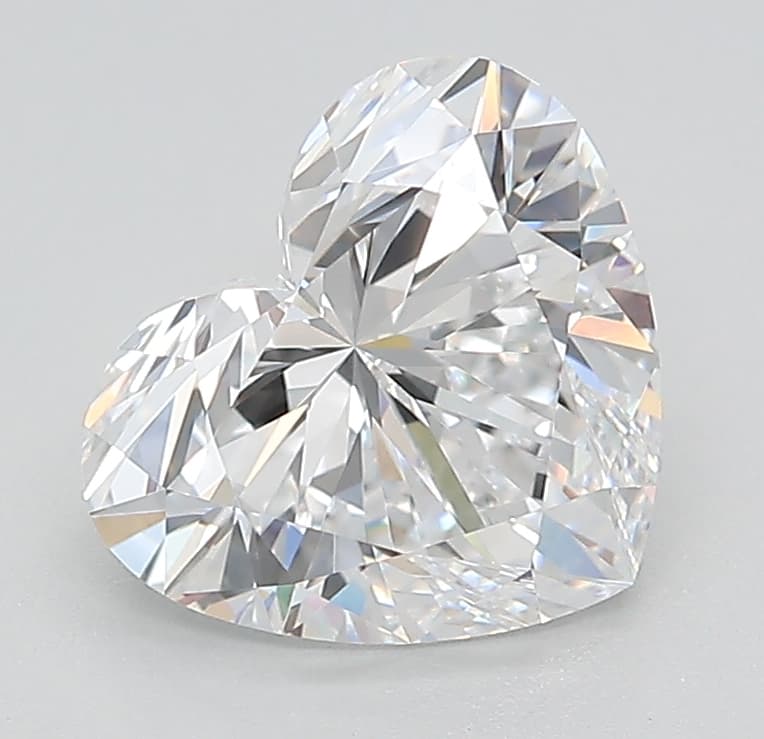
Vanora Diamond has manufactured HPHT and CVD laboratory-grown diamonds since 2021, from rough to finished stone: it takes laboratory-grown rough through 3D planning, cutting, polishing and inspection to the certified stone.
- Step 1: GrowA diamond seed grows into a rough crystal by CVD or HPHT.
- Step 2: Anneal, if neededSome stones are heat-treated after growth to improve their color.
- Step 3: PlanThe rough is scanned in 3D to choose the best shape and size.
- Step 4: CutThe crystal is sawn and the outline is formed.
- Step 5: PolishEach facet is polished at precise angles for brightness and fire.
- Step 6: InspectThe finished stone is cleaned and checked before grading.
- Step 7: Grade and inscribeAn independent lab grades it, identifies it as lab-grown and inscribes the girdle.
How labs can tell a diamond was grown
A finished lab-grown diamond looks like any other diamond, and a standard diamond tester reads it as diamond, because it is one. Our post on diamond testers explains why. Yet grading laboratories can identify it reliably, because each growth method leaves traces in the crystal.
- Growth patterns. Under strong ultraviolet light, CVD stones tend to show layered growth patterns, and HPHT stones show patterns shaped by their cube-and-octahedron growth. Mined diamonds look different again.
- Trace elements. Spectroscopy measures how a diamond absorbs and emits light, which reveals tiny amounts of nitrogen, silicon, boron or other elements and the defects they form. Most colorless lab-grown diamonds contain almost no nitrogen, which is what the Type IIa label describes.
- Inclusions. Tiny metallic inclusions from the metal solvent point to HPHT growth, while some CVD stones show small dark pinpoints or faint growth lines.
This is why the report, not a handheld device, is the reliable record of a diamond's origin.
Grading, the report and the inscription
The last step is independent grading. The stone is sent to a gemological laboratory, such as IGI or GIA, which confirms that it is a laboratory-grown diamond and grades it (or, at GIA, assesses it). IGI reports give color, clarity and, for rounds, cut grades, and usually state the growth method (CVD or HPHT). GIA reports issued since October 2025 classify colorless and near-colorless lab-grown stones as Premium or Standard, without exact grades or the growth method. Our certificates guide explains both.
The lab usually laser-inscribes the girdle, the thin edge around the stone, with the report number and "LG" (IGI) or "Laboratory-Grown" (GIA). The inscription is invisible to the eye but readable under magnification, and it links the stone to its report for life; see laser inscriptions.
On our site, every stone page shows the lab, the report number and the certificate PDF, and the growth method when supplied, so you can follow a stone's story from the growth method to the grades. Browse all lab-grown diamonds or ask our diamond specialists about any stone.
CVD and HPHT both produce diamond. How a stone looks depends on its cut, color and clarity, so compare those grades rather than the growth method.
Frequently asked questions
How long does it take to grow a lab-grown diamond?
It depends on the method and the size. HPHT growth usually takes days to weeks, and CVD growth typically takes weeks. Cutting, polishing and independent grading then add more time before a finished, certified stone is ready.
What is a lab-grown diamond made of?
Carbon, in diamond’s cubic crystal structure: exactly the same material as a mined diamond. It grows from a small diamond seed, either from a carbon-rich gas (CVD) or from carbon dissolved in molten metal under high pressure and heat (HPHT).
Is CVD or HPHT better?
Neither is better in itself. Both produce diamond, and both methods produce excellent stones as well as lesser ones. Judge each stone on its cut, color, clarity and report, and use the growth method as a point of interest rather than a grade.
Are lab-grown diamonds cut the same way as mined diamonds?
Yes. Once grown, the rough crystal is planned with 3D scans, sawn, shaped, polished and inspected using the same techniques and equipment as mined rough, then graded by the same kinds of independent labs.
Glossary terms in this article
More on Buying & Care in the journal.