Buying & Care
Lab-Grown Diamond Myths: 10 Common Beliefs, Checked
By the Vanora Diamond team
Published Last reviewed 5 min read

Quick answer
Most myths about lab-grown diamonds come from confusing them with simulants or from older information. Laboratory-grown diamonds are diamonds, with the same chemical and physical properties as mined diamonds: they test as diamond, do not cloud or fade and vary in quality like any diamond. What sets them apart is their origin, which must always be disclosed.
Myth 1: "Lab-grown diamonds are fake"
The fact: laboratory-grown diamonds are diamonds, with the same chemical and physical properties as mined diamonds. A lab-grown diamond is crystallized carbon with the same hardness, the same chemistry and the same way of handling light as a diamond mined from the earth. The only difference is where it formed.
The word "fake" belongs to imitations: materials that look like diamond but are something else. A lab-grown diamond is not one of those. What the law and good practice require is that it is described clearly, with a word such as "lab-grown" or "laboratory-created" right next to "diamond", so that nobody mistakes it for a mined stone. Our post asking is a lab-grown diamond a diamond goes into the wording.
Myths 2 and 3: CZ, moissanite and diamond testers
Myth 2: "They are just cubic zirconia or moissanite." Cubic zirconia (CZ) and moissanite are simulants: different materials that imitate diamond. CZ is softer, heavier for its size and wears with time; moissanite is silicon carbide, with stronger rainbow fire and double refraction. A lab-grown diamond is diamond. Our posts on lab-grown diamond vs cubic zirconia and lab-grown diamond vs moissanite compare each.
Myth 3: "They fail a diamond tester." A standard thermal tester reads a lab-grown diamond as diamond, exactly as it reads a mined one, because the material is the same. What no handheld tester can do is tell the two origins apart. Our post on diamond testers explains why.
Myths 4 and 5: cloudiness, color change and hardness
Myth 4: "They get cloudy or change color over time." Diamond is one of the most stable materials there is, whether it grew in a laboratory or in the earth. A ring that looks dull has almost always picked up a film of soap, lotion and skin oil, and a proper clean brings the sparkle back. A small number of lab-grown stones can show a temporary color shift after strong ultraviolet light or heat, which fades again in ordinary light. Our post on whether lab-grown diamonds change color covers this.
Myth 5: "They are not as hard as mined diamonds." Lab-grown diamonds are 10 on the Mohs hardness scale, like mined diamonds. Both resist scratching better than any other gem, and both can chip if a point or a very thin edge takes a hard knock. Our post on hardness vs toughness explains the difference.
Myths 6 and 7: telling them apart and grading reports
Myth 6: "You can tell a lab-grown diamond just by looking." You cannot. Not by eye, not with a loupe, and not with a standard tester. Gem labs separate lab-grown from mined diamonds using specialist instruments that read traces of how the crystal grew: spectroscopy that measures how the stone absorbs and emits light, and ultraviolet imaging that shows its growth patterns. That is why the grading report and the laser inscription on the girdle are what state a diamond's origin.
Myth 7: "Lab-grown diamonds do not come with grading reports." They do. Independent labs such as IGI and GIA issue reports for lab-grown diamonds (since October 2025, GIA's is a quality assessment, Premium or Standard), state that each stone is laboratory-grown and laser-inscribe the report number on the girdle. Every single stone we list has an IGI or GIA report you can look up on the lab's website (mix parcels of small stones are sold by the parcel, without individual reports). Our guide to diamond certificates explains what they contain.
Myths 8 and 9: perfect stones and cutting quality
Myth 8: "All lab-grown diamonds are flawless and colorless." Lab-grown diamonds vary just as mined diamonds do. IGI grades them on the same color and clarity scales (GIA has assessed them as Premium or Standard since October 2025), and they can have inclusions, a tinge of color or a slightly hazy look. Growing a diamond is not the same as growing a perfect one, which is why each stone is graded individually and why the grades, measurements and video still matter.
Their inclusions can even hint at how they grew. Stones grown by HPHT can contain tiny metallic inclusions from the molten metal they formed in, while CVD stones can show small dark pinpoints or growth features. Both are graded like any other inclusion; our post on diamond inclusion types describes them.
Myth 9: "Lab-grown means lower-quality cutting." A lab-grown diamond is cut and polished in the same way as a mined diamond: planned, cut, polished and inspected before an independent lab grades it. The cut grade, proportions, polish and symmetry on an IGI report tell you how well each particular stone was cut, whatever its origin; GIA's assessment since October 2025 gives the proportions but no cut, polish or symmetry grades. Our post on how lab-grown diamonds are made follows a stone from seed to certificate.
Myth 10: "They are all the same"
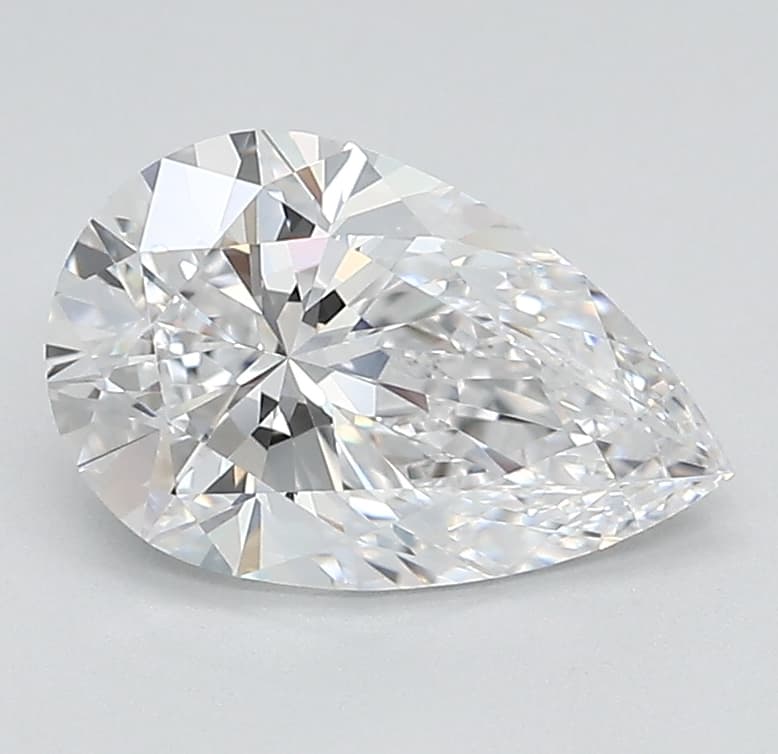
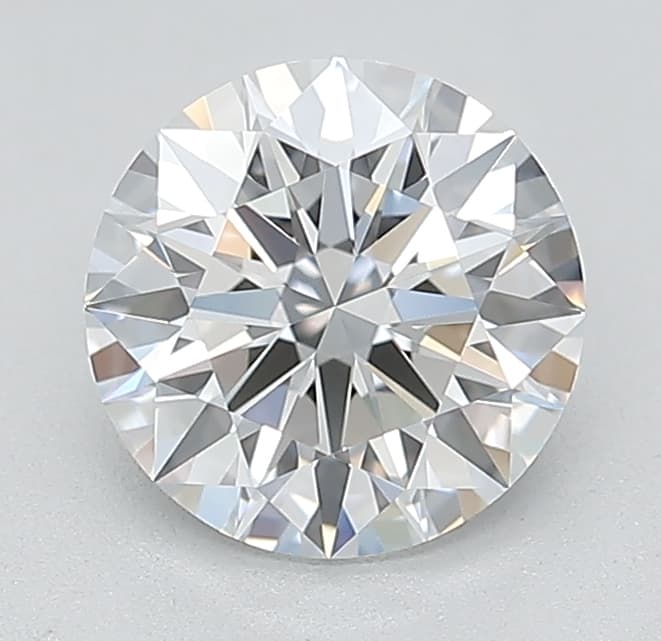
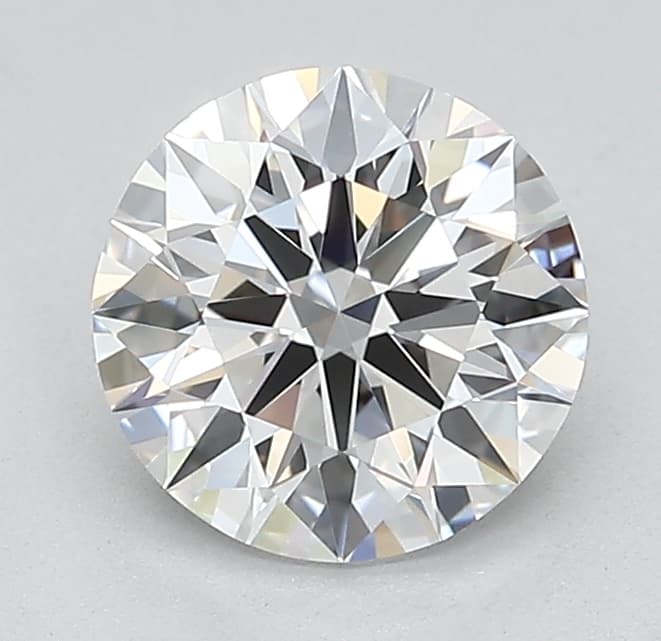
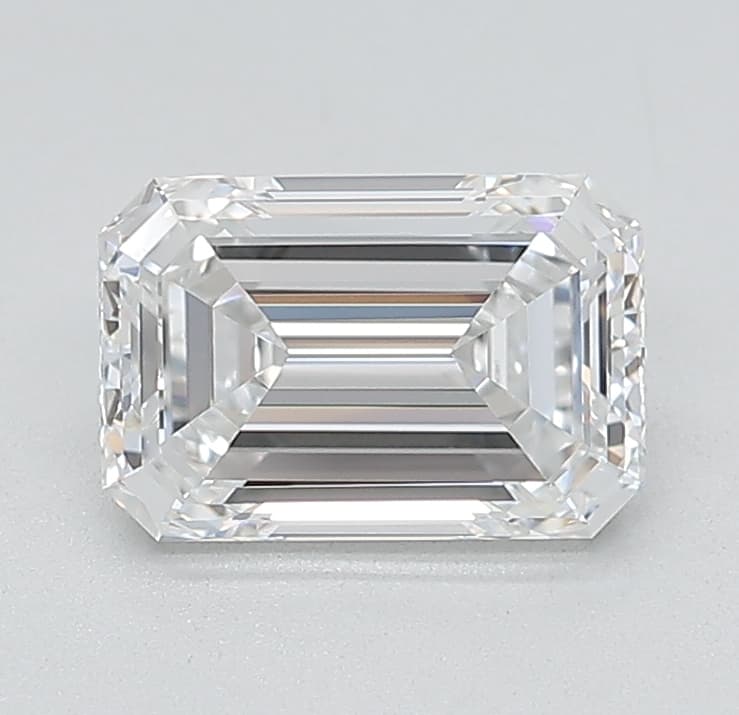
The fact: two lab-grown diamonds can look very different, even with similar grades. Cut, proportions and face-up size, where the inclusions sit, fluorescence, any tinge or bow-tie, and the growth method all vary from stone to stone. That is why two stones with the same 4Cs on paper can differ in price; our post on same 4Cs, different prices shows what to compare.
The practical answer to this myth is simply to compare: line stones up side by side, look at their measurements and watch their videos. Our post on comparing two diamonds sets out an order that works.
It also helps to know that "lab-grown" describes origin, not quality. Within lab-grown diamonds, as within mined ones, there are beautifully cut, eye-clean stones and stones that are less lively or less clean. The grading report narrows the field; the stone itself decides.
Where the myths come from
Most of these beliefs have one of two sources. Some come from mixing up lab-grown diamonds with simulants, which really are softer, really do cloud with wear and really would fail a diamond test. Others come from older information about early lab-grown stones, before grading by the major labs and before larger, well-cut stones were widely available.
A third source is simple wording. "Synthetic", "man-made", "lab-created" and "lab-grown" are sometimes used loosely (the FTC Jewelry Guides allow "synthetic", and "cultured" only with a qualifier, but we use neither word for our stones), and simulants are sometimes sold with names that sound like diamond. The safest habit is to read the grading report: it states plainly what the stone is, and for a lab-grown diamond it says laboratory-grown.
The table below sums up each myth and the fact. If you are unsure about anything you have heard, our diamond specialists are happy to explain it, stone by stone.
| Compared | What is true |
|---|---|
| They are fake | They are diamonds; only the origin differs |
| They are CZ or moissanite | Those are simulants; lab-grown is diamond |
| They fail a diamond tester | A thermal tester reads them as diamond |
| They cloud or change color | Diamond is stable; dullness is usually dirt |
| They are less hard | They are 10 on the Mohs scale, like mined diamond |
| You can tell by looking | Only lab instruments can tell the origin |
| They have no reports | IGI and GIA issue reports and inscribe the number |
| They are all flawless | IGI grades them on the same scales; they vary |
| The cutting is worse | They are cut the same way; the report shows how well |
| They are all the same | Cut, size, inclusions and look vary stone to stone |
A lab-grown diamond differs from a mined one in origin, and that must always be disclosed: on the listing and the report, and usually on the laser inscription.
Frequently asked questions
Is a lab-grown diamond a diamond, or an imitation?
A diamond. Laboratory-grown diamonds are diamonds, with the same chemical and physical properties as mined diamonds. A lab-grown diamond must be sold with a clear word such as “lab-grown” so that its origin is disclosed, but it is not an imitation.
Do lab-grown diamonds get cloudy over time?
No. Diamond does not cloud, fade or wear dull with age. A ring that looks cloudy has almost always picked up a film of soap, lotion and skin oil, and cleaning it restores the sparkle. Simulants such as cubic zirconia are what tend to scratch and cloud with wear.
Can a jeweler tell if a diamond is lab-grown?
Not by eye or with a standard diamond tester, which reads lab-grown and mined diamonds the same way. Gem labs use specialist instruments to determine origin. For a graded stone, the report and the laser inscription on the girdle state whether it is laboratory-grown.
Are all lab-grown diamonds flawless?
No. IGI grades lab-grown diamonds on the same color and clarity scales as mined diamonds (GIA has assessed them as Premium or Standard since October 2025), and they can have inclusions, a tinge of color or a slightly hazy look. Each stone is graded individually, so check its report, measurements and video.
Glossary terms in this article
More on Buying & Care in the journal.