Buying & Care
Lab-Grown Diamond vs Moissanite: The Real Differences
By the Vanora Diamond team
Published Last reviewed 5 min read

Quick answer
A lab-grown diamond is diamond: crystallized carbon with a hardness of 10 and the same physical and optical properties as a mined diamond. Moissanite is a different material, silicon carbide, slightly less hard, with stronger fire and double refraction, so it behaves differently in light. Both are made in a laboratory, but only one is a diamond, and each should be sold under its own name.
Two different materials
The confusion is understandable: both are laboratory-made, both are colorless and brilliant, and both are offered as center stones. But they are different minerals with different properties.
| Property | Lab-grown diamond | Moissanite |
|---|---|---|
| Material | Carbon, in a cubic crystal structure | Silicon carbide, in a hexagonal crystal structure |
| Hardness (Mohs scale) | 10 | About 9.25 |
| Refractive index | About 2.42, singly refractive | About 2.65 to 2.69, doubly refractive |
| Dispersion (fire) | About 0.044 | About 0.104 |
| Specific gravity | About 3.52 | About 3.22 |
| Diamond grading report from IGI or GIA | Yes | No; it is not a diamond |
| Name under the FTC Jewelry Guides | A diamond, qualified as lab-grown or laboratory-grown | Not a diamond; sold as moissanite |
Moissanite takes its name from Henri Moissan, who discovered the crystals in a meteorite in 1893 and identified them as silicon carbide in 1904. Natural moissanite is extremely rare, so the moissanite used in jewelry is made in a laboratory. A lab-grown diamond, by contrast, is the same material as a mined diamond, grown by the CVD or HPHT method instead of formed in the earth; our lab-grown vs natural guide explains what that means.
- Essentially pure carbon, crystallized in the cubic system
- A hardness of 10 and a refractive index of about 2.42
- Graded on the same 4Cs, and cared for in the same way
- Not told apart by eye, with a loupe or with a handheld diamond tester
- Origin: grown in a laboratory by CVD or HPHT, or formed in the earth and mined
- Identification: laboratory instruments tell them apart, and the grading report says which it is
- Naming: in the US a lab-grown diamond must be qualified, for example as “laboratory-grown”
- GIA reports: since October 2025, colorless to near-colorless lab-grown stones get a Premium or Standard assessment
- Market: lab-grown diamonds are generally priced well below comparable mined ones, and their resale market is limited and less established
How they look different
The figures in the table show up in the stone.
Fire
Dispersion splits white light into spectral colors. Moissanite’s dispersion is more than twice diamond’s, so it throws noticeably more colored flashes, especially in sunlight or under spot lighting. Some people love that rainbow effect; others find it reads as "not quite diamond". A diamond shows a balance of white brilliance and colored fire.
Double refraction
Moissanite is doubly refractive: light entering it splits into two rays. Looking through the crown at an angle, you may see the back facet edges doubled, a slightly blurred, fuzzy look. Cutters usually orient moissanite so that the doubling is hard to see straight down through the table, but it often appears from the side. Diamond is singly refractive, so its facet edges stay crisp.
Color
Diamond color is graded from D (colorless) downwards. Moissanite is now offered in colorless grades, but some moissanite can show a faint gray, green or yellow tint in certain lighting. Moissanite producers and sellers describe color with their own grades rather than on the diamond scale, so read the paperwork closely.
Size and weight
Moissanite is lighter than diamond for the same size, so moissanite is often sold by millimeter size or a "diamond equivalent" rather than by carat. To compare like with like, compare face-up measurements in millimeters. Our carat weight guide shows how diamond weight relates to size.
- Dispersion (fire), diamond
- ≈ 0.044
- Dispersion (fire), moissanite
- ≈ 0.104
- More than twice diamond’s, so more colored flashes
Durability and everyday wear
Both are durable enough for an everyday ring. Diamond sits at the top of the Mohs scale, at 10; moissanite, at about 9.25, is harder than most other gemstones. Over long wear, the harder surface better resists the fine abrasion that can gradually soften facet edges.
Hardness is not the same as toughness. Either stone can chip if struck hard on a thin girdle or a sharp point, so a protective setting matters for both. They clean the same way, too: see how to clean a diamond ring.
Telling them apart
To a casual observer, a well-cut moissanite can pass for diamond. A trained eye looks for the stronger fire and the doubled facet edges described above. Instruments are more reliable:
- Thermal testers: moissanite conducts heat well enough to read as diamond on a thermal-only tester, so a basic thermal "diamond tester" can mistake it for diamond.
- Electrical conductivity testers: most diamonds do not conduct electricity, while moissanite does, which is how many "multi-testers" separate the two. Some diamonds that contain boron do conduct electricity, though, and can give a false moissanite reading.
- A gemological laboratory: the only fully reliable answer. A grading report from IGI or GIA identifies a lab-grown diamond as laboratory-grown, and its report number is laser-inscribed on the girdle.
A handheld tester also cannot tell a lab-grown diamond from a mined one; that also needs lab instruments. This is why the report and the laser inscription matter: our certificates guide shows how to verify both.
| Compared | Diamond or moissanite? | Lab-grown or mined? |
|---|---|---|
| Thermal tester | Can read moissanite as diamond | Cannot tell |
| Electrical tester | Usually; boron-containing diamonds can read as moissanite | Cannot tell |
| Gemological laboratory | The fully reliable answer | Reliable; the report states laboratory-grown |
Naming and disclosure
In the United States, the FTC Jewelry Guides reserve the word "diamond" for diamond. A lab-grown diamond must be clearly qualified, for example as "laboratory-grown" or "lab-grown", and a product that is not a diamond, such as moissanite or cubic zirconia, should not be described as one. If a listing calls moissanite a "lab diamond" or a "diamond alternative" without saying plainly that it is moissanite, ask exactly what the stone is.
Every stone we offer is a laboratory-grown diamond, and every single stone has an IGI or GIA report (mix parcels of small stones are sold by the parcel, without individual reports). We do not offer moissanite or other diamond simulants; see our lab-grown disclosure.
Which one is right for you?
Neither is the wrong choice, as long as you know which one you are buying. A lab-grown diamond suits you if:
- you want a diamond, the same material as a mined one;
- you want the stone graded by an independent lab such as IGI or GIA, with a report you can verify;
- you prefer diamond’s balance of white brilliance and colored fire.
Moissanite may suit you if you love its stronger rainbow fire and you are happy with a stone that is not a diamond. Many people first compare the two on price. Prices for both vary with size, quality and seller, so compare real quotes for the size you want rather than general claims.
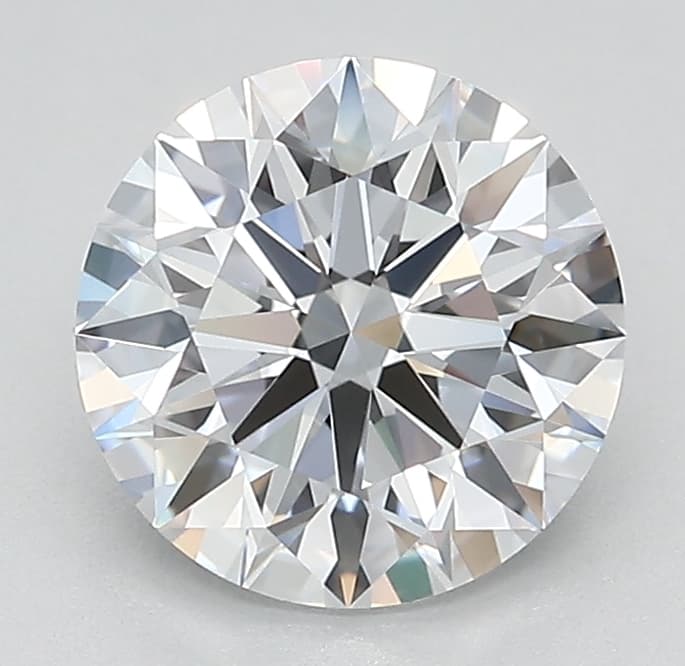
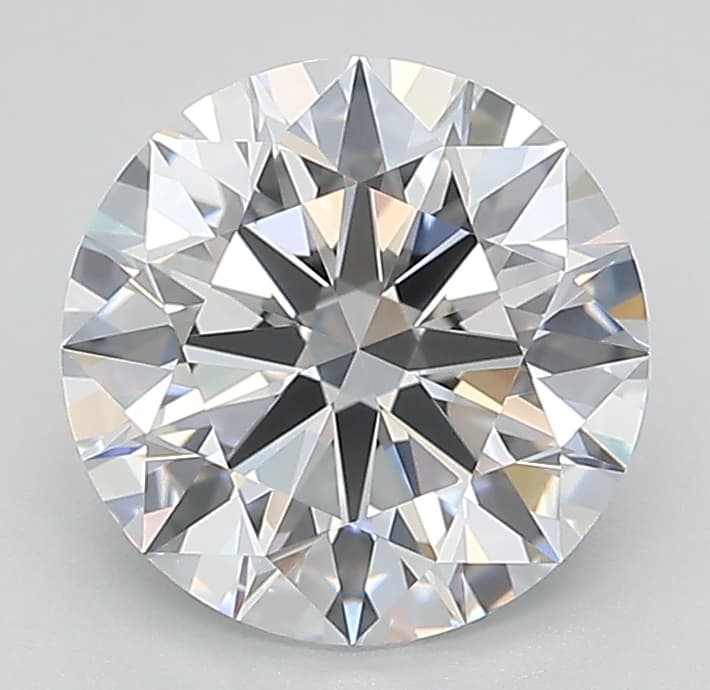
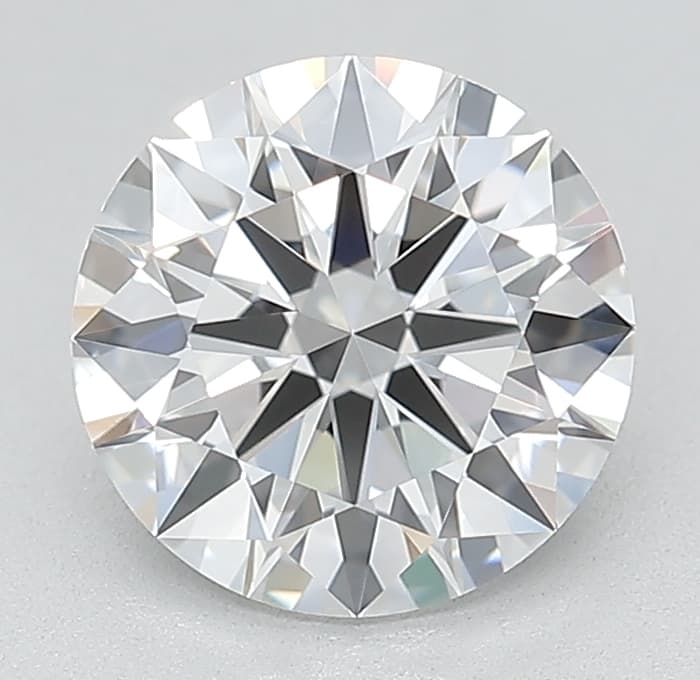
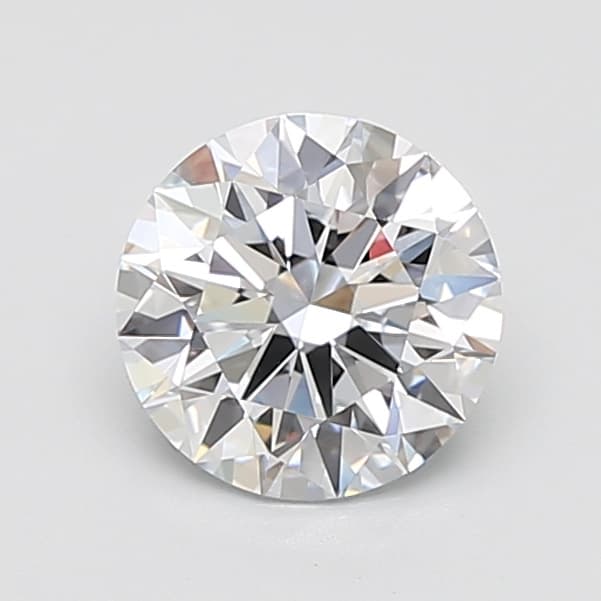
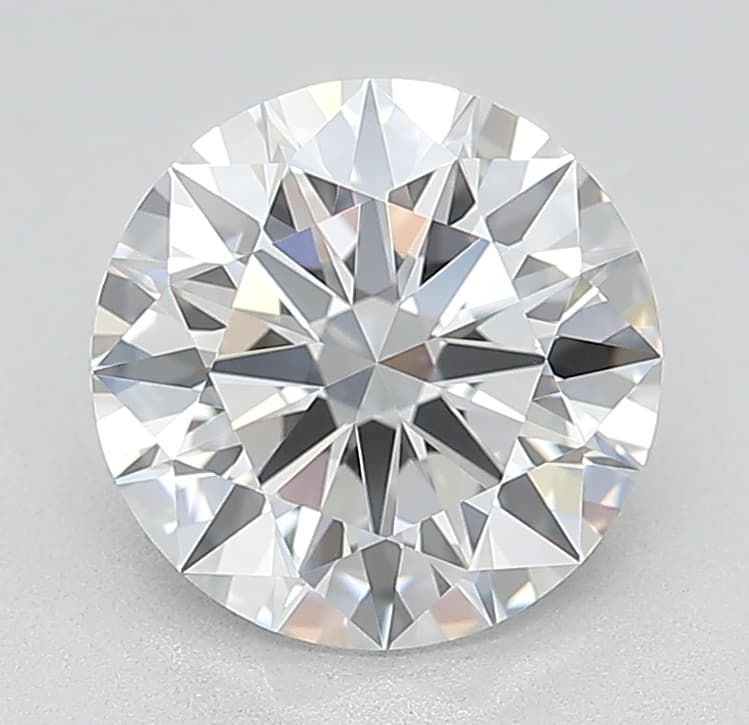
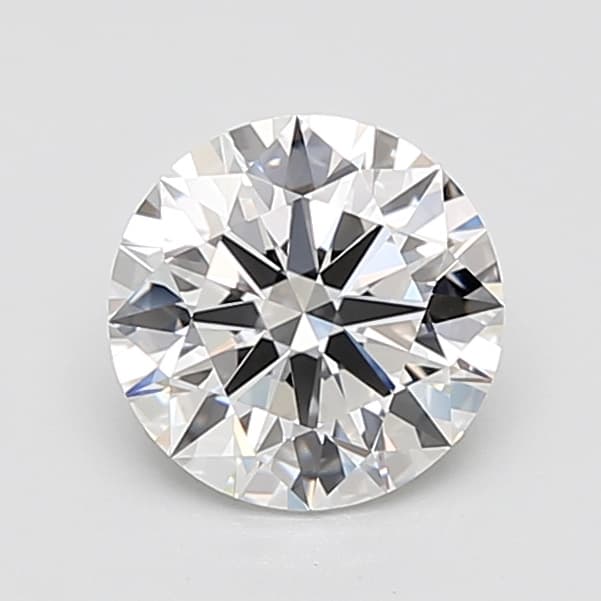
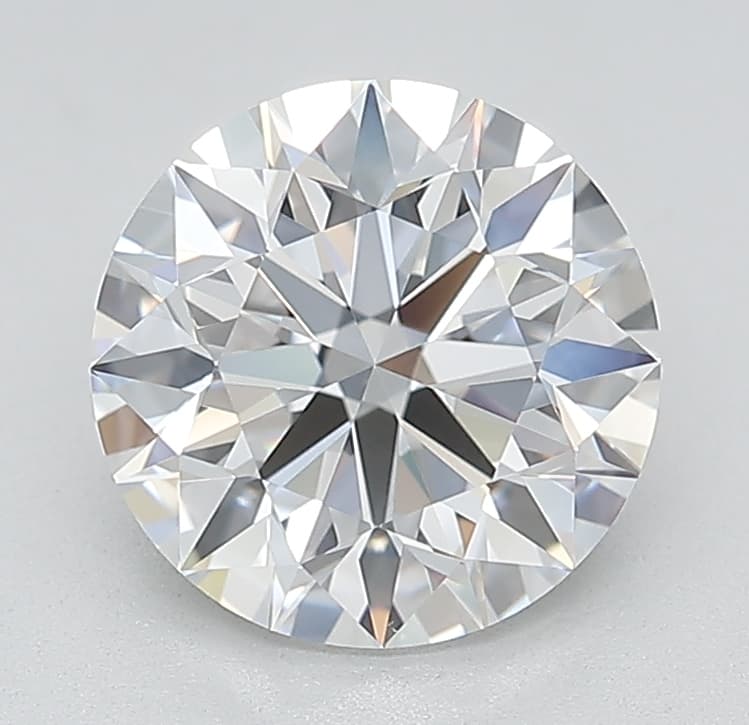
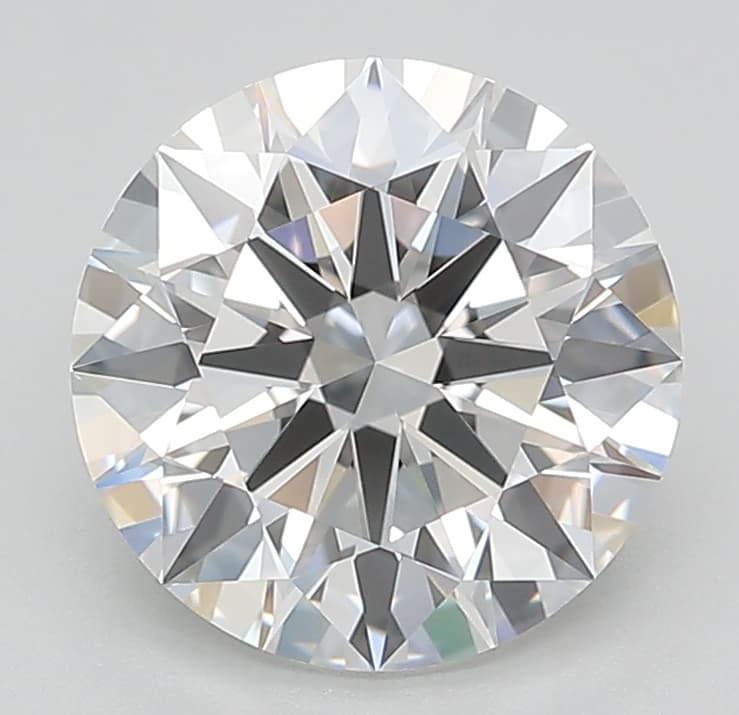
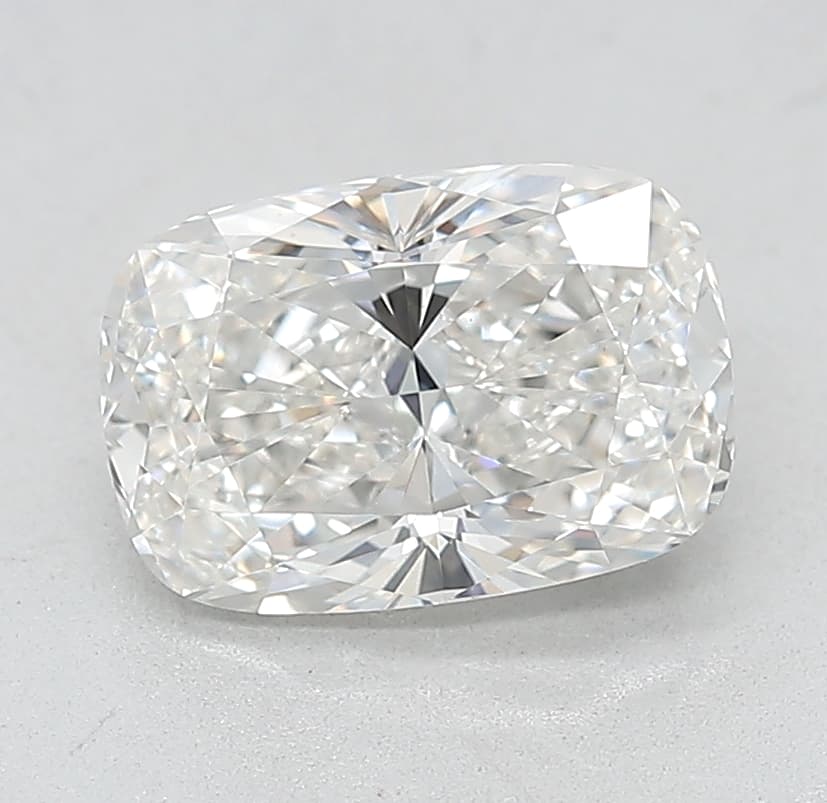
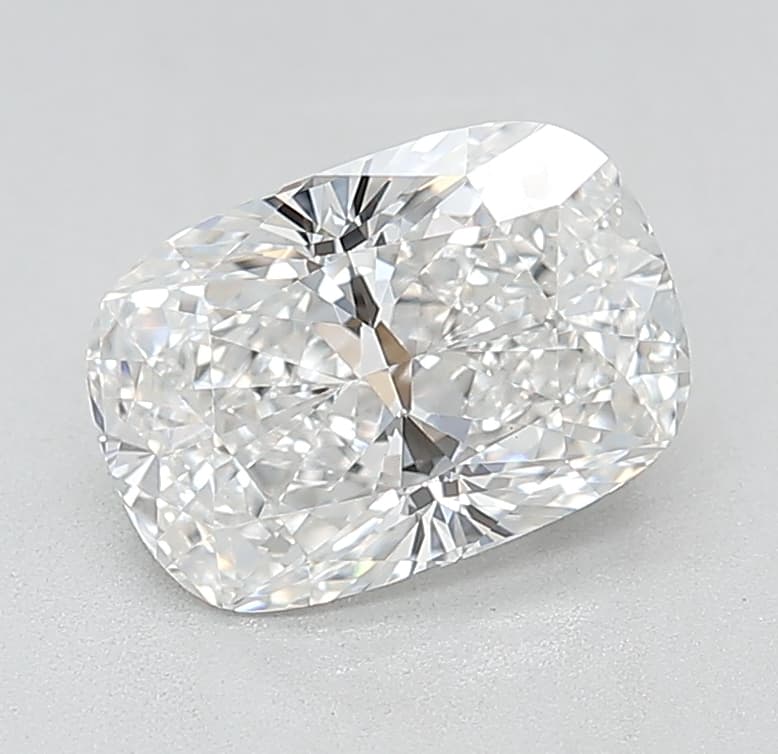
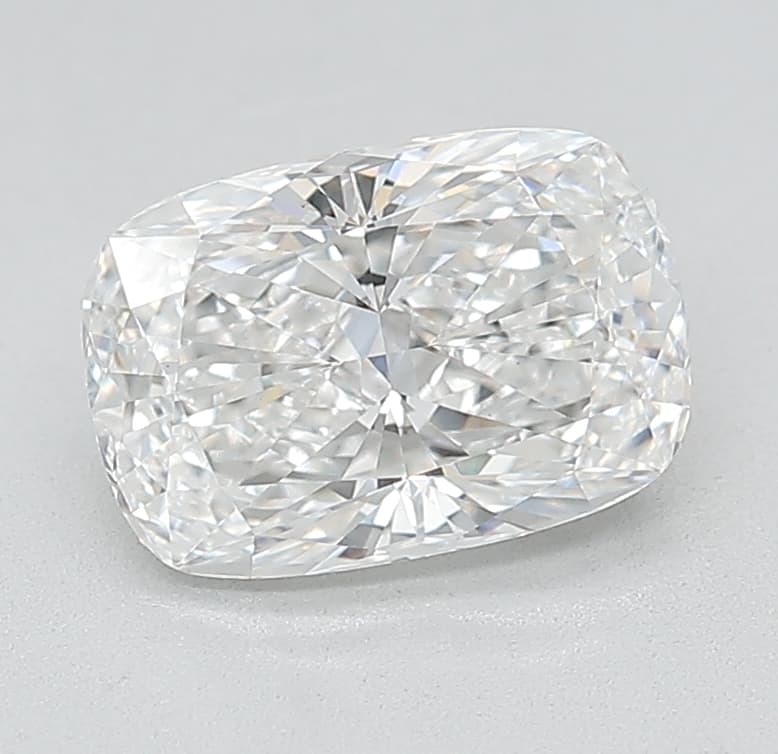
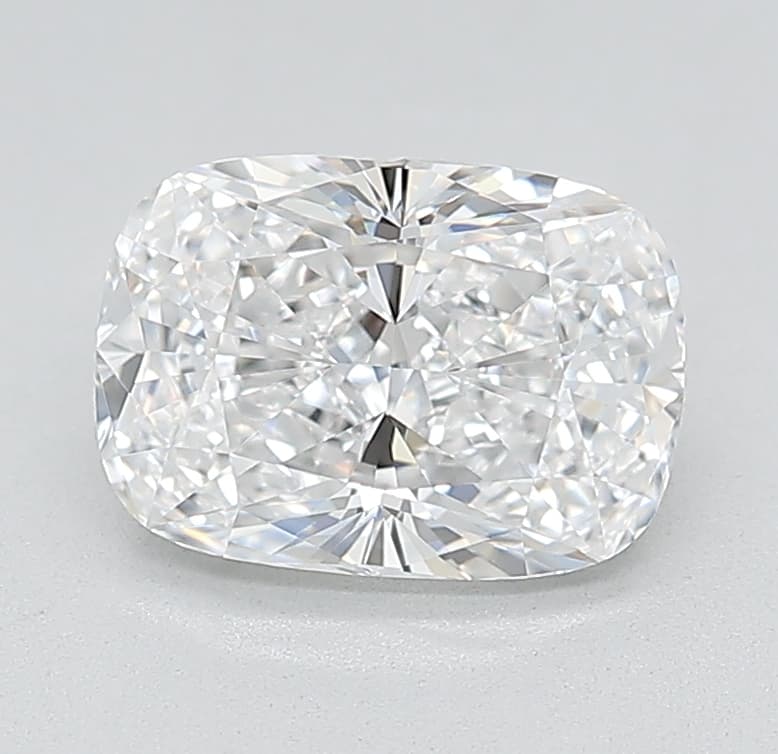
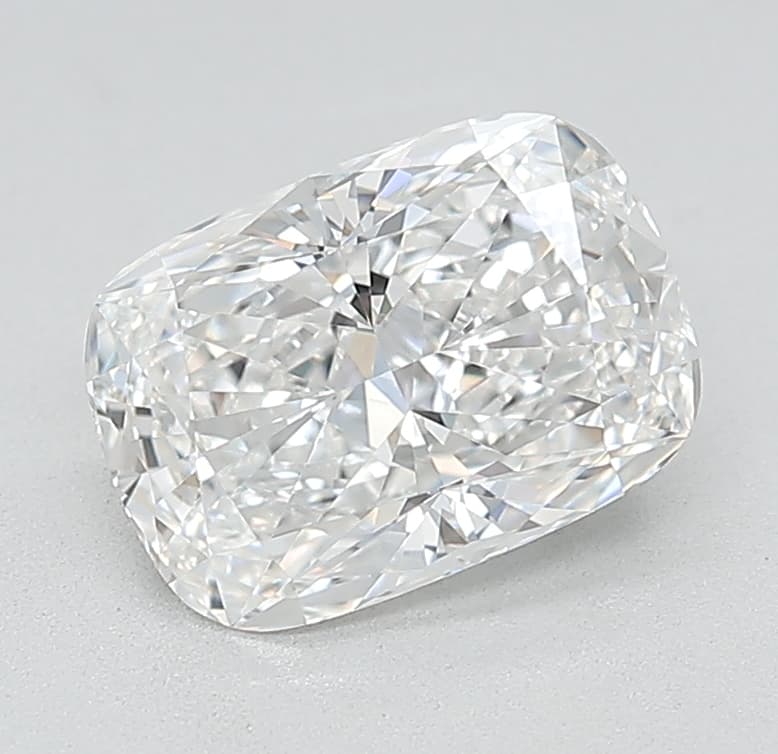
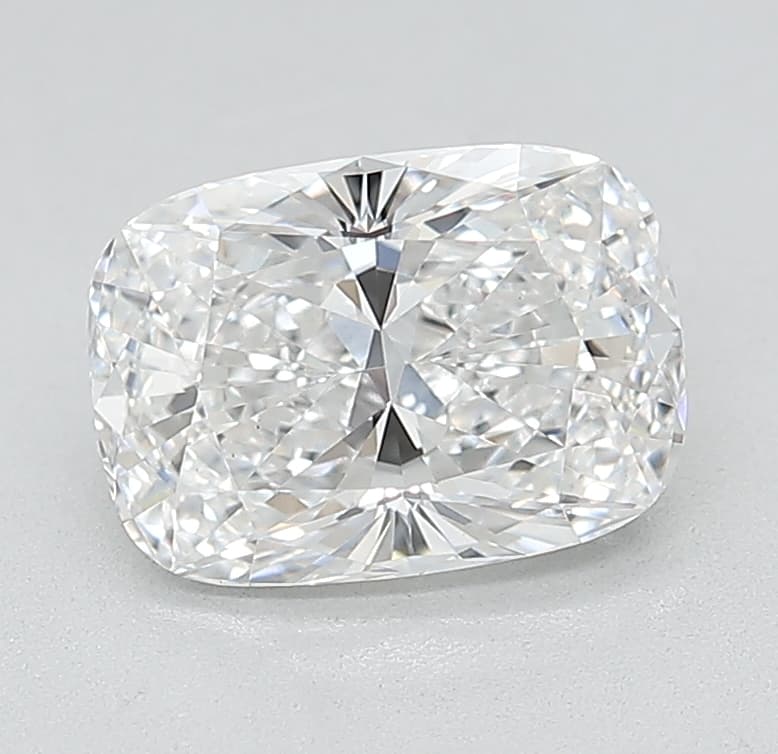
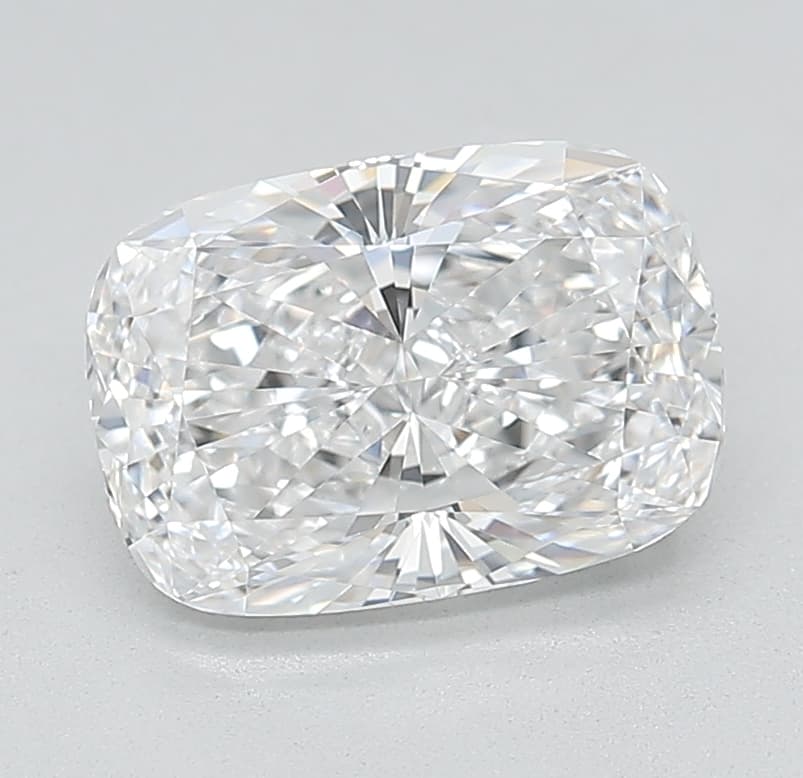
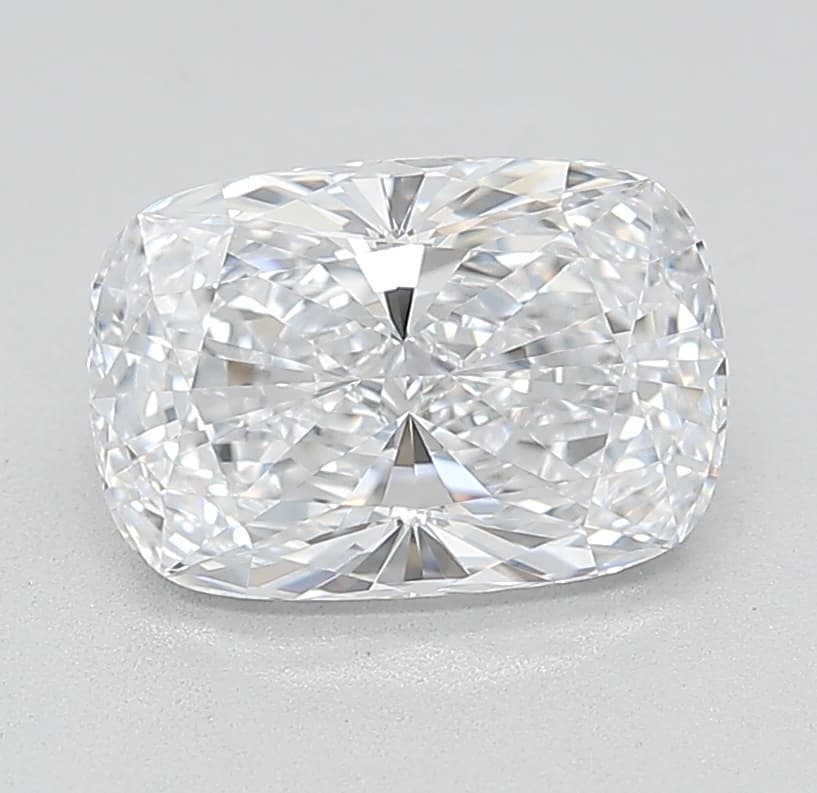
If you would like to see diamond’s own sparkle, the stones below are a good place to start, and a specialist can show you any of them in person by appointment where a stone can be brought to one of our offices.
Frequently asked questions
Is moissanite a lab-grown diamond?
No. Moissanite is silicon carbide, a different material. A lab-grown diamond is carbon in the cubic crystal structure, the same material as a mined diamond. Both are made in laboratories, but only one is a diamond.
Can a diamond tester tell moissanite from diamond?
A basic thermal tester often cannot, because moissanite conducts heat well enough to read as diamond on a thermal-only tester. Testers that also measure electrical conductivity usually can, although some boron-containing diamonds can give a false reading. A gemological laboratory is the reliable answer.
Is moissanite as hard as diamond?
Nearly. Moissanite is about 9.25 on the Mohs scale and diamond is 10. Both are durable enough for everyday rings, and both can chip if struck hard on a thin edge or a point.
Does moissanite sparkle more than a diamond?
It shows more fire, meaning colored flashes, because its dispersion is more than twice diamond’s. Whether that looks better is personal: some people love it, others prefer the balance of white and colored light a diamond gives.
Do you sell moissanite?
No. Every stone we offer is a laboratory-grown diamond, and every single stone has an IGI or GIA grading report (mix parcels are sold by the parcel, without individual reports). We do not offer moissanite or other diamond simulants.
Glossary terms in this article
More on Buying & Care in the journal.