Buying & Care
Is a Lab-Grown Diamond a Diamond? A Plain Answer
By the Vanora Diamond team
Published Last reviewed 5 min read

Quick answer
Laboratory-grown diamonds are diamonds, with the same chemical and physical properties as mined diamonds. The only difference is where they formed, which is why they must always be sold with a clear word such as "lab-grown". Stones that only look like diamond, such as cubic zirconia and moissanite, are simulants, not diamonds of any kind.
What makes a diamond a diamond
A diamond is defined by what it is made of and how its atoms are arranged, not by where it came from. It is essentially pure carbon, with the atoms locked in a tight cubic crystal structure. That structure is what gives diamond its hardness (10, the top of the Mohs scale), its high refractive index (about 2.42, the reason it sparkles the way it does) and its ability to carry heat so well.
A lab-grown diamond has that same carbon and that same crystal structure. It is grown from a small diamond seed in a controlled environment, by one of two methods called CVD and HPHT, instead of forming deep underground over a very long time. Once grown, it is cut and polished in exactly the same way as a mined stone, and IGI grades it on the same scales. Our lab-grown vs natural guide goes through the science in more detail.
So when people ask "is it real?", the plain answer is: laboratory-grown diamonds are diamonds, with the same chemical and physical properties as mined diamonds; only the origin differs. It is not a coating, a glass or a different mineral pretending to be diamond.
- Essentially pure carbon, crystallized in the cubic system
- A hardness of 10 and a refractive index of about 2.42
- Graded on the same 4Cs, and cared for in the same way
- Not told apart by eye, with a loupe or with a handheld diamond tester
- Origin: grown in a laboratory by CVD or HPHT, or formed in the earth and mined
- Identification: laboratory instruments tell them apart, and the grading report says which it is
- Naming: in the US a lab-grown diamond must be qualified, for example as “laboratory-grown”
- GIA reports: since October 2025, colorless to near-colorless lab-grown stones get a Premium or Standard assessment
- Market: lab-grown diamonds are generally priced well below comparable mined ones, and their resale market is limited and less established
A diamond, but not the same as mined
"A diamond" and "identical in every way" are different claims, and it helps to keep them apart.
- The same material. A lab-grown and a mined diamond of the same grades look alike to the eye, wear alike and are cleaned and set alike.
- A different origin. One grew in a laboratory over weeks; the other formed in the earth and was mined. That history is the whole difference, and it matters to many buyers.
- Telling them apart takes a lab. Growth leaves tiny traces in a crystal: patterns in how it fluoresces under strong ultraviolet light, the trace elements it holds, the way it grew. Grading laboratories use specialized instruments to read those traces. A jeweler's loupe or a handheld tester cannot, which our post on diamond testers explains.
- A different market. Lab-grown diamonds are usually priced well below mined diamonds of similar grades, and their resale market is different too. Our honest look at resale value covers that side.
None of this makes a lab-grown diamond less of a diamond. It does mean you should always know which one you are buying.
Lab-grown, lab-created, synthetic and simulant: what the words mean
The words sellers use can be confusing, so here is what each one means.
- Lab-grown or laboratory-grown. A diamond grown in a laboratory. This is the clearest term, and the one we use.
- Lab-created or laboratory-created. The same thing in different words. In the United States, the FTC Jewelry Guides accept "laboratory-grown", "laboratory-created" and "[manufacturer name]-created" as ways to describe a diamond that was not mined.
- Synthetic. Also a lab-made diamond. The FTC Jewelry Guides allow "synthetic" (and "cultured" only with a qualifier such as "laboratory-grown"), but many shoppers read "synthetic" as "fake", and we do not use either word for our stones. Whatever word is used, the key rule is the same: the stone must be clearly described as not mined.
- Simulant. A different material that imitates diamond, such as cubic zirconia, moissanite or glass. A simulant is not a diamond, lab-grown or otherwise. Our comparisons of lab-grown diamond and cubic zirconia and lab-grown diamond and moissanite show how they differ.
Under the FTC Jewelry Guides, the word "diamond" on its own means a mined diamond. A lab-grown diamond must carry its qualifier, and that word must be as easy to see as the word "diamond" itself. Small print on the back of a box does not count.
| Compared | Lab-grown diamond | Mined diamond | Simulant |
|---|---|---|---|
| What it is | Diamond (carbon) | Diamond (carbon) | Another material, such as CZ |
| Where it formed | In a laboratory | In the earth | Made in a factory or laboratory |
| Hardness (Mohs) | 10 | 10 | Lower than diamond |
| Diamond grading report | Yes, stating lab-grown | Yes | No, it is not a diamond |
| How it must be named | With a qualifier, e.g. lab-grown | Diamond | By its own name |
How a report and an inscription state the origin
The most reliable proof of what you are buying is an independent grading report. Both of the labs whose reports we offer, IGI and GIA, state clearly on a lab-grown report that the diamond is laboratory-grown. IGI reports usually state the growth method, CVD or HPHT. GIA's laboratory-grown documents since October 1, 2025 are quality assessments (Premium or Standard), which do not name the growth method.
Most lab-grown diamonds also carry a laser inscription on the girdle, the thin edge around the stone: the report number, with "LG" (IGI) or "Laboratory-Grown" (GIA). It is far too small to see without magnification, but a jeweler can find it with a loupe, and it lets you match the stone in your hand to its report.
To check a report:
- Find the report number on the paperwork or the stone page.
- Look it up on the lab's own website and confirm the details match.
- Ask a jeweler to read the inscription and compare it with the report number.
Our certificates guide walks through each step for IGI and GIA, and our post on laser inscriptions shows what to look for.
Why disclosure matters
Because a lab-grown diamond looks the same as a mined one, the buyer depends on the seller to say which it is. That is the reason for the disclosure rules, and it is also why it pays to buy with paperwork.
- Before you buy, the listing, the invoice and the report should all say "lab-grown" or an equivalent word. If anything says just "diamond", ask.
- When you insure a ring, the appraisal should describe the stone as lab-grown so the cover matches what you own; see insuring a lab-grown diamond.
- If you sell or pass it on, the next owner deserves the same clarity. Keep the report with the ring.
Vanora Diamond is a lab-grown diamond manufacturer, and every stone we offer is a laboratory-grown diamond. Every single stone has an IGI or GIA report (mix parcels of small stones are sold by the parcel, without individual reports). Each stone page states that it is lab-grown, names the growth method and the lab, and shows the report number and inscription when the report gives one.
The listing, the grading report and the laser inscription should all describe the same lab-grown diamond. If one of them is missing or says only "diamond", ask before you buy.
So, is a lab-grown diamond right for you?
If you want a diamond, with diamond's hardness and sparkle, a lab-grown stone gives you exactly that. Many buyers choose it because it lets them choose a larger size or higher grades for the same budget, and some simply like knowing exactly how their stone was made.
If the fact that a diamond formed in the earth is what matters most to you, a mined diamond is the choice that fits. Neither choice is wrong. What matters is that you know which one you are choosing and have the report to prove it.
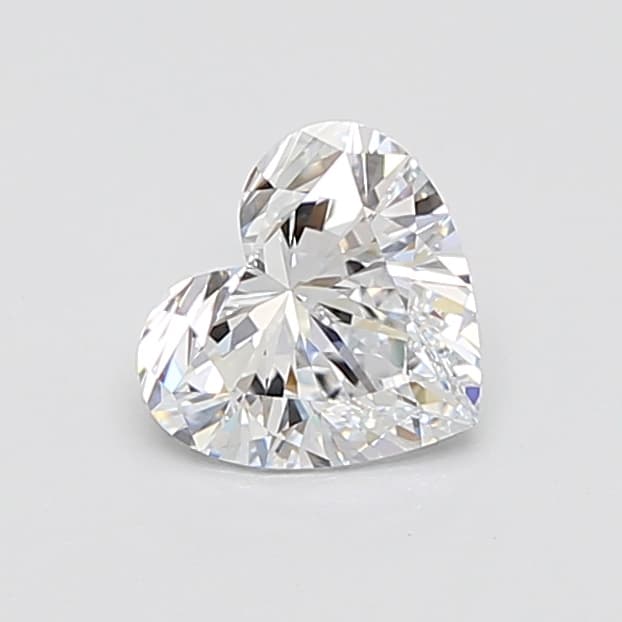
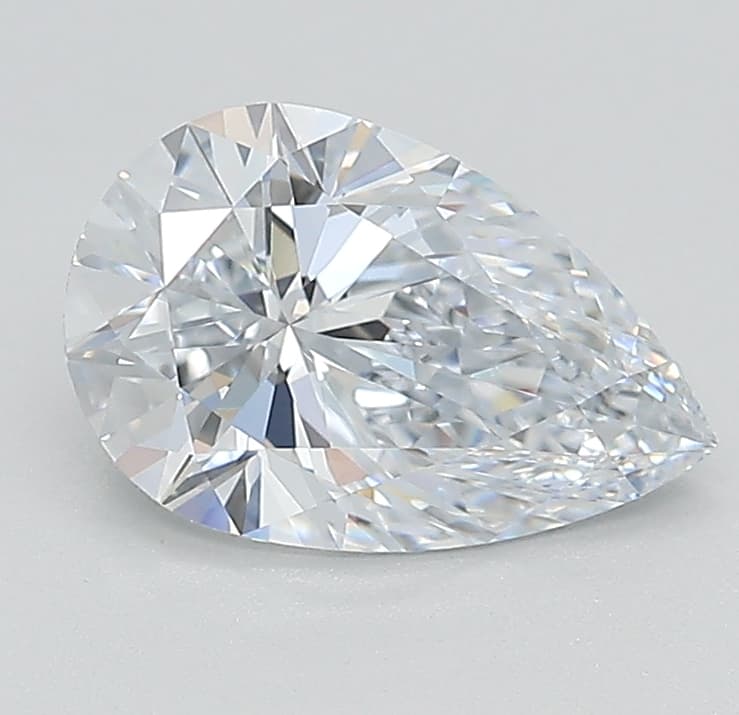
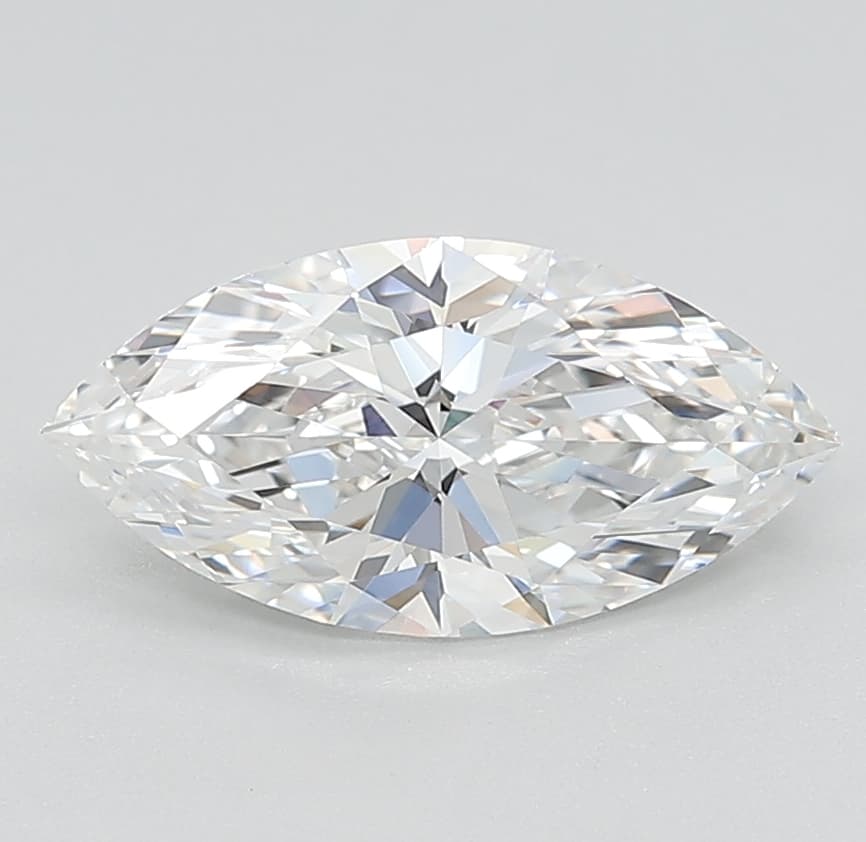
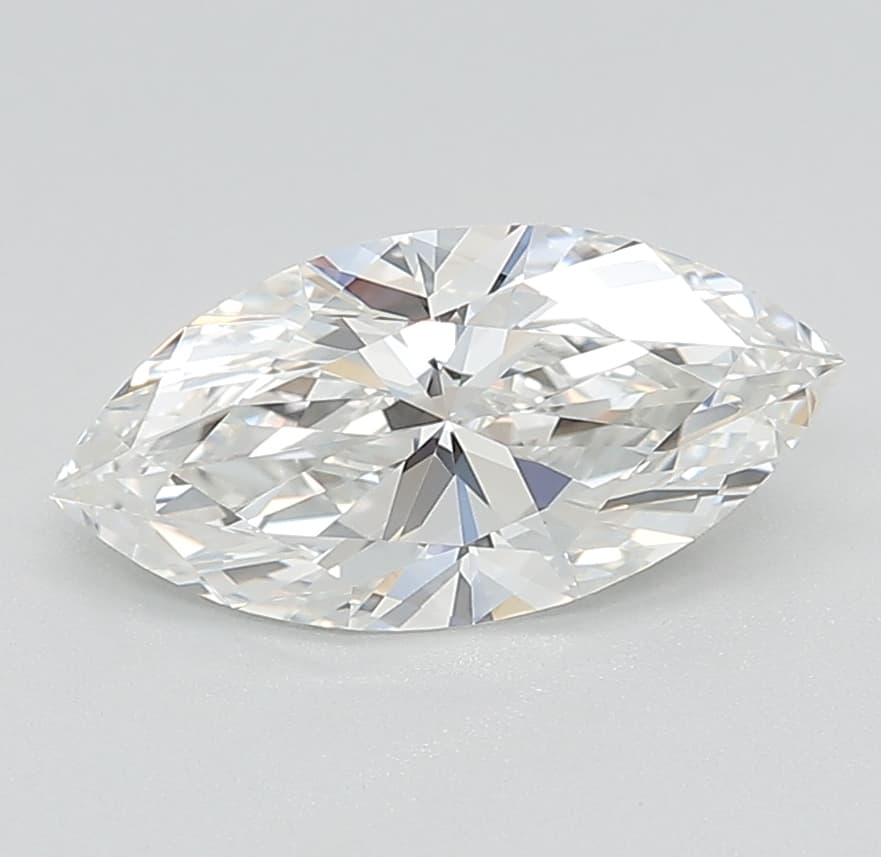
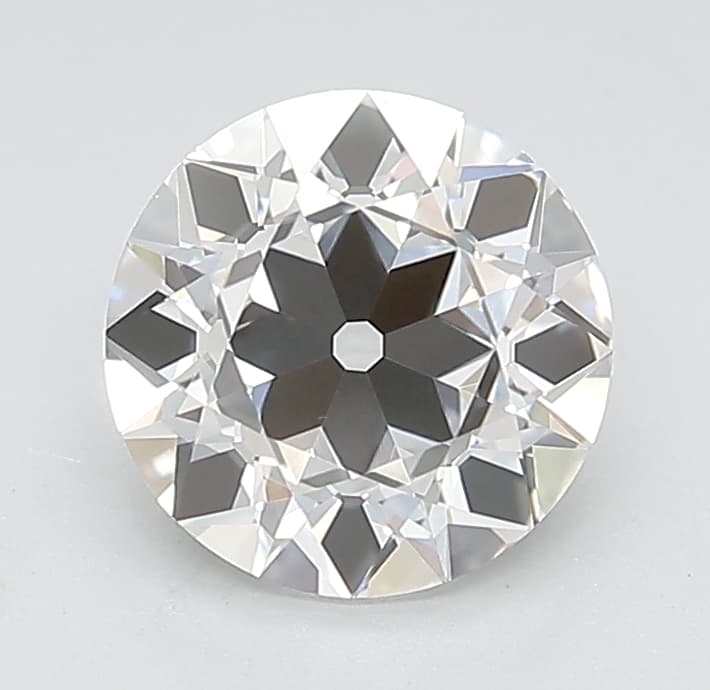
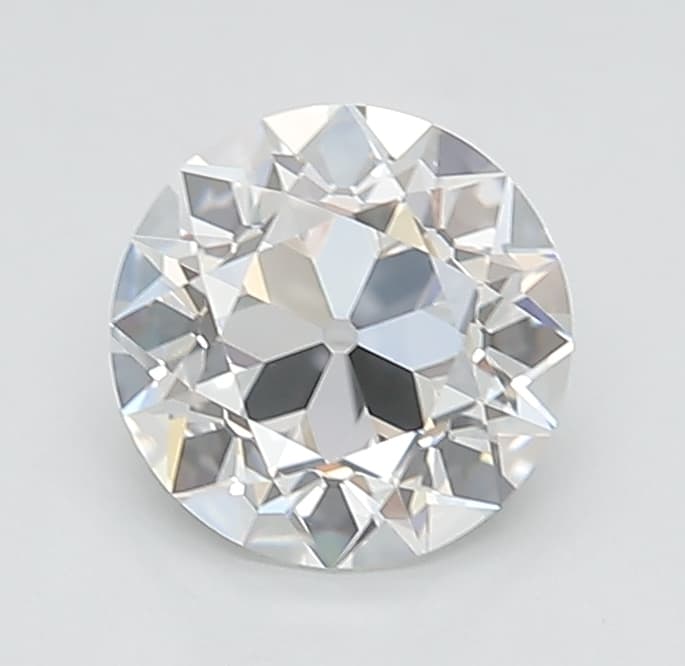
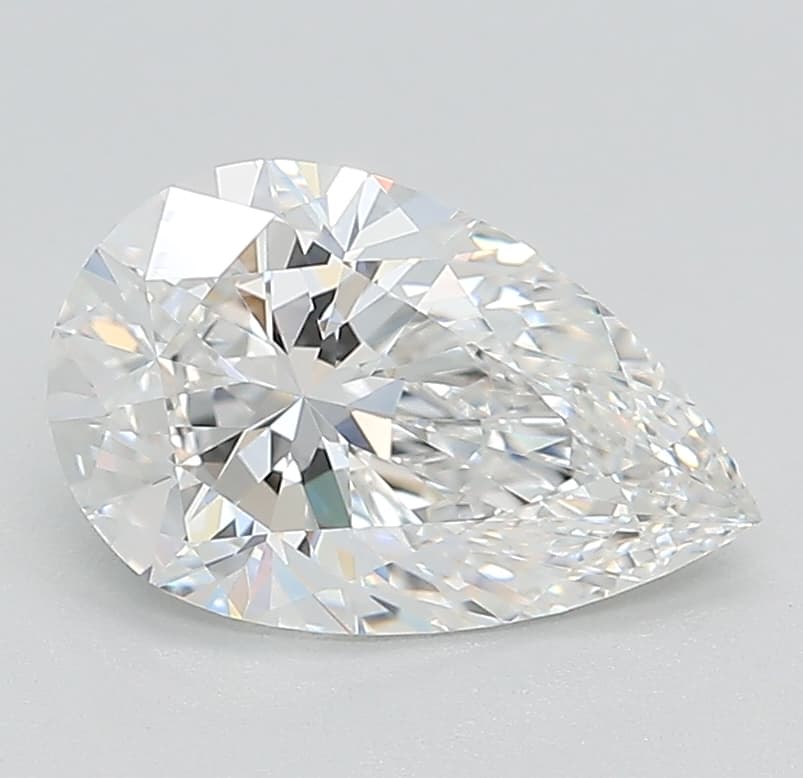
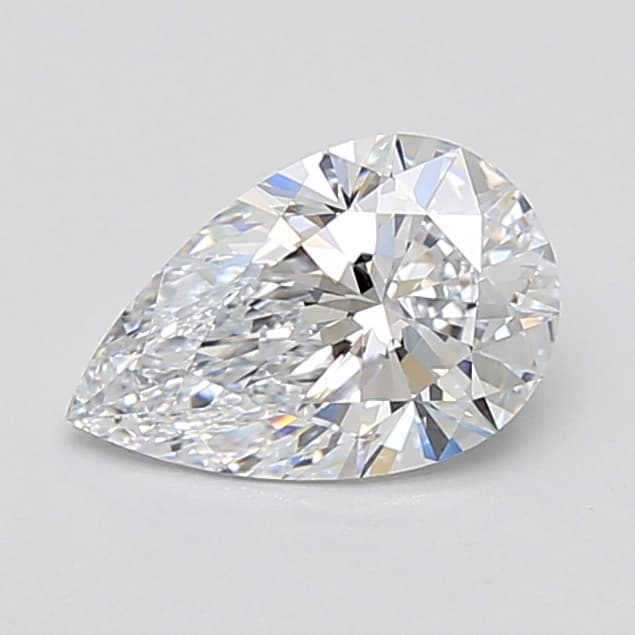
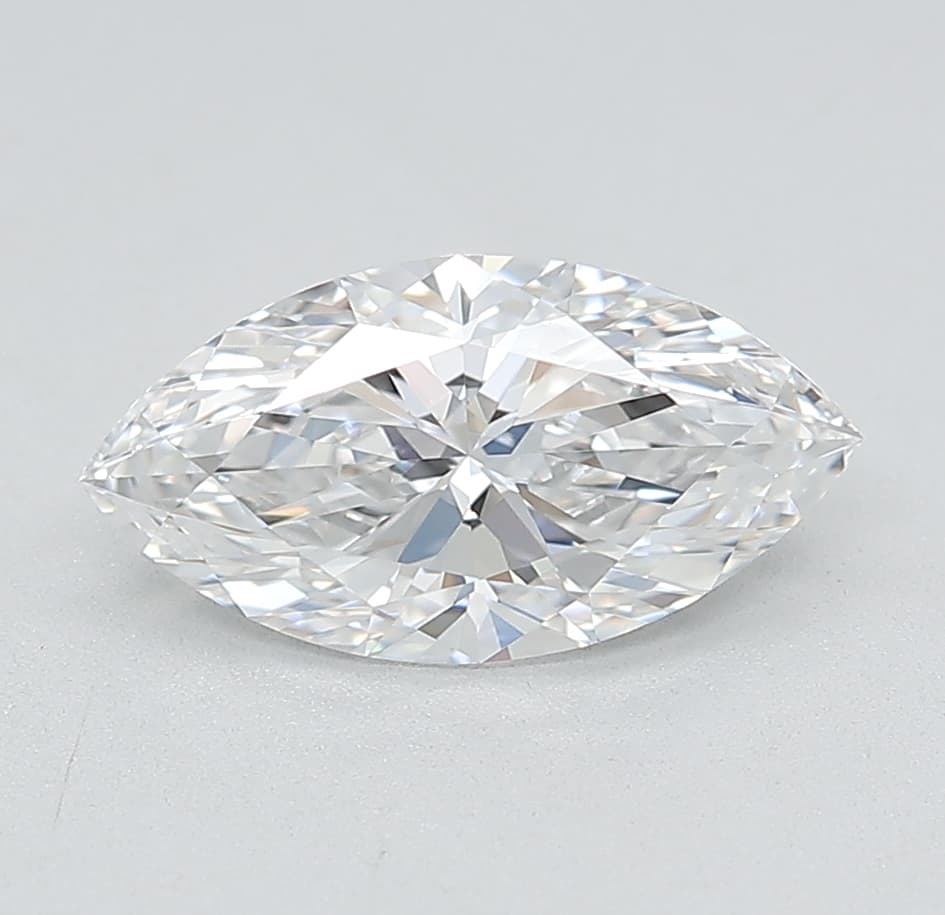
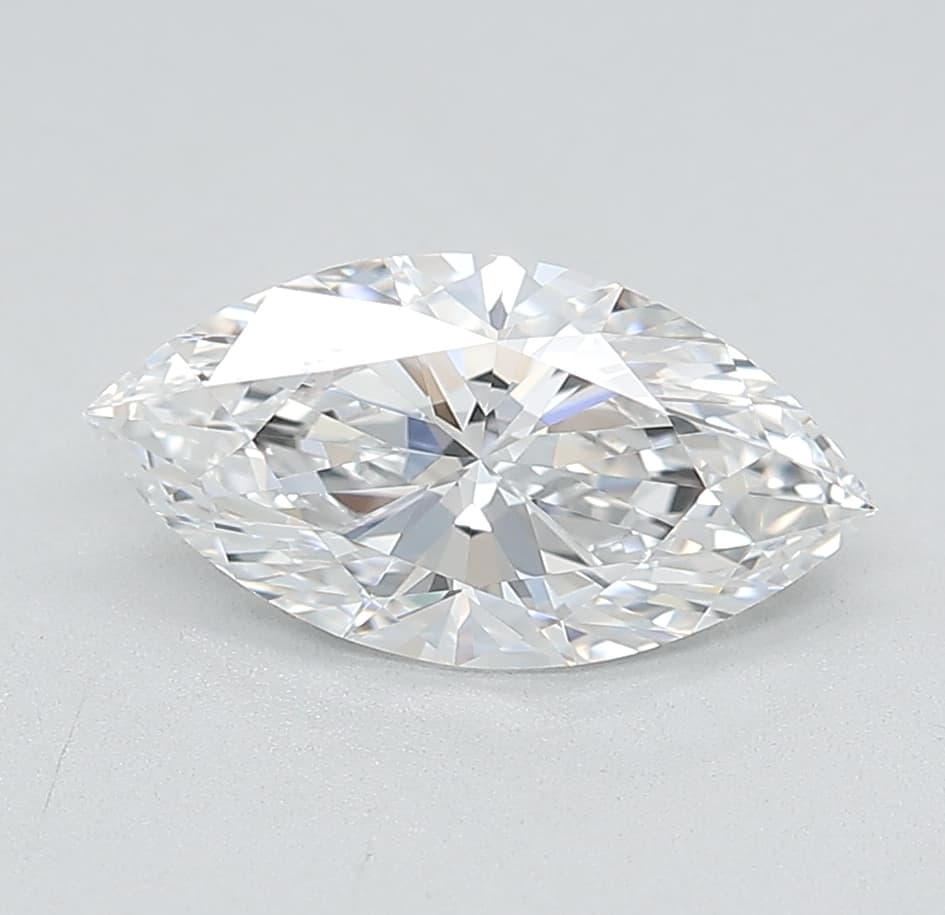
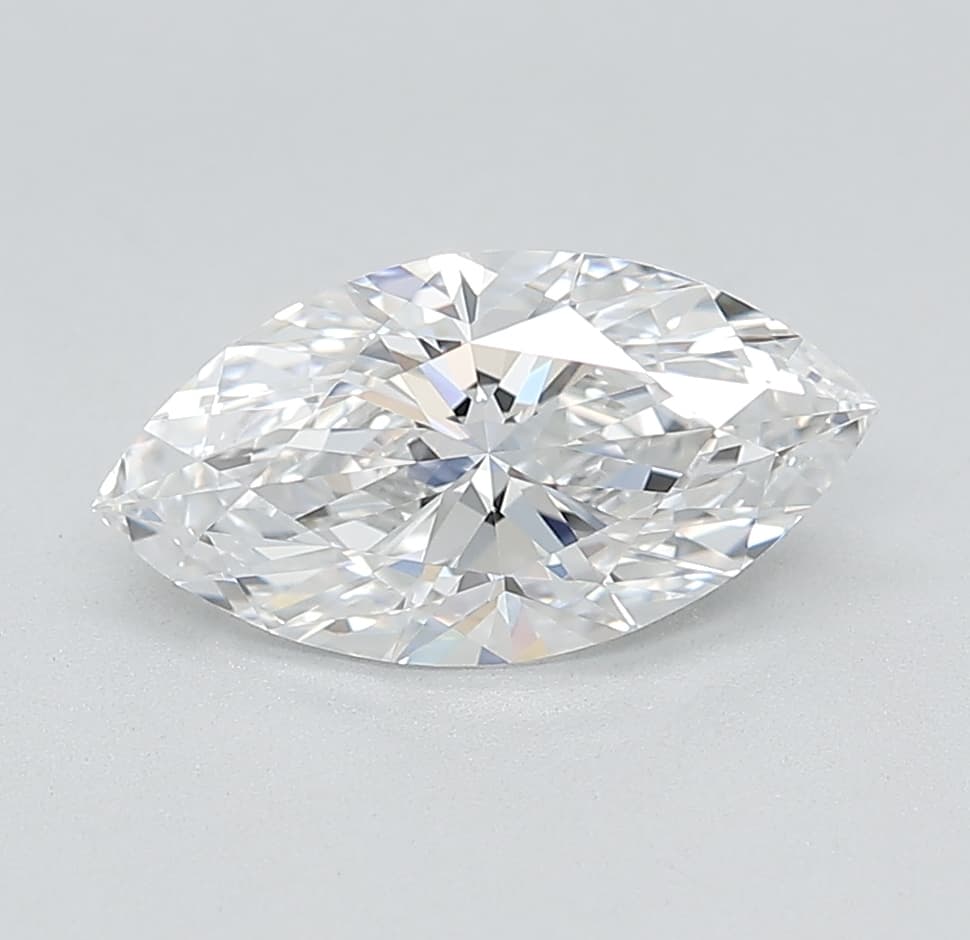
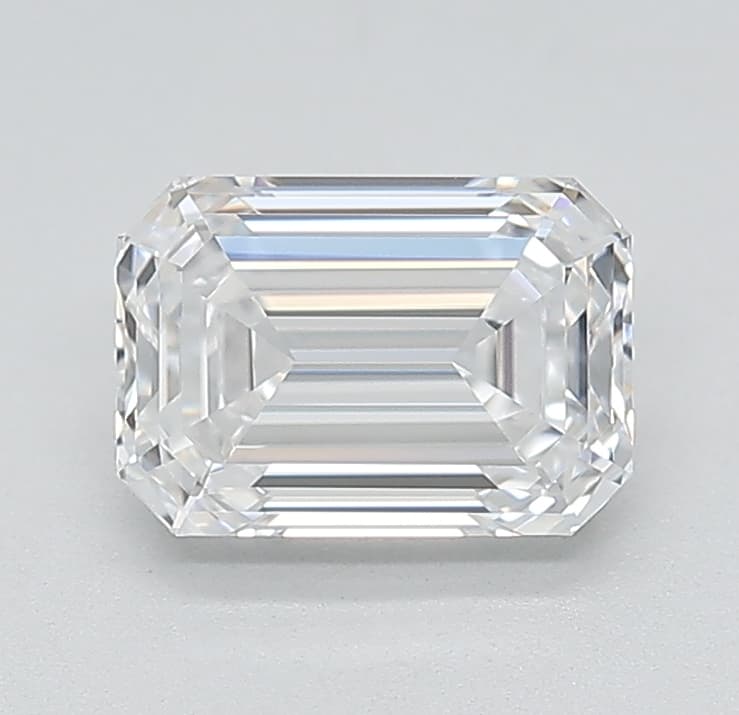
The stones below are lab-grown diamonds with IGI and GIA reports. Open any of them to see how the stone page labels the origin, and if you have a question about a report, our diamond specialists are happy to read it with you.
Frequently asked questions
Is a lab-grown diamond a diamond?
Yes. Laboratory-grown diamonds are diamonds, with the same chemical and physical properties as mined diamonds. A lab-grown diamond formed in a laboratory instead of the earth, so it must be sold with a clear qualifier such as "lab-grown" or "laboratory-grown".
Is a lab-grown diamond the same as a fake diamond?
No. A fake, or simulant, is a different material that imitates diamond, such as cubic zirconia, moissanite or glass. A lab-grown diamond is diamond. The difference is origin, not material, and a grading lab will issue a diamond report for it.
Can a jeweler tell if a diamond is lab-grown?
Not by eye or with a standard diamond tester, because the material is the same. A jeweler can read the laser inscription on the girdle and check the report. Proving origin from scratch needs a gemological laboratory with specialized instruments.
Does "lab-created" mean something different from "lab-grown"?
No. Both describe a diamond grown in a laboratory, and the FTC Jewelry Guides accept either word. What matters is that the qualifier is clear and as visible as the word "diamond". "Simulant", on the other hand, means a stone that is not diamond at all.
Glossary terms in this article
More on Buying & Care in the journal.