Buying & Care
Do Lab-Grown Diamonds Get Cloudy or Change Color Over Time?
By the Vanora Diamond team
Published Last reviewed 5 min read

Quick answer
No. A lab-grown diamond does not fade, turn cloudy or change color with age; it is diamond, one of the most stable materials there is. When a ring looks dull or cloudy, the cause is almost always a film of soap, lotion and skin oil, and a proper clean brings the sparkle back. A small number of lab-grown stones can show a temporary color shift after strong ultraviolet light or heat, which fades in ordinary light.
The short answer: diamond is stable
A lab-grown diamond is the same material as a mined diamond: carbon locked in a very strong crystal structure. Nothing in everyday life, not sunlight, water, perfume or the passing years, changes that crystal. A diamond that was colorless when it was graded stays colorless, and one that was clear stays clear. Our post is a lab-grown diamond a diamond? explains why it is the same material.
The worry usually comes from one of three places: rings that look cloudy after months of wear, simulants such as cubic zirconia that really do wear and dull over time, and occasional stories about stones that "changed color". This post takes each one in turn.
Why a diamond ring can look cloudy
Diamond attracts grease. Hand cream, soap, sunscreen, cooking oil and the natural oils of your skin build up as a thin film, mostly on the underside of the stone, where the pavilion facets sit inside the setting. That film stops light from reflecting back out of the stone the way it should, so the diamond looks flat, gray or milky.
The fix is simple: clean it. Warm water, a few drops of mild dish soap and a soft toothbrush, worked gently under the stone and around the prongs, will usually restore the sparkle in minutes. Our step-by-step guide to cleaning a diamond ring covers what to use and what to avoid.
If a stone still looks hazy after a thorough clean, look closer. A dense cloud of tiny inclusions or certain growth features can make some diamonds look slightly hazy from the start; that is part of the stone, not something that developed, and it is visible in a good video before you buy. Our post on hazy lab-grown diamonds explains what to look for.
| Compared | Likely cause | What to do |
|---|---|---|
| Dull or greasy look | A film of oil, soap or lotion | Clean with warm soapy water and a soft brush |
| Gray look under the stone | Dirt packed around the setting | Clean gently; ask a jeweler to steam it |
| Scratched, foggy surface | Usually a simulant such as CZ | Have the stone tested and identified |
| Glow under a black light | Fluorescence, not a color change | Nothing; it stops when the UV is off |
| Slight color shift after UV or heat | Rare, temporary photochromism | Leave it in ordinary light for a while |
Cloudy stones that are not diamond
Some stones really do get cloudier with age, which is where part of the myth comes from.
Cubic zirconia is much softer than diamond. Over years of wear its surface picks up fine scratches and its facet edges round off, so it can look foggy even when it is clean. Glass behaves the same way, only faster. Coatings on some simulants can also wear away.
A diamond's surface is far harder, so it keeps its polish through normal wear. If an older ring looks foggy even after cleaning, have a jeweler test it: it may not be diamond at all. Our comparison of lab-grown diamond and cubic zirconia explains how to tell.
Fluorescence is not a color change
Some diamonds glow under ultraviolet light, such as a black light at a party or venue. This is fluorescence, and it switches off the moment the UV light is gone. The stone's color has not changed; it is simply giving off light while the UV is on.
Fluorescence is graded on the report from None to Very Strong, and in normal indoor light most stones show no visible effect. Our post on fluorescence in lab-grown diamonds explains the grades and when they matter. Stone pages list the fluorescence grade from the report, and search lets you choose None or Faint if you prefer.
The rare, temporary color shift
There is one real effect worth knowing about, because it explains the occasional story online. A small number of lab-grown diamonds, reported in some CVD and some HPHT stones, can change color slightly for a while after strong ultraviolet exposure or heat. The effect is called photochromism. It is caused by tiny defects in the crystal that change state under strong UV or heat, and it reverses: after some time in ordinary light the stone returns to its normal color.
Because of this, grading laboratories condition stones under controlled light before they grade color, so the grade on the report reflects the stone's stable color. In everyday wear you are very unlikely to notice anything.
A related point for jewelers: some lab-grown diamonds have had their color improved after growth (see as grown vs post-growth treatment). Treated colors are generally stable in normal wear, but before any repair that involves heat, such as retipping prongs or resizing with a torch near the stone, tell the jeweler the stone is lab-grown and share the report, so they can decide whether to remove it first.
Tell your jeweler the diamond is lab-grown and show the report before any work that uses heat near the stone. They can then decide whether to unset it first.
What can change over the years
A diamond's color and clarity stay the same, but a ring is more than its stone, and a few things can change with long wear. None of them is a change in the diamond itself.
- Chips. Diamond is the hardest gem material, but it is not unbreakable. A hard knock on a thin girdle or a sharp point, such as the tip of a pear or a marquise, can chip it. A protective setting and taking rings off for heavy work make chips unlikely.
- Loose prongs. Prongs wear and bend over time. A stone that sits loose can turn or fall out, and dirt collects more easily around it, which makes it look duller.
- Scratches from other diamonds. Only diamond scratches diamond, so stones rubbing together in a jewelry box can mark each other. Store pieces separately.
- Worn metal. White gold's bright plating can wear to show a warmer tone underneath, which can make the stone look a touch warmer by reflection. Replating restores it.
If a stone ever looks different after an accident, a jeweler can examine it, and the grading report and the laser inscription confirm it is still the same diamond.
Keeping a lab-grown diamond looking its best
A lab-grown diamond needs the same simple care as any diamond:
- Clean it every week or two at home, more often if you wear hand cream daily.
- Take rings off for heavy work, the gym and cleaning with harsh chemicals such as bleach, which can damage some metals.
- Have a jeweler check the prongs about once a year, so the stone stays secure.
- Store pieces separately, because diamond can scratch other jewelry and other diamonds.
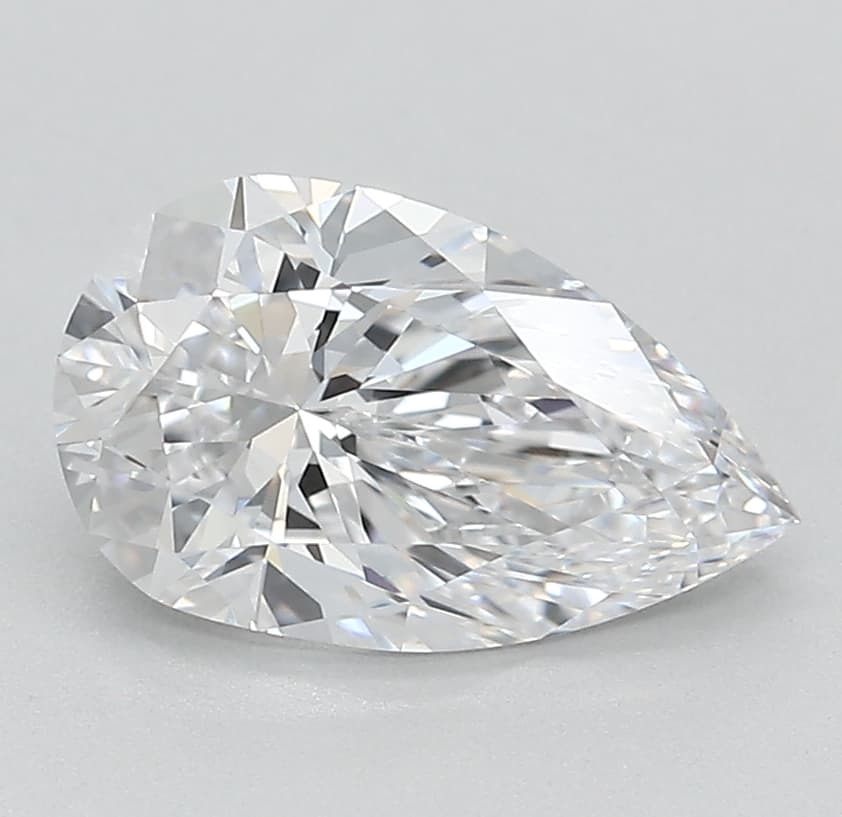
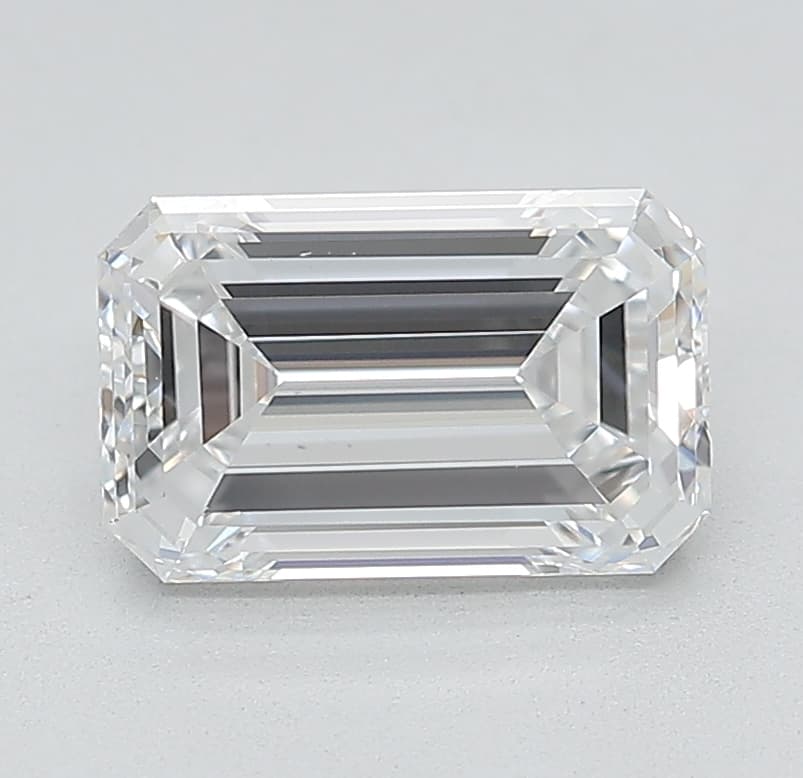
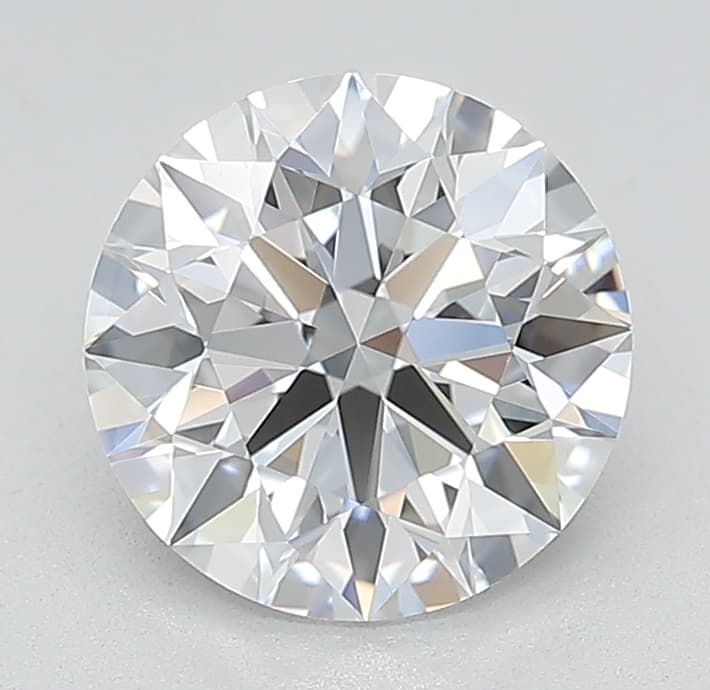
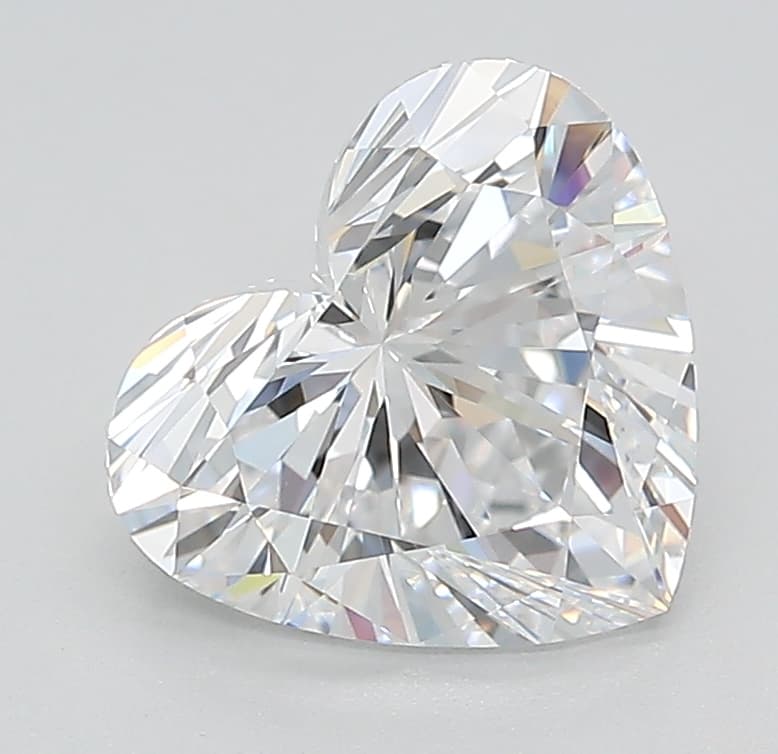
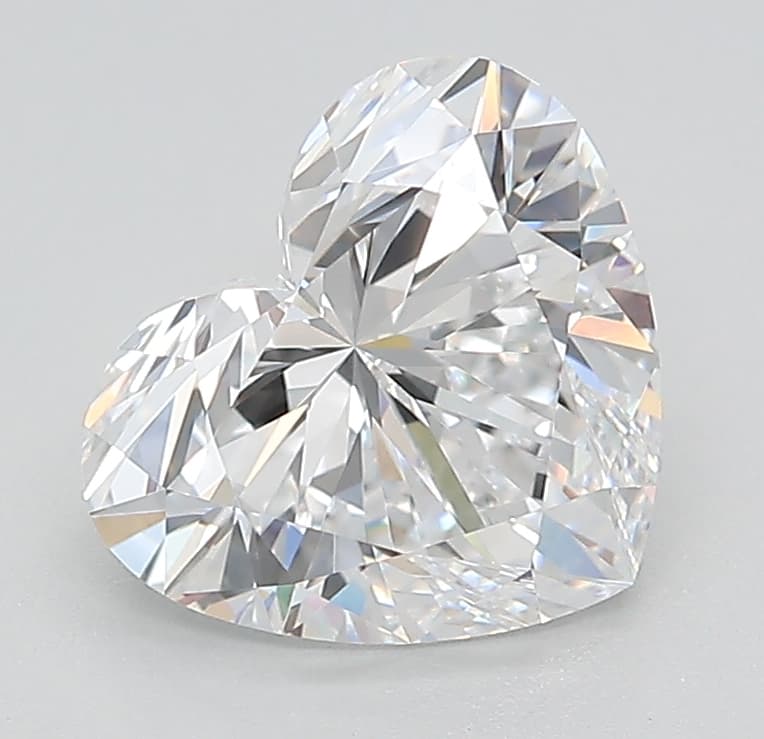
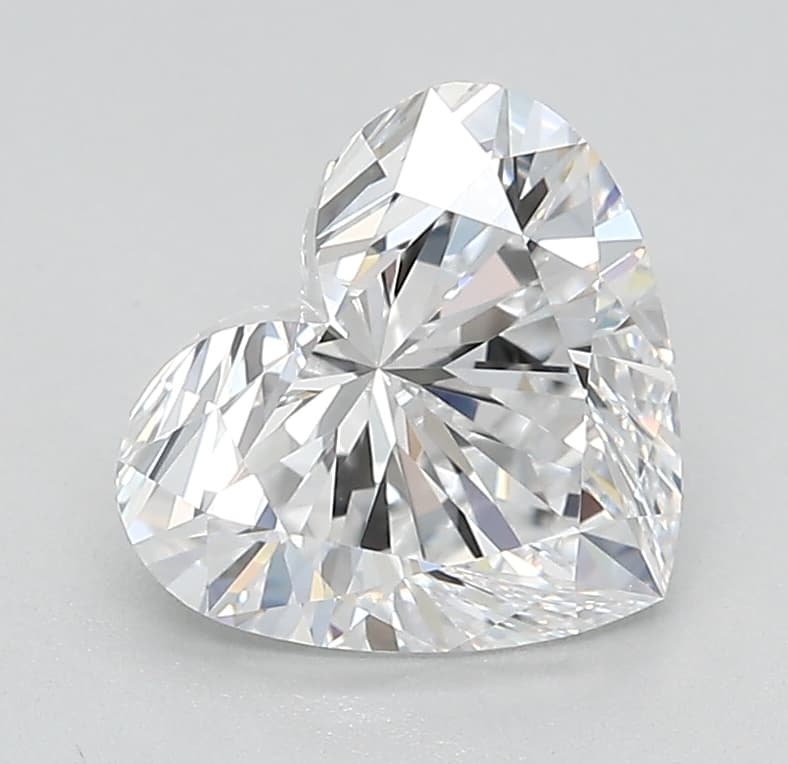
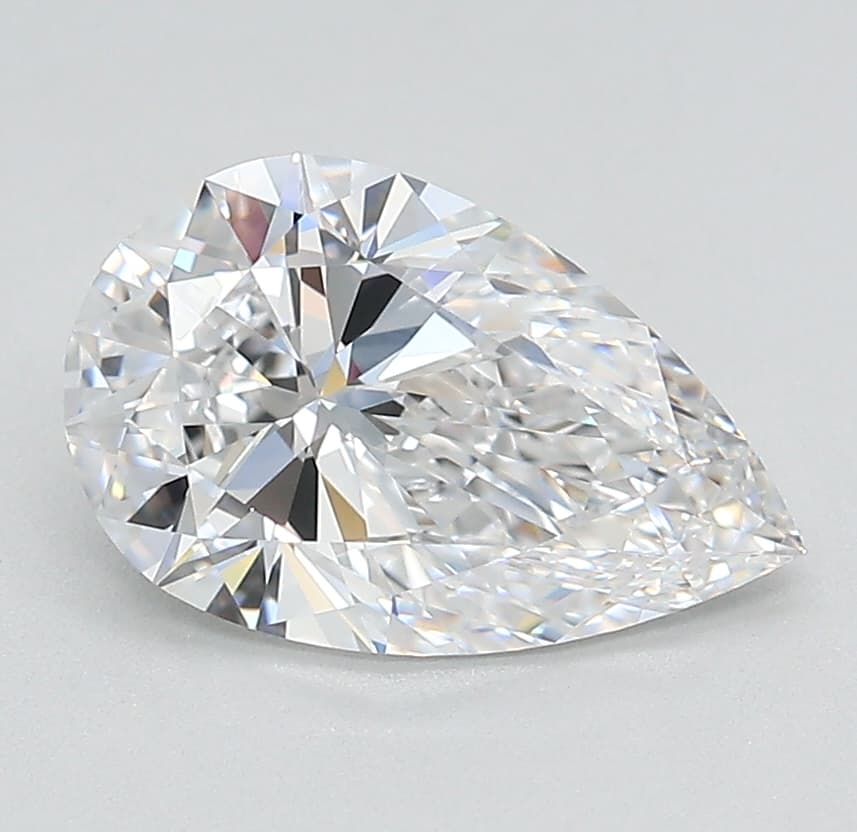
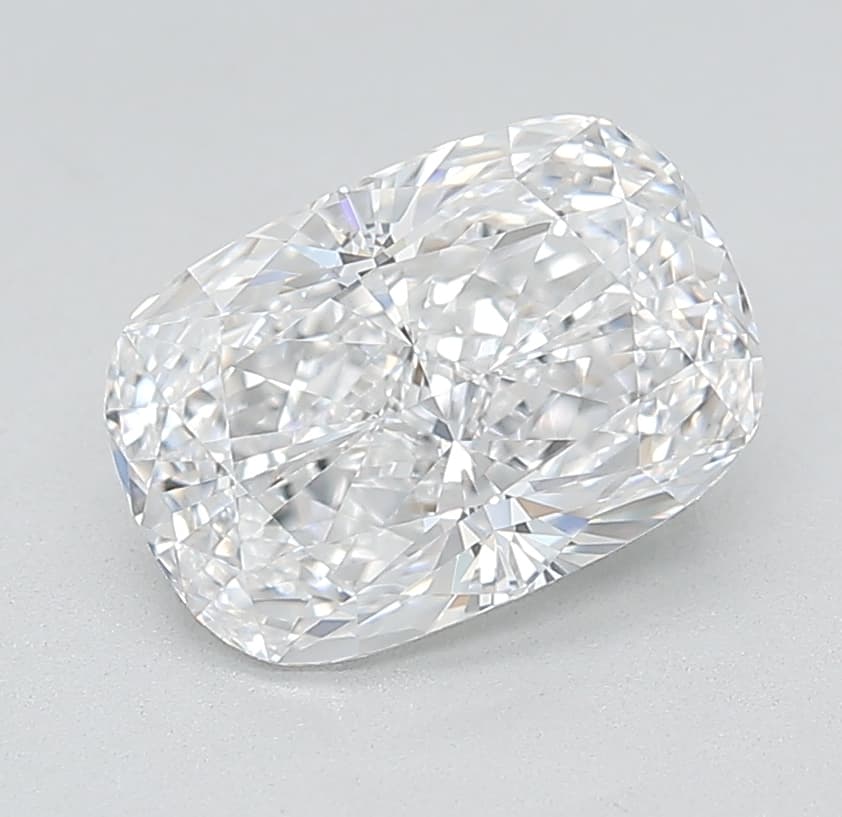
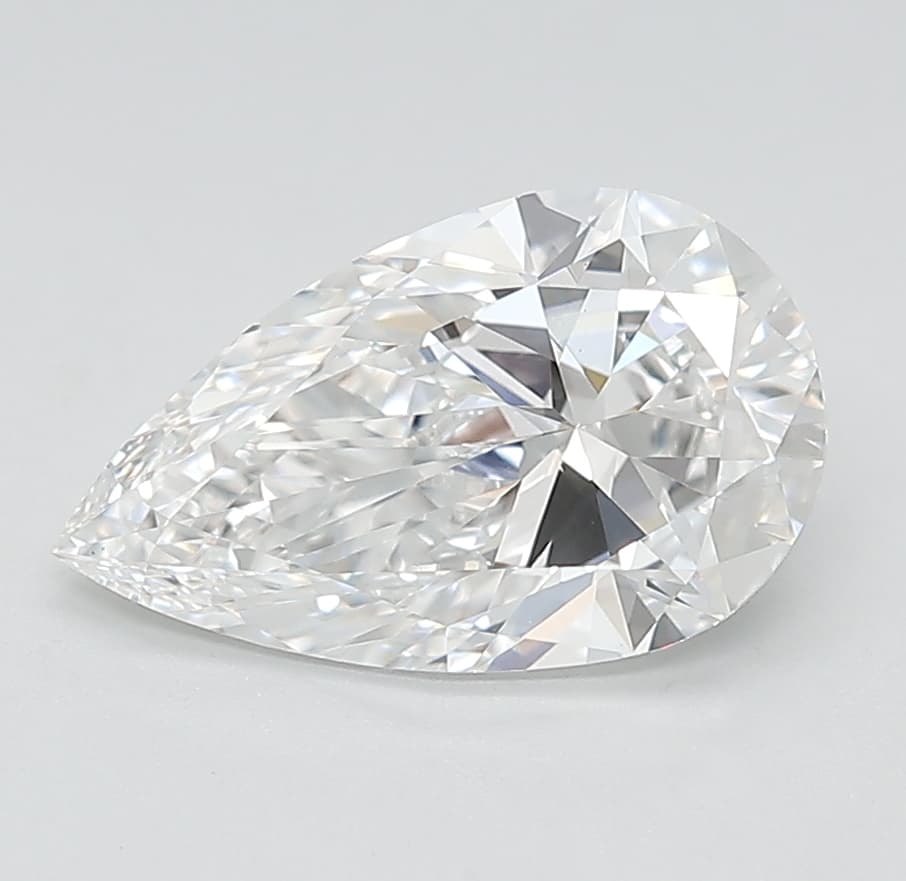
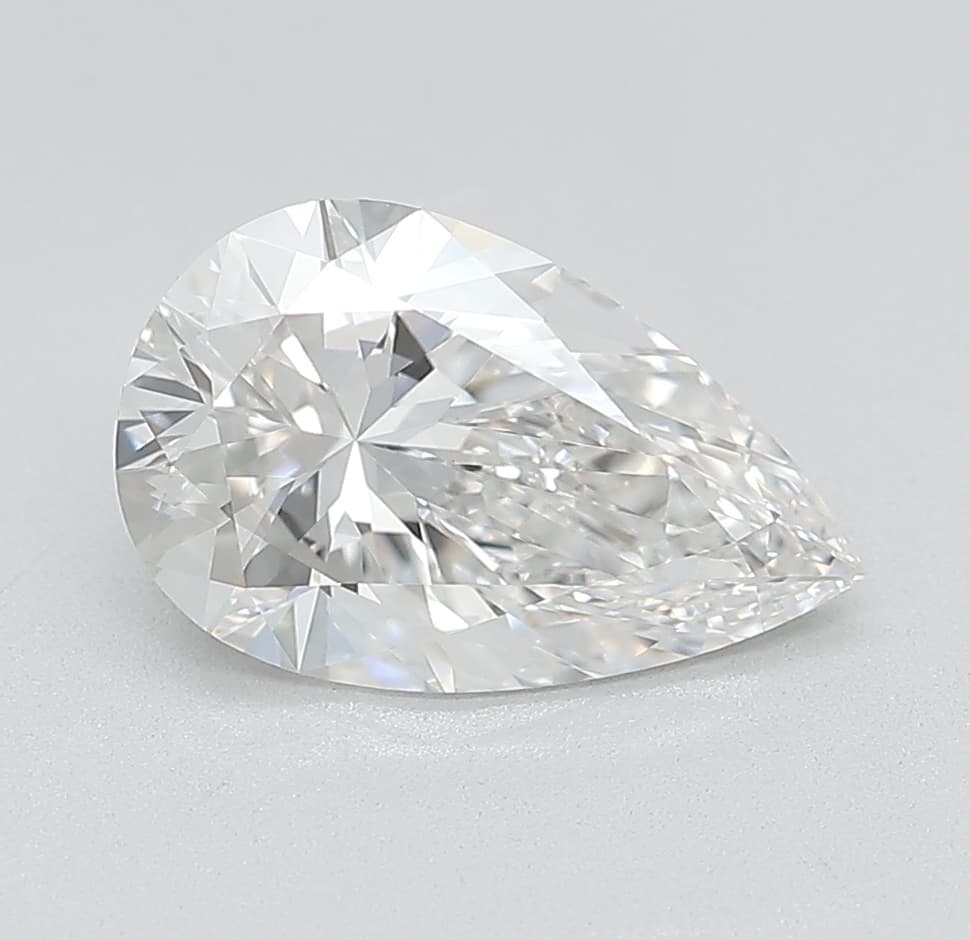
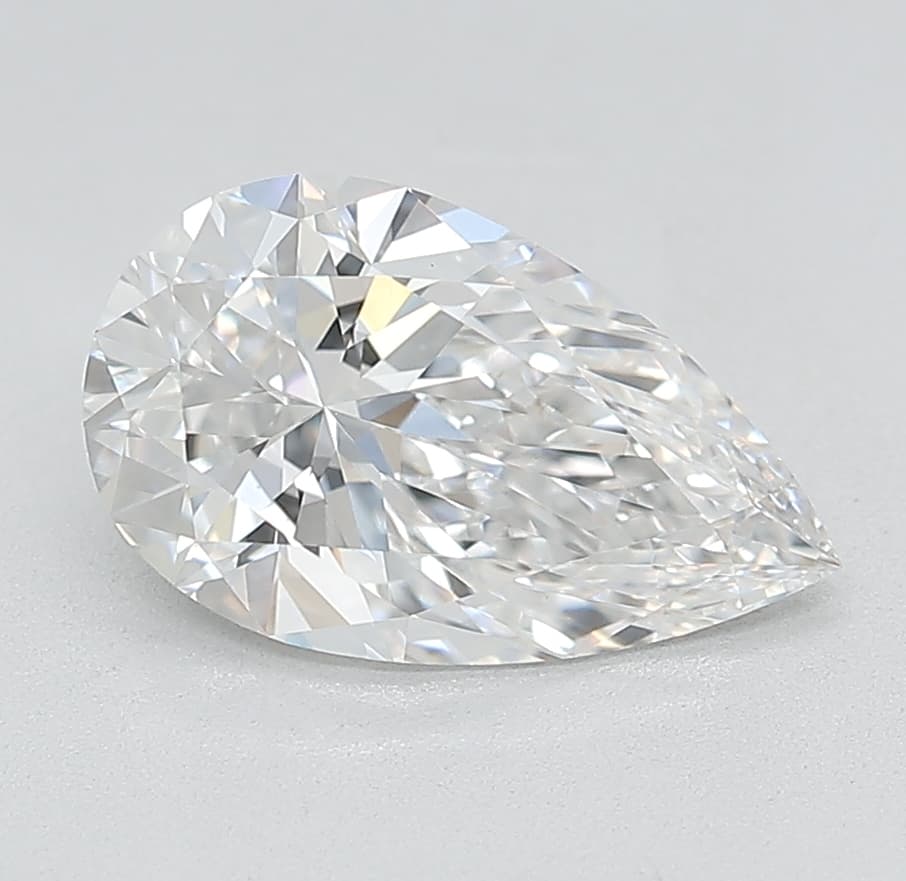
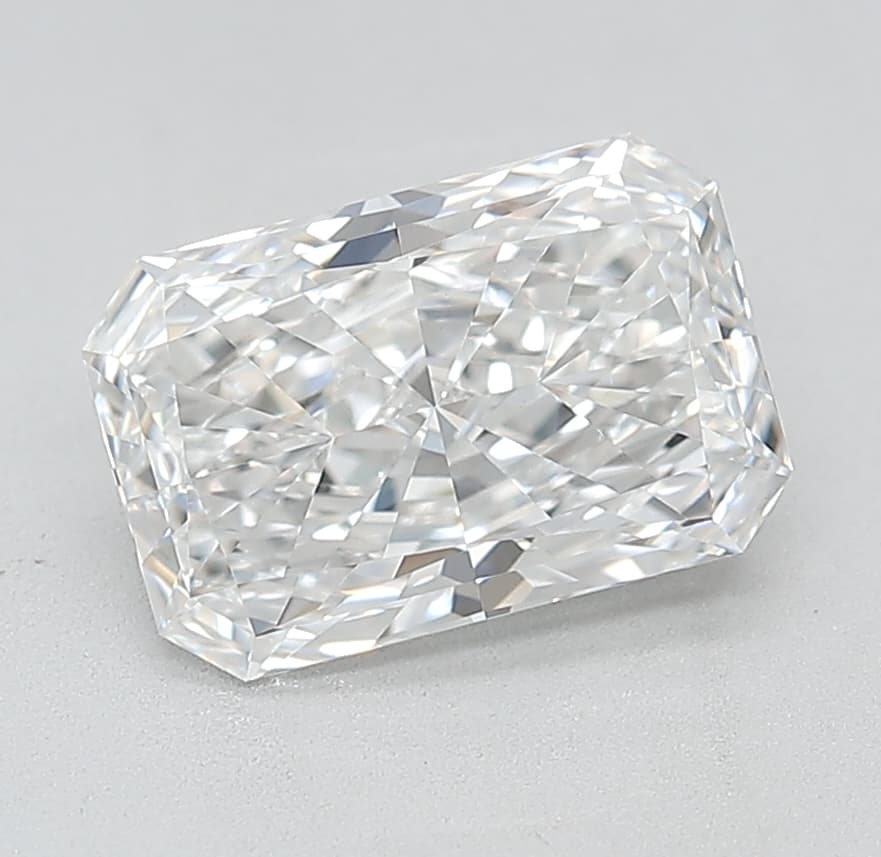
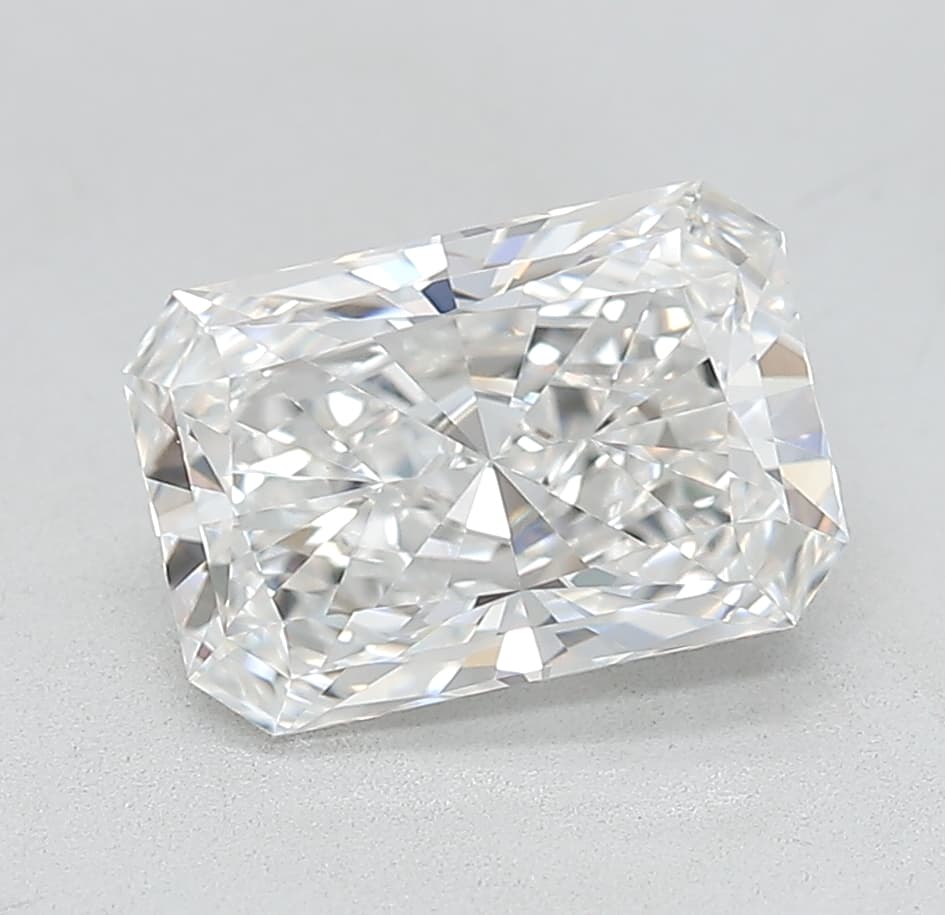
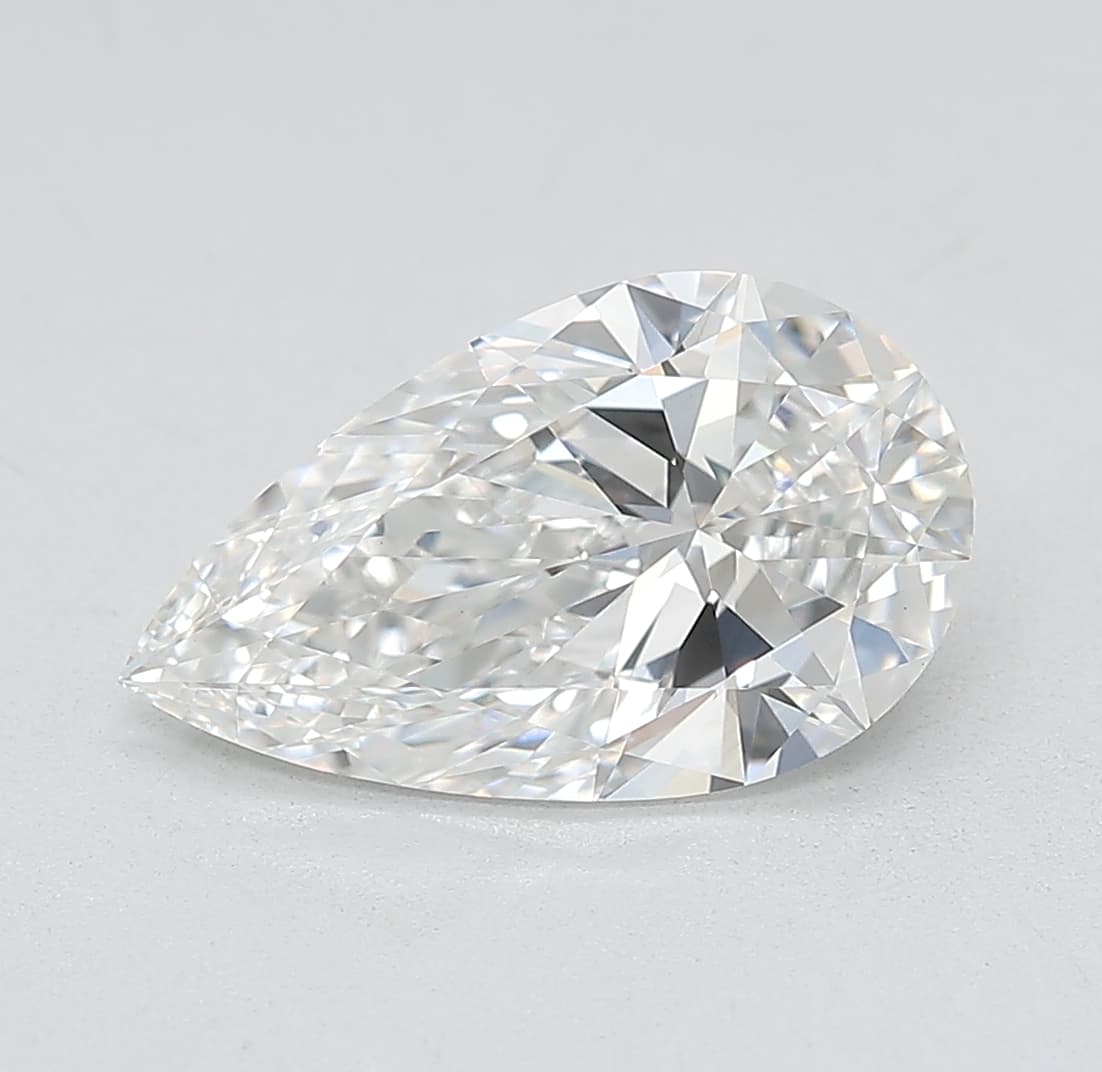
If you are choosing a stone now, the video on a stone page, where there is one, shows how it looks in real light, and our diamond specialists can answer questions about any stone's report. The stones below are colorless D to E lab-grown diamonds from both growth methods.
Frequently asked questions
Do lab-grown diamonds get cloudy over time?
No. The diamond itself does not change. A ring looks cloudy when a film of oil, soap and lotion builds up on the stone, especially underneath. Cleaning it with warm soapy water and a soft brush brings the sparkle back.
Do lab-grown diamonds turn yellow or lose their color?
No. A lab-grown diamond keeps the color it was graded with. A small number of stones can shift color slightly for a while after strong UV light or heat, and they return to normal in ordinary light. Labs condition stones before grading for this reason.
Why does my diamond glow under a black light?
That is fluorescence: some diamonds give off visible light while ultraviolet light shines on them. It stops as soon as the UV is gone and does not change the stone’s color. An IGI report grades it from None to Very Strong; GIA’s assessment since October 2025 does not.
How do I stop my diamond from looking dull?
Clean it regularly with warm water, a little mild dish soap and a soft toothbrush, working under the stone and around the prongs. Remove rings before applying lotion or sunscreen, and have a jeweler clean and check the setting about once a year.
Glossary terms in this article
More on Buying & Care in the journal.