Buying & Care
Can a Diamond Chip? Hardness vs Toughness Explained
By the Vanora Diamond team
Published Last reviewed 5 min read

Quick answer
Yes, a diamond can chip. Diamond is the hardest gem material, so almost nothing scratches it, but hardness is not the same as toughness: a sharp knock at the wrong angle can chip a point, a corner or a very thin girdle. Lab-grown and mined diamonds behave the same way, and protective settings and simple care keep chips rare.
Hardness, toughness and stability are three different things
Diamonds have a reputation for being indestructible. They are extremely durable, but durability is really three separate properties, and diamond scores differently on each:
- Hardness is resistance to scratching. Diamond is the top of the scale.
- Toughness is resistance to chipping and breaking when struck. Diamond is good, not exceptional.
- Stability is resistance to light, heat and chemicals. Diamond is stable in everyday life.
Mixing these up causes most of the confusion. A diamond will not scratch from everyday contact, but it can chip from one hard knock. Knowing which is which tells you how to protect it.
| Compared | What it means | How diamond does |
|---|---|---|
| Hardness | Resistance to scratching | 10 on the Mohs scale, the top |
| Toughness | Resistance to chipping and breaking | Good, but it can split along cleavage planes |
| Stability | Resistance to light, heat and chemicals | Stable in everyday wear; take care with very high heat |
Hardness: why diamonds resist scratches
Hardness is measured on the Mohs scale, which ranks minerals from 1 (talc) to 10 by which one can scratch another. Diamond sits at 10: only another diamond can scratch it. Everyday dust, which contains quartz at 7, can slowly dull softer gems, but it cannot scratch a diamond.
The Mohs scale is a ranking, not an even ruler, and the step from 9 (corundum, the mineral of ruby and sapphire) to 10 is far larger than the steps below it. That is why the facet edges of a diamond stay crisp for decades, while softer stones worn every day can show rounded, scuffed edges.
One practical point follows: diamonds can scratch each other, and they can scratch other jewelry. Store diamond pieces separately, not loose together in a box.
Toughness: why a hard stone can still chip
Toughness is about what happens when something hits the stone. A diamond is a crystal, and its atoms are arranged in a regular pattern that has planes of weakness, called cleavage planes. A sharp blow that happens to line up with one of them can split off a piece, the way a log splits along its grain.
This is why a diamond that cannot be scratched by a steel file can still chip if it is knocked against a stone countertop or a car door at the wrong angle. Chips are not common, but they happen, and they are almost always caused by a single hard impact rather than everyday wear.
Lab-grown diamonds are diamond in every physical sense: the same carbon crystal, the same hardness and the same cleavage. They are neither more fragile nor tougher than mined diamonds. Our lab-grown vs natural guide explains what the two share.
Where diamonds chip
Chips nearly always start at a thin or exposed edge:
- Points. The tip of a pear, both ends of a marquise and the point of a heart are thin and stick out.
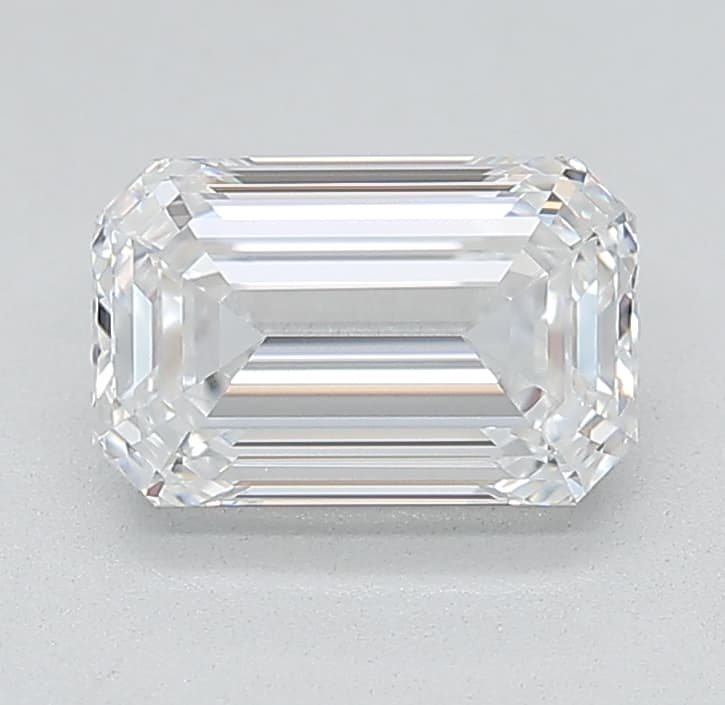
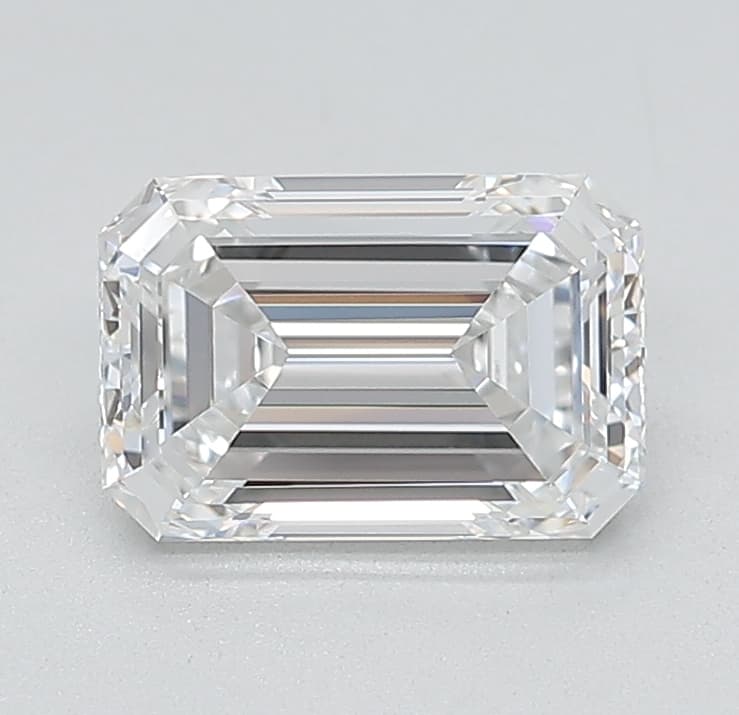
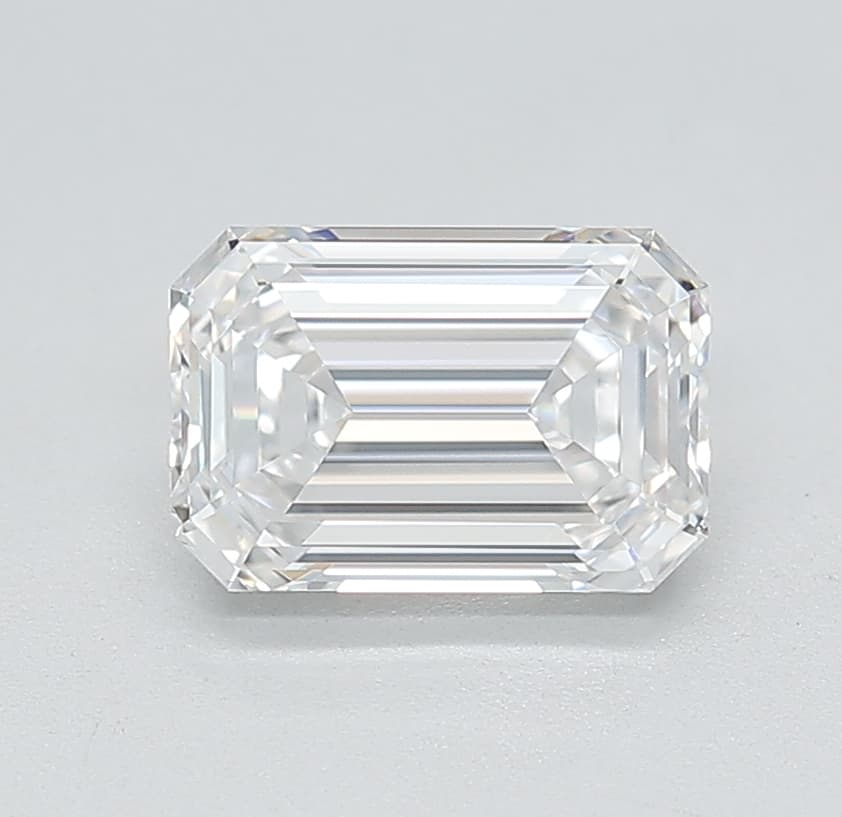
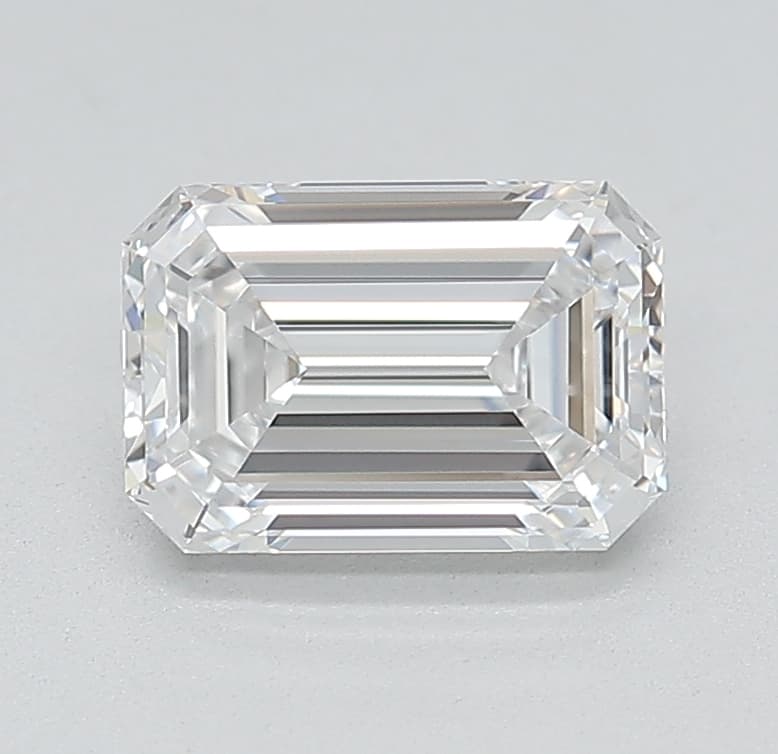
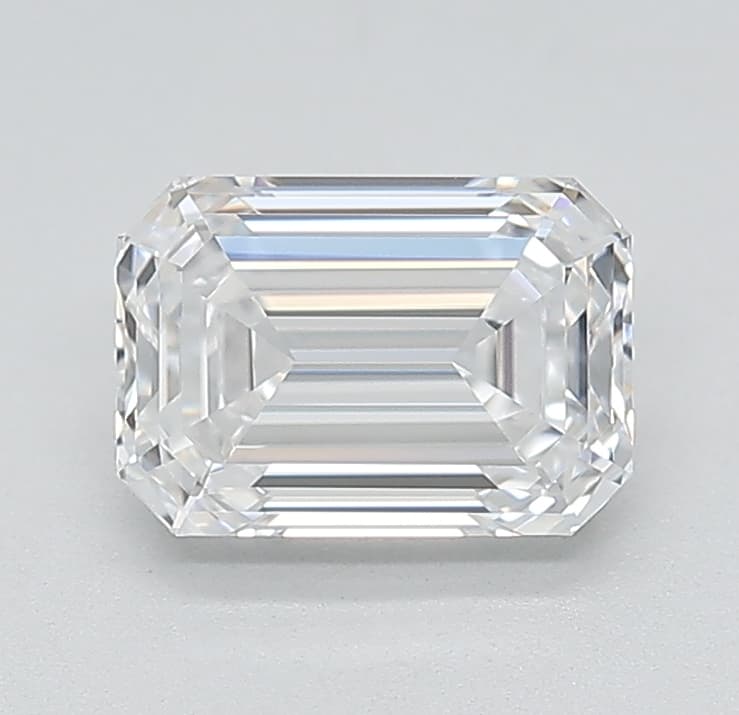
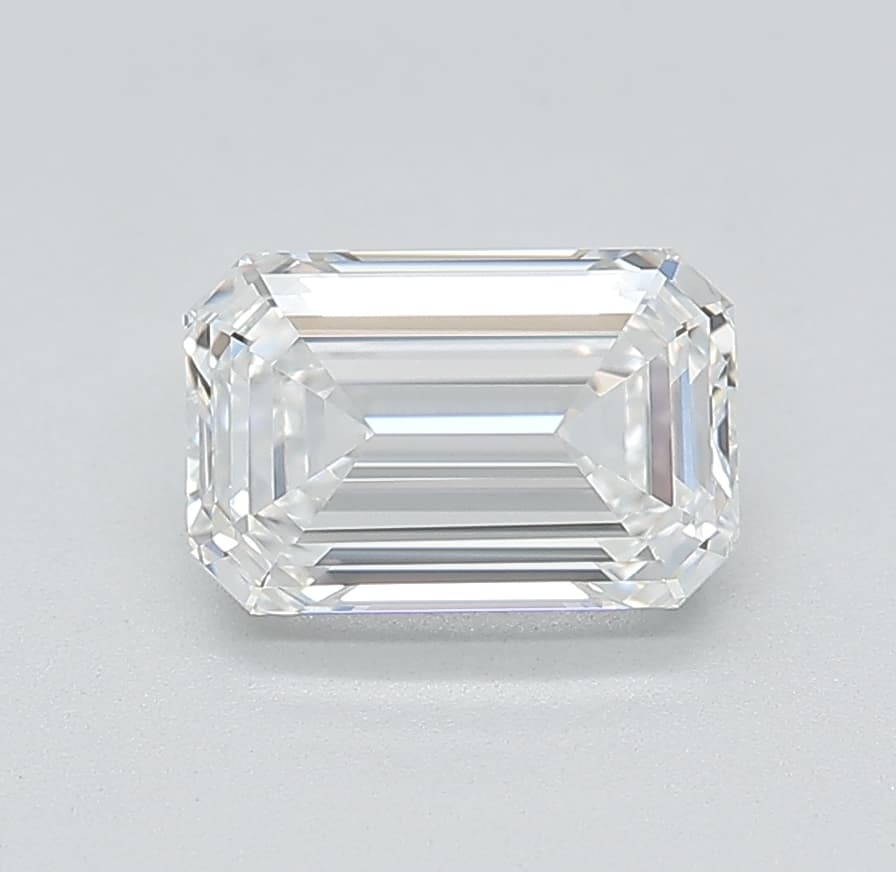
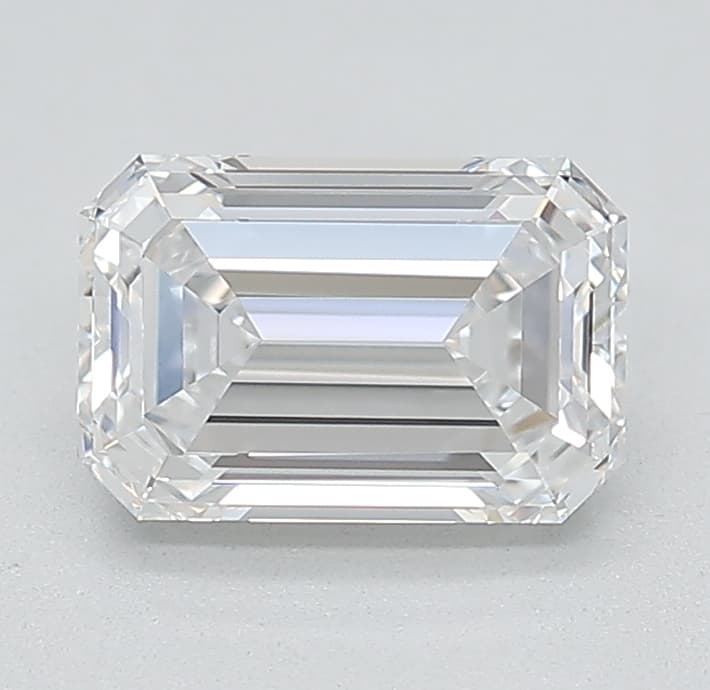
- Sharp corners. A princess cut has four sharp corners. Emerald, radiant and asscher cuts have their corners cut off, which makes them less vulnerable.
- Thin girdles. The girdle is the narrow band around the widest part of the stone, and the report grades its thickness. A very thin or extremely thin girdle is close to a knife edge and is the most likely place for a chip on any shape.
- Inclusions that reach the surface. A feather, a small internal break, that reaches the surface near the girdle can make that spot weaker.
At the other end of the scale, a very thick girdle is strong but adds weight that does not show face-up. Medium to slightly thick is a sensible middle. Our post on girdle and culet explains how to read the girdle line on a report.
| Girdle | What it usually means |
|---|---|
| Extremely thin | A knife edge, the most easily chipped |
| Very thin | Can chip, especially at points and corners |
| Thin | Generally fine, set with care |
| Medium | Durable, with little hidden weight |
| Slightly thick | Durable, with a little extra weight |
| Thick | Durable; some weight that adds nothing face-up |
| Very thick | Noticeable hidden weight; looks smaller for its carat |
| Extremely thick | A lot of hidden weight; looks small for its carat |
How settings protect a diamond
The setting is the diamond's first line of defense. Ask your jeweler about:
- V-prongs over the point of a pear, heart or marquise and over the corners of a princess cut, so a knock lands on metal instead of the stone.
- Bezels, a thin rim of metal around the whole edge, which protect the girdle all the way round. See bezel settings.
- Six prongs instead of four on a ring worn every day; see four vs six prongs.
- Setting height. A lower setting catches less on clothes and door frames.
Choosing a stone without a very thin girdle helps too. The stone pages in our catalog of lab-grown diamonds show the girdle thickness when the report states it, so you can check it before you buy.
What to do if a diamond chips
If you notice a small nick on a point or a rough spot on the edge, stop wearing the ring and take it to a jeweler. A chipped edge is weaker than before and can grow with another knock.
What happens next depends on the size and place of the chip:
- A tiny chip under a prong can sometimes be covered by reshaping or rebuilding the prong over it, with no work on the stone.
- A visible chip can usually be polished out by a diamond cutter. The stone loses a little weight, and its measurements and possibly its clarity change, so it may need to be graded again to match a new report.
- A large chip or a crack may mean recutting the stone to a smaller size, or replacing it.
Keep the grading report and the appraisal with your insurance papers, since they describe the stone as it was. If the diamond came from us, a diamond specialist can help you with the details of the original report.
Stability and everyday care
Diamond is stable in normal life: light, water, soap and household cleaners do not harm it. Very high heat is the exception. A jeweler's torch held on the stone during a repair, or a house fire, can damage the surface, so tell your jeweler the ring contains a diamond before any repair work, and let them decide whether to remove the stone first.
Simple habits prevent most damage:
- Take your ring off for heavy work, the gym, gardening and moving furniture.
- Store pieces separately so diamonds do not scratch each other or other jewelry.
- Clean it gently; our post on cleaning a diamond ring has a safe routine.
- Have the prongs checked by a jeweler from time to time.
- Insure it. Accidents happen; see insuring a lab-grown diamond.
Nothing in daily life scratches a diamond, but one hard knock on a point or a thin edge can chip it. Protective prongs, a sensible girdle and taking the ring off for heavy work prevent most chips.
Frequently asked questions
Can a lab-grown diamond chip?
Yes, in the same way as a mined diamond. Both are 10 on the Mohs hardness scale, so they resist scratches, but a hard knock at the wrong angle can chip a point, a sharp corner or a very thin girdle. Protective settings make this rare.
Are lab-grown diamonds as durable as natural diamonds?
Yes. A lab-grown diamond is the same carbon crystal as a mined diamond, with the same hardness, toughness and stability. It wears the same way, scratches no more easily and needs the same care and protective settings.
Can a diamond scratch?
Only another diamond can scratch a diamond. Everyday dust and household surfaces cannot. Diamonds can, however, scratch each other and other jewelry, so store diamond pieces separately rather than together in one box.
Which diamond shapes chip most easily?
Shapes with points or sharp corners: pears, marquises, hearts and princess cuts. Their tips and corners are thin and exposed. V-prongs or a bezel over those points protect them. Shapes with cut corners, such as emerald and radiant cuts, are less vulnerable.
Glossary terms in this article
More on Buying & Care in the journal.