Buying & Care
Same 4Cs, Different Prices: What Else Sets a Diamond’s Price
By the Vanora Diamond team
Published Last reviewed 5 min read

Quick answer
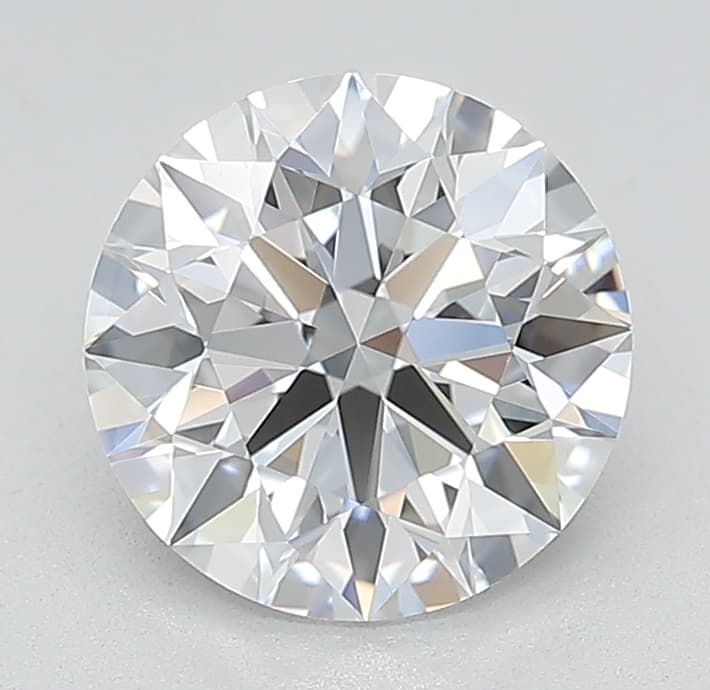
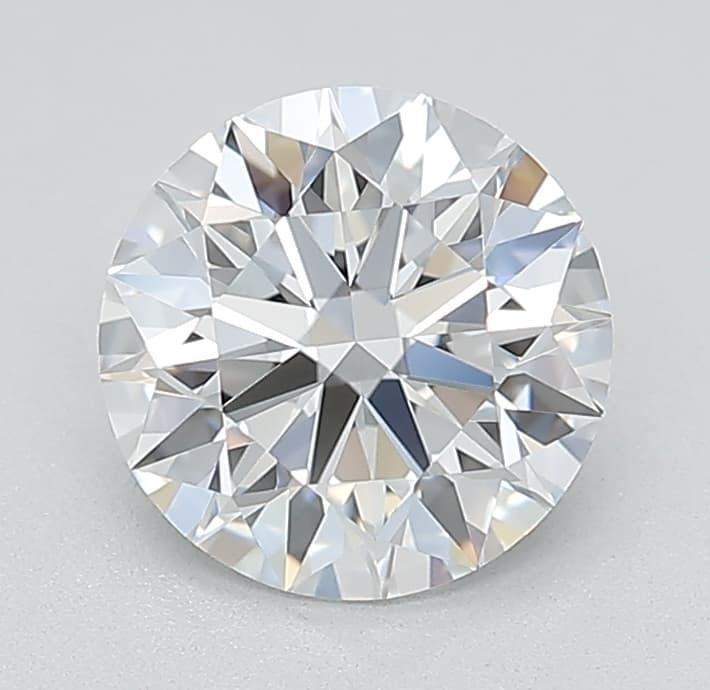
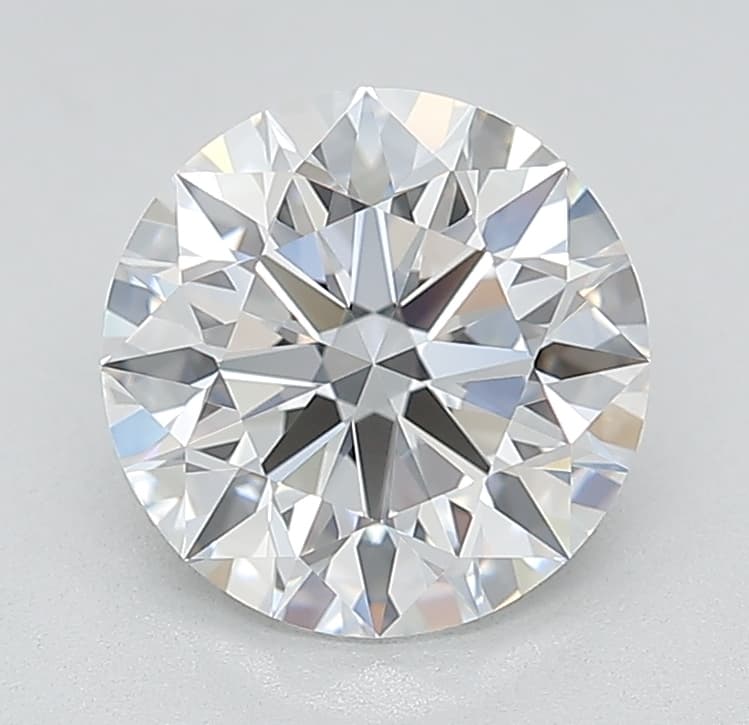
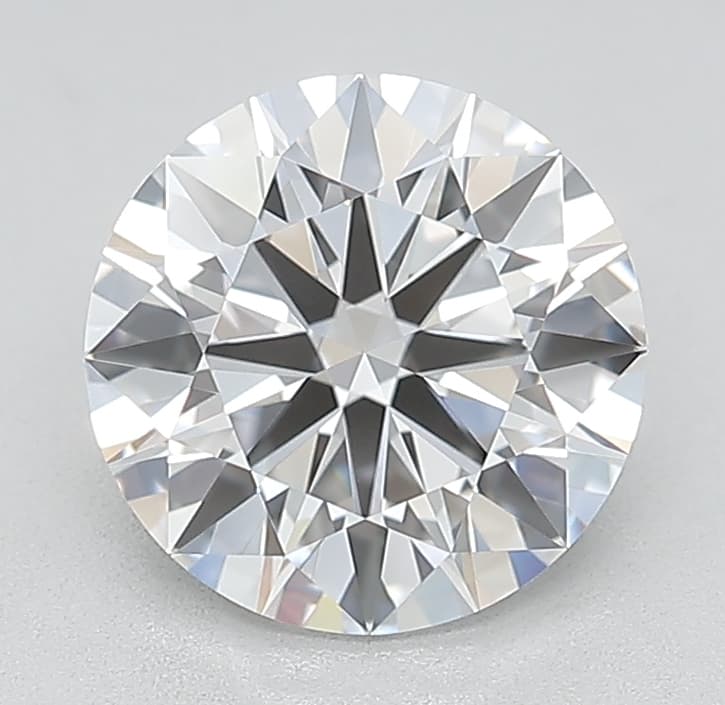
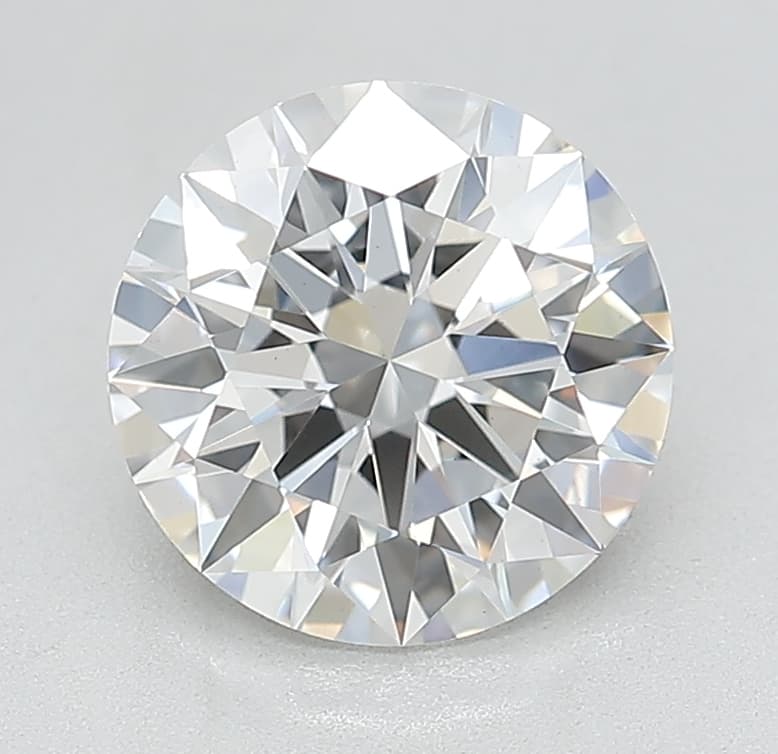
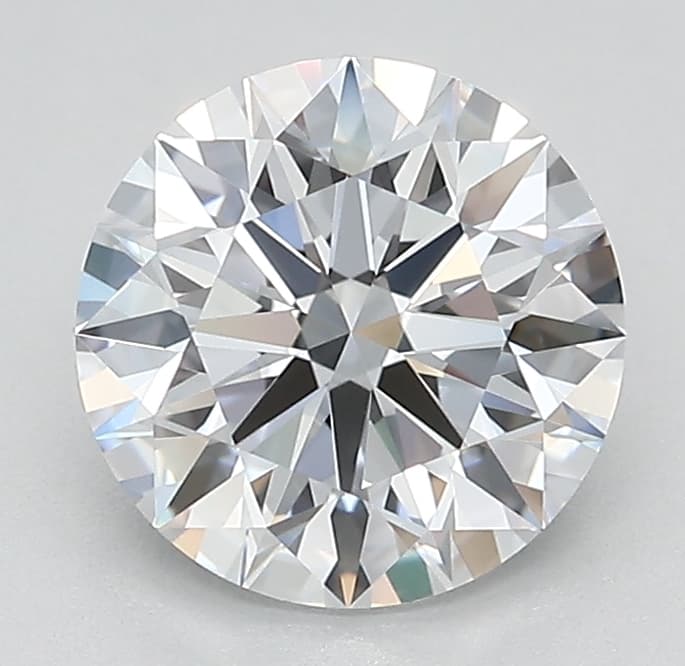
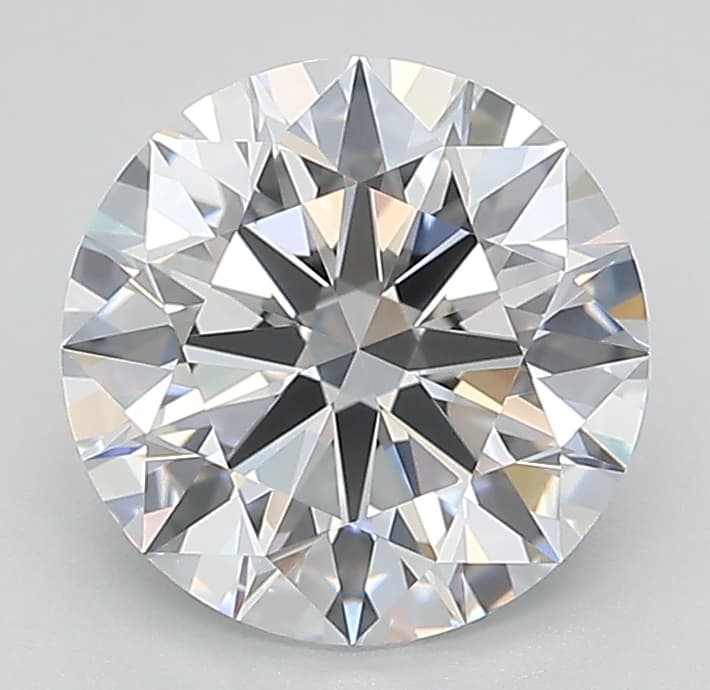
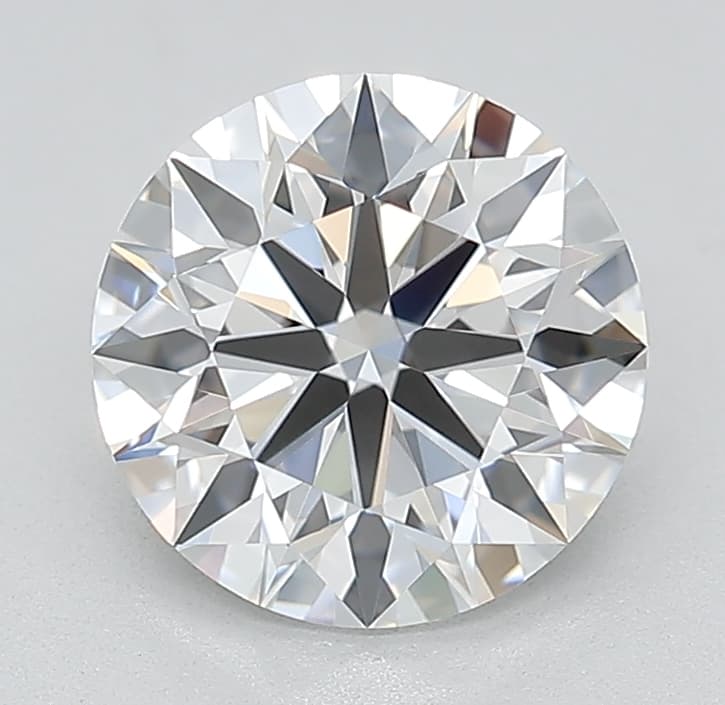
Two diamonds with the same carat, color, clarity and cut grade can still differ in price because the 4Cs leave out a lot: exact proportions and face-up size, where the inclusions sit, fluorescence, any tinge or haze, the outline, the lab that graded them and more. The grades are ranges, and two stones can sit at different ends of the same range. Compare the full report, the measurements and a video, not just the four headline grades.
The 4Cs are a summary, not the whole stone
The 4Cs, carat, color, clarity and cut, are the language everyone uses to describe a diamond, and they are the right place to start. But each one is a short label for something more detailed.
- Color is a grade band. Two F-color stones are both F, but one may sit close to E and the other close to G.
- Clarity says how easy inclusions are to see at 10x magnification, not where they are or what they look like.
- Cut has a well-established overall grade only for round brilliants. For most other shapes, how well the stone is cut shows in its proportions and outline more than in any single grade.
- Carat is weight, not size. Two stones of the same weight can look different sizes from the top.
So "same 4Cs" really means "inside the same four bands". A lot can vary inside those bands, and price reflects it.
- CutHow well the facets are proportioned, aligned and finished.Rounds: Ideal or Excellent to Poor
- ColorHow close a white diamond is to colorless.D (colorless) to Z
- ClarityInclusions and blemishes, judged at 10× magnification.FL to I3
- CaratWeight: one carat is 0.2 grams.To two decimals, e.g. 1.02 ct
What the 4Cs leave out
These are the details that most often separate two stones that look identical on paper.
- Proportions and spread. The table and depth percentages, crown and pavilion angles decide how bright the stone looks and how big it faces up. A deep stone hides weight underneath; a well-proportioned one of the same weight looks larger. See diamond spread.
- Where the inclusions are. A small crystal under the table is easier to see than the same crystal near the edge, even at the same clarity grade. Whether a stone is eye-clean matters more than the letter.
- Fluorescence. Many buyers prefer None or Faint, so those stones tend to be in more demand than stones graded Strong, even though the glow is rarely visible in normal light. Our post on fluorescence explains when it matters.
- Tinge or haze. A faint tinge of body color, or a slightly hazy look, is not part of the color or clarity grade, yet it changes how a stone looks.
- Polish and symmetry. Excellent and Very Good are both good grades; the difference is usually invisible, but it still affects price.
- Outline and ratio. For fancy shapes, the length-to-width ratio and how even the outline is change how a stone looks on the hand.
The paperwork and the stone’s story
Some differences have nothing to do with how the stone looks.
- The lab and the report type. IGI and GIA grade lab-grown diamonds differently. Since October 2025, GIA classifies colorless and near-colorless lab-grown stones as Premium or Standard instead of giving separate color and clarity grades, while IGI still gives full grades. Our post on GIA and IGI reports compares them.
- Growth method. Whether a stone was grown by CVD or HPHT does not make it better or worse, but some buyers have a preference, and availability differs between the two.
- Photos, video and the certificate PDF. A stone you can inspect in a sharp video is easier to judge, and easier to choose with confidence.
- Where the stone is. A stone already near you can be viewed sooner than one held in another country.
None of these is a reason to pay more on its own, but together they explain why identical grades rarely mean identical prices.
How to compare two stones like for like
When two stones look the same on paper and their prices differ, work through the stone pages side by side. Our compare view lines them up for you.
- Check the report. Confirm the lab, the report number and the date, and look the number up on the lab's own website.
- Compare the measurements. Length and width tell you face-up size; depth tells you how much weight sits underneath.
- Read the proportions. Table, depth, crown and pavilion angles for rounds; ratio and depth for fancy shapes.
- Look at the clarity details. Where are the inclusions? Is the stone marked eye-clean in our own assessment?
- Check fluorescence and tinge. Both are listed in the grading specifications on each stone page.
- Watch the video. Look for brightness, even sparkle, any dark areas and how the stone looks as it turns.
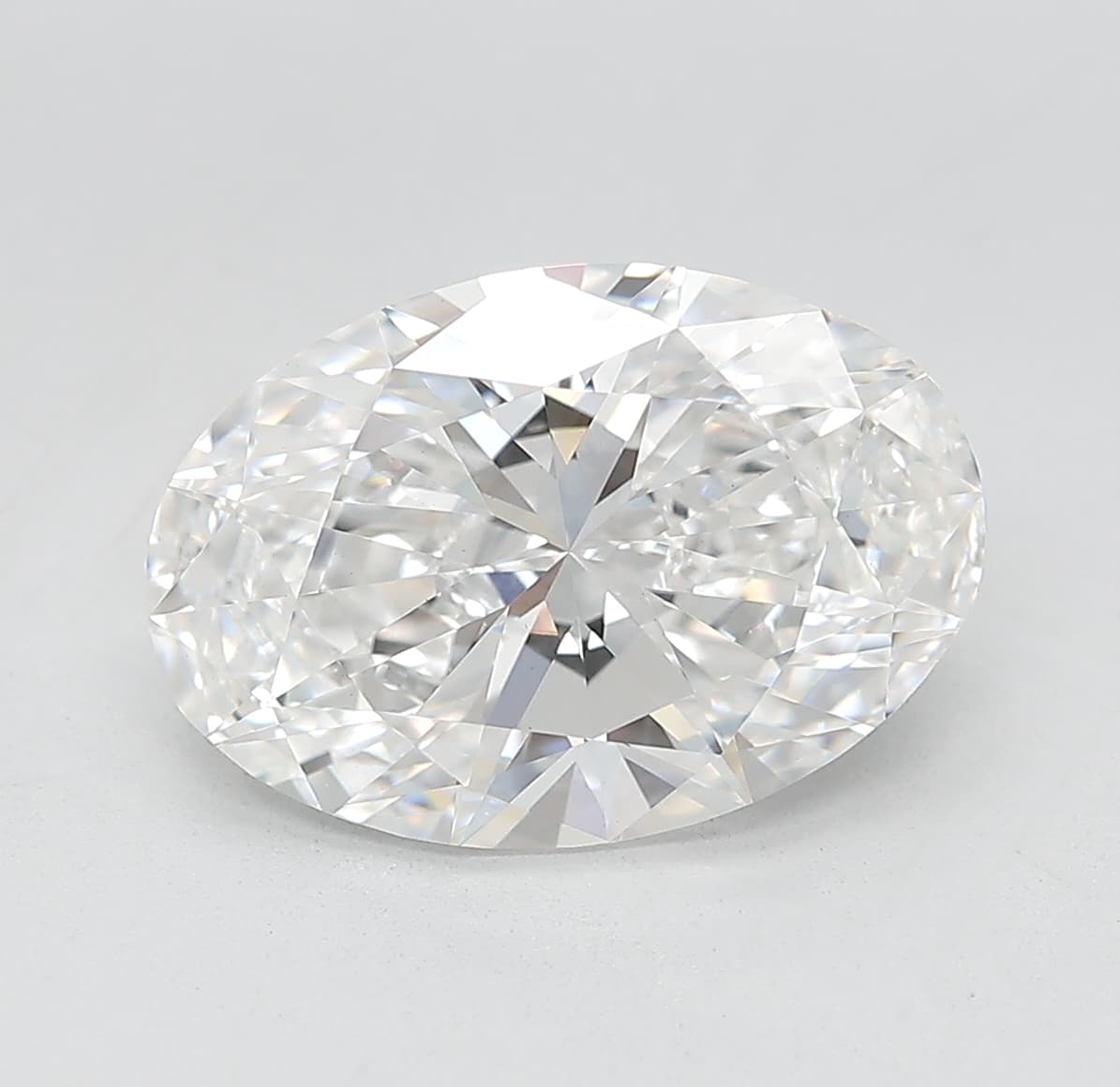
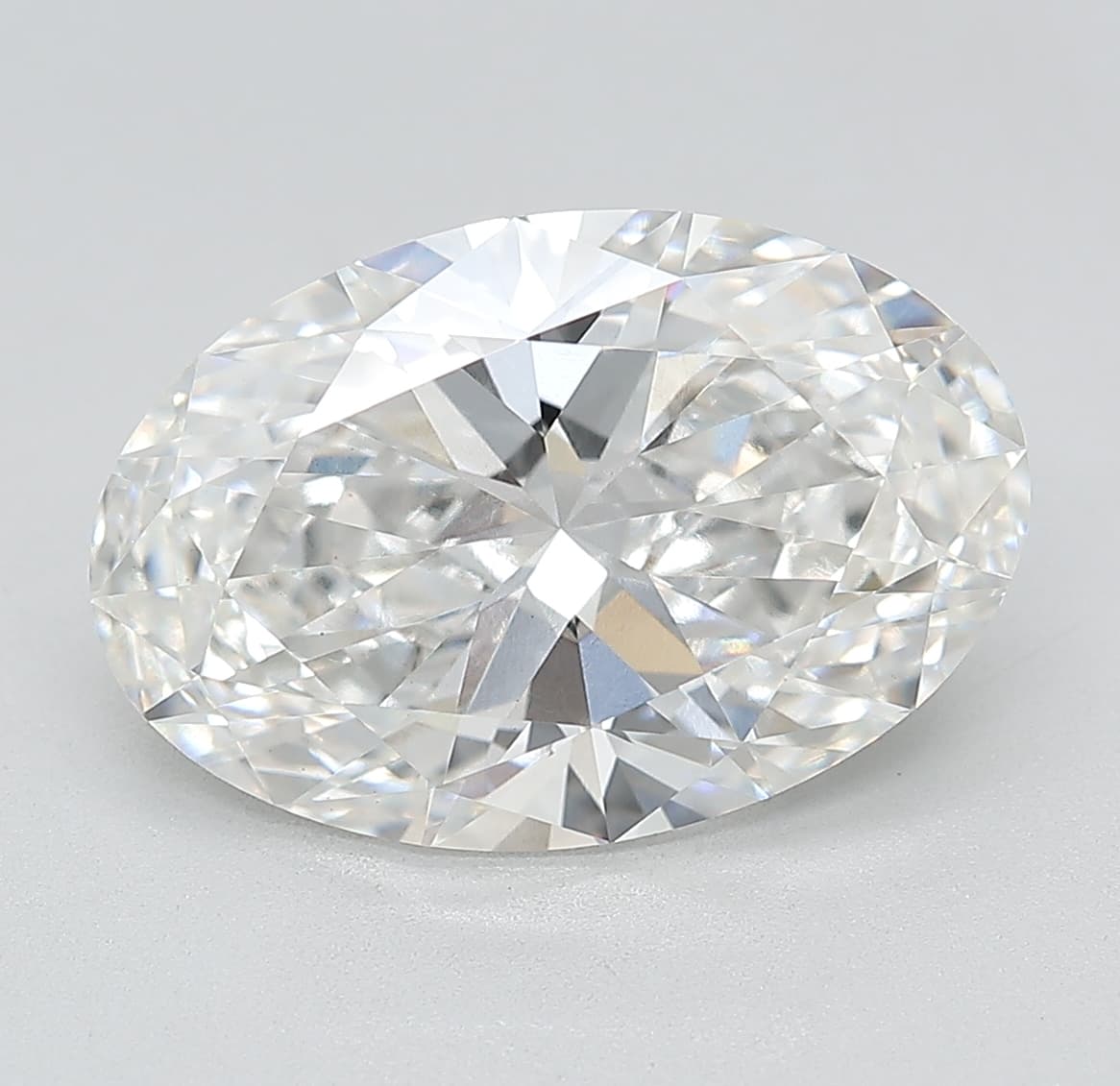
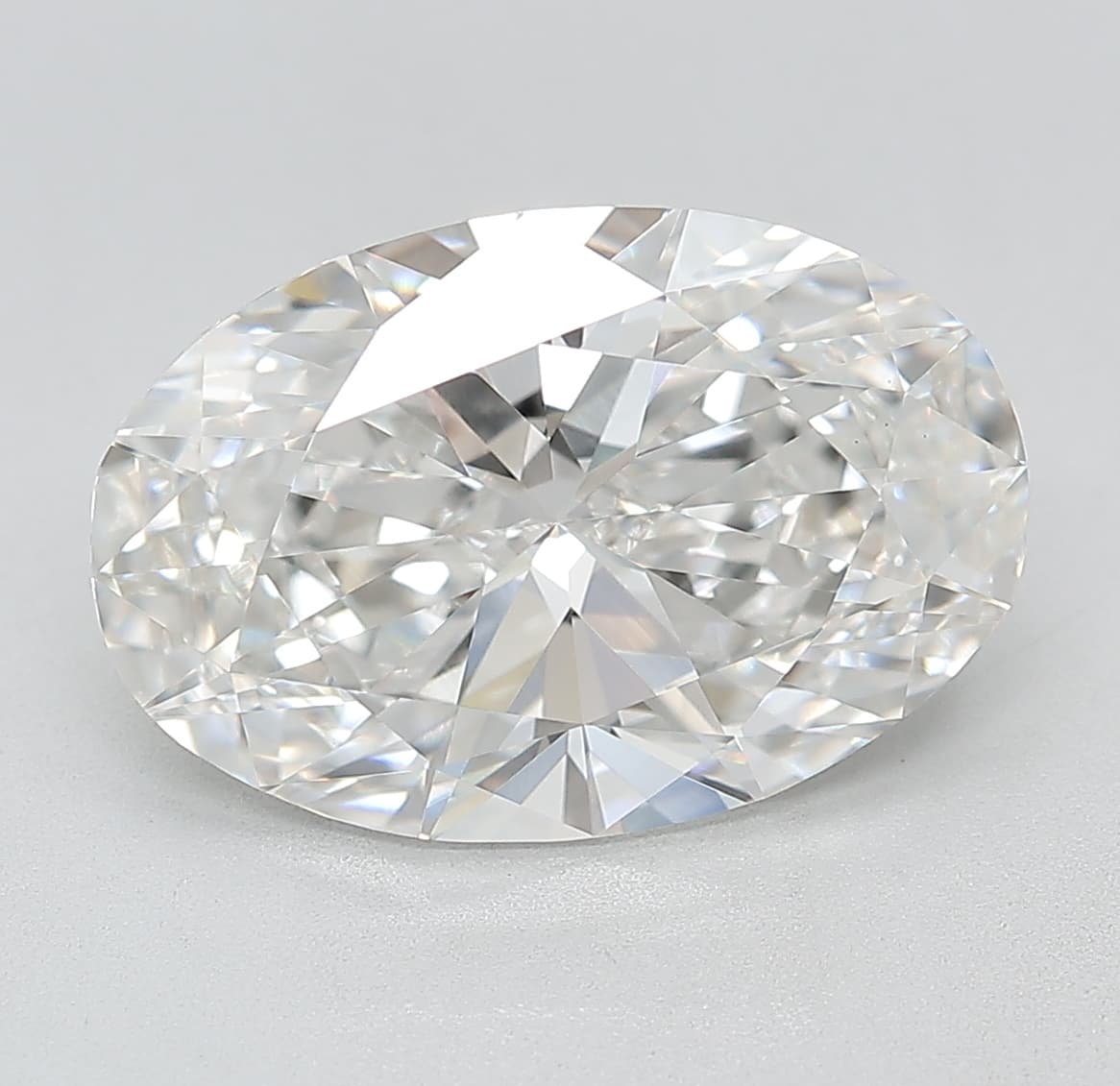
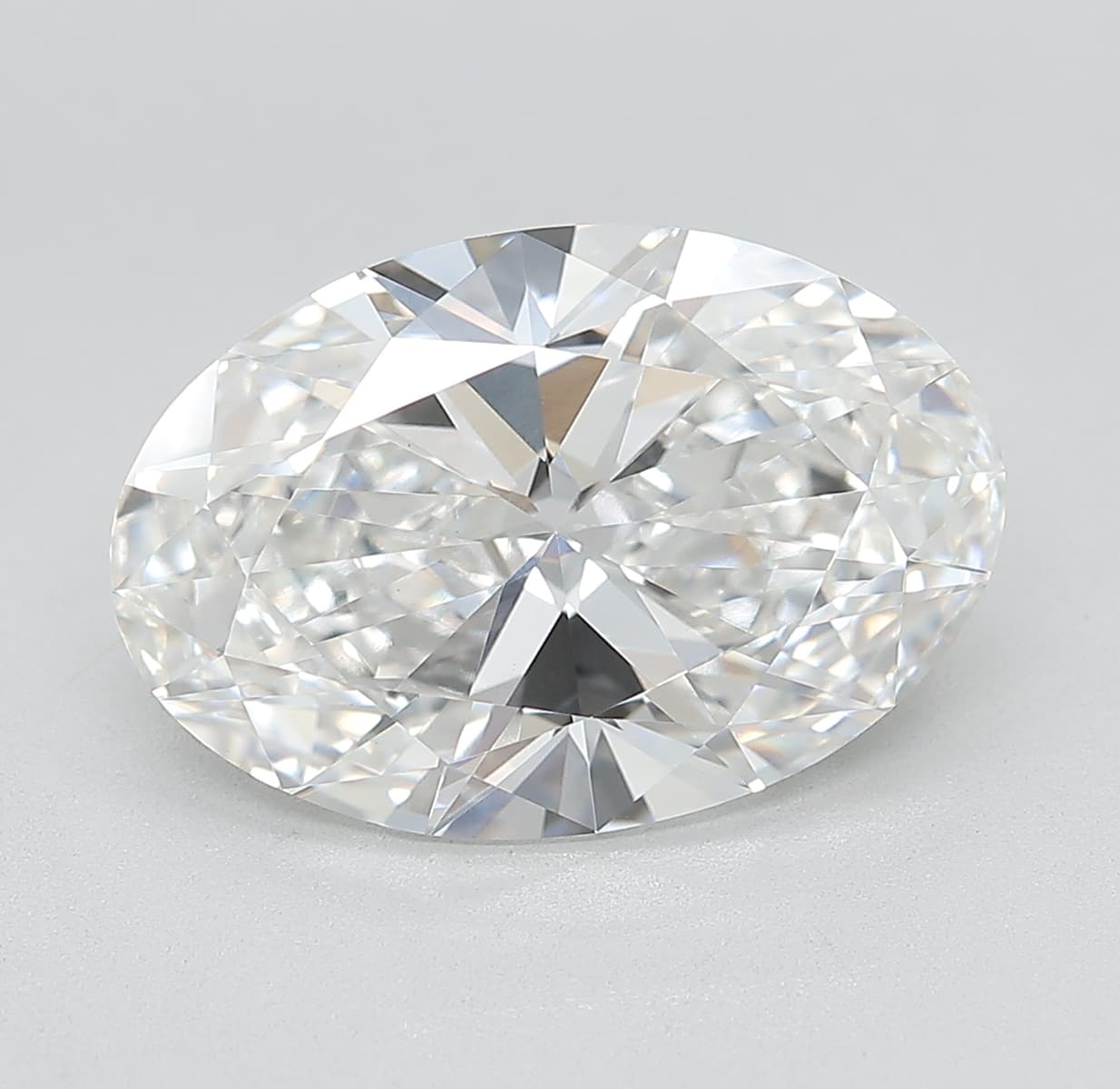
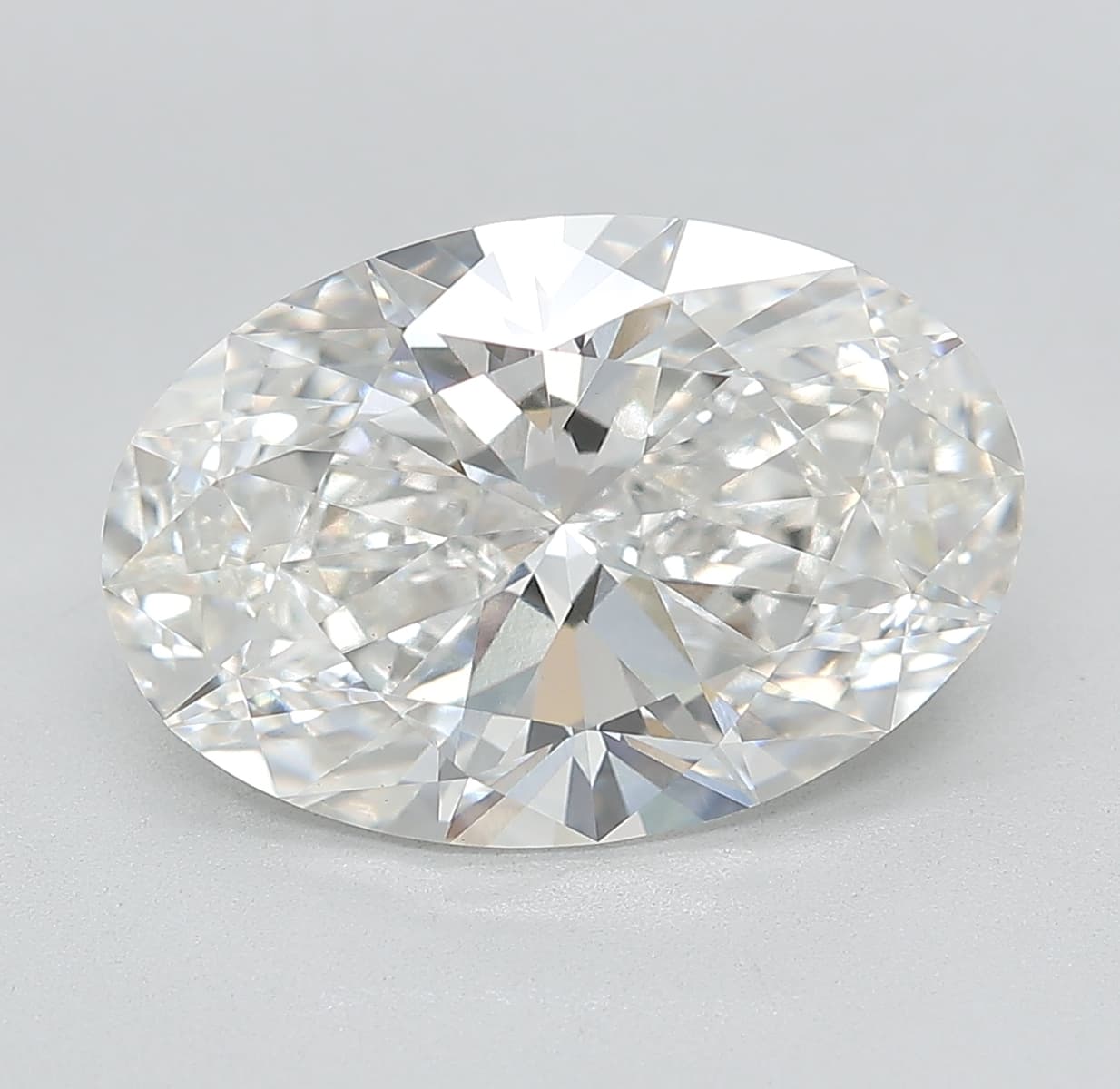
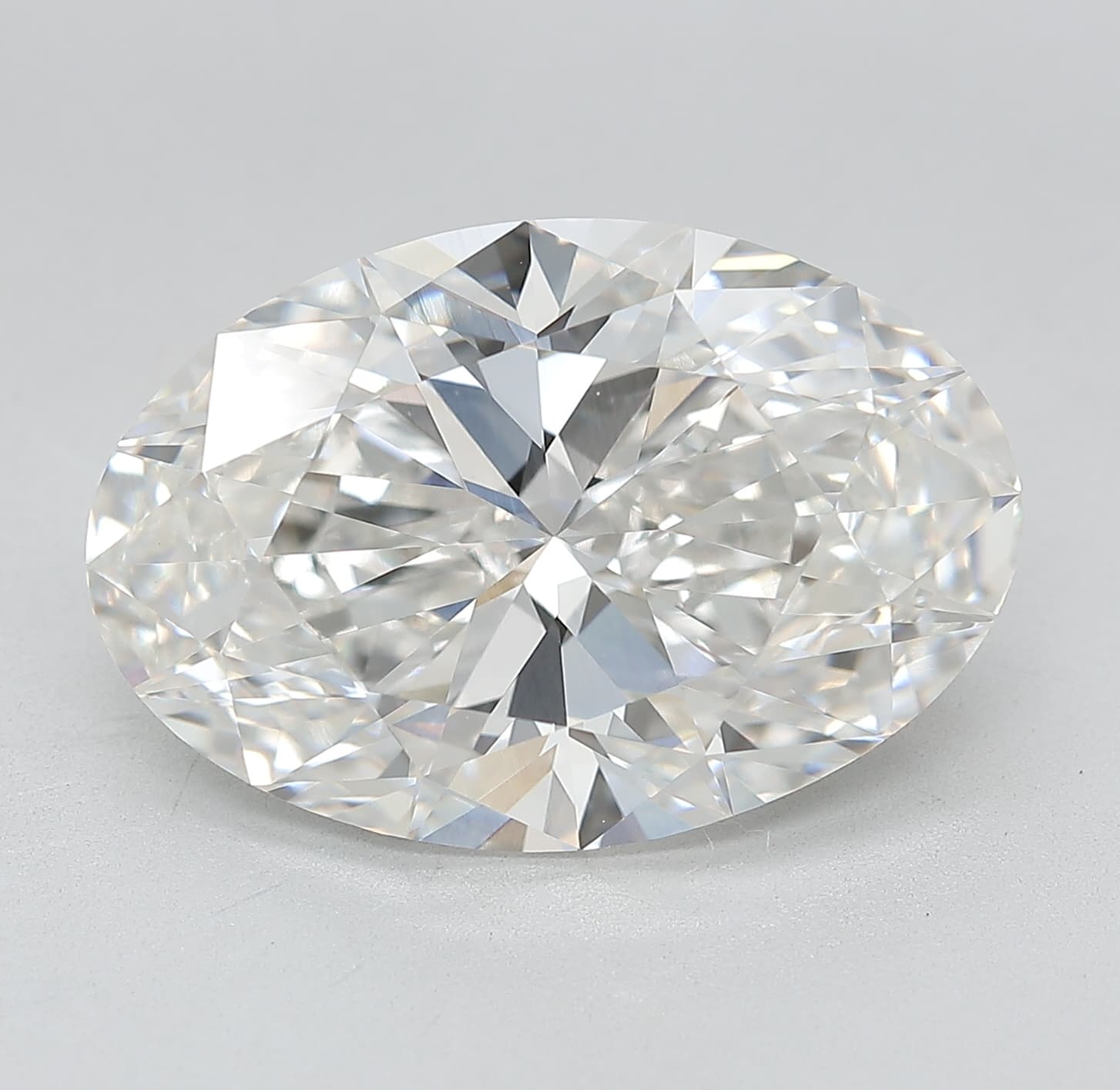
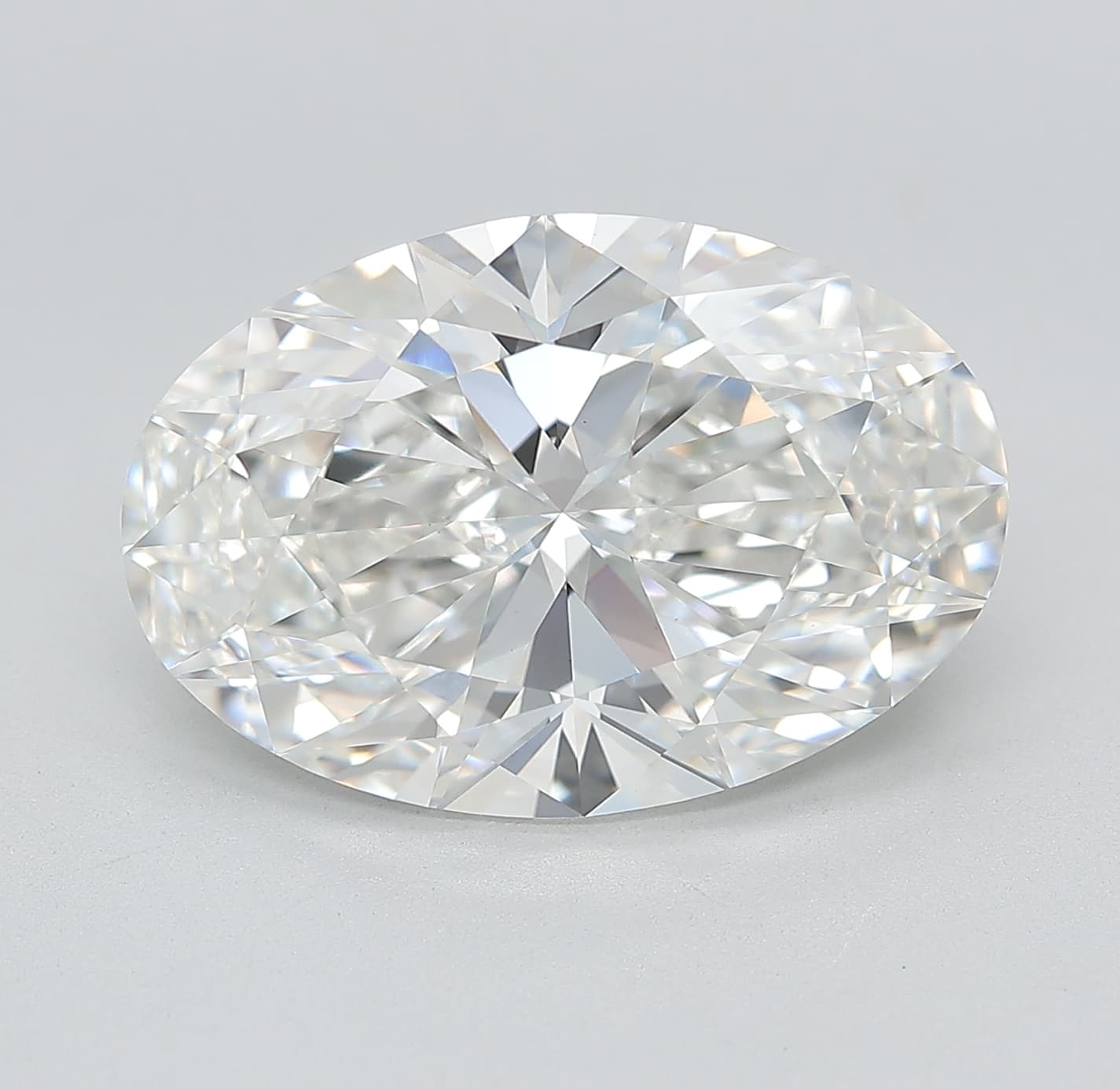
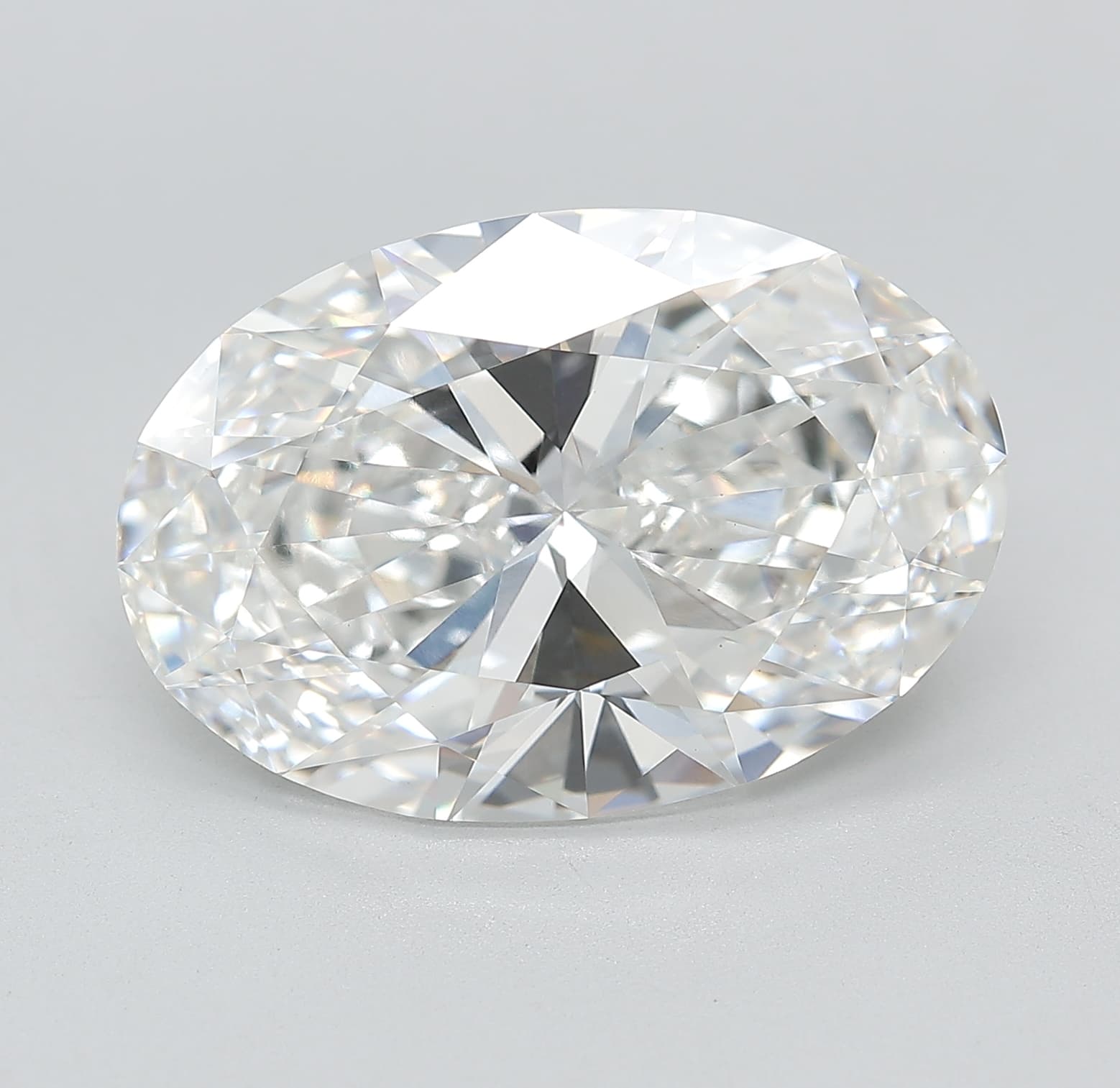
A simple example shows why this matters. Imagine two ovals, both 2 carats, F color and VS1. One measures about 10.5 by 7.1 millimeters with a depth around 61 percent; the other measures about 9.9 by 7.0 millimeters with a depth around 65 percent. On paper they match. On the hand, the first looks noticeably longer and larger, because less of its weight sits hidden underneath. Neither stone is "wrong", but they are not the same diamond, and their prices may reflect that.
Our diamond specialists can do this comparison with you and explain which differences you would actually see.
| Compared | What to look at | Where to find it |
|---|---|---|
| Face-up size | Length and width in millimeters | Measurements on the stone page |
| Proportions | Table, depth and angles, or ratio | Measurements and proportions |
| Inclusions | Type and position, eye-clean or not | Report plot and our eye-clean line |
| Fluorescence and tinge | None or Faint; any tinge noted | Grading specifications |
| Lab and report | IGI or GIA, report type and date | Report number and certificate PDF |
| Overall look | Brightness and even sparkle | Photos and 360° video |
Retail prices, trade prices and buying
On our site, guests and retail buyers see retail prices. Jewelers who have been approved for a trade account see trade prices instead. If you are comparing a stone you saw while signed in as a trade buyer with one you saw as a guest, check which price you were looking at. Jewelers can apply for a trade account.
If a stone looks right, you can add it to your cart and check out when you are sure; the cart does not reserve it. Approved trade accounts can also hold a stone for 48 hours or request a memo; our post on how holds and memos work explains both. Every checkout, hold and memo starts with a live check of the stone’s availability and price.
When the cheaper stone is the better buy
A lower price does not mean a worse diamond. Often the less expensive of two "identical" stones differs only in ways you will never see: Very Good instead of Excellent polish, Faint instead of None fluorescence, or a crystal tucked near the girdle where a prong will cover it.
The aim is not to find the stone with the best numbers, but the stone that looks best to you for your budget. Settle the things you can see first (cut, face-up size, eye-cleanliness), then let the smaller details break the tie.
Prioritize cut, face-up size and an eye-clean look. Small differences in polish, symmetry or faint fluorescence rarely show in a ring, so they are good places to save.
Frequently asked questions
Why are two diamonds with the same 4Cs priced differently?
Because the 4Cs are grade bands that leave out important details: exact proportions and face-up size, where inclusions sit, fluorescence, tinge, polish and symmetry, the outline, and the lab and report type. Two stones can sit at different ends of the same grades.
Is a more expensive diamond with the same grades better?
Not necessarily. The difference may be something you would see, such as better proportions or a cleaner-looking center, or something you never would, such as None rather than Faint fluorescence. Compare measurements, proportions and the video to decide whether the difference matters to you.
Does the grading lab affect a diamond’s price?
It can. IGI and GIA grade lab-grown diamonds differently, and since October 2025 GIA classifies colorless and near-colorless lab-grown stones as Premium or Standard instead of giving full color and clarity grades. Compare stones graded by different labs on their measurements and appearance too.
What should I compare besides the 4Cs?
Measurements (face-up size), table and depth percentages, the position and type of inclusions, fluorescence, any tinge, polish and symmetry, the length-to-width ratio for fancy shapes, the lab and report date, and a video of the stone in motion.
Glossary terms in this article
More on Buying & Care in the journal.