Buying & Care
Are Lab-Grown Diamonds Good for Engagement Rings?
By the Vanora Diamond team
Published Last reviewed 5 min read

Quick answer
Yes. Laboratory-grown diamonds are diamonds, with the same chemical and physical properties as mined diamonds, so one wears just as well in a ring worn every day. IGI and GIA report on it, and for the same budget it usually buys a larger or finer stone. Weigh the honest trade-offs, mainly resale and what origin means to you, then choose the stone by cut, eye-cleanliness and color.
Is it a diamond?
Yes. Laboratory-grown diamonds are diamonds, with the same chemical and physical properties as mined diamonds. A lab-grown diamond is crystallized carbon with the same structure as a diamond from a mine. It has the same hardness, the same way of bending and returning light, and the same resistance to heat and everyday wear. What differs is where it formed: in a controlled growth chamber over weeks rather than deep in the earth over a very long time. Our post is a lab-grown diamond a diamond? explains the science and the wording, and how lab-grown diamonds differ from simulants such as cubic zirconia and moissanite.
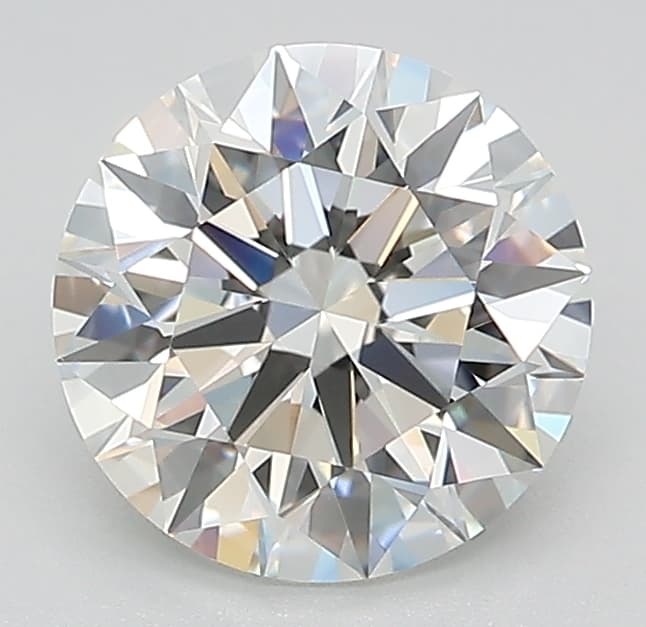
The difference is not visible. Telling a lab-grown diamond from a mined one takes laboratory instruments, which is why every lab-grown diamond should be clearly disclosed as lab-grown, on its report, its girdle inscription and the seller's paperwork.
- Essentially pure carbon, crystallized in the cubic system
- A hardness of 10 and a refractive index of about 2.42
- Graded on the same 4Cs, and cared for in the same way
- Not told apart by eye, with a loupe or with a handheld diamond tester
- Origin: grown in a laboratory by CVD or HPHT, or formed in the earth and mined
- Identification: laboratory instruments tell them apart, and the grading report says which it is
- Naming: in the US a lab-grown diamond must be qualified, for example as “laboratory-grown”
- GIA reports: since October 2025, colorless to near-colorless lab-grown stones get a Premium or Standard assessment
- Market: lab-grown diamonds are generally priced well below comparable mined ones, and their resale market is limited and less established
Will it hold up to everyday wear?
An engagement ring is usually worn every day for decades, so durability matters more than in almost any other jewelry. Here a lab-grown diamond behaves exactly like a mined one:
- Hardness. It rates 10 on the Mohs scale, the top, so everyday dust and grit do not scratch it.
- Toughness. Like every diamond, it can chip if a point or thin edge takes a hard knock. Setting choice protects it; our post on hardness vs toughness explains where chips happen.
- Stability. It does not fade, cloud or wear away. A ring that looks dull is almost always just dirty, as our post on whether lab-grown diamonds change color explains.
In short, a well-cut, well-set lab-grown diamond is as practical for an engagement ring as a mined one.
What lab-grown does well
For many couples, the appeal comes down to a few practical points:
- More diamond for the budget. Lab-grown diamonds usually cost considerably less than mined diamonds of the same size and grades, so the same budget can buy a larger stone, a better cut, a higher color or clarity, or simply leave money for the setting and the wedding. Our post on why lab-grown diamonds cost less explains the reasons.
- Independent grading. IGI grades lab-grown diamonds, and GIA assesses them as Premium or Standard (since October 2025); both state on the report that the stone is laboratory-grown. Our guide to diamond certificates shows what each report gives.
- Wide choice. Shapes, sizes and grades that would be scarce among mined diamonds are easier to find, which helps if you have something specific in mind.
- Clear origin. An IGI report usually states how it was made, by CVD or HPHT; GIA's assessment since October 2025 does not. Our CVD vs HPHT guide explains the two methods.
What to weigh honestly
A good decision looks at the other side too:
- Resale. Lab-grown diamonds have limited resale value, and you should not buy one expecting to sell it later for anything like what you paid. Our honest answer on resale value explains why. For an engagement ring you plan to keep, this may matter little; if resale matters to you, take it into account.
- What origin means to you. For some people, a diamond's age and geological story are part of its meaning. For others, what matters is the look, the durability and the promise the ring stands for. Neither view is wrong. Talk about it together before you buy.
- Disclosure. Be open about it. A lab-grown diamond is something to describe proudly and accurately, never something to pass off as mined. Insurers and jewelers need to know too.
If you are still deciding between lab-grown and mined, our lab-grown vs natural guide sets out the differences in one place.
CVD or HPHT: does it matter for a ring?
Lab-grown diamonds are made by one of two methods. CVD (chemical vapor deposition) builds the crystal layer by layer from a carbon-rich gas; HPHT (high pressure, high temperature) crystallizes carbon under conditions like those deep in the earth. An IGI report usually states which method was used; GIA's assessment since October 2025 does not.
For an engagement ring, the method matters far less than the stone in front of you. Both produce diamonds of every quality level, and a well-cut CVD stone and a well-cut HPHT stone with the same grades look the same on the hand and wear the same. Choose by the report's grades, the measurements and the video, not by the growth method. If a report notes a post-growth treatment, that is worth understanding too; our post on as-grown and treated lab-grown diamonds explains that line in plain words.
How to choose the stone
Once you have decided on lab-grown, choose the diamond the same way you would any diamond, with the four Cs in a sensible order:
- Cut first. Cut decides how brightly the diamond returns light. For rounds, look for the top grade, Ideal on IGI reports (GIA's assessment since October 2025 gives no cut grade); for other shapes, look at the proportions and a video.
- Clarity to the eye-clean point. You need no visible inclusions at arm's length, not a flawless grade. Many VS stones are eye-clean; see eye-clean VS1 and VS2.
- Color for the metal and shape. Colorless grades suit platinum and white gold; near-colorless can look lovely in yellow or rose gold.
- Carat last. Use the budget left after cut, clarity and color to choose a size, and compare stones by their millimeters, not weight alone.
Our post on setting an engagement ring budget shows how to plan the spend.
- CutHow well the facets are proportioned, aligned and finished.Rounds: Ideal or Excellent to Poor
- ColorHow close a white diamond is to colorless.D (colorless) to Z
- ClarityInclusions and blemishes, judged at 10× magnification.FL to I3
- CaratWeight: one carat is 0.2 grams.To two decimals, e.g. 1.02 ct
Buying with confidence
A few checks make any lab-grown diamond purchase straightforward. Make sure the stone comes with an independent grading report, check the report number on the lab's website, and match it to the laser inscription on the girdle. Watch a 360° video rather than relying on a single photo, and read the measurements.
Every single stone in our catalog of lab-grown diamonds has an IGI or GIA report and its measurements, with a 360° video where available (mix parcels of small stones are sold by the parcel, without individual reports). You can add a stone to your cart while you decide (the cart does not reserve it) and check out when you are sure. Our diamond specialists can compare stones with you through the contact page before you buy, and our lab-grown disclosure policy explains how we describe every stone.
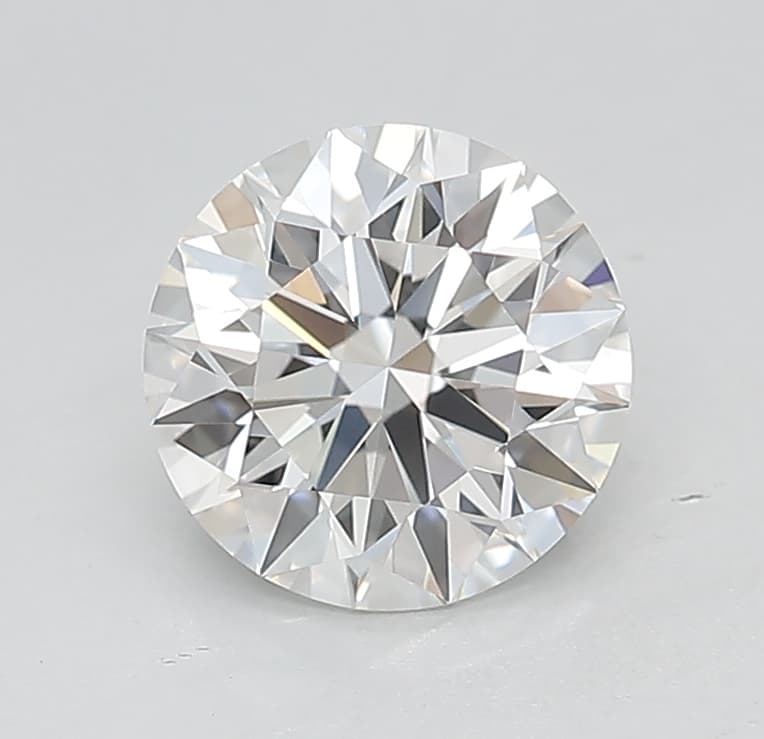
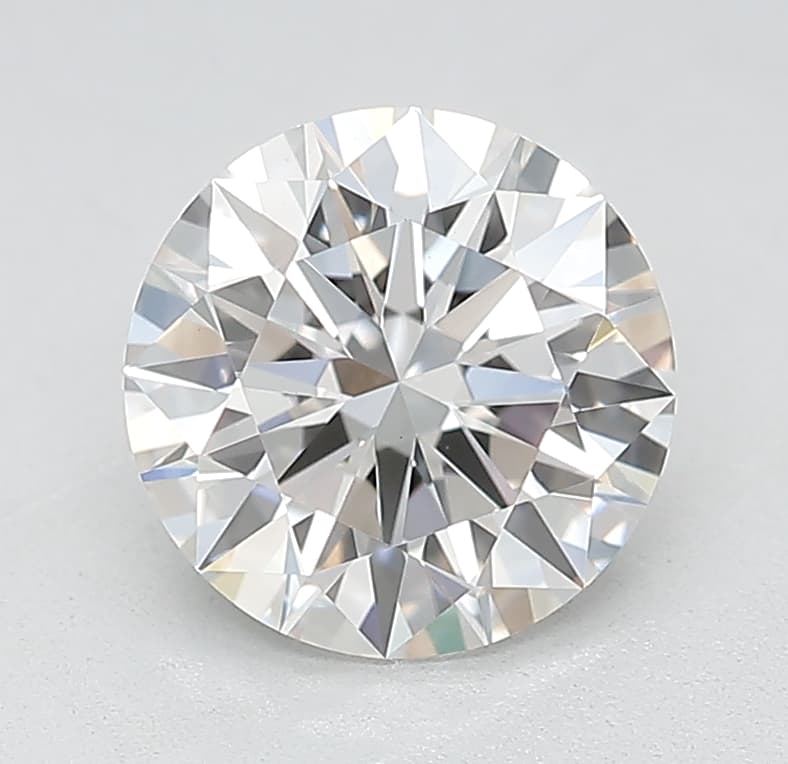
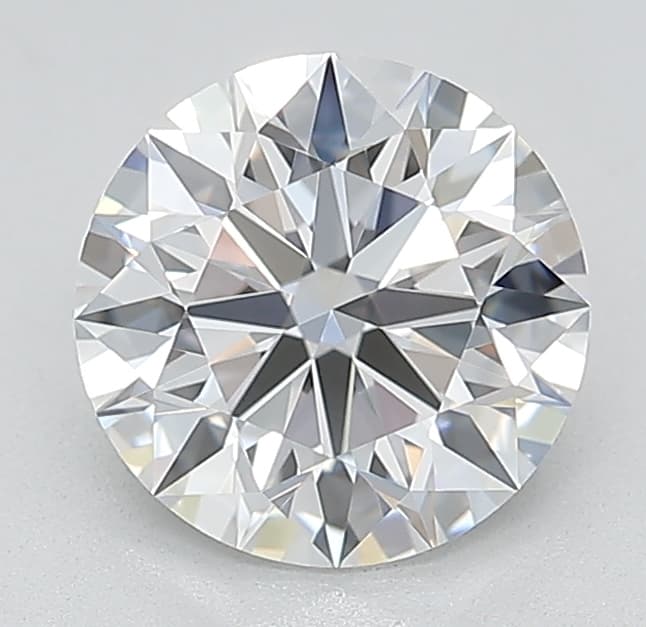
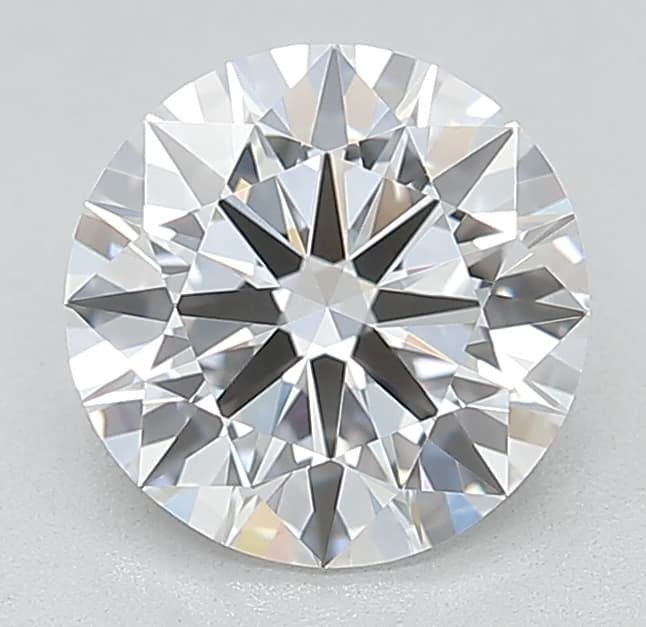
A well-cut lab-grown diamond looks brighter and often larger face-up than a poorly cut stone of the same weight. Settle the cut first, then choose the size.
Frequently asked questions
Are lab-grown diamonds durable enough for everyday wear?
Yes. They have the same hardness as mined diamonds, 10 on the Mohs scale, so they resist scratches just as well. Like any diamond, they can chip at a point or thin edge from a hard knock, so choose a setting that protects any points.
Can people tell a lab-grown engagement ring from a mined one?
Not by looking. The two are the same material and look the same, even to a jeweler with a loupe. Laboratory instruments are needed to tell them apart, which is why the grading report and laser inscription state that the stone is lab-grown.
What is the downside of a lab-grown engagement ring?
The main one is resale: lab-grown diamonds have limited resale value, so do not buy one expecting to sell it for close to what you paid. Some people also prefer a mined diamond for its geological story. In durability and appearance there is no downside.
What should I look for in a lab-grown engagement diamond?
An independent report from a lab such as IGI or GIA, a top cut grade or good proportions, clarity that is eye-clean, and a color that suits your metal. Check the measurements and a video, and match the report number to the laser inscription.
Glossary terms in this article
More on Buying & Care in the journal.