Buying & Care
How to Set an Engagement Ring Budget for a Lab-Grown Diamond
By the Vanora Diamond team
Published Last reviewed 5 min read

Quick answer
Start with a total you are comfortable spending, not a formula: the "months of salary" rule is an advertising line, not financial advice. Set aside part of that total for the setting and the costs around the stone, then spend the rest in the order you will actually see it: cut first, then size and shape, with color and clarity just high enough that the stone looks white and clean to you.
Start from a number you are comfortable with
There is no correct amount to spend on an engagement ring. The idea that a ring should cost a set number of months of salary came from twentieth-century diamond advertising, not from any financial rule, and it says nothing about your savings, your other plans or what the person you are proposing to actually wants.
A more useful starting point is a figure you could spend without regret, set before you start browsing. Looking at stones first tends to move the number upward, one "only a little more" at a time. A few questions help:
- What else is coming up: a wedding, a move, a home?
- Is this a ceiling you will not cross, or a target you could stretch for the right stone?
- Is the ring a surprise, or are you choosing together? If you are choosing together, agree the number together too.
Write the figure down. Every trade-off below is easier when you know what you are working within.
What the budget needs to cover
The center diamond is usually the largest part of the cost, but it is rarely the only part. Decide early whether your number covers everything or just the stone.
| Item | Who sets the cost | When you will know |
|---|---|---|
| The lab-grown diamond | Us, checked live at checkout | On the stone page and at checkout |
| The setting (mounting and labor) | Your jeweler | When you choose a design |
| Sizing and any engraving | Your jeweler | When you order |
| Delivery, duties and taxes | Depends on the destination | Ask a specialist before you check out |
| Insurance | Your insurer | When you ask for a quote |
| An appraisal, if your insurer asks for one | An independent appraiser | Before you insure |
International deliveries can carry import duties and taxes set by the destination country; our shipping policy explains how these are confirmed. Insurance is an ongoing cost rather than a one-off, so it is worth a quick quote before you settle on a stone; see insuring a lab-grown diamond.
Where the money shows: the trade-offs, in order
Once you know what is left for the stone, spend it in the order that changes what you see.
Cut first
Cut decides how bright and lively a diamond looks, and it is the hardest thing to make up for elsewhere. A well-cut stone with modest color and clarity grades usually looks better than a poorly cut stone with top grades. Our diamond cut guide shows what to look for on the report, for rounds and for fancy shapes. IGI has graded the cut of fancy shapes, from Excellent to Poor, since September 2022; GIA does not.
Then size and shape
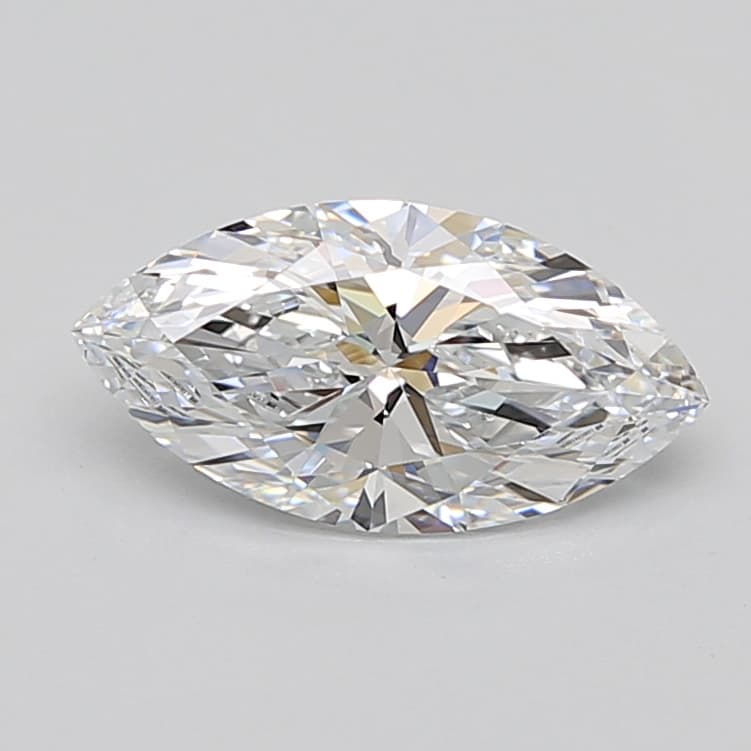
Carat is weight, not size. Two stones of the same weight can face up differently, so compare the millimeter measurements. Elongated shapes such as an oval or a pear spread their weight over a longer outline and can look larger face-up than a round of the same weight. Prices also often step up at round weights such as 1.00, 1.50 and 2.00 carats, so a stone just below the line can look the same size. See the carat weight guide.
Color: high enough to look white to you
D to F are colorless grades; G and H are near-colorless and look white to many people once set, especially in brilliant shapes. Step cuts, larger stones and white metal settings show color more readily, while yellow and rose gold are more forgiving. The diamond color guide covers this in detail.
Clarity: aim for eye-clean
What matters in wear is whether you can see an inclusion without magnification, which is what eye-clean means. VS1 and VS2 are usually eye-clean in brilliant shapes; step cuts such as emerald often call for VVS or VS1. Paying for a grade you cannot see adds cost without changing the look. See the diamond clarity guide.
- CutHow well the facets are proportioned, aligned and finished.Rounds: Ideal or Excellent to Poor
- ColorHow close a white diamond is to colorless.D (colorless) to Z
- ClarityInclusions and blemishes, judged at 10× magnification.FL to I3
- CaratWeight: one carat is 0.2 grams.To two decimals, e.g. 1.02 ct
Three ways to shape the same budget
The same budget can buy quite different stones, depending on what you care about most. These are directions, not formulas:
| Priority | Where to give a little | Where to hold firm |
|---|---|---|
| Size on the hand | Color down to G or H; clarity at VS1 or VS2 if eye-clean; just under a round weight | Cut, and a shape with good spread |
| A whiter, cleaner stone | Carat weight, a step down in size | D to F color, VVS clarity, cut |
| A balance of both | One step in color or clarity | Cut, an eye-clean stone, the shape they love |
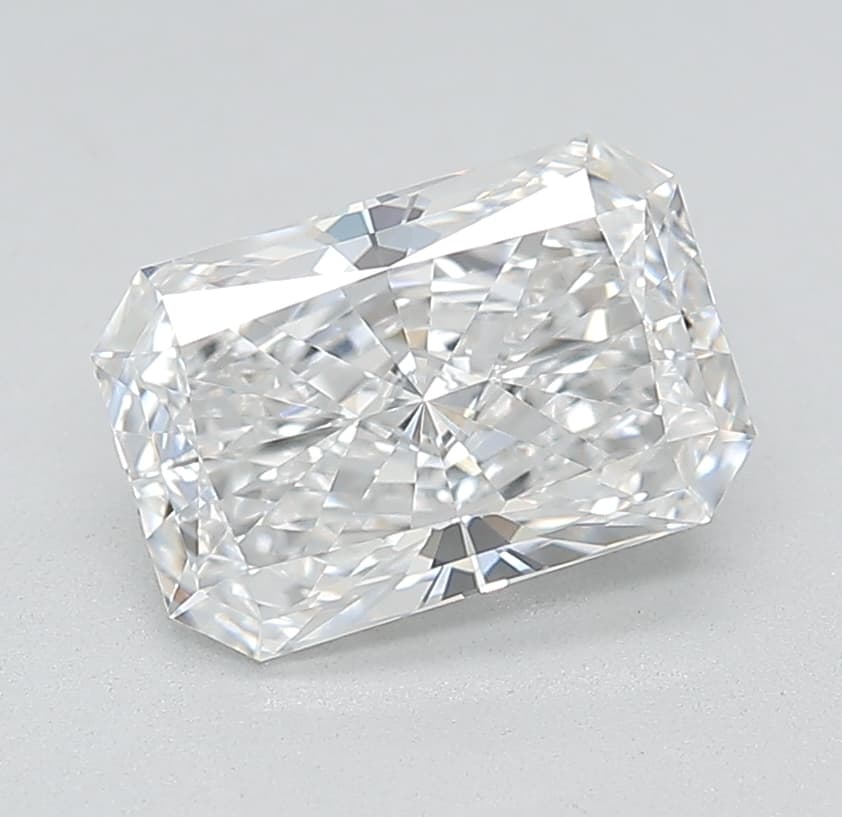
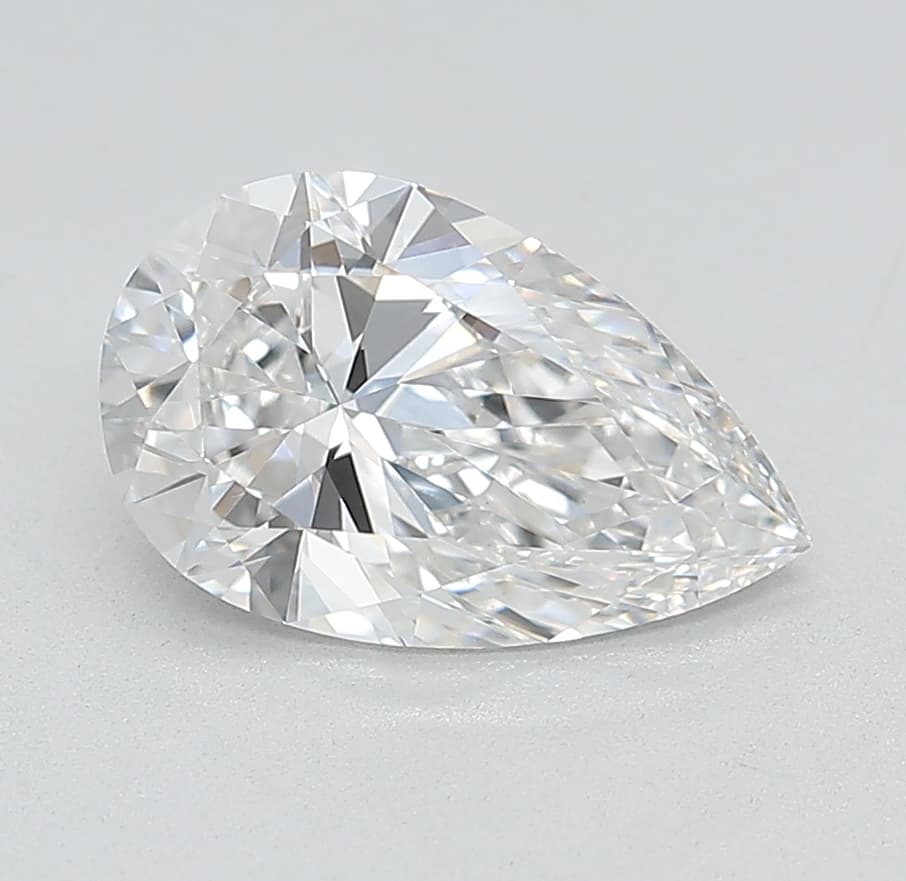
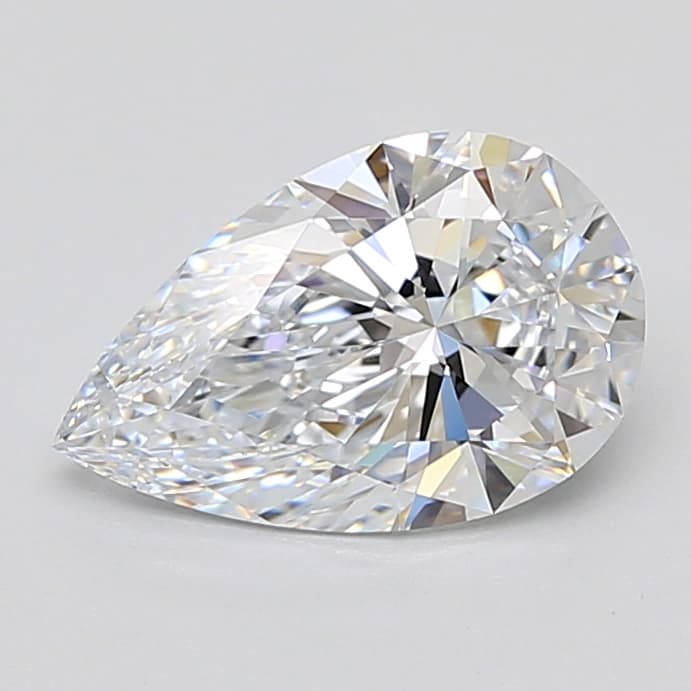
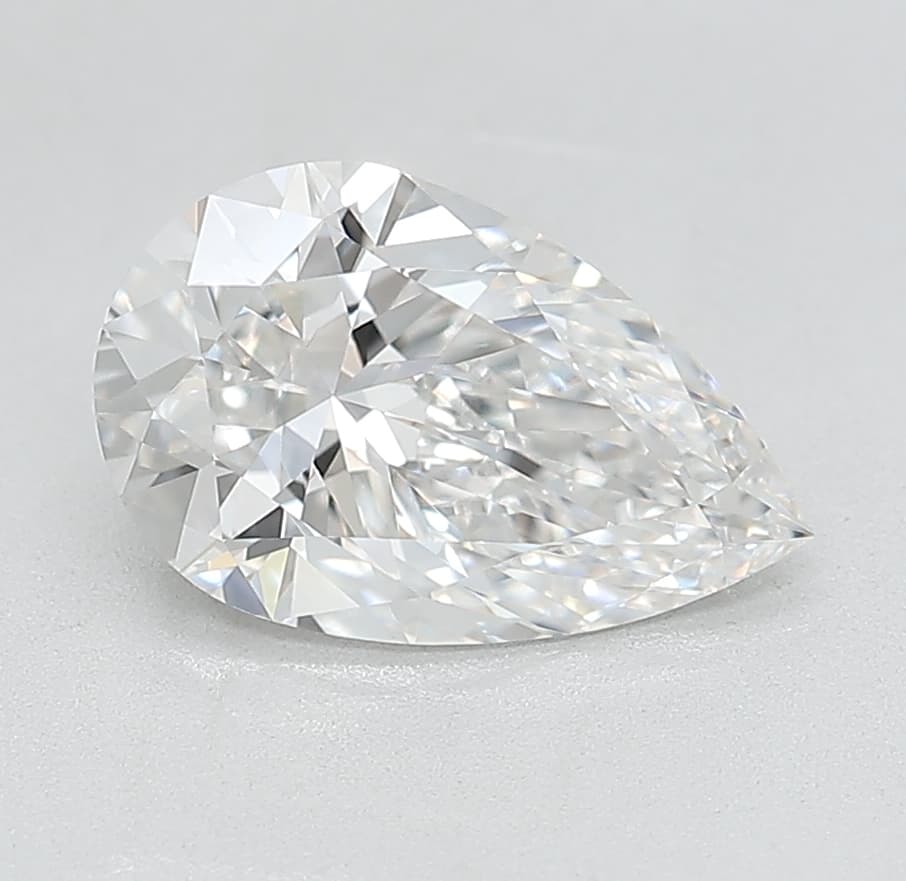
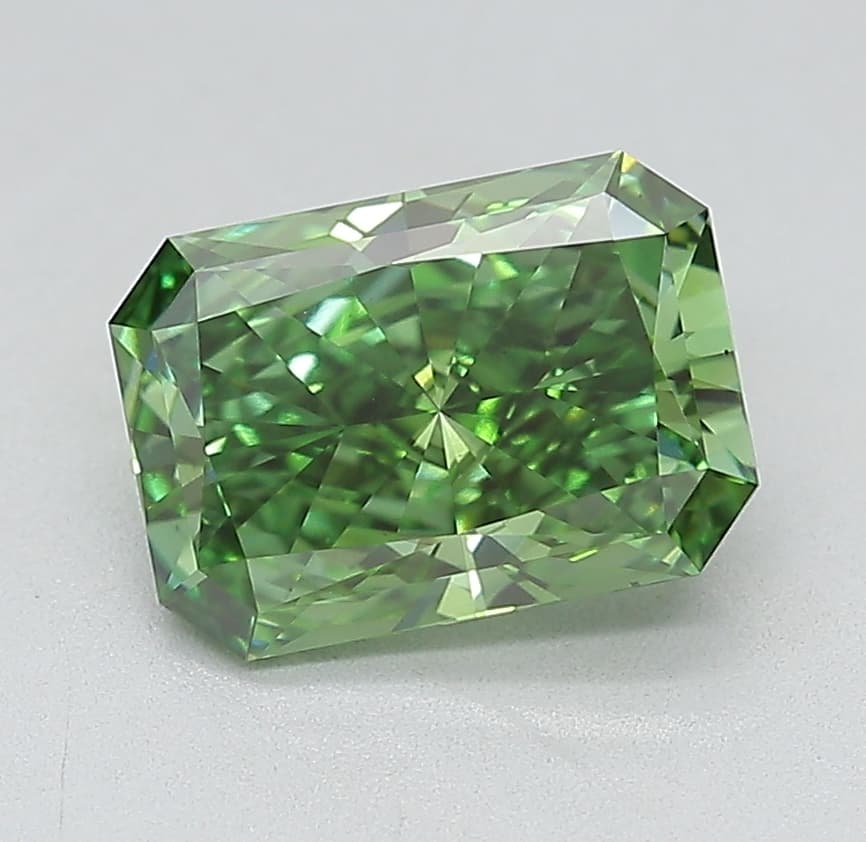
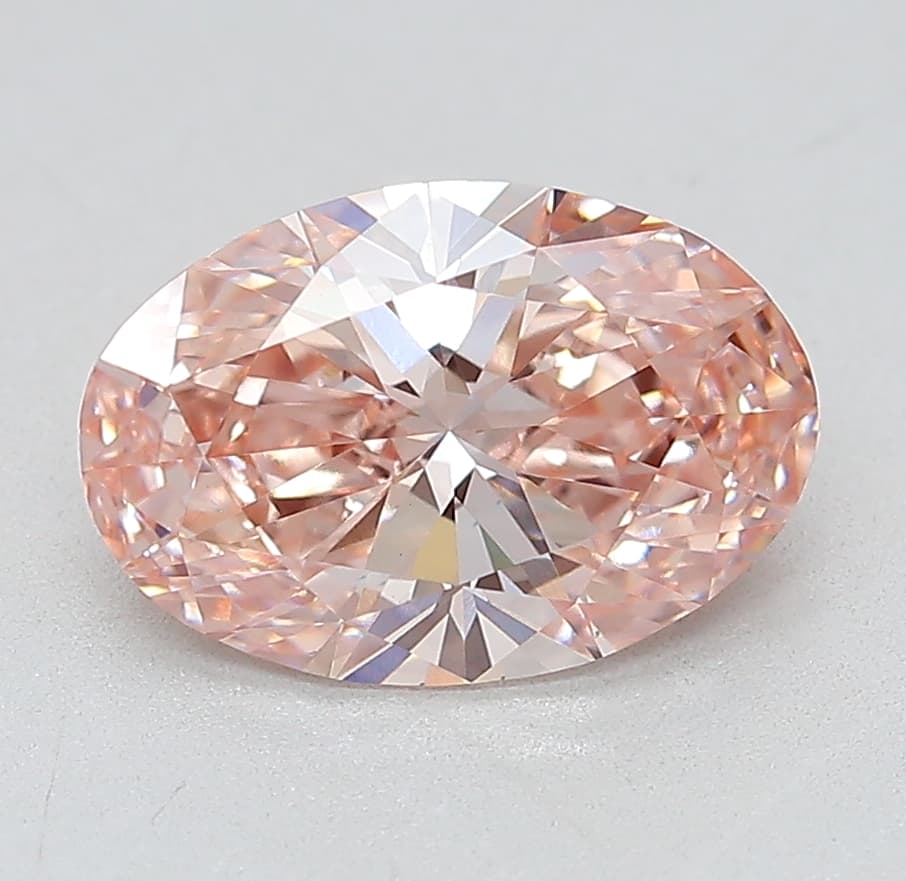
Shape is a personal choice before it is a budget one, but it does change the arithmetic. A round is the classic choice; ovals, pears and radiants often give more visible length for the weight. Our 4Cs guide explains how the grades work together.
| Weight | Stones | Median price per carat |
|---|---|---|
| Under 1 ct | 23 | $167 |
| 1–1.49 ct | 230 | $163 |
| 1.5–1.99 ct | 218 | $146 |
| 2–2.49 ct | 164 | $191 |
| 2.5–2.99 ct | 173 | $243 |
| 3–3.49 ct | 391 | $214 |
| 3.5–3.99 ct | 264 | $265 |
| 4–4.99 ct | 348 | $345 |
| 5–5.99 ct | 312 | $196 |
| 6–6.99 ct | 51 | $202 |
| 7–7.99 ct | 26 | $149 |
| 8–9.99 ct | 25 | $167 |
| 10 ct and above | 35 | $159 |
Lab-grown details that affect the decision
A few things are specific to lab-grown diamonds and worth knowing before you settle on a figure:
- Growth method does not decide the look. CVD and HPHT both produce diamond; judge each stone on its report and video. Our CVD vs HPHT guide explains the difference.
- Read the report date for GIA stones. GIA reports issued since October 2025 classify colorless to near-colorless lab-grown diamonds as Premium or Standard instead of giving exact color and clarity grades, so compare measurements and video as well.
- Do not budget on resale. The resale market for lab-grown diamonds is limited, so treat the ring as a purchase to wear, not an asset. We explain why in do lab-grown diamonds have resale value?
- Prices are checked live. Our stock and prices change as stones are reserved and sold, so we check the price and availability of every stone live at checkout, and a diamond specialist then confirms your order. We do not show "compare at" prices or invented savings.
The resale market for lab-grown diamonds is limited, so treat the ring as a purchase to wear, not an asset. We do not show “compare at” prices or invented savings.
Putting your budget to work
- Fix the shape and a carat range first, then filter the catalog by color and clarity until the stones fit your number.
- Shortlist three stones and compare their measurements, not only their grades.
- Verify each report on the IGI or GIA website and watch the video for anything a grade does not show.
- Add your favorite to your cart while you decide. The cart does not reserve it, so check out when you are sure; your payment is only authorised (set aside) until a diamond specialist confirms your order.
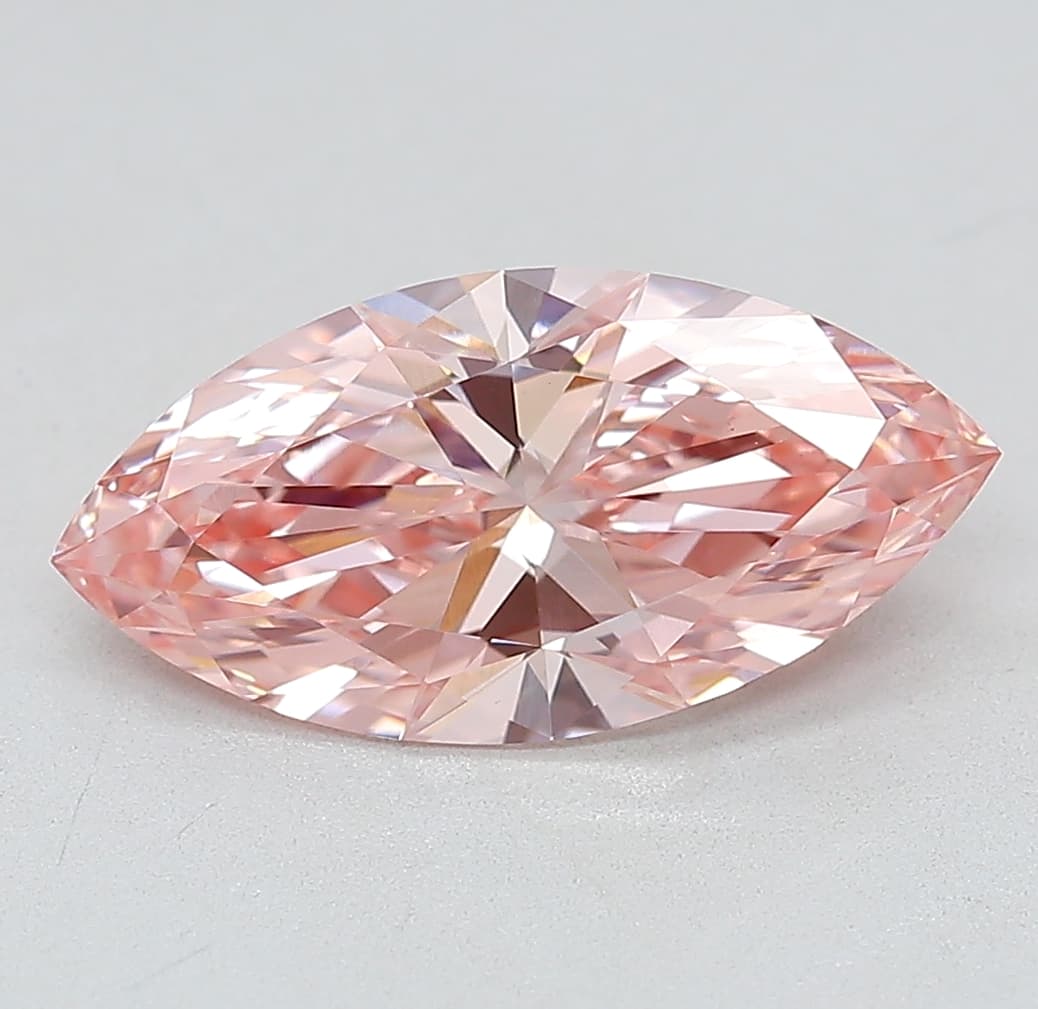
If you would rather someone did the searching, tell a specialist your shape, size and budget through our find a stone form. Otherwise, the diamonds below are a good place to start comparing.
Frequently asked questions
How much should I spend on a lab-grown engagement ring?
There is no right amount. Choose a total you could spend without regret, decide whether it includes the setting, sizing and insurance, and set it before you start browsing. Then spend the stone budget on cut first, followed by size, color and clarity.
Is the "months of salary" rule real?
No. The idea came from twentieth-century diamond advertising, not from financial advice. A budget based on your own savings and plans is a far better guide.
Should I spend more on carat or on color and clarity?
Secure a good cut first, then decide what you would notice more: size on the hand, or a whiter, cleaner stone. Many buyers choose near-colorless color and an eye-clean clarity grade so that more of the budget goes on size, but it is a personal choice.
Should the setting come out of the same budget?
Usually, yes. Ask your jeweler for the cost of the setting, sizing and any engraving early, and set that aside before you choose the diamond, so the stone you fall for still fits the total.
Glossary terms in this article
More on Buying & Care in the journal.