Grading, Explained
FL, IF and VVS1: Is Top Clarity Worth Choosing?
By the Vanora Diamond team
Published Last reviewed 5 min read

Quick answer
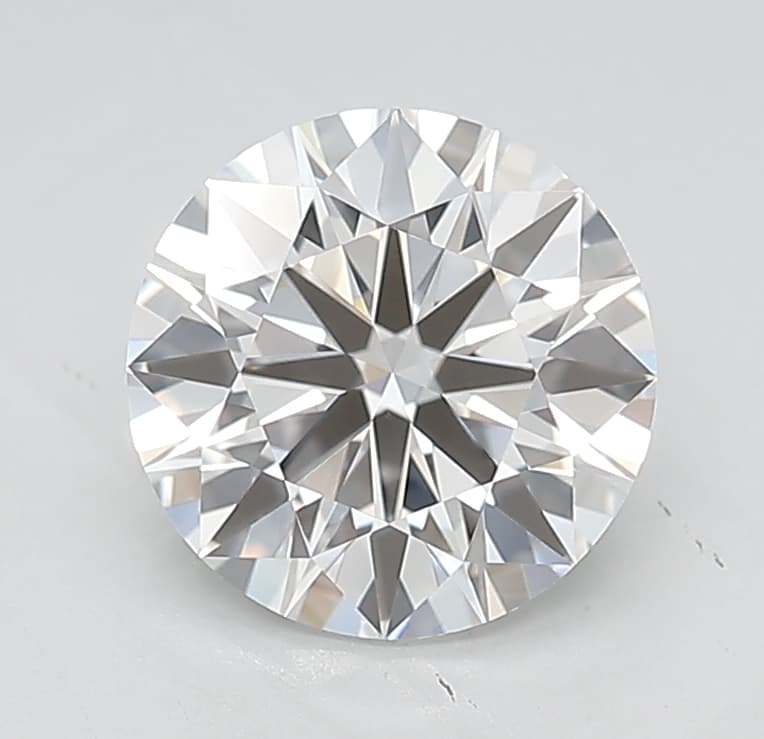
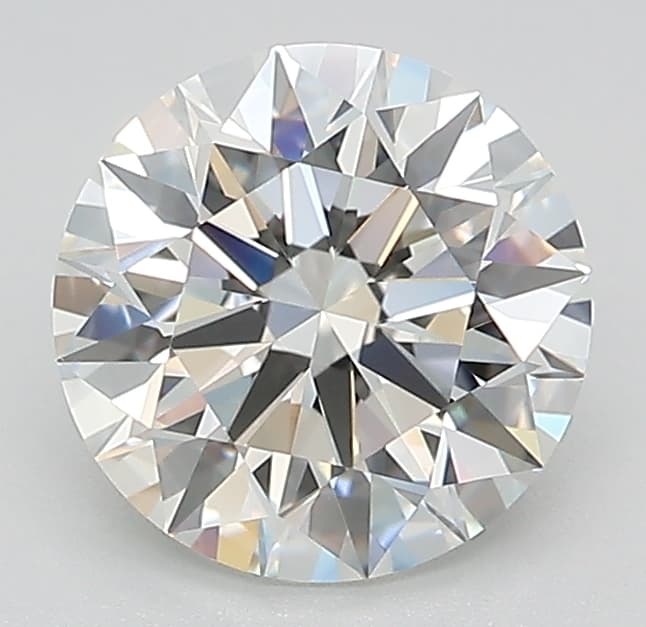
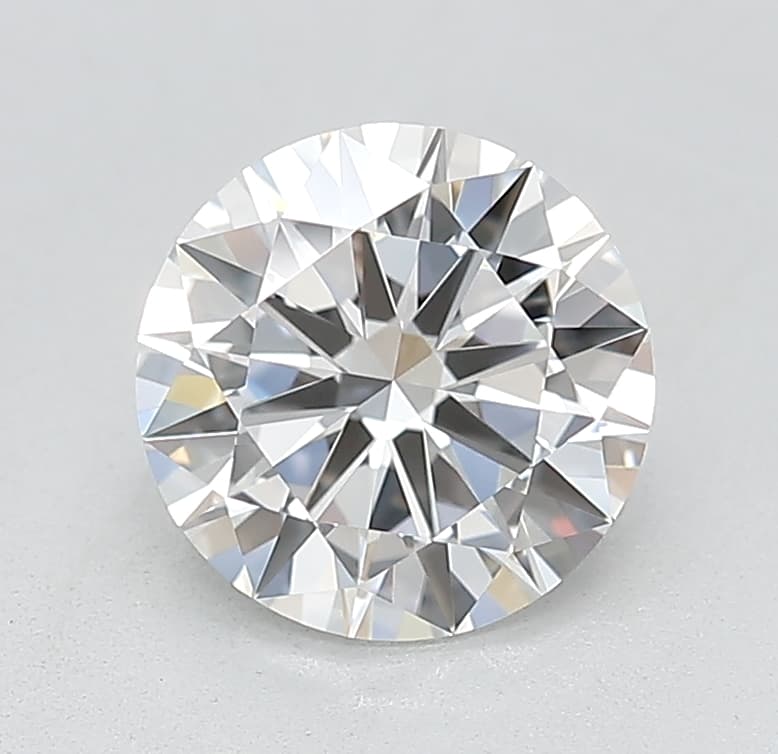
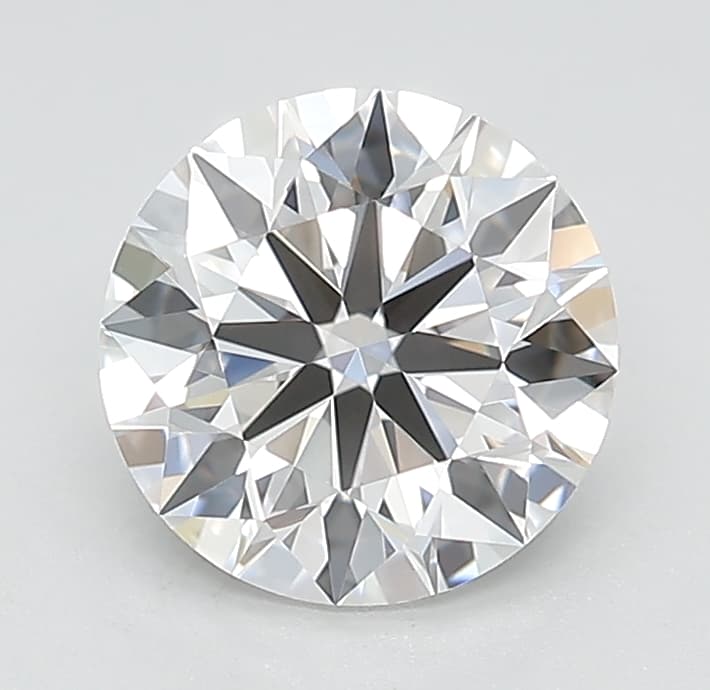
FL, IF and VVS1 are the three highest clarity grades: Flawless shows nothing at 10x magnification, Internally Flawless has no inclusions but may have minor surface blemishes, and VVS1 has inclusions so minute that a skilled grader struggles to find them at 10x. All three look identical to the unaided eye. Top clarity is worth choosing for large step cuts, close matching or simple peace of mind, but it does not add sparkle, which comes from the cut.
What FL, IF and VVS1 mean
Clarity is graded at 10x magnification by a trained grader. At the top of the scale, the differences are about what can be found under the loupe, not what anyone sees in a ring:
| Grade | Name | At 10x magnification |
|---|---|---|
| FL | Flawless | No inclusions and no blemishes |
| IF | Internally Flawless | No inclusions; only minor surface blemishes |
| VVS1 | Very, Very Slightly Included 1 | Minute inclusions, extremely difficult to find |
| VVS2 | Very, Very Slightly Included 2 | Minute inclusions, very difficult to find |
In a VVS1 stone, the inclusions are often visible only from the pavilion side, looking up through the bottom of the stone. Blemishes, the features that separate IF from FL, are on the surface: a tiny polish line or a minute nick at a facet edge. The finish quality of the whole surface is graded separately as polish.
Our diamond clarity guide covers the full scale from FL to I3 and how inclusions in CVD and HPHT lab-grown diamonds are graded.
| Grade | Name | At 10× magnification | To the unaided eye |
|---|---|---|---|
| FL | Flawless | No inclusions or blemishes | Clean |
| IF | Internally Flawless | No inclusions; only minor surface blemishes | Clean |
| VVS1 | Very, Very Slightly Included 1 | Inclusions so slight they are very hard to find | Eye-clean |
| VVS2 | Very, Very Slightly Included 2 | Inclusions so slight they are very hard to find | Eye-clean |
| VS1 | Very Slightly Included 1 | Minor inclusions, difficult to somewhat easy to find | Usually eye-clean in brilliant shapes |
| VS2 | Very Slightly Included 2 | Minor inclusions, difficult to somewhat easy to find | Usually eye-clean in brilliant shapes |
| SI1 | Slightly Included 1 | Noticeable inclusions | Varies: some are eye-clean, some show an inclusion |
| SI2 | Slightly Included 2 | Noticeable inclusions | Varies: inclusions are more often visible |
| I1 | Included 1 | Obvious inclusions that may affect transparency and brilliance | Often visible |
| I2 | Included 2 | Obvious inclusions that may affect transparency and brilliance | Often visible |
| I3 | Included 3 | Obvious inclusions that may affect transparency and brilliance | Often visible |
Can you see the difference?
No, not without magnification. All four grades in the table are eye-clean, and so are most stones a grade or two below. Even with a 10x loupe, an untrained eye usually cannot find a VVS1 inclusion; graders take time to locate one with a microscope and practiced lighting.
That makes top clarity different from top color. A D color stone and an F can look very slightly different side by side in the right conditions (our post on whether D color is worth it goes into that). FL, IF and VVS1 cannot be told apart by looking at the stone in any normal way.
Good reasons to choose FL or IF
None of these is about visible beauty, and that is fine:
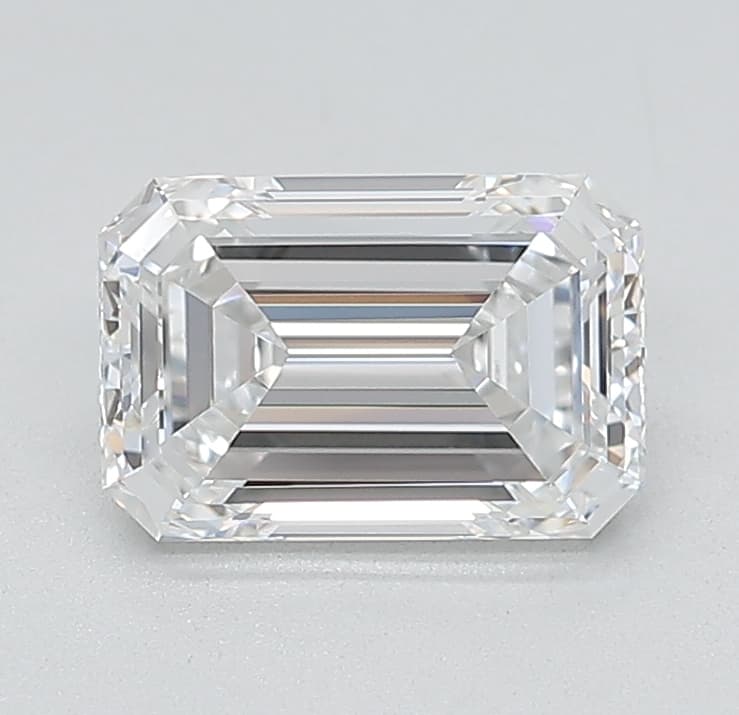
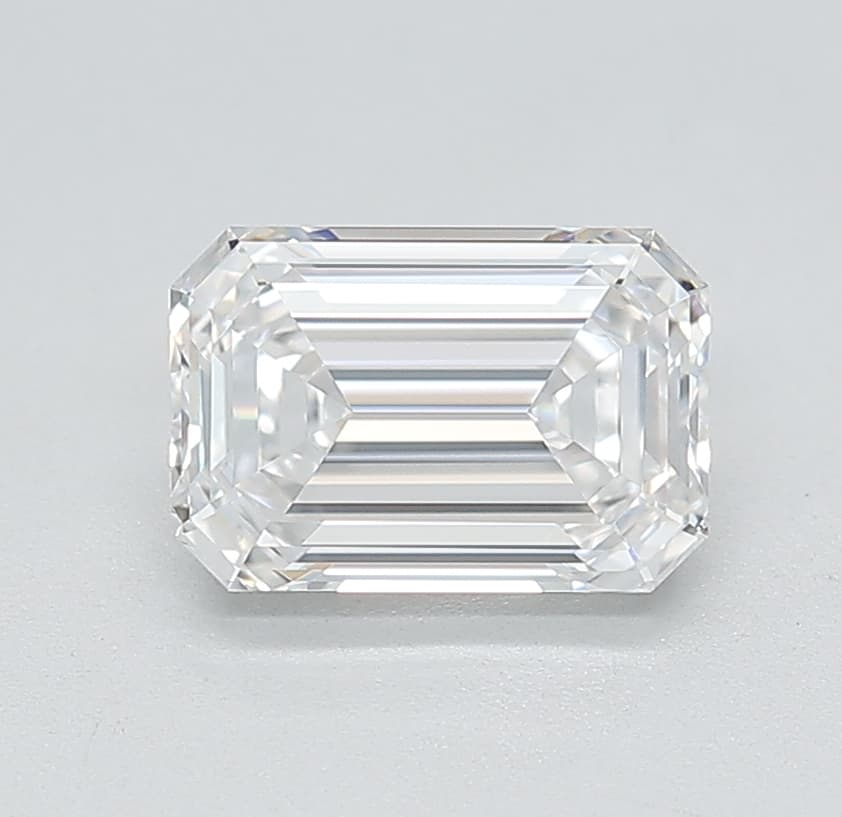
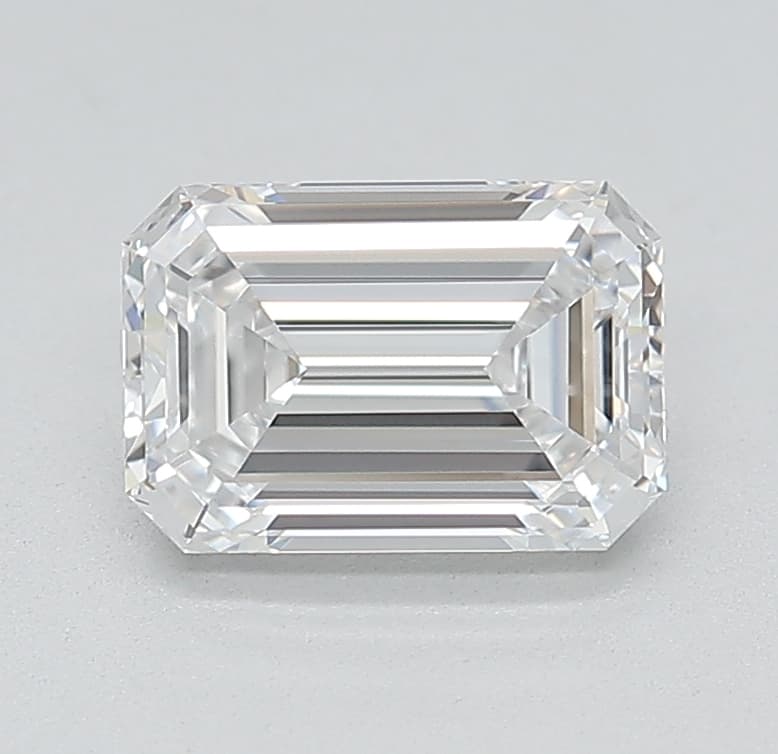
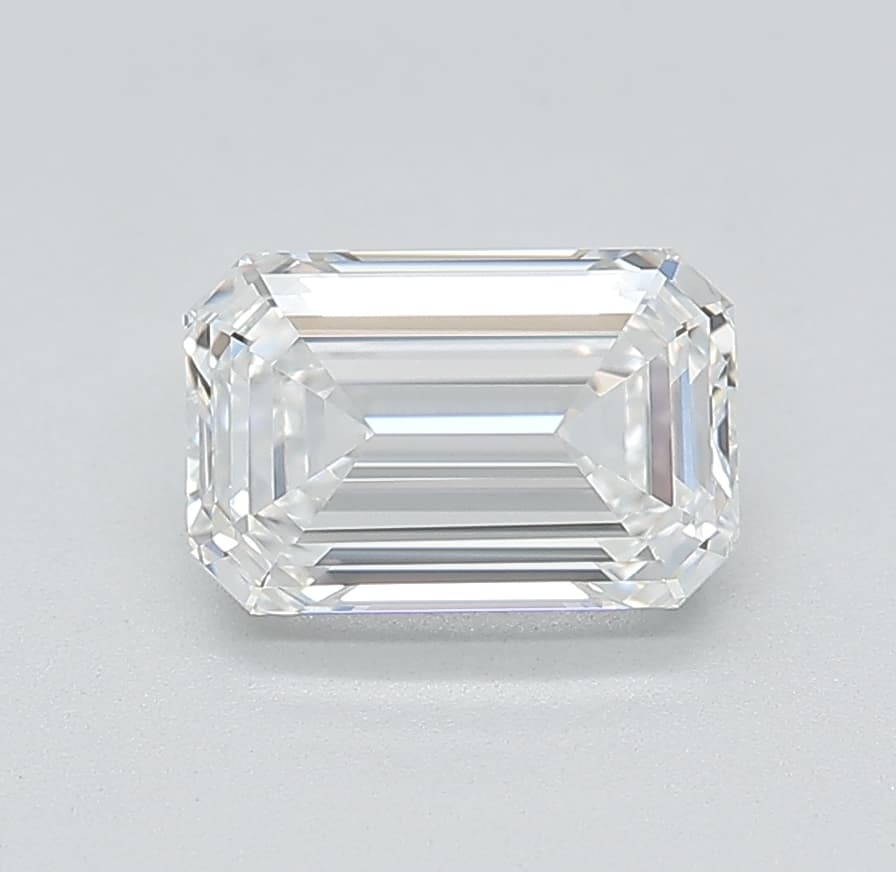
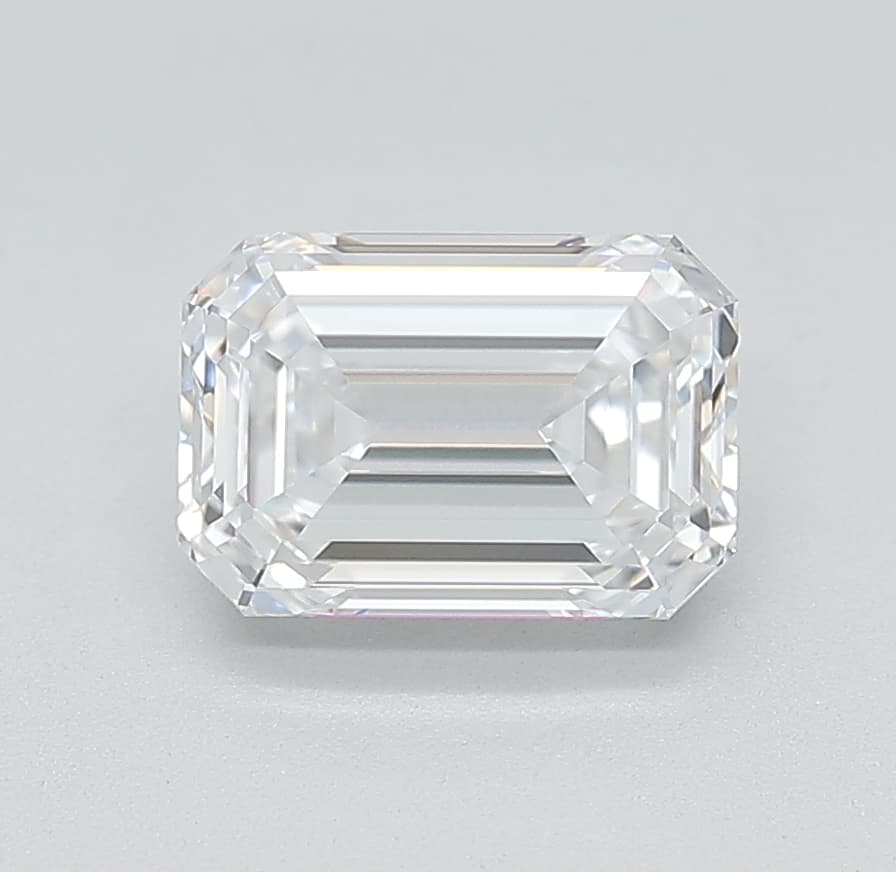
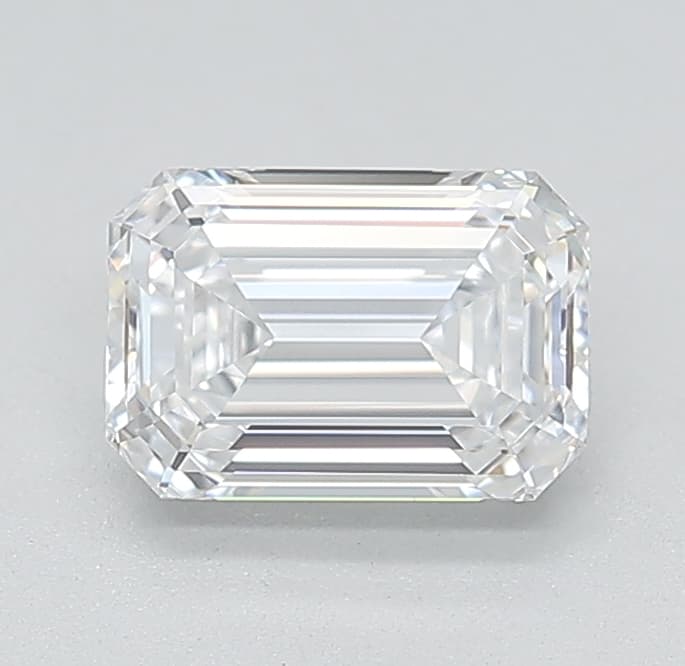
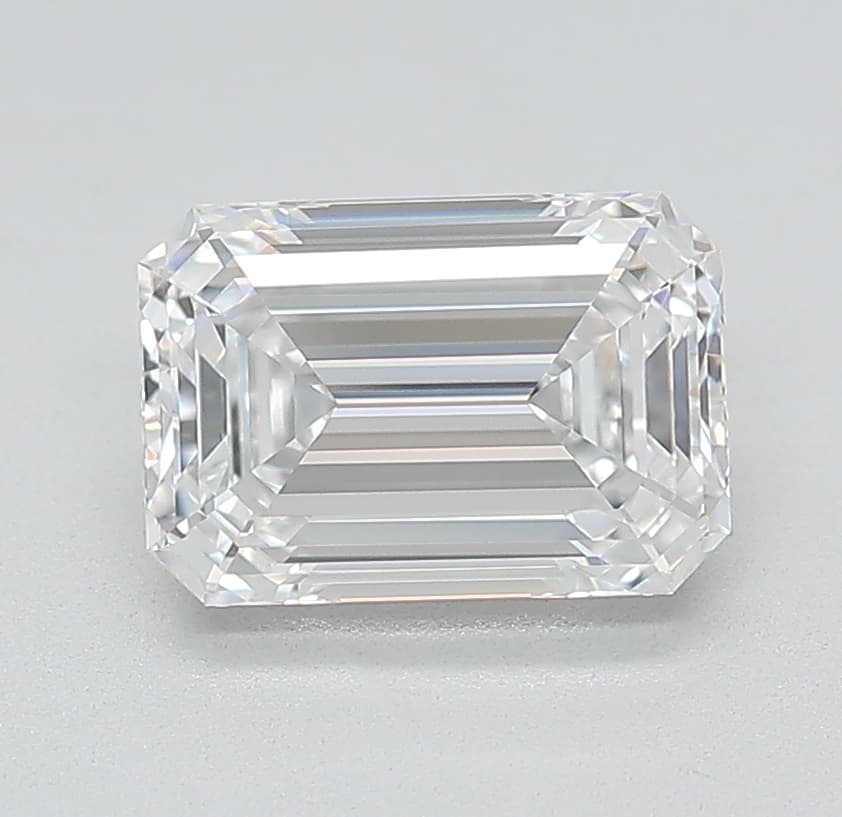
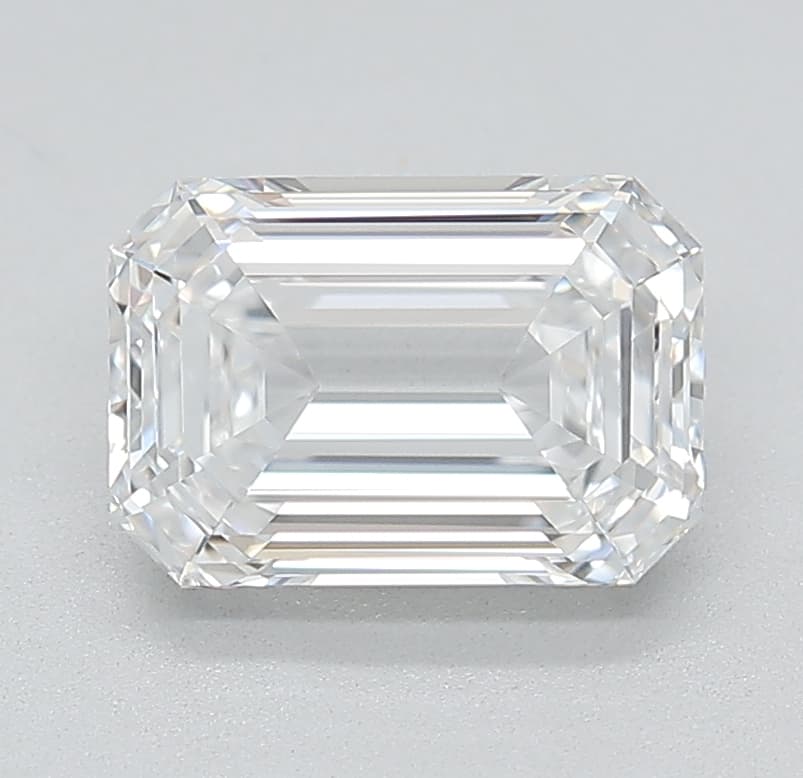
- Large step cuts. Emerald and asscher cuts have big, open tables and long parallel facets, which reveal inclusions more readily than brilliant cuts. VVS stones are usually ample here, but in a large emerald cut some buyers prefer to remove the question entirely.
- Matching. For earrings or a three-stone ring, choosing the same clarity across all stones is the simplest way to keep the set consistent on paper.
- Inspection under a loupe. If the stone will be examined closely, by you or anyone else, FL and IF leave nothing to find inside it.
- Personal preference. Some buyers simply want the top grade. That is a valid choice.
A note on GIA: its lab-grown assessment, issued since October 2025, classes a stone as Premium only with VVS clarity or higher, plus D color and Excellent polish and symmetry (and an Excellent cut for rounds). VVS1 and VVS2 qualify as well as FL and IF, so Premium is not in itself a reason to choose FL or IF.
At IGI, lab-grown diamonds are graded on the same clarity scale as mined ones, all the way up to FL (GIA's lab-grown assessment, issued since October 2025, gives only Premium or Standard). Browse FL clarity and IF clarity stones to see what is available.
What top clarity does not do
It helps to be clear about the limits of a clarity grade:
- It does not add sparkle. Brightness, fire and scintillation come from the cut. A FL stone with a weak cut looks duller than a VVS2 stone with a top cut grade.
- It does not make a stone tougher. Every diamond can chip if struck hard at a thin girdle or a sharp point. A well-chosen setting matters more for durability than the step from VVS1 to FL.
- It describes the stone on the day it was graded. Wear, setting work and knocks can add surface blemishes later. A FL stone that picks up a tiny nick is, strictly speaking, no longer flawless, even though you will never see it.
- It says nothing about color or tinge. Check the color grade, the tinge line and the video separately.
Brightness, fire and scintillation come from the cut: a FL stone with a weak cut looks duller than a VVS2 stone with a top cut grade. No clarity grade makes a diamond tougher, either.
FL, IF, VVS1 and VVS2 at a glance
| Choice | Who it tends to suit |
|---|---|
| FL | Buyers who want nothing at all to find under magnification, inside or on the surface |
| IF | The same, without worrying about a minute polish line on the surface |
| VVS1 | Large step cuts and close matching, at a grade where inclusions are extremely hard to find |
| VVS2 | Most shapes and sizes, including step cuts; still eye-clean and very hard to find at 10x |
For brilliant shapes such as round, oval and cushion, the step from VVS2 to FL changes nothing you can see. For step cuts, many buyers settle at VVS2 or VVS1. See VVS1 and VVS2 stones to compare.
How to choose
- Start with shape and size. Brilliant shapes give you room to choose VVS2 or even VS1; large step cuts justify moving higher.
- Settle the cut. For rounds, look for the top cut grade with Excellent polish and symmetry; for fancy shapes, check proportions and the video.
- Compare like with like. Line up an IF and a VVS1 stone of the same shape, carat, color and cut, then compare their live prices and decide whether the top grade is worth it to you.
- Check the rest of the report. Color, fluorescence and the comments on growth method and treatment matter as much as the clarity line. IGI reports show all of these; a GIA assessment issued since October 2025 shows none of them, so ask about those stones.
If you are choosing a stone below VVS, our post on eye-clean VS1 and VS2 diamonds explains how to check one. Otherwise, see the top-clarity stones suggested below, or ask one of our diamond specialists for help weighing clarity against cut and size.
Frequently asked questions
What is the difference between FL and IF clarity?
A Flawless diamond shows no inclusions or blemishes at 10x magnification. An Internally Flawless diamond has no inclusions but may have minor surface blemishes, such as a tiny polish line. The difference cannot be seen with the unaided eye.
Is VVS1 clarity eye-clean?
Yes. VVS1 inclusions are so minute that a skilled grader has difficulty finding them at 10x magnification, and they are often visible only from the pavilion side. They are not visible to the unaided eye.
Is a flawless lab-grown diamond worth it?
It depends on why you want it. FL looks the same as IF or VVS1 to the eye, so it is not a visible upgrade. It makes sense if you want nothing to find under magnification, are matching stones, or are choosing a large step cut and want to remove any question about inclusions.
What clarity is best for an emerald cut lab-grown diamond?
Emerald and asscher cuts show inclusions more readily than brilliant shapes, so many buyers choose VVS2 or VVS1, and some choose IF or FL for large stones. Always check a video of the specific stone.
Glossary terms in this article
More on Grading, Explained in the journal.