Buying & Care
Viewing a Diamond in Person: What to Look For at an Appointment
By the Vanora Diamond team
Published Last reviewed 5 min read

Quick answer
Look at the diamond in more than one kind of light, at the distance you will actually see it, and judge it by eye before you reach for a 10x loupe. Then tie it to its paperwork: verify the IGI or GIA report number, find the laser inscription on the girdle and check that the measurements match. A specialist can walk you through each step at the appointment.
Before the appointment
Viewings at our offices in New York, Mumbai and Surat are by appointment. Where a stone can be brought to one of them, you can see it there before you decide. A little preparation makes the time far more useful:
- Book the viewing through our viewing request form with the stones' stock IDs, the office that suits you and your preferred dates. Your specialist confirms what is possible for each stone.
- Remember that a viewing does not reserve a stone: until you check out, it can still sell to another buyer. Approved trade accounts can hold a stone for 48 hours; see how holds and memos work.
- Bring your shortlist: the stock IDs, report numbers and anything you noticed in the videos that you want to look at again.
- Bring a reference if it helps: a ring you already wear, or a photo of the setting you have in mind, so you can picture the stone in it.
Ask when you book whether there is anything else worth bringing; see our offices for opening hours.
Lighting: look in more than one kind
A diamond changes with the light around it, which is why photos and videos, however good, can differ from what you see in person. Ask to see the stone in different lighting where possible:
| Lighting | What it shows |
|---|---|
| Soft, even light, like daylight from a window | Body color and overall brightness; this is the most honest view |
| A single spot or desk lamp | Sparkle and fire: the flashes of white and colored light |
| Dimmer, mixed indoor light | How the stone will look at dinner or at home |
Strong spotlights flatter almost any diamond, so compare stones under the same light rather than one under a lamp and one by the window. For color, a grader looks at a stone face-down on a white surface, which is a useful check, but remember that in a ring you will see it face-up. Our diamond color guide explains why the two views differ.
Judge it by eye first
Before any magnification, hold the stone at a normal viewing distance, roughly 25 to 30 cm (10 to 12 inches), the same distance used to judge whether a stone is eye-clean. Then tilt it slowly and look for:
- Even brightness across the face, with no large dull or dark areas.
- A bow-tie, a dark band across the center that some ovals, pears and marquises show. A faint one that shifts as the stone moves is normal; a strong, fixed one is worth weighing.
- A washed-out center, where you can see through the stone; this is called windowing and usually comes from shallow cutting.
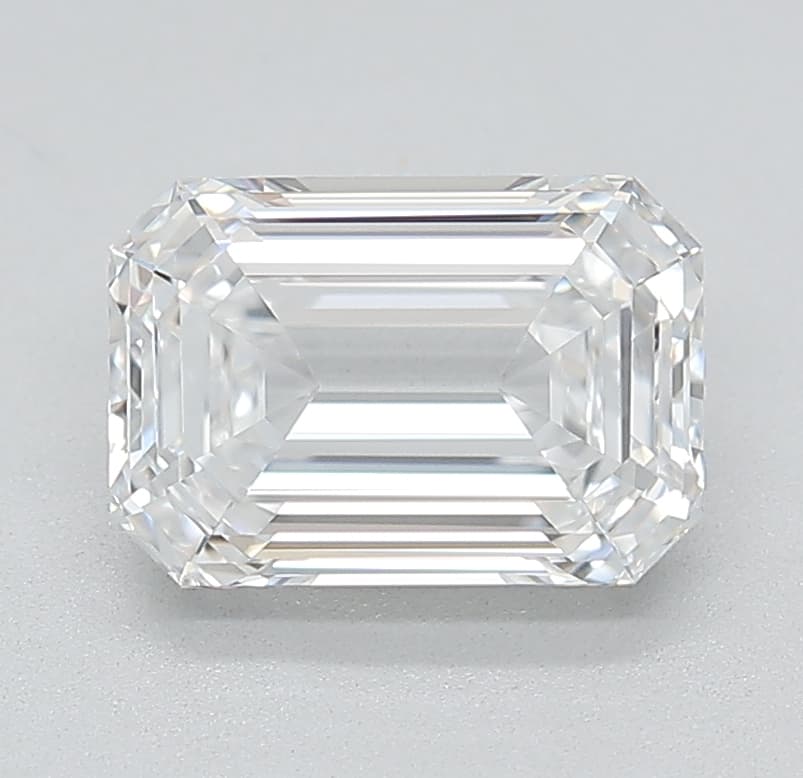
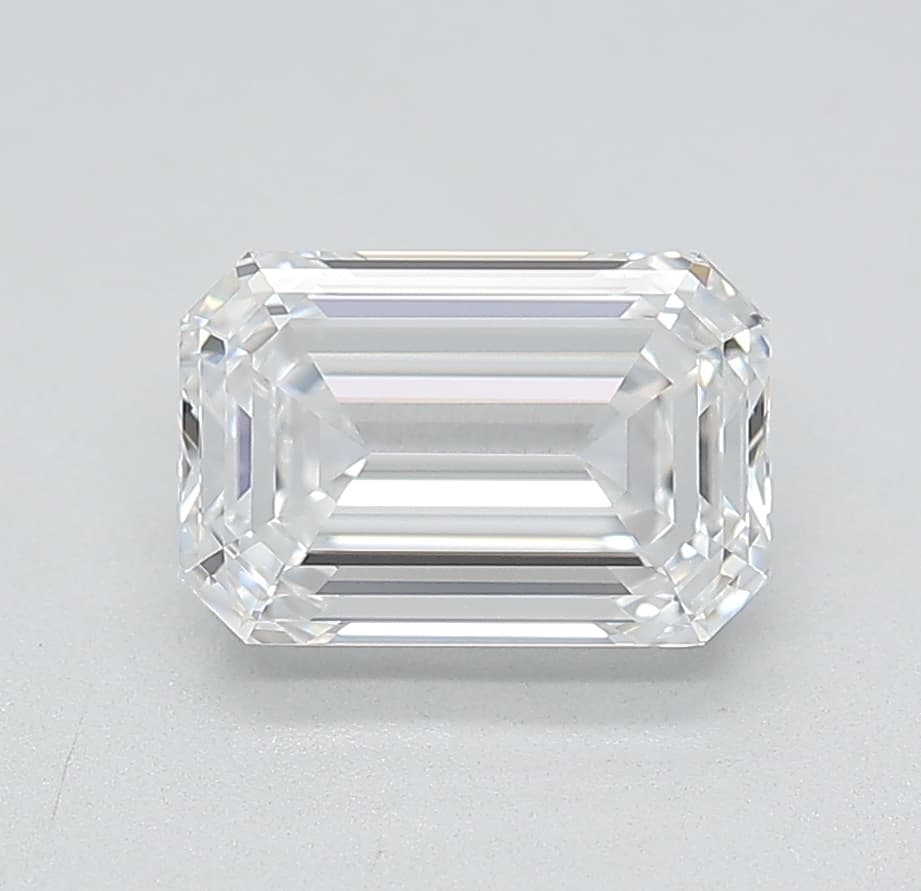
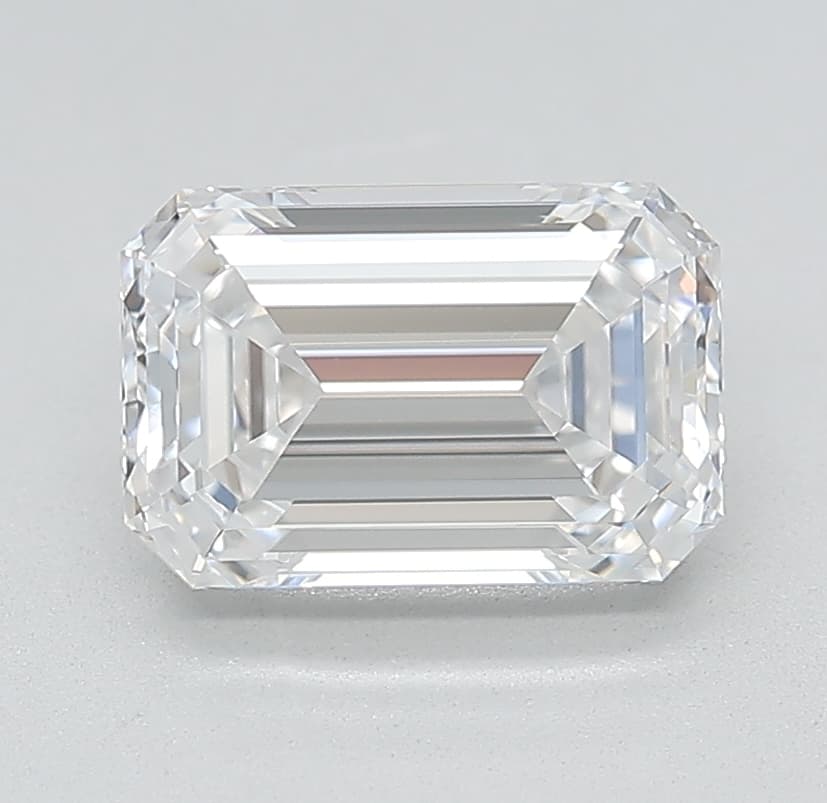
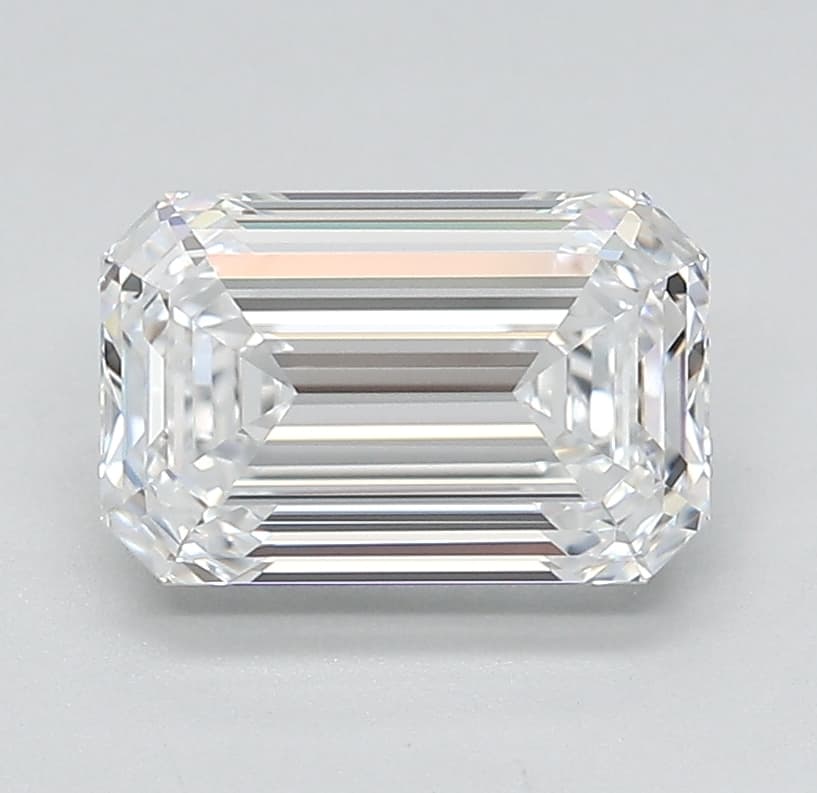
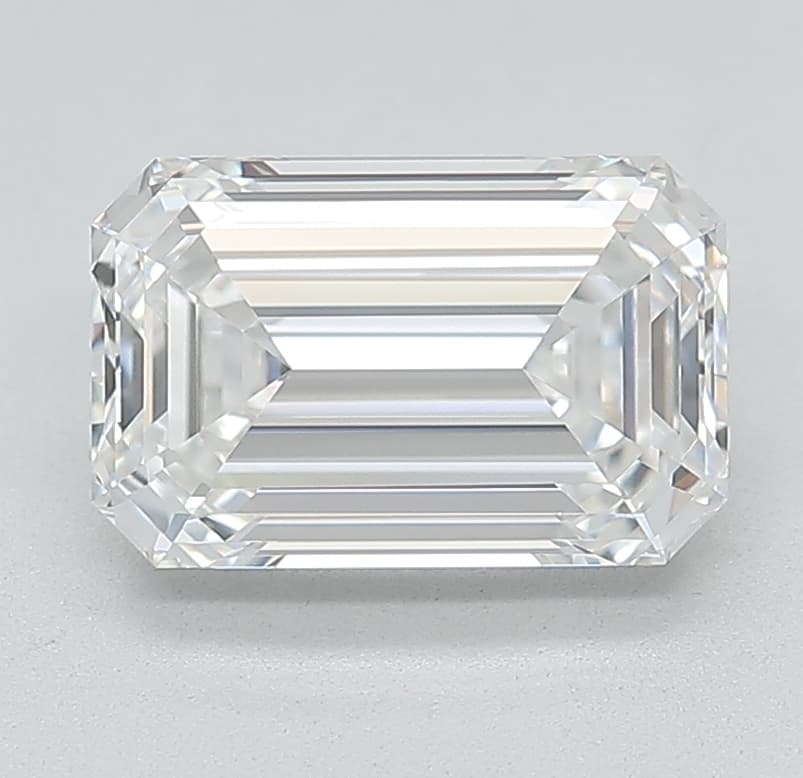
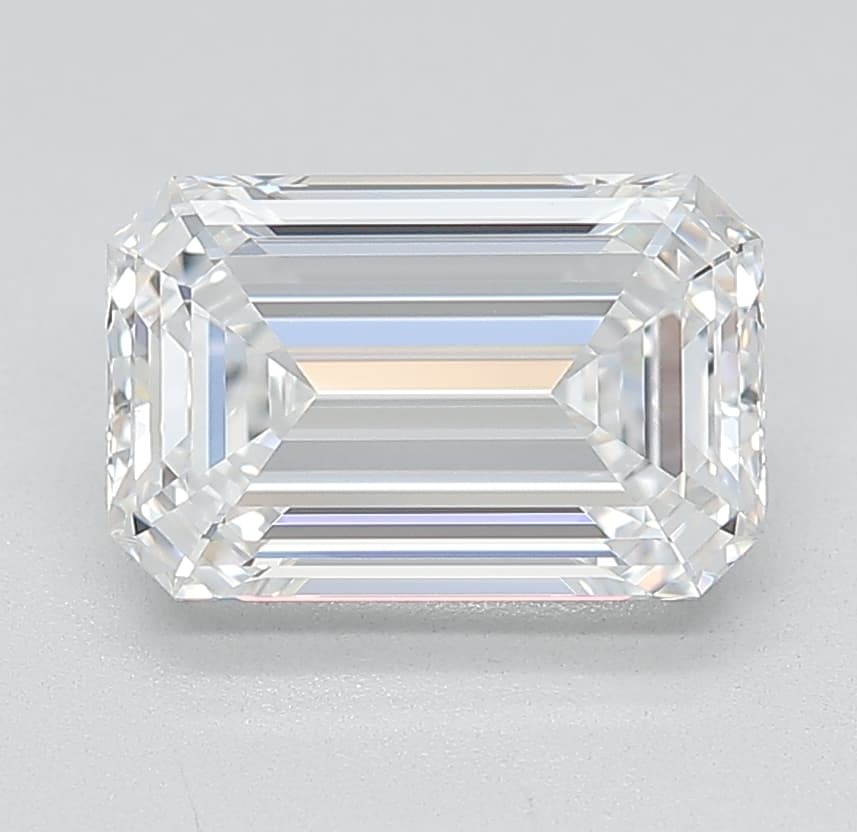
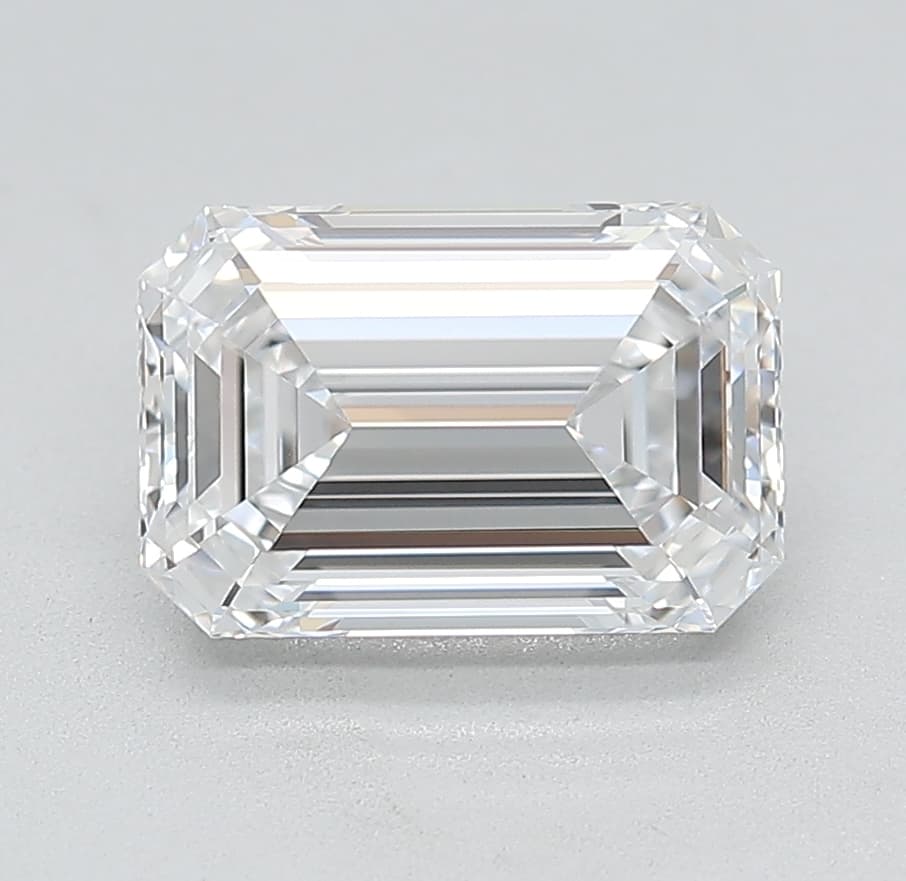
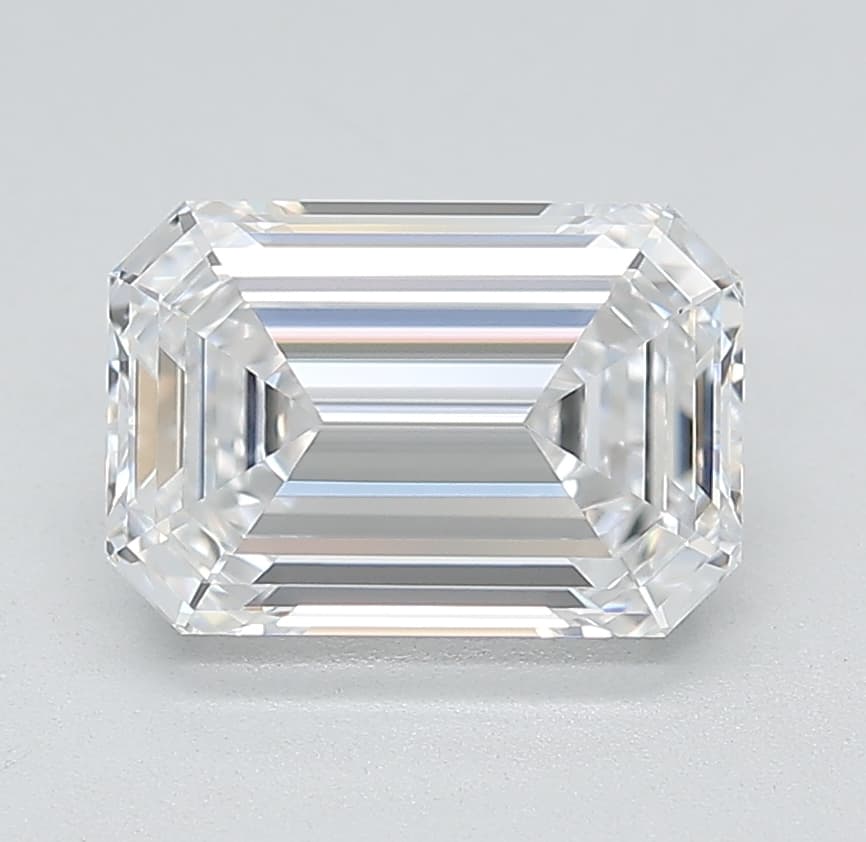
- The outline: are the two halves of an oval or pear balanced, and are the corners of a radiant or emerald cut even?
- Anything that catches your eye, such as an inclusion you can see without help.
If you can, compare two stones side by side. Differences that are invisible on a screen are often obvious next to each other.
Differences that are invisible on a screen are often obvious next to each other. Compare stones under the same light, not one under a lamp and one by the window.
Then use a 10x loupe
A 10x loupe is the standard magnification for grading clarity. Hold it close to your eye, bring the stone up to it rather than the other way around, and brace your hands against each other to keep everything steady. Let your specialist handle a loose stone with tweezers if you are not used to it.
With the loupe, look for:
- Inclusions that match the clarity grade on the report. In a VS or VVS stone you may need time to find them at all; that is the point of those grades.
- The girdle and any points, such as the tip of a pear or the ends of a marquise, for chips or nicks.
- The finish of the facets: clean, crisp edges and no obvious polish lines.
Our diamond clarity guide explains the grades and what each one usually looks like.
| Grade | Name | At 10× magnification | To the unaided eye |
|---|---|---|---|
| FL | Flawless | No inclusions or blemishes | Clean |
| IF | Internally Flawless | No inclusions; only minor surface blemishes | Clean |
| VVS1 | Very, Very Slightly Included 1 | Inclusions so slight they are very hard to find | Eye-clean |
| VVS2 | Very, Very Slightly Included 2 | Inclusions so slight they are very hard to find | Eye-clean |
| VS1 | Very Slightly Included 1 | Minor inclusions, difficult to somewhat easy to find | Usually eye-clean in brilliant shapes |
| VS2 | Very Slightly Included 2 | Minor inclusions, difficult to somewhat easy to find | Usually eye-clean in brilliant shapes |
| SI1 | Slightly Included 1 | Noticeable inclusions | Varies: some are eye-clean, some show an inclusion |
| SI2 | Slightly Included 2 | Noticeable inclusions | Varies: inclusions are more often visible |
| I1 | Included 1 | Obvious inclusions that may affect transparency and brilliance | Often visible |
| I2 | Included 2 | Obvious inclusions that may affect transparency and brilliance | Often visible |
| I3 | Included 3 | Obvious inclusions that may affect transparency and brilliance | Often visible |
Match the stone to its report
A viewing is the best moment to confirm that the diamond in front of you is the one described on paper. Check three things together:
- The report verifies on the lab’s website: igi.org for IGI or gia.edu for GIA. The report should identify the stone as laboratory-grown; an IGI report usually also states the growth method, and GIA's assessment since October 2025 does not.
- The inscription matches. The laser inscription on the girdle carries the report number; GIA also inscribes "Laboratory-Grown". It is tiny, so tilt the stone under the loupe until the light catches it, or ask your specialist to help you find it.
- The measurements agree with the millimeter dimensions and carat weight on the report (a GIA assessment since October 2025 gives the carat weight but no millimeter dimensions).
If anything does not match, raise it there and then. Our certificates guide covers each step in detail.
- 1. Report numberThe number you verify on the lab’s own website, and the one laser-inscribed on the girdle.
- 2. DescriptionStates that the stone is laboratory-grown.
- 3. Shape, measurements and weightShape and cutting style, length, width and depth in millimeters, and carat weight to two decimals.
- 4. GradesColor, clarity, cut (round brilliants), polish, symmetry and fluorescence. Since October 2025, GIA’s assessment of colorless to near-colorless lab-grown stones gives only Premium or Standard instead of these grades.
- 5. CommentsThe growth method (CVD or HPHT), the diamond type and whether there is any indication of treatment. GIA’s assessment since October 2025 has no such comments.
- 6. Proportions diagramTable and depth percentages, crown and pavilion angles, girdle and culet.
- 7. Clarity plotOn reports that include one, a map of where the main inclusions sit.
Questions worth asking at the appointment
- Where is the stone held now, and what is the delivery route and timing if I go ahead?
- What do the comments on the report say about growth method and any post-growth treatment? (IGI reports have them; GIA's assessment since October 2025 does not.)
- Does the fluorescence grade have any visible effect in this stone?
- How will this color look in the metal I have in mind?
- Can I compare it with another stone of a similar weight or shape?
- What are the return terms for this stone? Retail buyers ask for a Return Authorization (RA) number within 14 days of signed delivery (the date in the carrier’s tracking) and ship the stone back within the RA’s 7 days, insured and with signature, with no restocking fee; our returns policy sets out the steps.
A good specialist will be glad to answer every one of them, and none of them commits you to anything.
After the viewing
Write down your impressions as soon as you leave: which stone you kept looking at, and why. First reactions are often the most telling. If you are going ahead, add the stone to your cart and check out: the stone is checked live and held for you for 15 minutes while you pay, and a diamond specialist then confirms your order, usually within a day. Trade accounts add it to their cart and choose Review order.
If you would like to start a shortlist for a visit, the stones below reward a look in person. A specialist can also suggest others for you to see at the same appointment.
Frequently asked questions
Can I see a lab-grown diamond in person before I buy it?
Yes, by appointment. Where a stone can be brought to one of our offices in New York, Mumbai or Surat, you can view it there before you decide: ask a diamond specialist, with the stock ID and the office that suits you. A viewing does not reserve the stone, so until you check out it can still sell to another buyer.
What should I bring to a diamond viewing?
Your shortlist of stone IDs and report numbers, notes on anything you saw in the videos, and if it helps, a ring you already wear or a photo of the setting you want. You can bring a 10x loupe if you have one; ask when you book what else is useful.
Can I tell a lab-grown diamond from a natural one at a viewing?
Not by eye or with a loupe. Lab-grown and natural diamonds are the same material, and identifying them needs laboratory instruments. The grading report and the laser inscription that matches it are what identify a stone as laboratory-grown.
Why does a diamond look different in person than in its video?
Lighting, screen settings and camera exposure all change how a stone appears. Seeing it in daylight-like light, under a spot lamp and in ordinary indoor light gives a fuller picture than any single video.
Glossary terms in this article
More on Buying & Care in the journal.