Grading, Explained
Blue Tinge in Lab-Grown Diamonds: What It Is and When It Matters
By the Vanora Diamond team
Published Last reviewed 4 min read

Quick answer
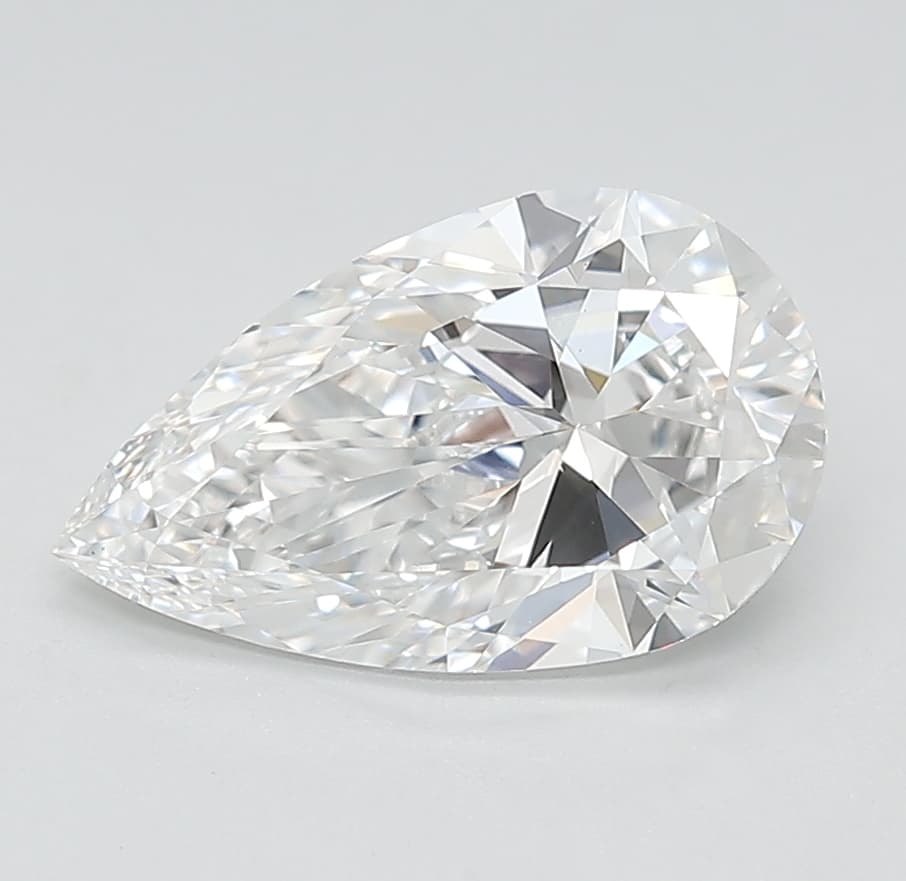
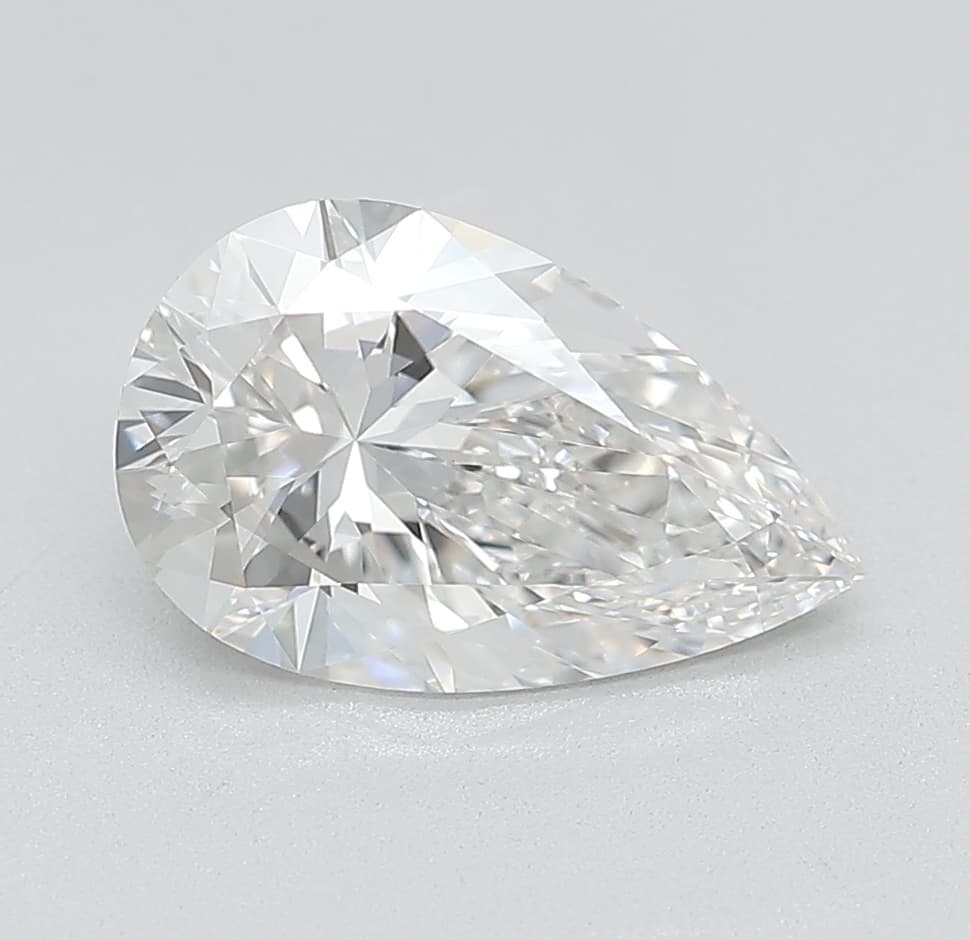
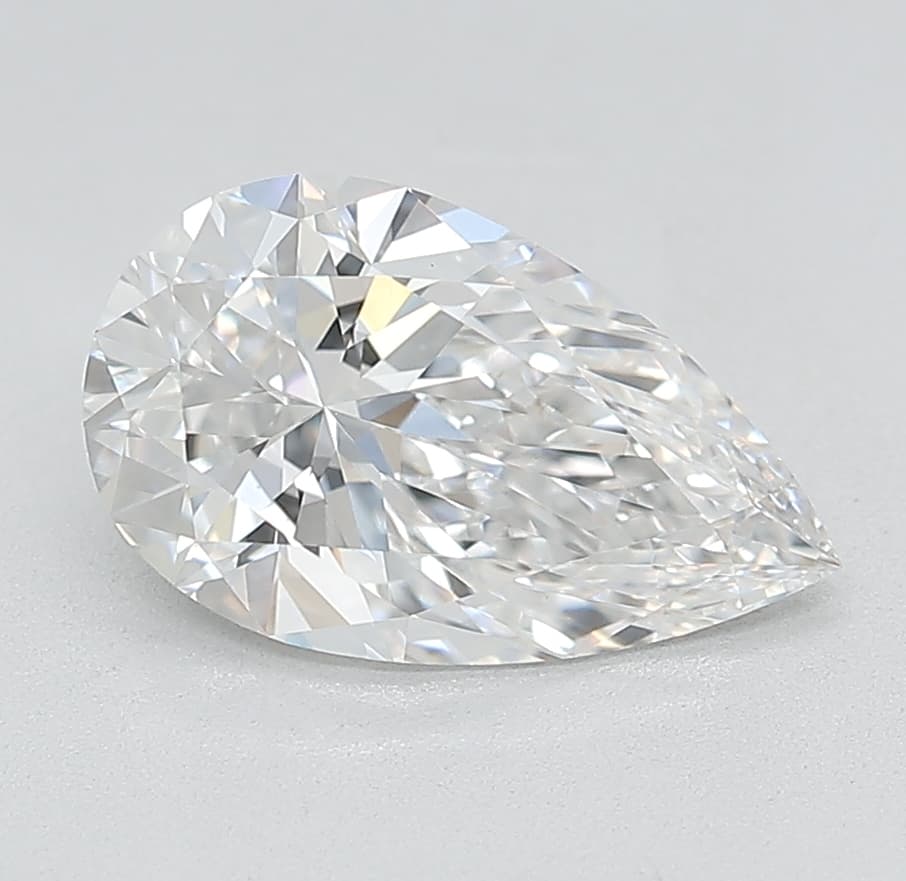
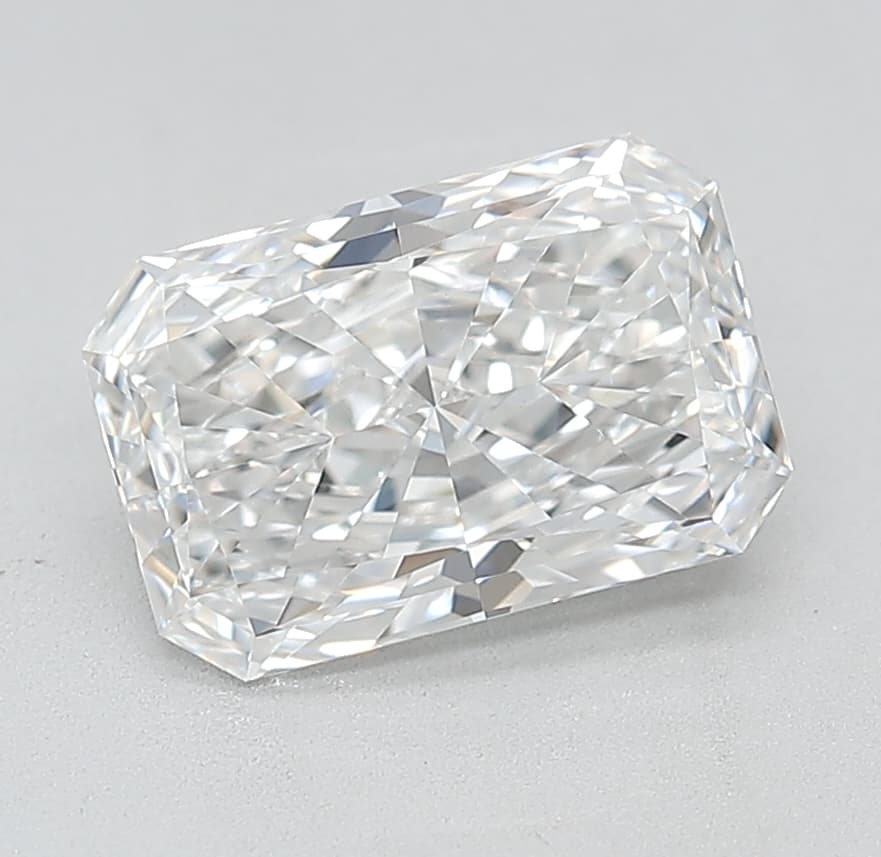
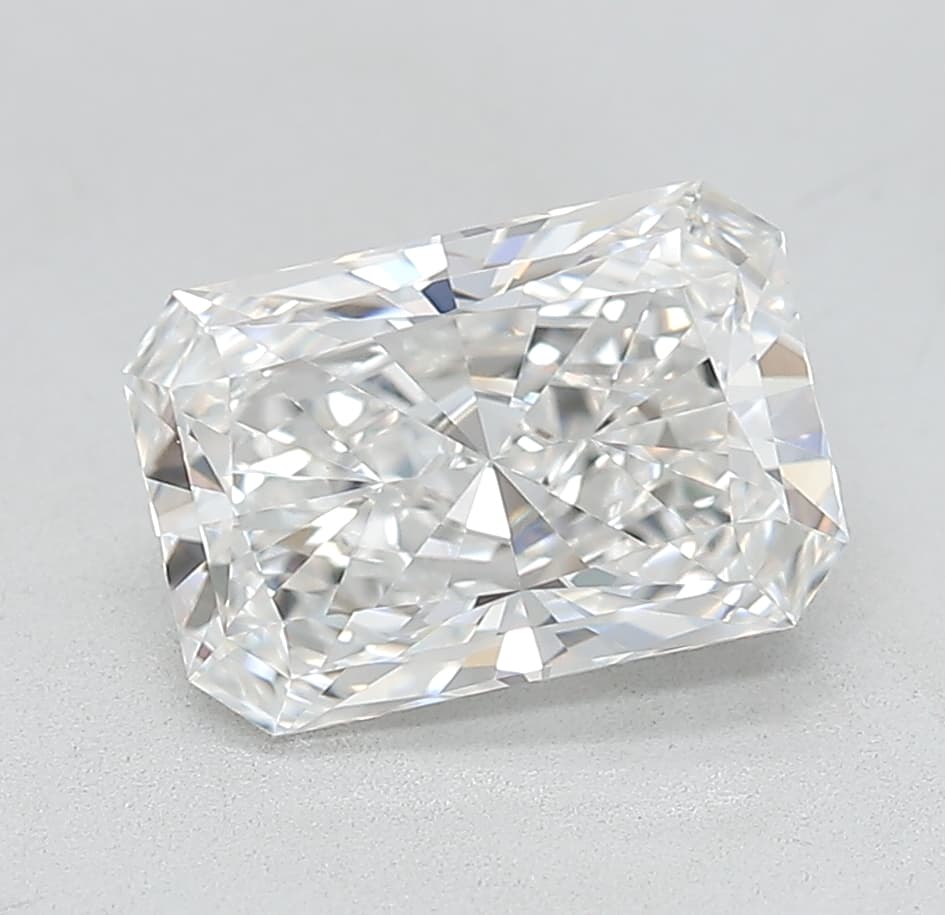
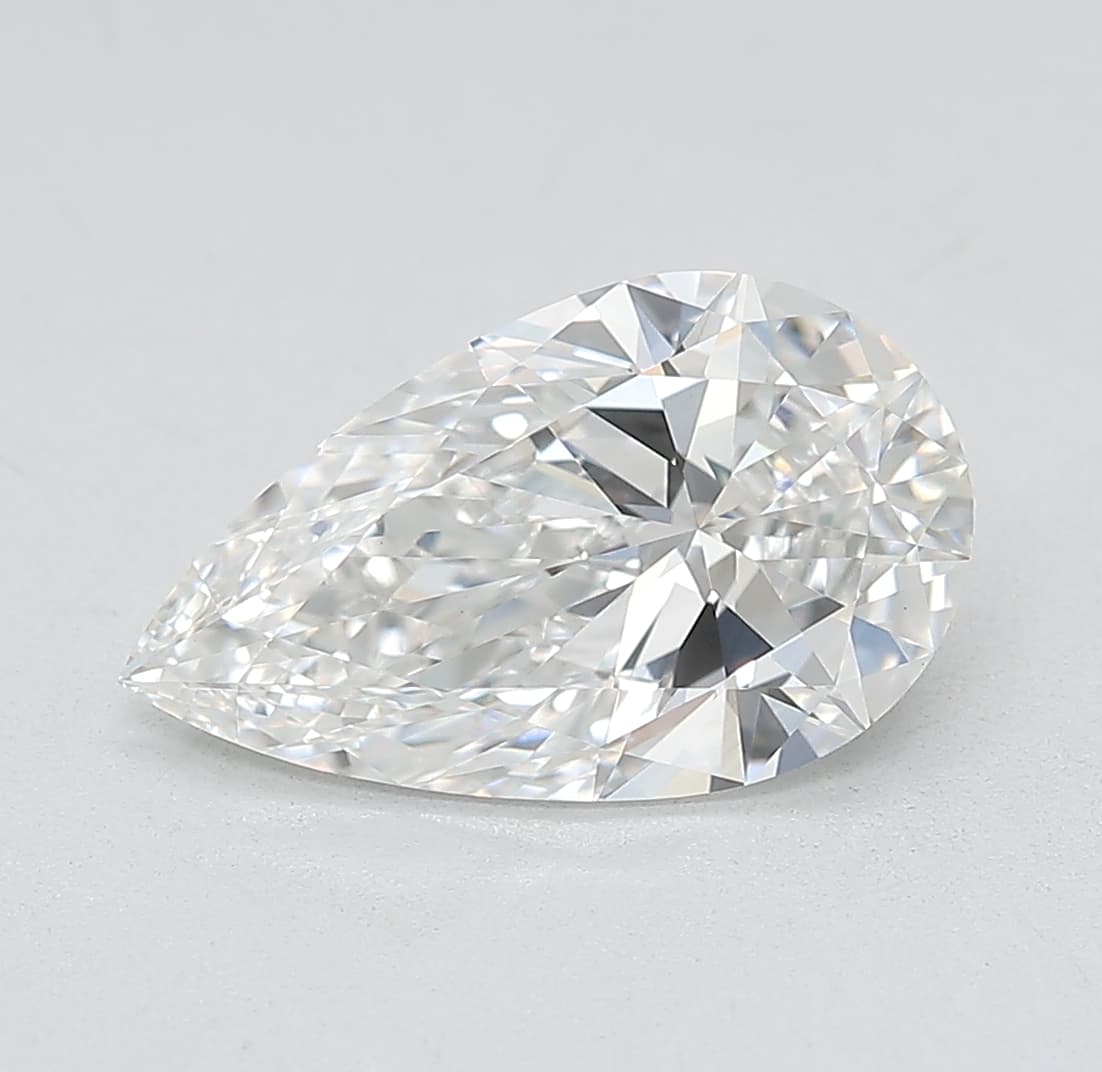
A blue tinge is a faint cool, bluish or grayish-blue cast in a near-colorless lab-grown diamond, visible in ordinary light. It is usually linked to traces of boron, which HPHT-grown crystals can take up during growth. It does not affect durability, and some people like its icy look, but it can read as slightly gray in some lighting, so check the Tinge line and the video before choosing a stone that has one.
What a blue tinge is
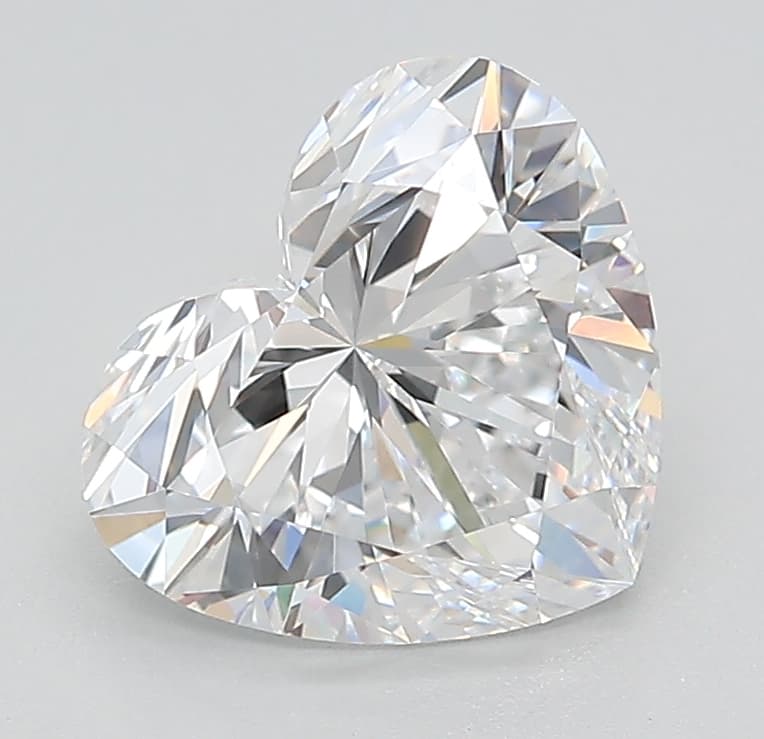
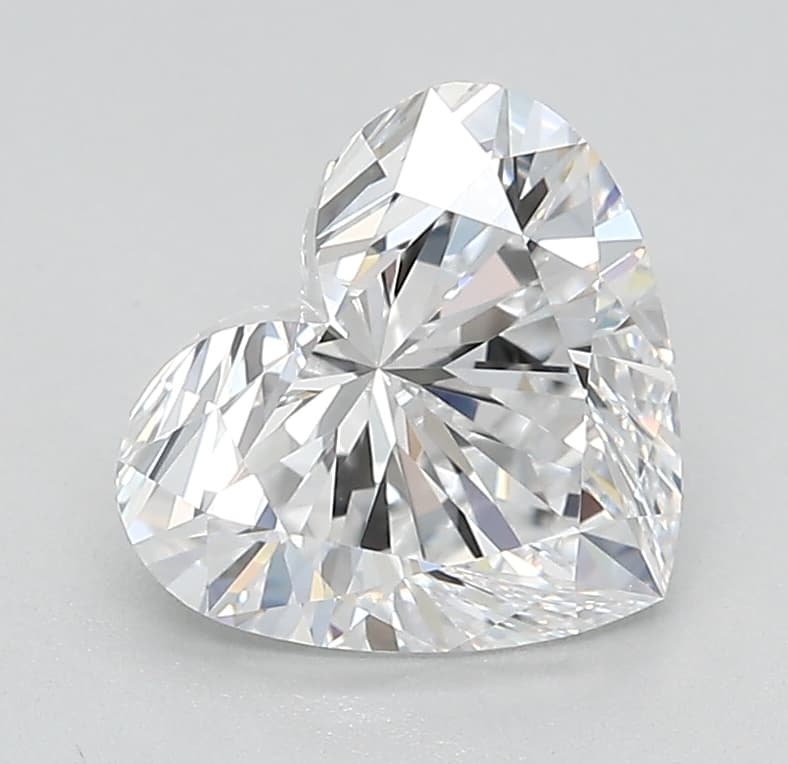
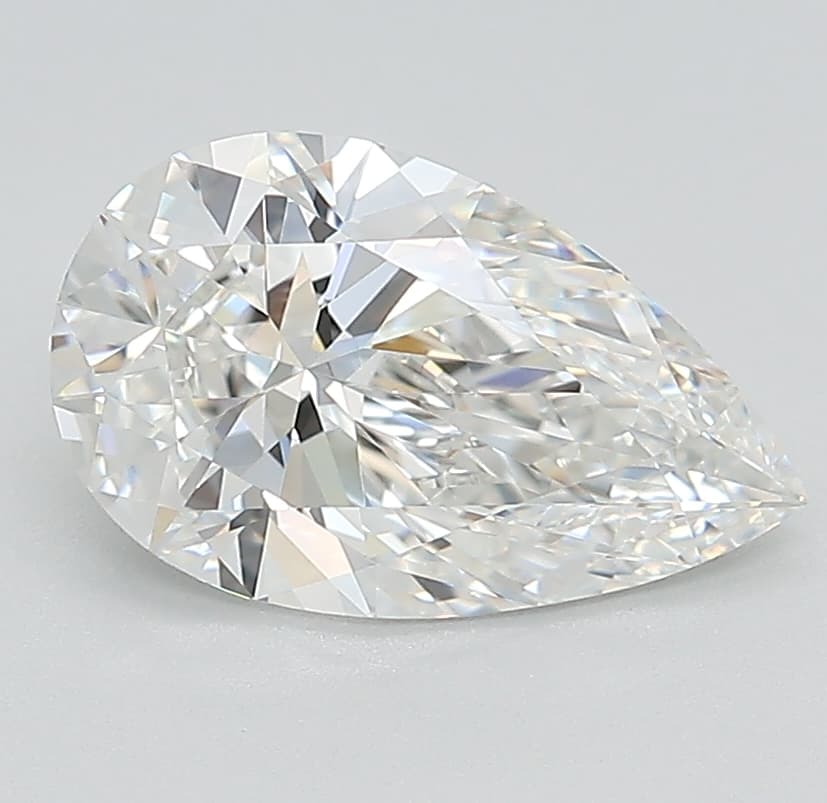
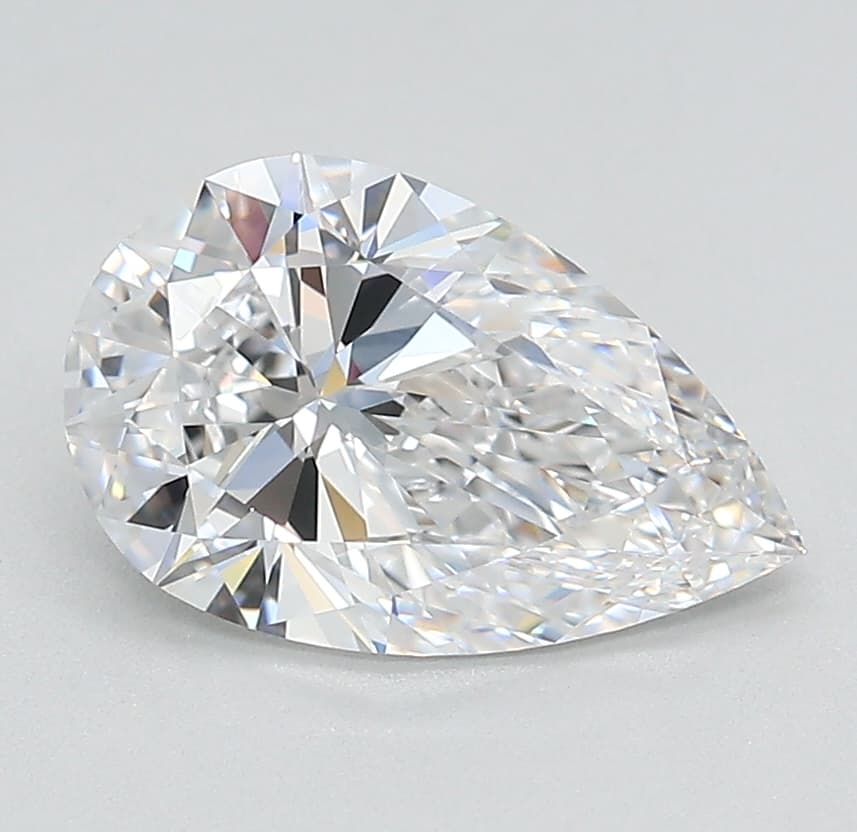
A tinge is an undertone that a diamond's color grade alone does not fully describe. The trade usually talks about BGM: brown, green and milky. A blue tinge is a different, cooler kind: a faint bluish or grayish-blue cast in a stone that is otherwise near-colorless.
Two things make it distinct:
- It is body color. You see it in ordinary light, all the time, not only under a UV lamp.
- It is faint. A stone with a tinge is still a white diamond graded on the D-to-Z scale. A diamond with a distinct blue hue is graded as a fancy color instead, and is a different purchase altogether.
Whether you notice it depends on the stone, the light and your own eye. Some people never see it; others pick it out at once next to a neutral stone.
| Compared | Blue tinge | Fancy blue |
|---|---|---|
| What you see | A faint bluish or grayish-blue cast | A distinct blue hue |
| Graded on | The D-to-Z scale, as a white diamond | The fancy color scale |
| On the report | No field for tinge | Part of the color grade |
Where a blue tinge comes from
Color in diamond comes from trace elements and defects in the crystal. Nitrogen tends to give yellow, and boron gives blue. Diamonds containing boron are classed as type IIb.
HPHT growth can take up traces of boron. Near-colorless HPHT diamonds are typically type IIa, with no detectable nitrogen, but some are type IIb with traces of boron. In larger amounts, boron makes a diamond clearly blue, which is how many blue lab-grown diamonds get their color. In very small amounts it can leave a near-colorless stone with only a slight cool cast. That is why a blue tinge is most often discussed in connection with HPHT-grown stones.
Neither growth method is better by default. A blue tinge is simply one of the things to look for when you compare individual stones. Our CVD vs HPHT guide explains how the two methods differ.
- 1A gas mixture, typically methane and hydrogen, flows into a low-pressure chamber.
- 2Energy turns the gas into a plasma.
- 3Carbon from the gas settles on thin, flat diamond seed plates and builds the crystal up layer by layer.
- 4The flat, tabular rough is then cut and polished.
- 1A large press creates roughly 5 to 6 gigapascals and 1,300 to 1,600 °C.
- 2Inside the growth cell, a molten metal such as iron, nickel or cobalt dissolves a carbon source.
- 3The carbon crystallizes on a small diamond seed, typically as a cuboctahedron.
- 4The rough is then cut and polished.
How it shows on the report and on our pages
IGI and GIA reports do not have a field for tinge. The color grade measures how far a stone is from colorless, and a stone with a slight cool cast can still receive a near-colorless grade. The report alone therefore cannot tell you whether a stone has a blue tinge.
Our stone pages fill part of that gap. Every stone's specifications include a Tinge line, which reads "None reported" or names the tinge noted for that stone, for example Blue. Read it alongside:
- The color grade. The grade and the tinge together describe how white the stone looks.
- The growth method. Shown in the specifications and in the comments of an IGI report.
- The 360° view. The only way to judge how the tinge actually looks.
"None reported" means no tinge has been noted for that stone, not that it has been tested for one. The video is still your best check.
On our stone pages, “None reported” means no tinge has been noted for that stone, not that it has been tested for one. The video is still your best check.
When it matters, and when it does not
A blue tinge does not affect hardness, durability or how the diamond is cut. It is a question of appearance and taste. These are tendencies, not rules:
| Situation | Effect of a slight blue tinge |
|---|---|
| Bright daylight | Can look crisp or icy, which some people like |
| Dim or warm indoor light | Can read as slightly gray or steely |
| Large stones and step cuts | Easier to notice, because light travels further and facets are open |
| Next to a neutral stone | Easier to notice, so it matters for matched pairs and three-stones |
| Platinum or white gold | Tends to sit comfortably with cool metal |
| Yellow or rose gold | The contrast with warm metal can make it more noticeable |
If you prefer a neutral white, choose a stone with no tinge noted. If you like a cool look and the video pleases you, a slight blue tinge is not a defect.
A practical note: diamond testers
Boron makes diamond electrically conductive. Some handheld testers use electrical conductivity to flag moissanite, so a diamond containing boron can be misread as moissanite by such a tester. If this happens with a stone you own, it is a known quirk of those testers, not a sign that the stone is not diamond.
The grading report settles the question. Match the laser inscription on the girdle to the report number and verify the report on the lab's website. Our post on checking a laser inscription walks through it.
How to check a stone for a blue tinge
- Read the Tinge line in the stone's specifications.
- Watch the 360° view against a white background, face-up and from the side. Look for a cool gray or blue cast rather than a bright, neutral white.
- Compare with a neighbor. Watch a video of a stone of the same color grade with no tinge noted. Differences are much easier to see side by side.
- Consider the colorless grades. If neutrality matters most, D to F stones give you the most room; browse D color stones, and see our post on D, E and F color for how to choose between the three.
- Ask for a second look. One of our diamond specialists can review the video with you before you buy.
Search does not filter by tinge, so the stones suggested below are colorless D to F stones from 2 to 4 carats. Open any one and check its Tinge line in the specifications.
Frequently asked questions
Is a blue tinge bad in a lab-grown diamond?
Not necessarily. It does not affect durability, and some people like the cool, icy look. It can read as slightly gray in dim or warm light and is easier to notice in large stones and next to a neutral stone, so check the video and decide whether you like it.
Is a blue tinge the same as blue fluorescence?
No. Fluorescence is a glow that appears only under ultraviolet light and is graded on IGI reports (a GIA assessment issued since October 2025 does not show it). A blue tinge is a faint body color you can see in ordinary light, and it is not graded on IGI or GIA reports.
Why do some lab-grown diamonds have a blue tinge?
A blue cast in diamond is usually caused by traces of boron. HPHT-grown crystals can take up small amounts of boron during growth, which can leave a near-colorless stone with a slight blue or grayish-blue cast.
Does the grading report show a blue tinge?
No. IGI and GIA reports have no field for tinge, and a stone with a slight cool cast can still receive a near-colorless grade. On our stone pages, the Tinge line in the specifications shows "None reported" or the tinge noted, and the video shows how it looks.
Can a diamond with boron fail a diamond tester?
Some handheld testers use electrical conductivity to identify moissanite, and boron makes diamond conductive, so a diamond containing boron can be misread as moissanite. The grading report and its matching laser inscription are the reliable check.
Glossary terms in this article
More on Grading, Explained in the journal.