Grading, Explained
Hazy or Milky Lab-Grown Diamonds: Causes and How to Check
By the Vanora Diamond team
Published Last reviewed 5 min read

Quick answer
A diamond looks hazy or milky when something scatters light inside it or on its surface: most often skin oil and dirt on a worn ring, and less often dense clouds of tiny pinpoints, graining from growth, or very strong fluorescence in bright sunlight. A grading report does not always flag haze, so judge a lab-grown stone by its video in more than one light and by its clarity details. A crisp stone looks bright and transparent from edge to edge.
What hazy and milky mean
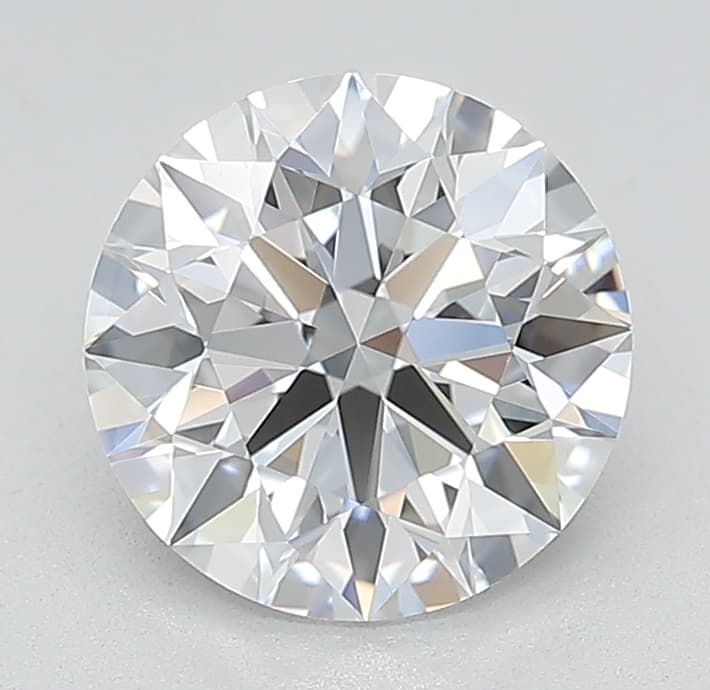
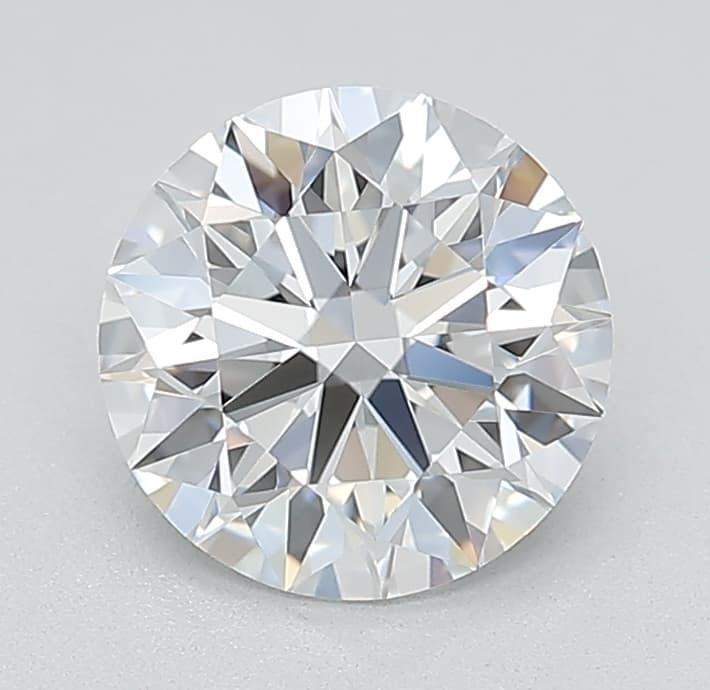
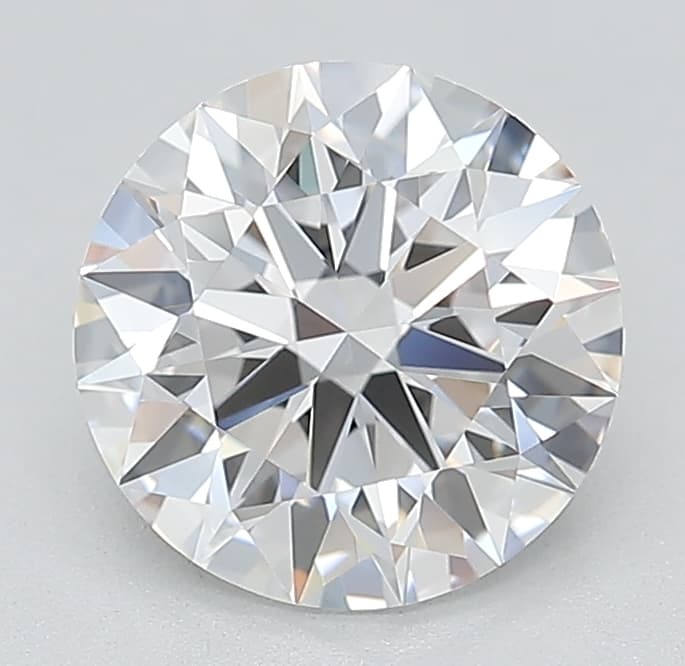
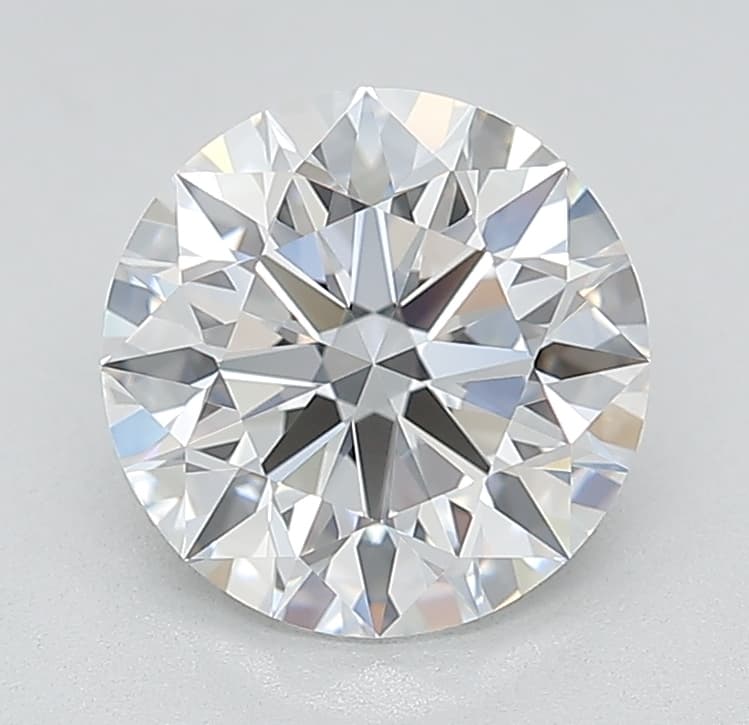
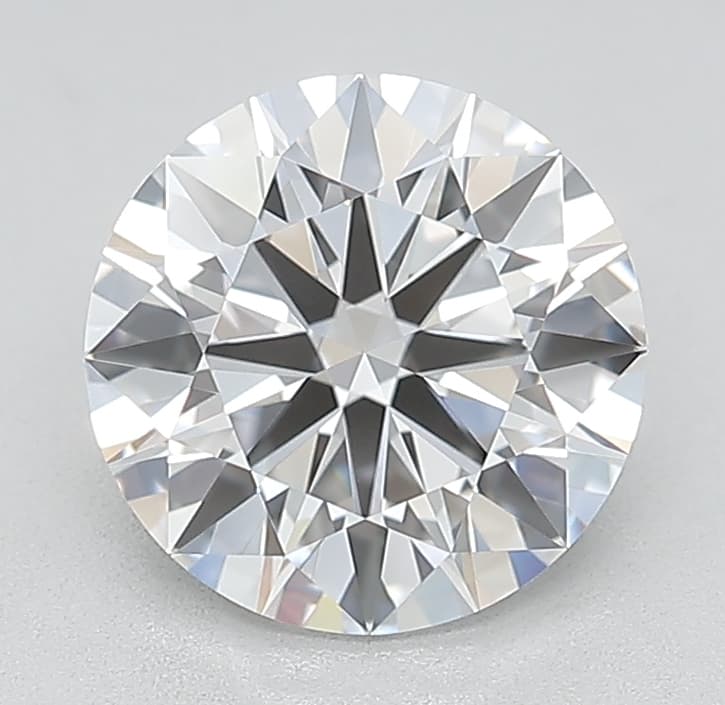
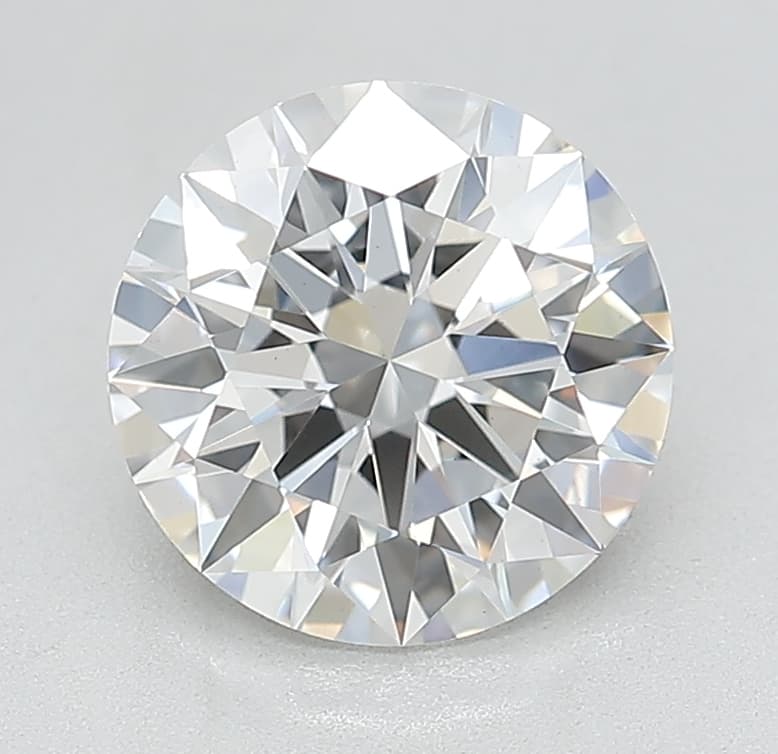
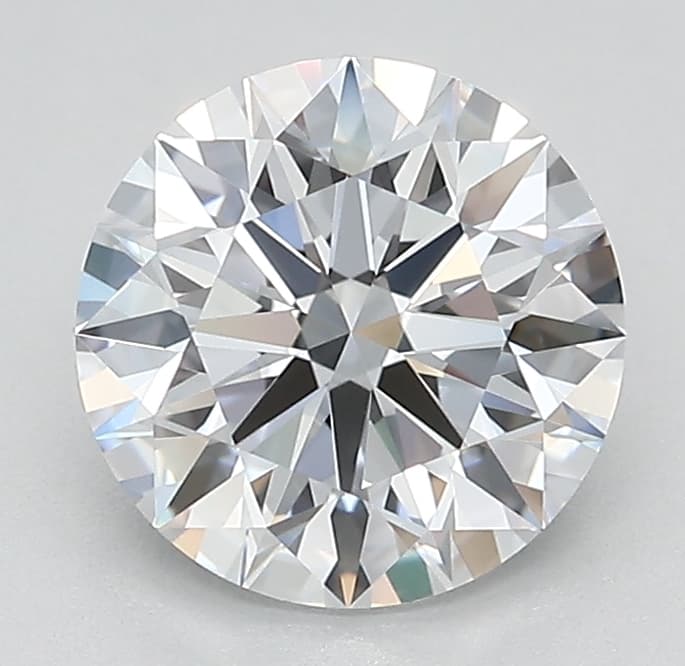
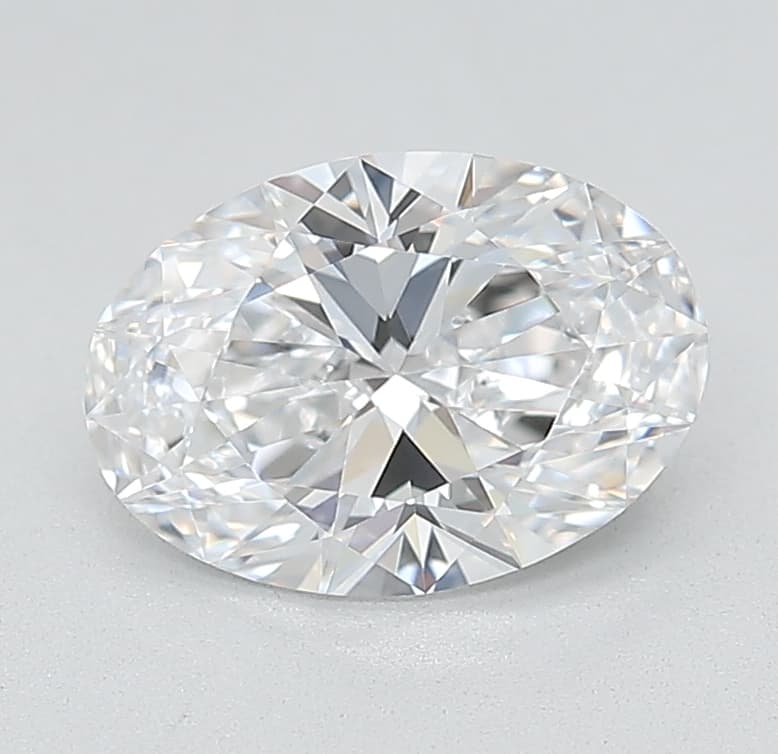
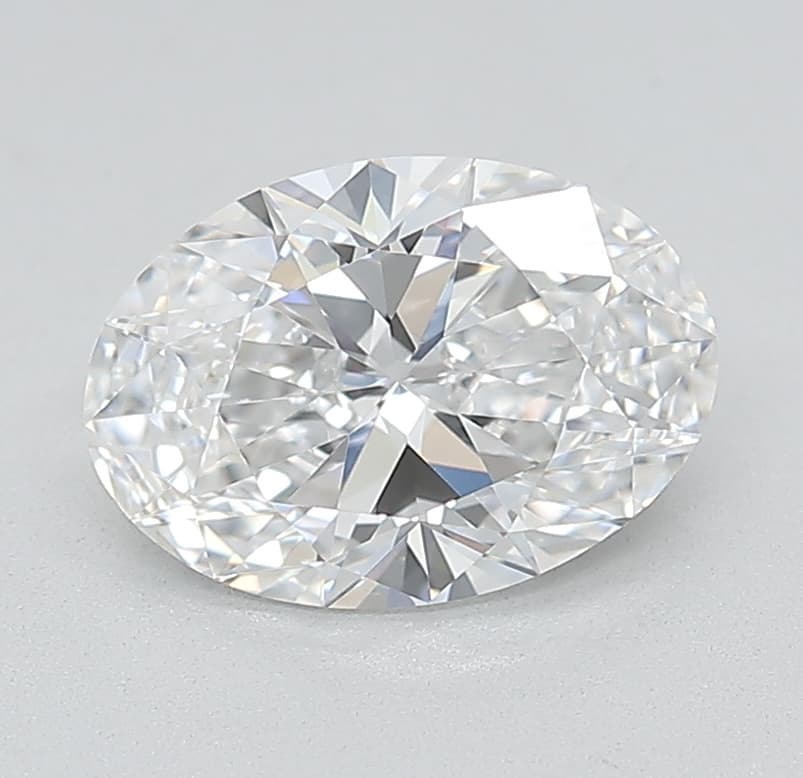
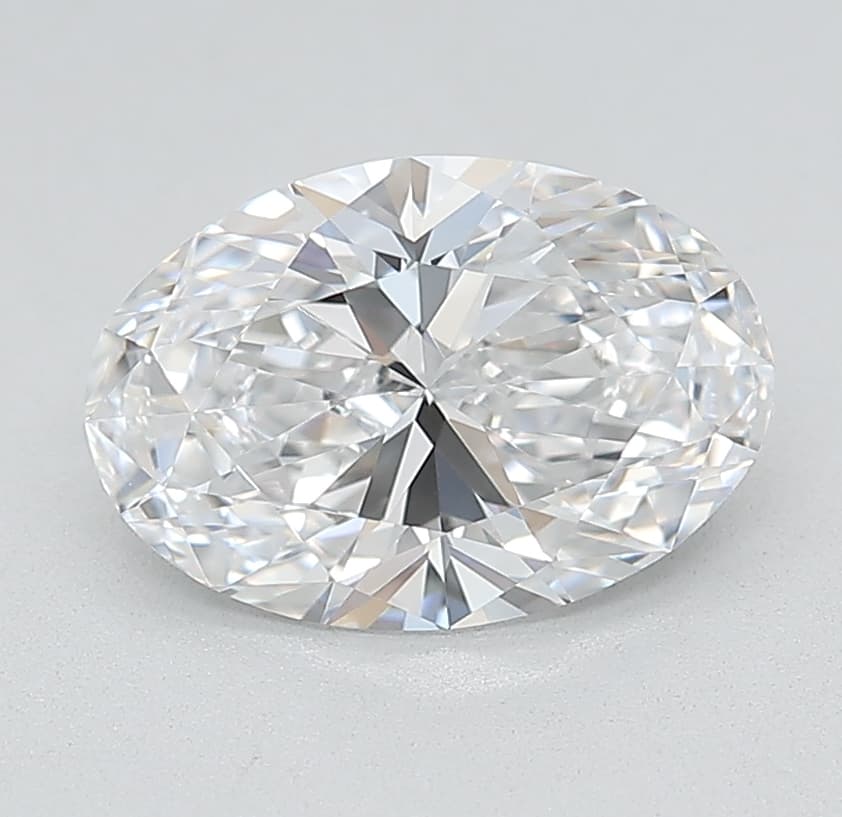
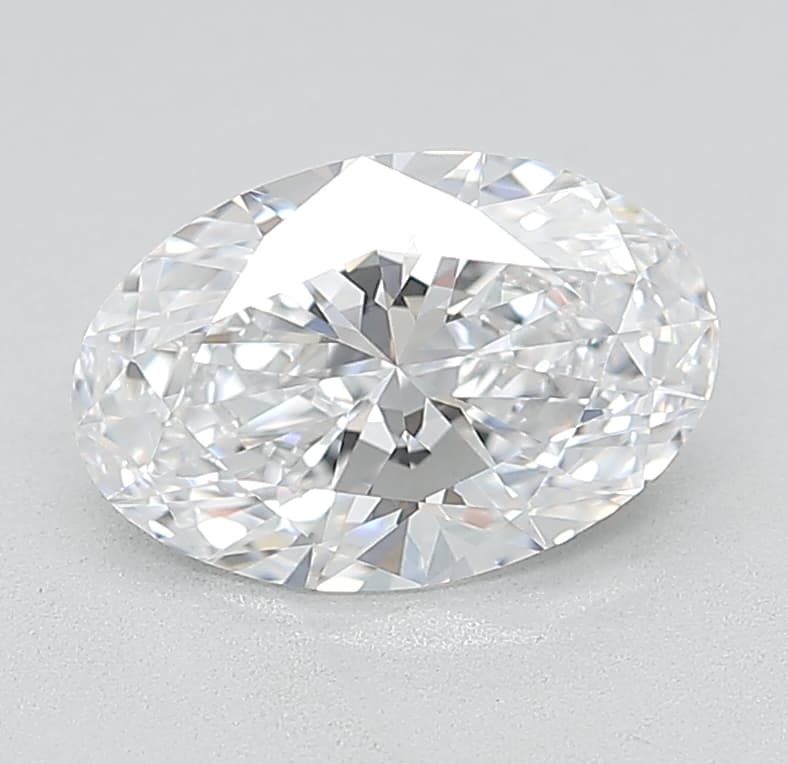
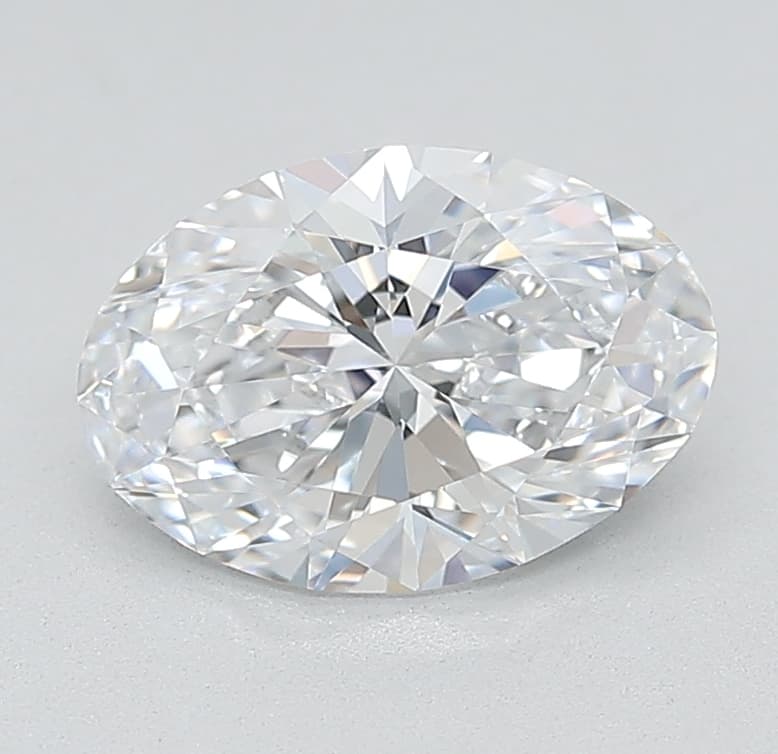
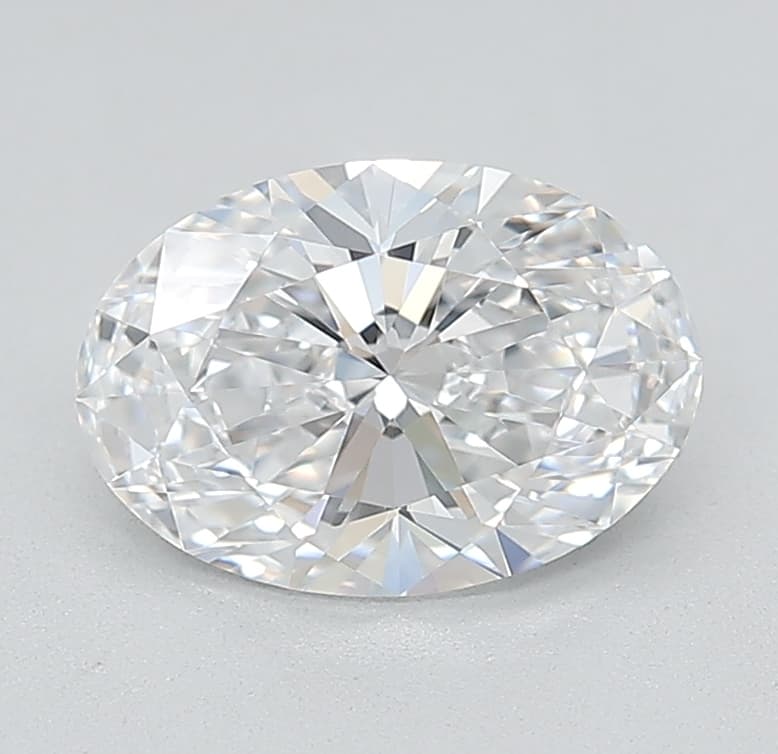
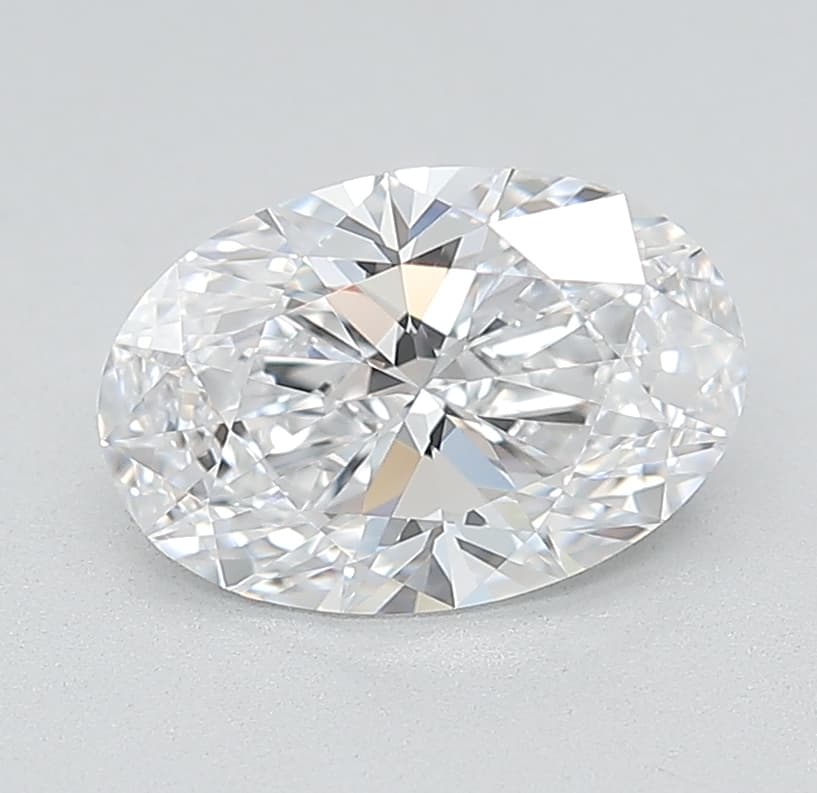
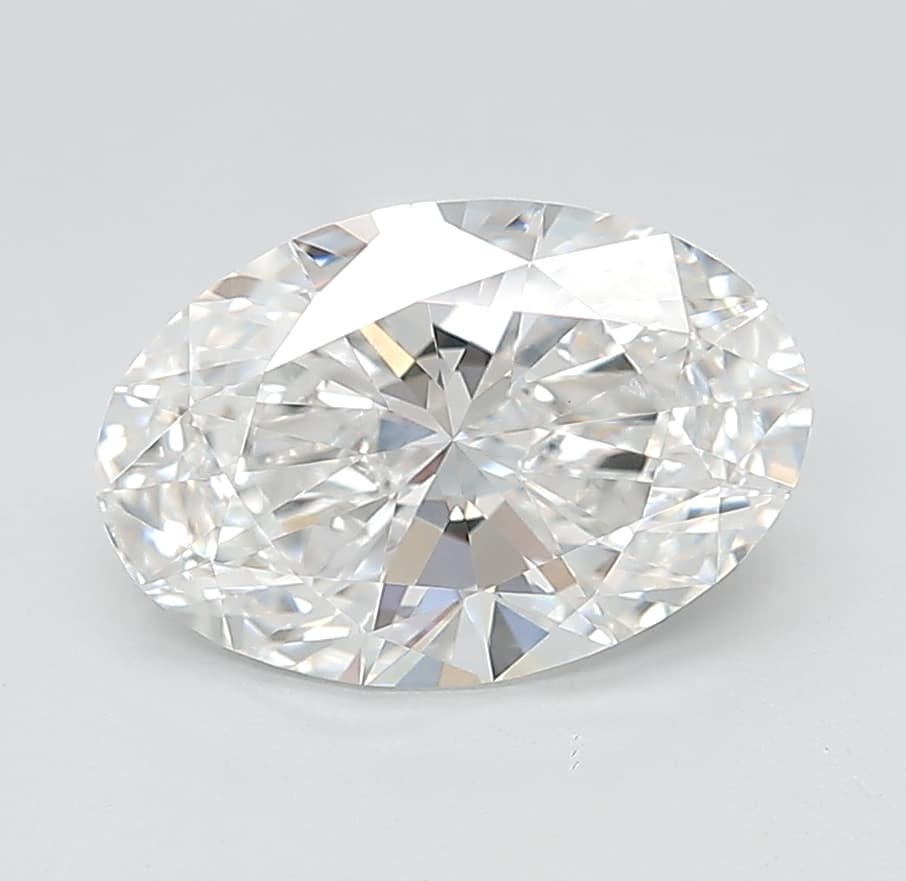
A crisp diamond has sharp edges between its bright and dark facets, and you can see clearly into it, a little like looking through clean glass. A hazy or milky stone looks softer: the contrast is lower, the facet edges look slightly blurred, and the whole stone can seem a touch cloudy, like a window with a little condensation on it.
Haze is about transparency, not color. It is a different thing from a tinge, which is a faint body color, and from fluorescence, which is a glow under ultraviolet light. Those are compared at the end of this post.
Haze is uncommon in well-graded stones, and it is usually easy to spot once you know what to look for. The good news is that its most common cause has nothing to do with the diamond at all.
The most common cause: a dirty stone
Diamonds attract grease. Skin oil, hand cream, soap and dust build up on the underside of a stone in a ring, where you cannot see or wipe them, and that film stops light from reflecting cleanly inside. The result looks exactly like haze: a dull, milky stone that used to sparkle.
A proper clean brings it back. Our post on how to clean a diamond ring gives a simple routine. A diamond does not turn cloudy on its own over time; if a worn stone looks milky, cleaning is the first thing to try. Our post on whether lab-grown diamonds change color explains why the stone itself stays the same.
A ring that has gone dull or milky is almost always just dirty underneath. Soak and gently brush the stone, rinse and dry it, then look again before assuming anything is wrong with the diamond.
When the haze is inside the stone
Less often, the cause is inside the diamond:
- Dense clouds. A cloud is a group of tiny pinpoints. Small clouds are invisible, but a large, dense one, or many spread through the stone, can scatter enough light to soften it. Our post on inclusion types explains clouds and pinpoints.
- Graining or strain from growth. Irregular growth can leave faint internal lines or planes. Usually they are invisible; when strong, they can give a slightly blurred or streaky look. This is seen in some lab-grown diamonds, particularly some CVD stones, though many CVD stones are perfectly crisp.
- Very strong fluorescence in sunlight. In rare cases, a stone with very strong fluorescence can look a little hazy outdoors. Our post on fluorescence in lab-grown diamonds covers when this happens. Stones graded None or Faint are not affected.
Internal haze cannot be cleaned or polished away, so it is worth checking before you choose a stone rather than after.
Why a report may not say so
IGI reports (and GIA reports for natural diamonds) grade clarity by looking at individual features at 10x magnification: their size, number, position, nature and contrast. There is no separate grade for overall transparency. GIA's lab-grown assessment, issued since October 2025, gives no clarity grade at all, only Premium or Standard.
Haze from fine clouds or graining may show up in other ways: a lower clarity grade, a comment such as "Clouds not shown", or a note about graining. But a grade alone does not always tell you how crisp a stone looks. Two stones with the same clarity grade can look different, and occasionally a high-clarity stone looks a little softer than a lower-clarity one.
That is not a fault of the report; it is simply a different question. The report tells you what is inside the stone. The video and your eyes tell you how it looks.
Is a slightly soft stone a problem?
Haze is about looks, not strength. A stone with dense clouds or graining is just as hard and durable as a crisp one; it will not crack, fade or get worse with wear. The only question is whether you like how it looks.
Some buyers notice a slight softness at once; others never do, especially once the stone is set and seen at arm's length. If a stone is otherwise exactly what you want, look at it next to a crisp alternative before deciding, and trust what you see rather than what the grade suggests.
The thing to avoid is discovering it after the ring is made. Because internal haze cannot be removed, the time to check is while you are still comparing stones, which is what the checklist below is for.
How to check a stone before you choose
A few minutes with the stone page answers the question for almost any diamond, and the checklist below works for lab-grown and mined stones alike.
The most useful single test is comparison. On its own, a slightly soft stone can look fine; next to a crisp one of the same shape, the difference in contrast is easy to see. Videos are filmed under bright, controlled light, so look at how sharp the facet edges are and how strongly the dark facets contrast with the bright ones, rather than at how much the stone sparkles.
If you are looking at a stone in person, try it in two kinds of light: daylight near a window and a room with ordinary indoor lighting. A crisp stone stays crisp in both.
Browse round lab-grown diamonds with the eye-clean and fluorescence lines shown on every stone page, or ask a diamond specialist to look at a video with you.
- Step 1: Watch the video in more than one lightIf the stone page has a 360° view, look for crisp facet edges and strong contrast as it turns.
- Step 2: Compare it with a crisp stoneOpen a second stone of the same shape in another tab. Haze shows most clearly side by side.
- Step 3: Read the report commentsNotes such as clouds not shown or graining are a prompt to look more closely, not a verdict.
- Step 4: Check the grading linesLook at Eye-clean (our assessment) and Fluorescence on the stone page. Strong fluorescence deserves a closer look.
- Step 5: Ask, or see it in personA diamond specialist can review the video with you, and a viewing settles any doubt.
Haze, tinge or fluorescence?
The three are easy to confuse, and our stone pages list them on separate lines:
- Haze is reduced transparency. The stone looks soft or milky in ordinary light. It comes from dirt on the surface or from dense clouds or graining inside.
- Tinge is a faint body color, such as a cool blue tint, seen in ordinary light. The stone can be perfectly crisp. Our post on blue tinge in lab-grown diamonds covers it.
- Fluorescence is a glow under ultraviolet light that stops when the UV is removed. In everyday light, None and Faint have no visible effect.
If a stone looks soft, check them in that order: clean it (or ask whether the video stone was clean), then check its clarity details, then its fluorescence. The diamond clarity guide explains how clarity is graded.
Frequently asked questions
Why does my diamond look cloudy?
Most often because oil, lotion and dirt have built up on the underside of the stone, which stops light reflecting cleanly. A careful clean usually restores the sparkle. If a clean stone still looks milky, the cause may be dense clouds or graining inside it, which a jeweler can confirm with a loupe.
Are CVD diamonds more likely to look hazy?
Some CVD stones show graining or strain from growth that can soften their look, but many CVD stones are perfectly crisp, and HPHT stones can have clouds too. Judge the individual stone by its video, clarity details and eye-clean assessment rather than by growth method alone.
Does a diamond grading report show if a diamond is milky?
Not directly. IGI grades individual inclusions at 10x and has no separate transparency grade, and GIA’s lab-grown assessment since October 2025 gives only Premium or Standard. Haze may show up as a lower clarity grade or a comment such as Clouds not shown, so read the comments and watch a video of the stone as well.
Can a hazy diamond be fixed?
If the haze is dirt on the surface, yes: cleaning fixes it. If it comes from clouds or graining inside the stone, no: polishing cannot reach inside a diamond. That is why it is worth checking a stone’s transparency before you choose it.
Glossary terms in this article
More on Grading, Explained in the journal.