Grading, Explained
VVS1 vs VVS2 Lab-Grown Diamonds: Can You See the Difference?
By the Vanora Diamond team
Published Last reviewed 5 min read

Quick answer
No, not with the naked eye: VVS1 and VVS2 diamonds both have inclusions so small that a trained grader finds them hard to see even at 10× magnification, and VVS1 inclusions are harder still. The difference is real on the report but invisible in a ring. Choose VVS2 when you want a very clean stone, and VVS1 only if the extra grade itself matters to you or you plan to look at the stone under magnification.
What VVS means
VVS stands for very, very slightly included. An inclusion is a tiny feature inside the diamond, such as a pinpoint crystal or a wisp of cloud, left by the way the crystal grew. Labs grade clarity by how easy those features are to see at 10× magnification, the standard for grading.
At the VVS level, they are very hard to find. A skilled grader with a loupe or a microscope has to search for them, and they are often seen only from certain angles. The grade is split in two:
- VVS1: extremely difficult to see at 10×. The features are often visible only through the pavilion, the underside of the stone.
- VVS2: very difficult to see at 10×, but a little easier to find than in VVS1.
Typical features at this level are a few pinpoints, a faint cloud or a very small feather.
Where VVS sits on the clarity scale
The clarity scale runs from Flawless to Included. VVS1 and VVS2 sit just below the top two grades, FL (no inclusions or blemishes at 10×) and IF (no inclusions, only tiny surface marks), and above VS1 and VS2.
In other words, a VVS stone is the third and fourth grade from the top of an eleven-step scale. Everything from VS2 upward is clean to the eye in most stones, so VVS is comfortably past the point where clarity affects how a diamond looks. Our post on FL, IF and VVS1 covers the grades above.
| Grade | Name | At 10× magnification | To the unaided eye |
|---|---|---|---|
| FL | Flawless | No inclusions or blemishes | Clean |
| IF | Internally Flawless | No inclusions; only minor surface blemishes | Clean |
| VVS1 | Very, Very Slightly Included 1 | Inclusions so slight they are very hard to find | Eye-clean |
| VVS2 | Very, Very Slightly Included 2 | Inclusions so slight they are very hard to find | Eye-clean |
| VS1 | Very Slightly Included 1 | Minor inclusions, difficult to somewhat easy to find | Usually eye-clean in brilliant shapes |
| VS2 | Very Slightly Included 2 | Minor inclusions, difficult to somewhat easy to find | Usually eye-clean in brilliant shapes |
| SI1 | Slightly Included 1 | Noticeable inclusions | Varies: some are eye-clean, some show an inclusion |
| SI2 | Slightly Included 2 | Noticeable inclusions | Varies: inclusions are more often visible |
| I1 | Included 1 | Obvious inclusions that may affect transparency and brilliance | Often visible |
| I2 | Included 2 | Obvious inclusions that may affect transparency and brilliance | Often visible |
| I3 | Included 3 | Obvious inclusions that may affect transparency and brilliance | Often visible |
Can you see the difference between VVS1 and VVS2?
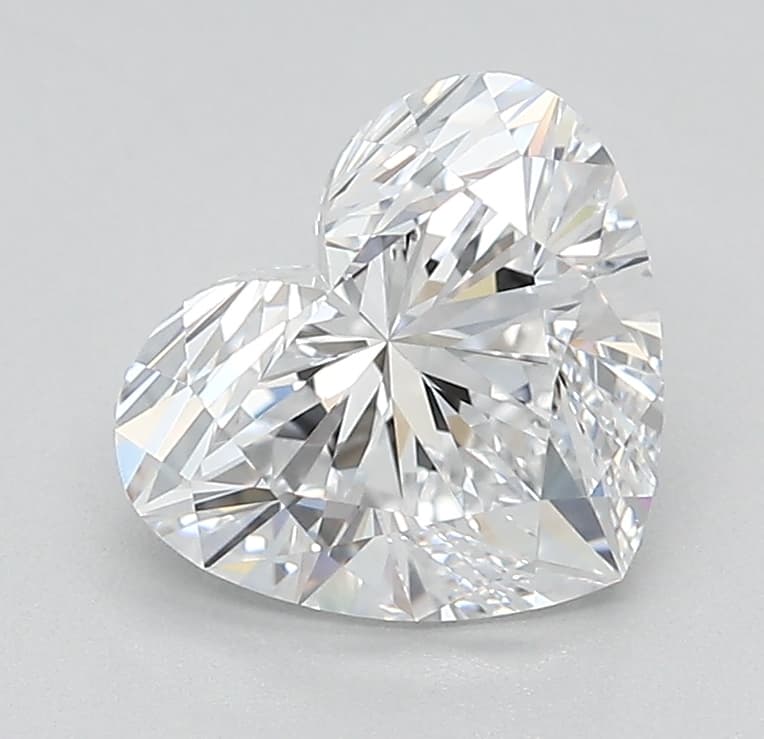
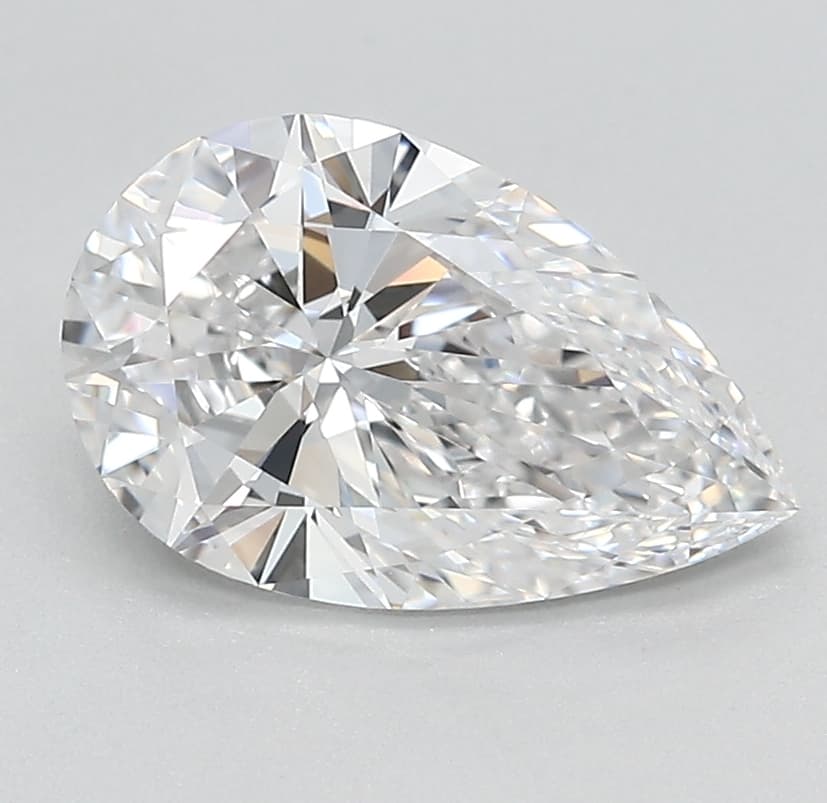
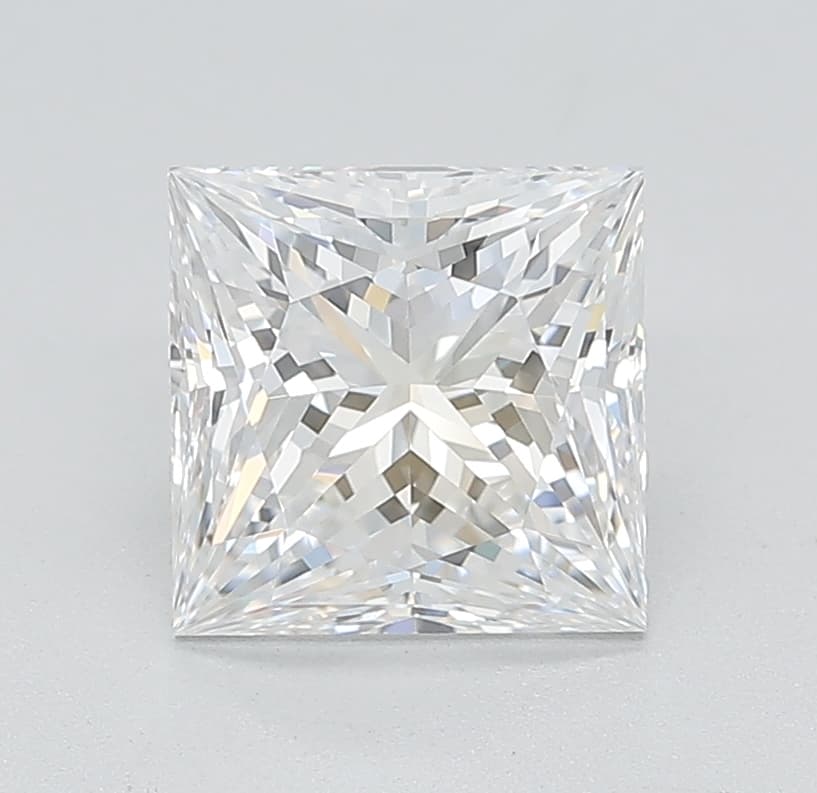
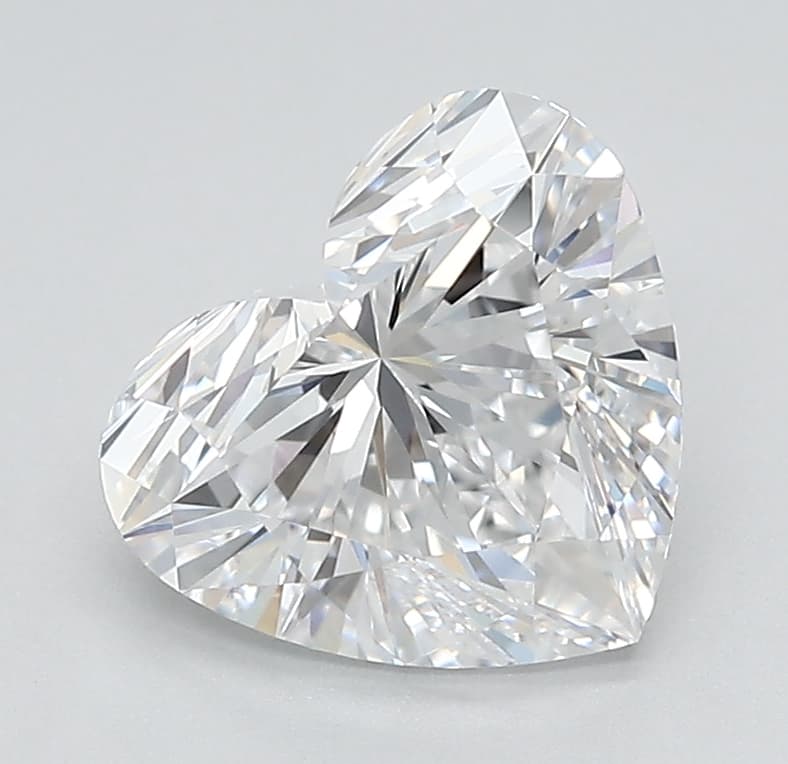
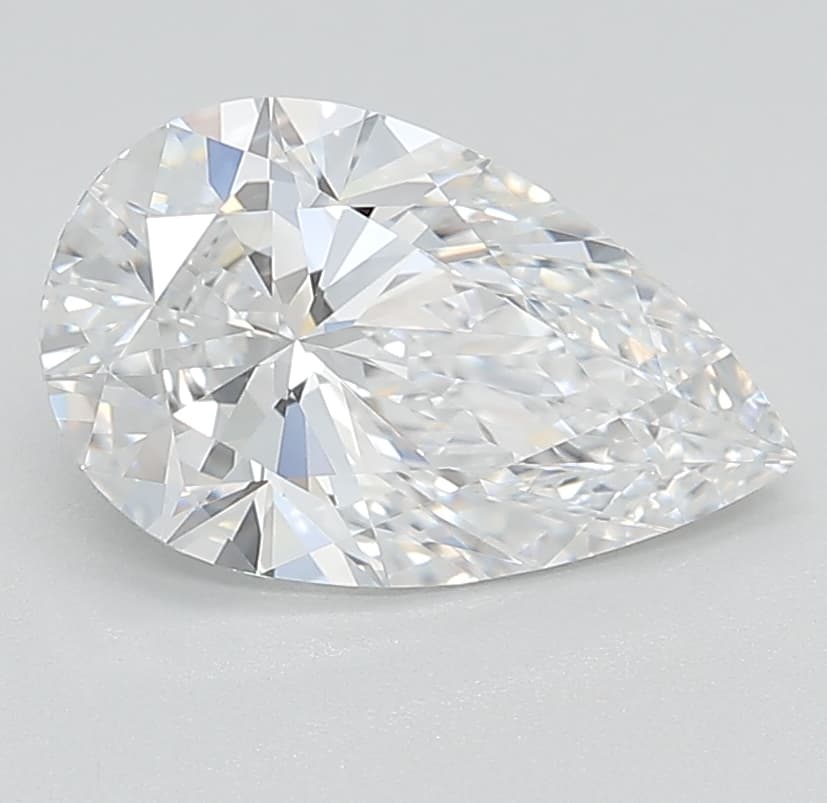
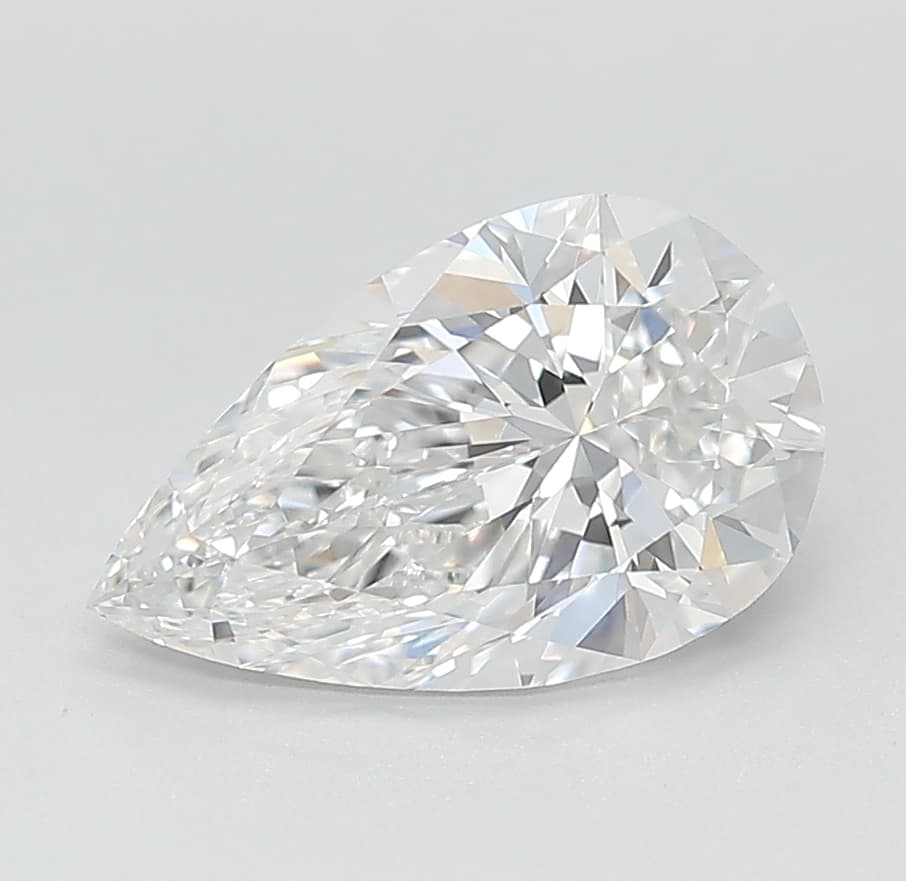
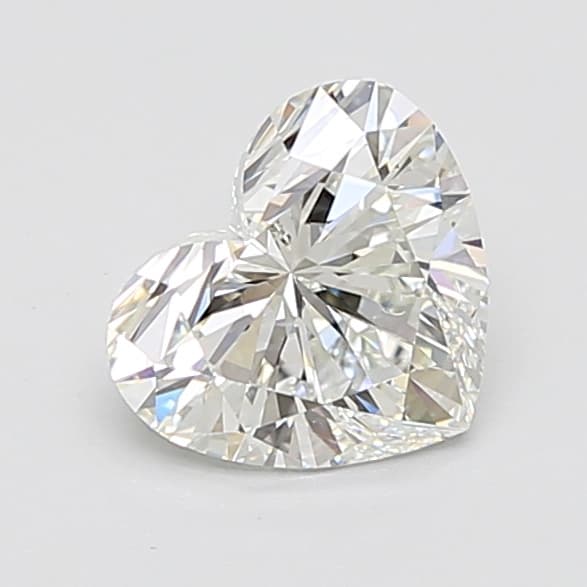
Not with your eyes. Both grades are invisible without magnification, in any shape and any size you are likely to wear. Set side by side in daylight, a VVS1 and a VVS2 stone with the same cut and color look the same.
Even with a 10× loupe, most people cannot tell them apart: the inclusions are, by definition, hard for a professional to find. The difference between the two grades is a judgment about how hard, made by trained graders under controlled conditions.
That matters for how you spend your budget. If two stones differ only in VVS1 versus VVS2, the other features, especially the cut, the color and the face-up size, will change how the diamond looks far more than the clarity step.
VVS clarity in lab-grown diamonds
At IGI, lab-grown diamonds are graded on exactly the same clarity scale as mined ones (GIA's lab-grown assessment, issued since October 2025, gives only Premium or Standard, and Premium needs VVS or better). What differs is the kind of tiny feature a grader may find. HPHT-grown stones can contain minute metallic specks left by the metal used during growth, and CVD-grown stones can show tiny dark pinpoints. At VVS level these are, by definition, very hard to find even at 10×. Our post on inclusion types describes them in more detail.
A few practical points:
- Clarity does not change durability. VVS inclusions are far too small to weaken a stone in normal wear.
- The plot may be nearly empty. VVS reports often mark only one or two features, with a comment such as "additional pinpoints not shown"; our post on report comments explains those notes.
- The growth method is a separate line. CVD and HPHT stones both reach VVS grades; the growth method is usually stated on IGI reports and is listed on our stone pages (a GIA assessment issued since October 2025 does not state it).
When VVS1 makes sense
There are still good reasons to choose VVS1:
- You want the higher grade. Some buyers simply like knowing their stone sits near the top of the scale. That is a perfectly good reason, as long as it is the reason.
- You plan to look closely. If you, or the person receiving the ring, will examine the stone with a loupe, VVS1 leaves even less to find.
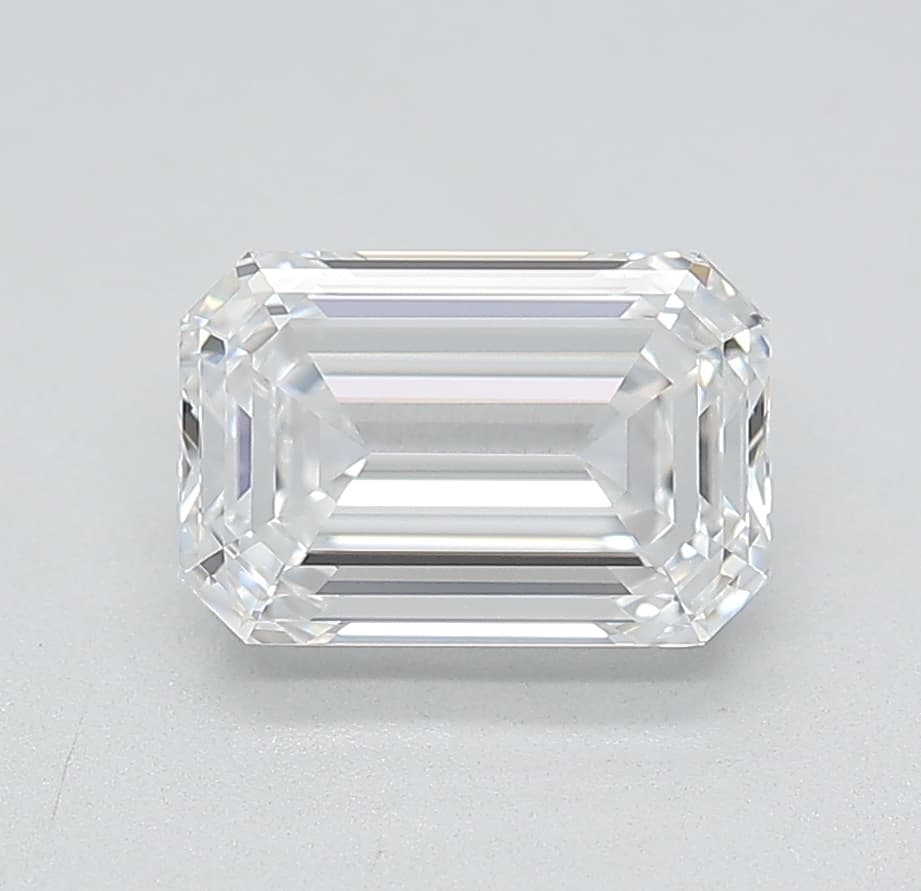
- Step cuts under magnification. Emerald and asscher cuts have large, open facets that show the inside of the stone clearly. Even so, VVS2 is clean to the eye in these shapes; VVS1 only matters under magnification.
- Matching a set. For a pair of earrings or a three-stone ring, choosing the same clarity grade for every stone keeps the paperwork consistent.
When VVS2 is the sensible choice
For most buyers VVS2 is the more practical of the two. It is already a very high grade, it is clean to the eye in every shape, and it is one of the most common grades in our catalog, so you have more choice of cut, size and color.
If you are deciding where to put your budget, a common approach is:
- Settle the cut first, because it drives brightness and sparkle.
- Choose the color for the shape and the metal; our post on color or clarity first walks through it.
- Then pick clarity at the level where the stone is clean to the eye. For a VVS search, that means VVS2 is enough unless the higher grade itself matters to you.
If you are comparing a VVS2 stone with a VS1 stone instead, look at the video and the clarity plot; our post on eye-clean VS1 and VS2 explains how.
VVS1 and VVS2 look the same in a ring. If two stones differ only in that step, compare their cut, face-up size and video instead: those are the differences your eyes will notice.
How to compare two VVS stones
When you have narrowed your search to VVS stones, use the clarity grade as settled and compare the rest:
- Cut and proportions. For rounds, compare the cut grade, then the table, depth and angles. For fancy shapes, compare the ratio and the video.
- Face-up size. Two stones of the same weight can spread differently. The millimeter measurements on an IGI report, or in the stone's listing, show which one looks larger.
- Color and fluorescence. Check the color grade and the fluorescence line side by side.
- The report. Read the clarity plot and the comments on an IGI report (a GIA lab-grown assessment issued since October 2025 has neither). At VVS level they usually list only a few pinpoints or a faint cloud.
You can filter the catalog by clarity, for example VVS1 or VVS2 lab-grown diamonds, and use the compare page to see up to four stones side by side.
Frequently asked questions
Is VVS1 better than VVS2?
VVS1 is the higher clarity grade: its inclusions are even harder for a trained grader to find at 10× magnification. But both grades are invisible to the naked eye, so a VVS1 stone does not look cleaner in a ring than a VVS2 stone with the same cut and color.
Can you see inclusions in a VVS2 diamond?
Not with the naked eye. VVS2 inclusions are very difficult to see even for a skilled grader using 10× magnification, and they are usually tiny pinpoints or a faint cloud. A VVS2 diamond is virtually always clean to the eye in every shape, including step cuts such as emeralds.
Is VVS2 good for an engagement ring?
Yes. VVS2 is a very high clarity grade and is clean to the eye in any shape and size you are likely to wear. Many buyers find it a sensible balance, leaving more of the budget for cut, size and color, which change how the ring looks.
Does a lab-grown VVS diamond look different from a mined one?
No. Clarity grades work the same way for lab-grown and mined diamonds, and a VVS stone of either origin is clean to the eye. The types of tiny inclusions can differ between growth methods, which labs note when they plot them, but you will not see them without magnification.
Glossary terms in this article
More on Grading, Explained in the journal.