Color & Carat
Color or Clarity First? How to Balance the Two on a Budget
By the Vanora Diamond team
Published Last reviewed 5 min read

Quick answer
For most diamonds, choose cut first, then color, then clarity. Color is visible every day, so choose it for the stone’s shape, size and metal; clarity only matters until the stone is eye-clean, and beyond that point higher grades look the same without magnification. Step cuts such as emerald and asscher are the exception, where clarity deserves more of the budget.
Start with cut, not color or clarity
Color and clarity get most of the attention, but cut does the most to decide how a diamond looks. A well-cut stone returns light to your eye as brightness and sparkle; a poorly cut one leaks light and looks dull, whatever its color and clarity.
So the order that usually works best is:
- Cut: the top grade for rounds, or good proportions and symmetry for fancy shapes. Our diamond cut guide explains what to look for.
- Color: chosen for what you will see face-up in your setting.
- Clarity: chosen so the stone is eye-clean, and no higher than you need.
- Carat: whatever the budget allows once the first three are settled.
The 4Cs guide covers each one. This post is about the middle two, because that is where most of the trade-offs happen.
- CutHow well the facets are proportioned, aligned and finished.Rounds: Ideal or Excellent to Poor
- ColorHow close a white diamond is to colorless.D (colorless) to Z
- ClarityInclusions and blemishes, judged at 10× magnification.FL to I3
- CaratWeight: one carat is 0.2 grams.To two decimals, e.g. 1.02 ct
Choose color for what you will see
Color is visible all the time, from every angle, in every light. But how much of it you see depends on three things more than on the letter on the report:
- Shape. Brilliant cuts such as round, oval and cushion break up light into sparkle that masks a faint body color. Step cuts show color more openly, and elongated shapes tend to gather it at their tips.
- Size. A larger stone shows more color than a smaller one of the same grade.
- Metal. White metal next to the stone makes warmth easier to notice; yellow and rose gold make near-colorless stones look white.
For a round in platinum, F or G often looks just as white as D once it is set. For a large emerald cut in platinum, many buyers prefer to stay in D to F. Our posts on whether D color is worth it and G, H and I color look at both ends of that range.
Choose clarity to the eye-clean point
Clarity is different. Inclusions are tiny, and once none of them can be seen with the unaided eye at a normal viewing distance, the stone is eye-clean. Beyond that point, a higher clarity grade looks the same on the hand: the difference between VVS2 and IF, for example, only shows under magnification.
That makes clarity the natural place to save. In brilliant shapes of everyday sizes, VS1 and many VS2 stones are eye-clean, which our post on VS1 and VS2 clarity explains in detail. Higher grades are a fine choice if knowing the stone is nearly flawless matters to you, but they are a preference rather than something you will see.
The exceptions are the step cuts. Their long, open facets act like windows into the stone, so inclusions that would hide in a round can be visible in an emerald cut.
Eye-clean is not a lab grade, so it has to be judged stone by stone. Our stone pages include an "Eye-clean (our assessment)" line as a second opinion, and the clarity plot on an IGI report shows where the main inclusions sit (GIA's assessment since October 2025 has no plot). Marks under the table deserve the closest look; marks near the girdle often end up hidden by the setting.
Shape by shape: where to spend first
Putting those two ideas together gives a simple guide for each group of shapes. These are common guidelines, not rules, and a video of the actual stone always has the final say.
For pointed shapes, also think about durability: a feather that reaches the surface at a tip can make that point more vulnerable, so check the tips as well as the center.
| Compared | Color | Clarity |
|---|---|---|
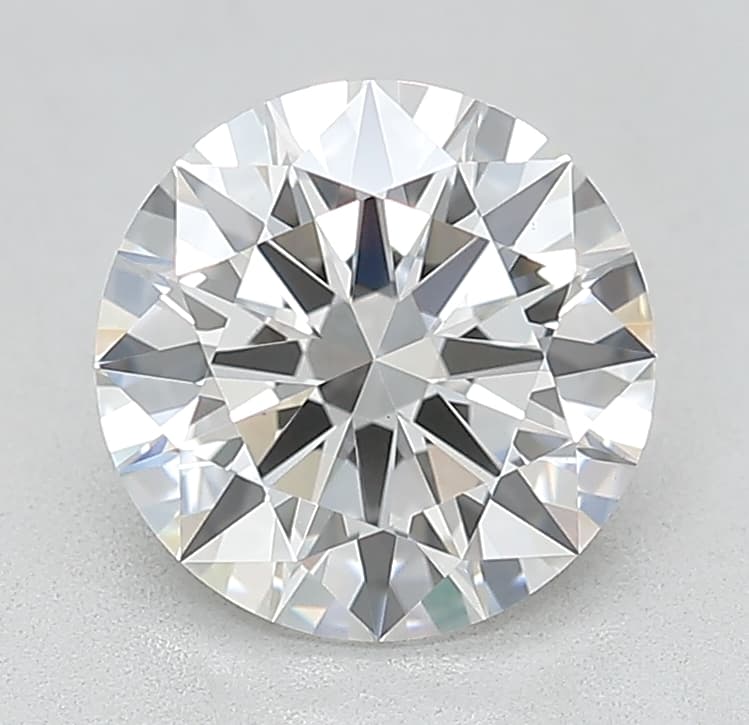
| Round brilliant | Hides faint color well | Hides small inclusions well |
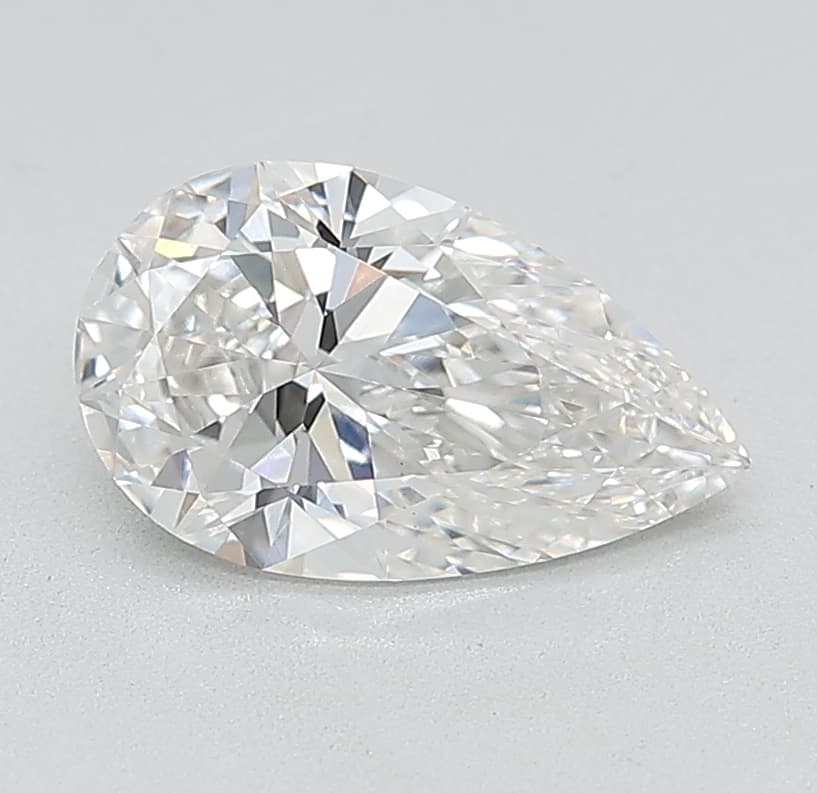
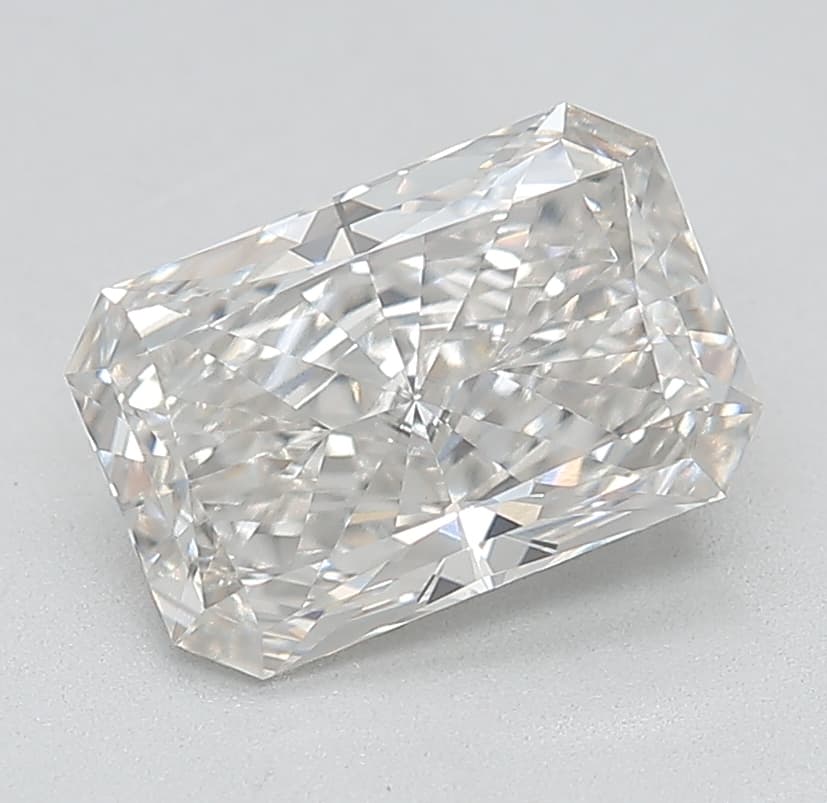
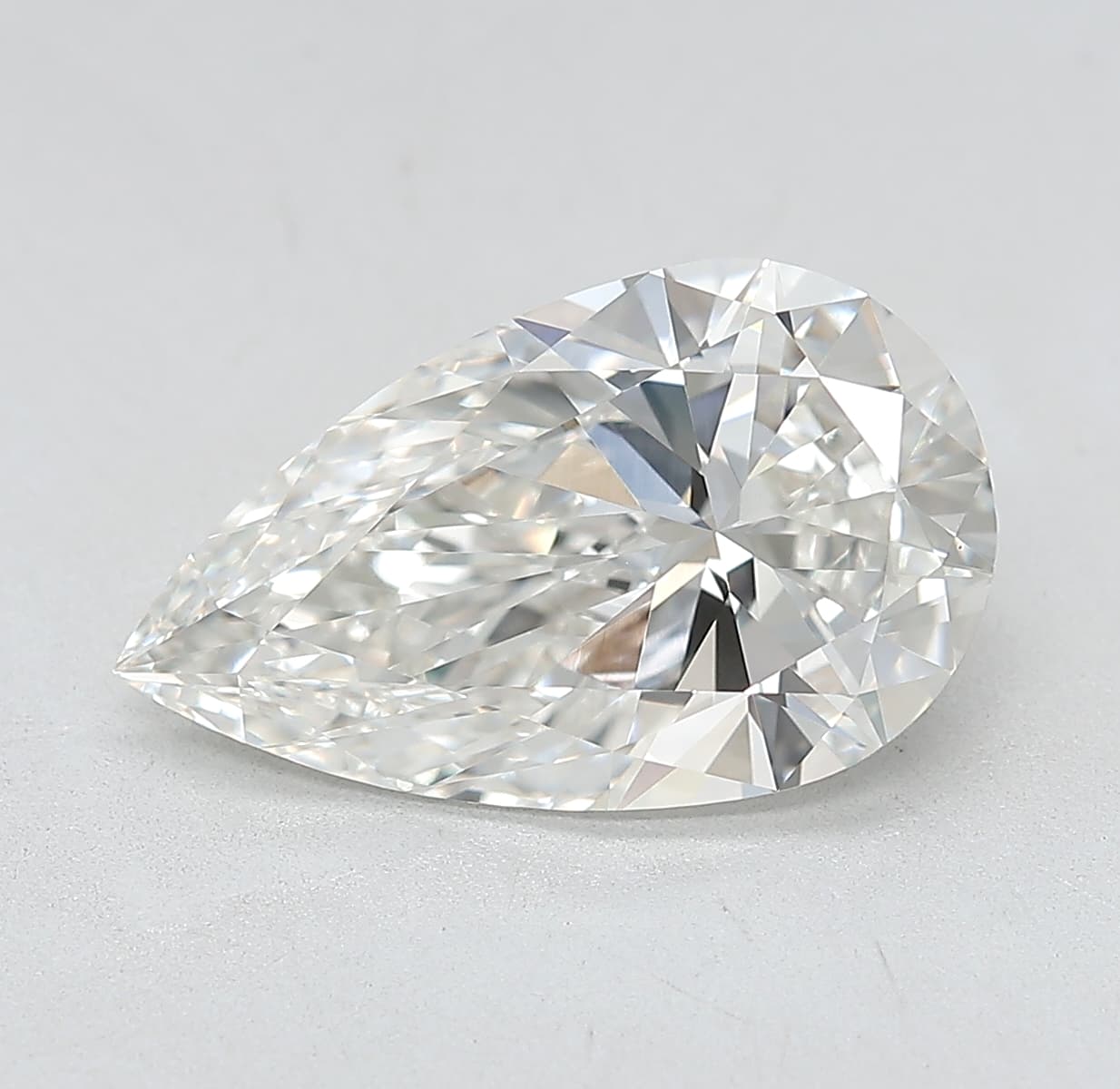
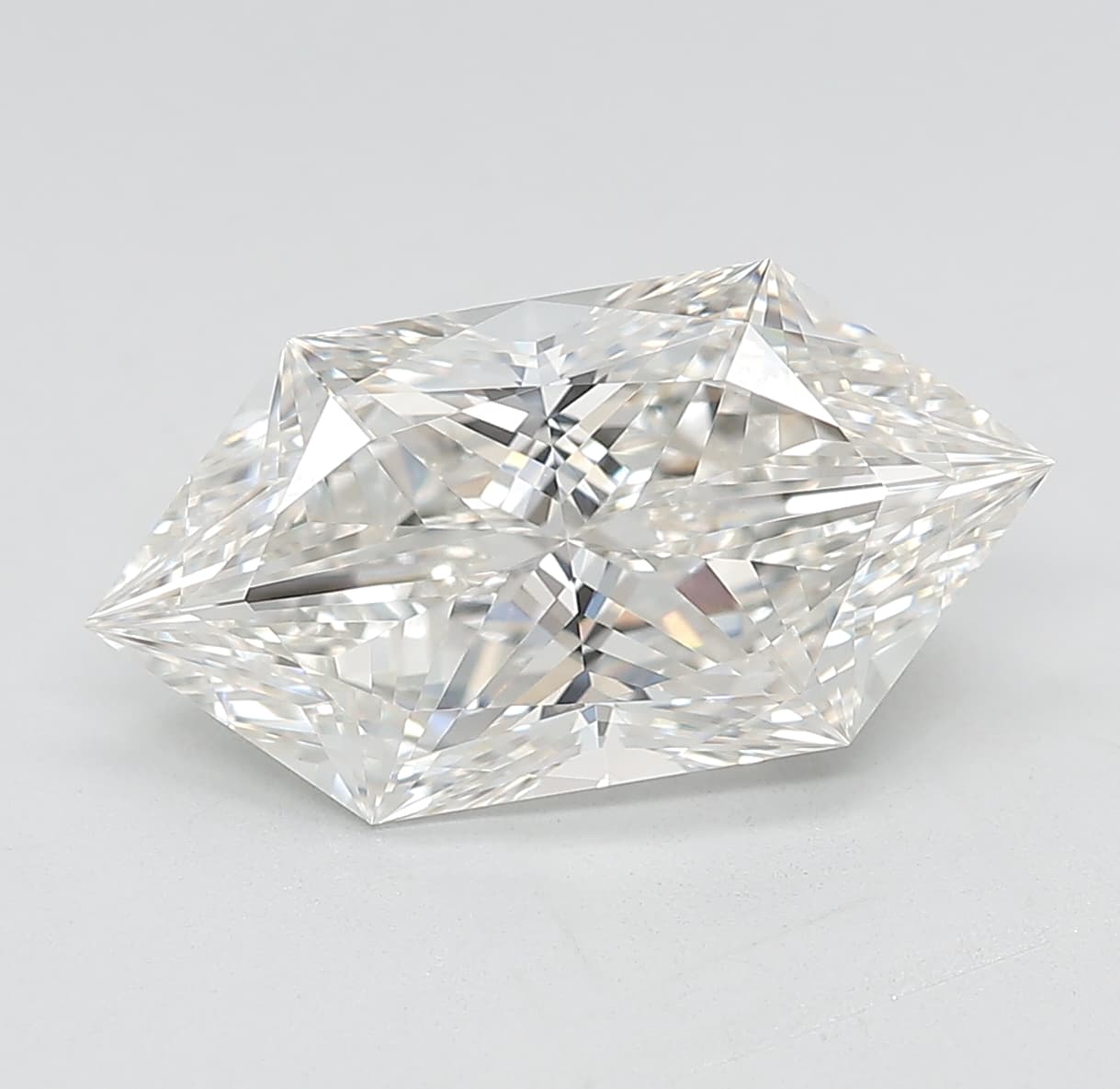
| Oval, pear, marquise | Tips can show color; consider a grade higher | Usually forgiving; check the tips |
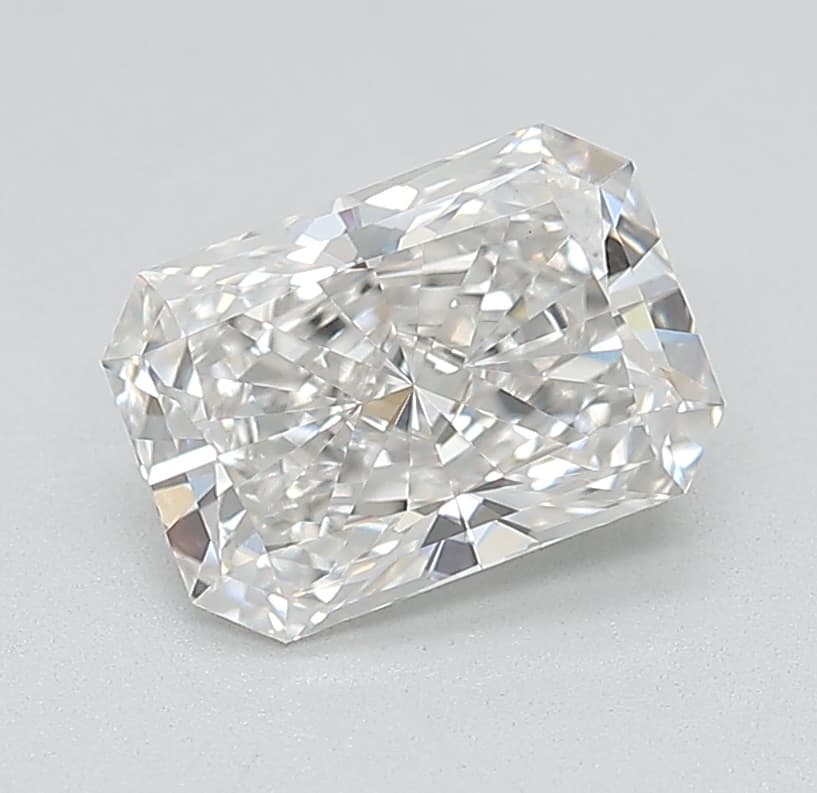
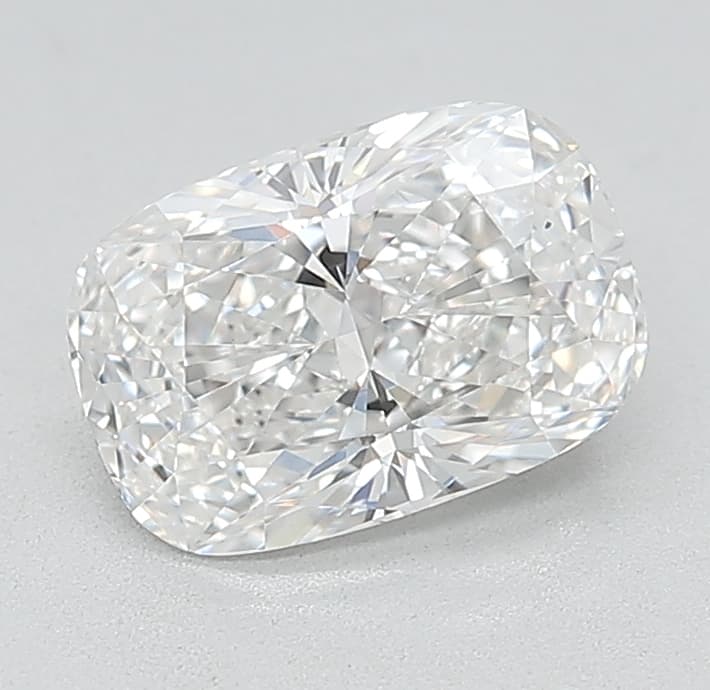
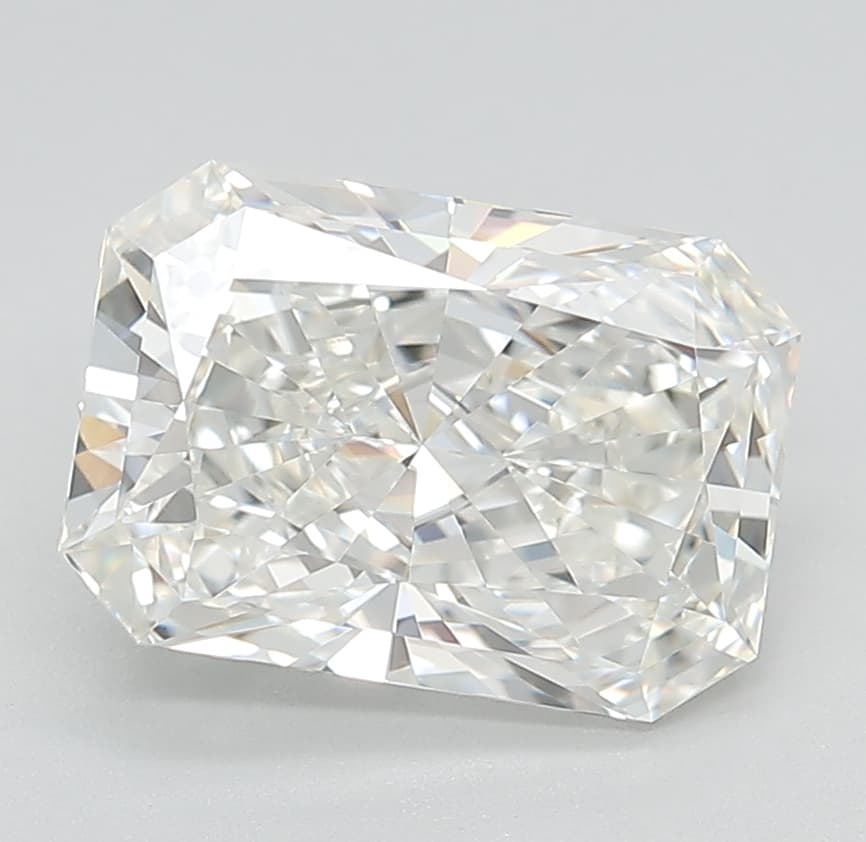
| Cushion, radiant, princess | Corners can gather color | Forgiving; check the corners |
| Emerald, asscher | Shows color more openly | Shows inclusions most; give clarity priority |
Size and metal shift the balance
The bigger the stone, the more both color and clarity show. At 1 to 2 carats there is plenty of room to save on both; from about 3 carats up, larger facets make inclusions easier to see and the extra depth of diamond makes body color easier to notice. Many buyers of larger stones move one step up in each.
Metal works mostly on color. In yellow or rose gold, near-colorless grades blend in, so color is the easier place to save. In platinum or white gold, color stands out a little more, so clarity becomes the easier place to save, at least in brilliant shapes. Our post on diamond color and metal covers each pairing.
When comparing stones, change only one thing at a time: keep the cut, shape and size the same and step color or clarity down by one grade. Then watch both videos and ask whether you can see the difference.
Common mistakes to avoid
A few habits lead buyers to spend in the wrong place:
- Paying for clarity you cannot see. In a round of everyday size, the step from an eye-clean VS1 to IF changes nothing you will notice on the hand. If that money could buy a better cut or a little more size, those are visible every day.
- Going too low on color in a step cut. An emerald or asscher cut in platinum shows color openly. Saving two color grades there is more noticeable than in a round.
- Choosing on the grade alone. Two VS2 stones can look very different, depending on where their inclusions sit. The clarity plot on an IGI report and the video tell you more than the letter.
- Comparing grades across different reports. Exact grades on one report and a broad classification on another cannot be lined up one for one. Our post on GIA vs IGI lab-grown reports explains the difference.
Avoiding these usually frees more of the budget than any single grade choice.
Three balanced examples
These examples show the thinking, not fixed recipes:
- A 1.5 carat round in platinum. Spend on cut first. F or G color usually looks white face-up, and an eye-clean VS1 or VS2 is enough clarity.
- A 2 carat oval in yellow gold. The warm metal lets G look white. Clarity can stay in the VS range; check that nothing dark sits under the table or near the tips.
- A 3 carat emerald cut in platinum. Both grades matter more here: many buyers choose D to F color and VVS clarity, because the open facets show both color and inclusions.
Search lets you filter by color and clarity at once, so you can line up stones one grade apart and compare their videos. Browse all lab-grown diamonds or ask one of our diamond specialists to shortlist stones for your setting.
Frequently asked questions
Is color or clarity more important in a diamond?
For most shapes, color, because it is visible every day while clarity stops mattering once a stone is eye-clean. Step cuts such as emerald and asscher are the exception: their open facets show inclusions, so clarity deserves more weight there. Cut matters more than either.
What is a good color and clarity combination for a lab-grown diamond?
A common balance for brilliant shapes in white metal is F or G color with eye-clean VS1 or VS2 clarity. For step cuts and larger stones, many buyers move up to D to F and VVS. In yellow or rose gold, near-colorless grades such as G and H look white.
Is VS clarity good enough?
In brilliant shapes such as round, oval and cushion, VS1 and many VS2 stones are eye-clean, so they look the same on the hand as higher grades. For emerald and asscher cuts, and very large stones, check the video carefully or consider VVS.
Does color matter more in larger diamonds?
Yes. A larger stone has more depth of diamond for light to travel through, so a faint body color is easier to notice. Many buyers of stones over about 3 carats choose one color grade higher than they would for a 1 to 2 carat stone.
Glossary terms in this article
More on Color & Carat in the journal.