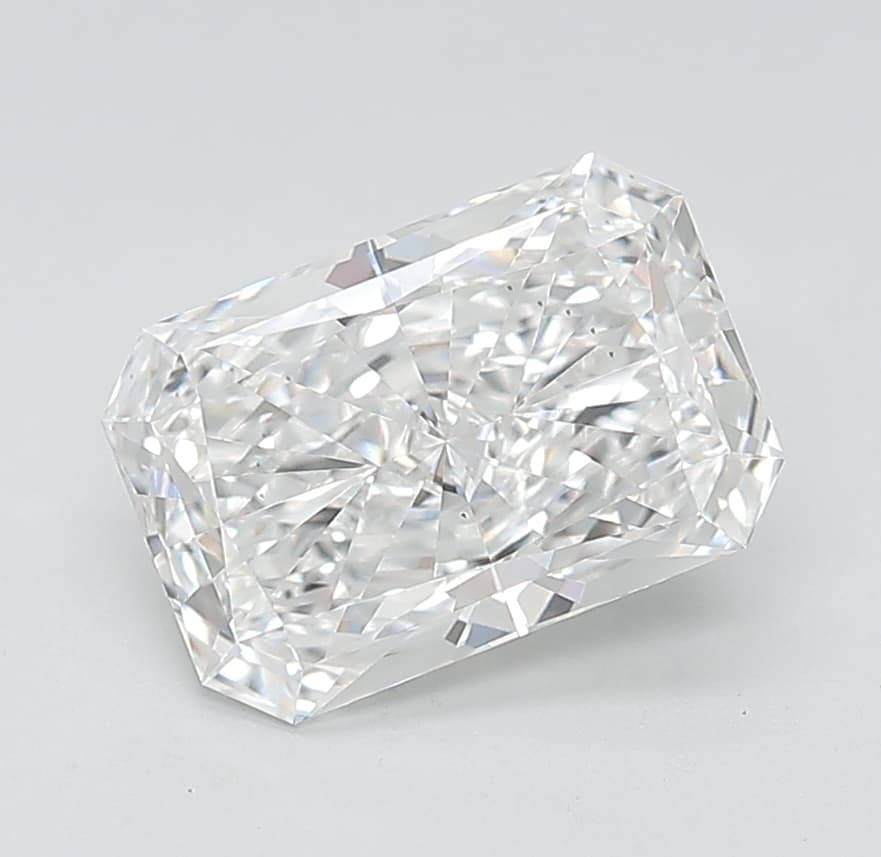
Grading, Explained
SI1 and SI2 Lab-Grown Diamonds: When Lower Clarity Looks Clean
By the Vanora Diamond team
Published Last reviewed 5 min read

Quick answer
SI1 and SI2 mean "slightly included": a grader finds the inclusions easily at 10x magnification, more easily in SI2 than SI1. Many SI1 and some SI2 lab-grown diamonds still look clean to the eye, but it depends on what the inclusions are, where they sit and the shape and size of the stone. Check the clarity plot and a video of the actual stone, and prefer VS or higher for step cuts and very large stones.
What SI1 and SI2 mean
Clarity grades describe the tiny features inside a diamond (inclusions) and on its surface (blemishes), as a trained grader sees them at 10x magnification. The scale runs from FL (flawless) down to I3 (included). SI sits just below the VS grades:
- SI1, slightly included 1: inclusions are noticeable at 10x.
- SI2, slightly included 2: inclusions are noticeable at 10x, and easier to find or more numerous than in SI1.
The key phrase is "at 10x". The grade says how easy the inclusions are to find under a loupe, not whether you will see them with your own eyes at arm's length. That second question is called eye-clean, and it is not on any report. Our diamond clarity guide explains the whole scale.
Here is how SI sits among its neighbors, as common guidelines for brilliant shapes:
| Grade | At 10x magnification | Face-up, unaided eye |
|---|---|---|
| VS2 | Minor inclusions, somewhat easy to find | Often eye-clean |
| SI1 | Noticeable inclusions | Often eye-clean; check each stone |
| SI2 | Noticeable, easier to find | Sometimes eye-clean; check carefully |
| I1 | Obvious inclusions | Inclusions often visible |
The jump that matters most to buyers is between SI2 and I1. In the I grades, inclusions are usually visible to the eye and can affect brightness, which is why SI2 is often treated as the lowest grade worth considering for a ring.
| Grade | Name | At 10× magnification | To the unaided eye |
|---|---|---|---|
| FL | Flawless | No inclusions or blemishes | Clean |
| IF | Internally Flawless | No inclusions; only minor surface blemishes | Clean |
| VVS1 | Very, Very Slightly Included 1 | Inclusions so slight they are very hard to find | Eye-clean |
| VVS2 | Very, Very Slightly Included 2 | Inclusions so slight they are very hard to find | Eye-clean |
| VS1 | Very Slightly Included 1 | Minor inclusions, difficult to somewhat easy to find | Usually eye-clean in brilliant shapes |
| VS2 | Very Slightly Included 2 | Minor inclusions, difficult to somewhat easy to find | Usually eye-clean in brilliant shapes |
| SI1 | Slightly Included 1 | Noticeable inclusions | Varies: some are eye-clean, some show an inclusion |
| SI2 | Slightly Included 2 | Noticeable inclusions | Varies: inclusions are more often visible |
| I1 | Included 1 | Obvious inclusions that may affect transparency and brilliance | Often visible |
| I2 | Included 2 | Obvious inclusions that may affect transparency and brilliance | Often visible |
| I3 | Included 3 | Obvious inclusions that may affect transparency and brilliance | Often visible |
Why some SI stones look clean and others do not
Two SI1 diamonds can look completely different face-up. Five things decide it:
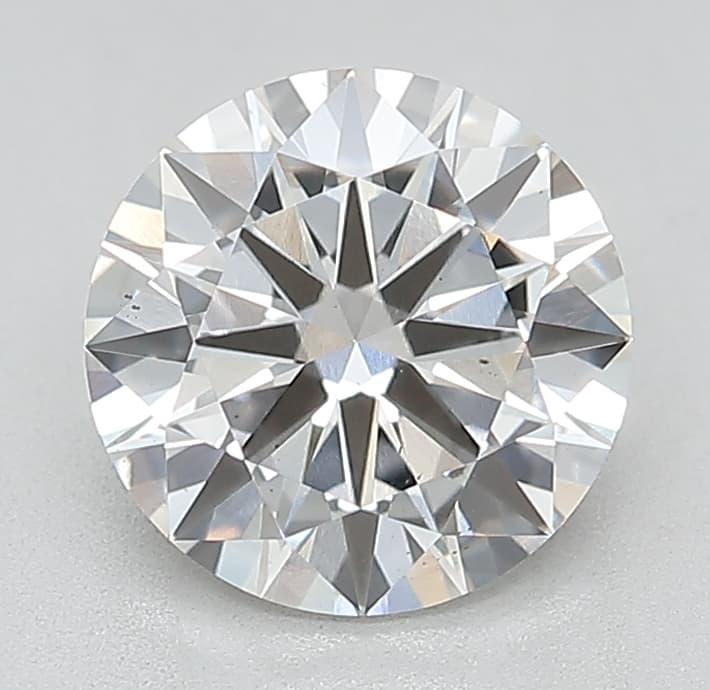
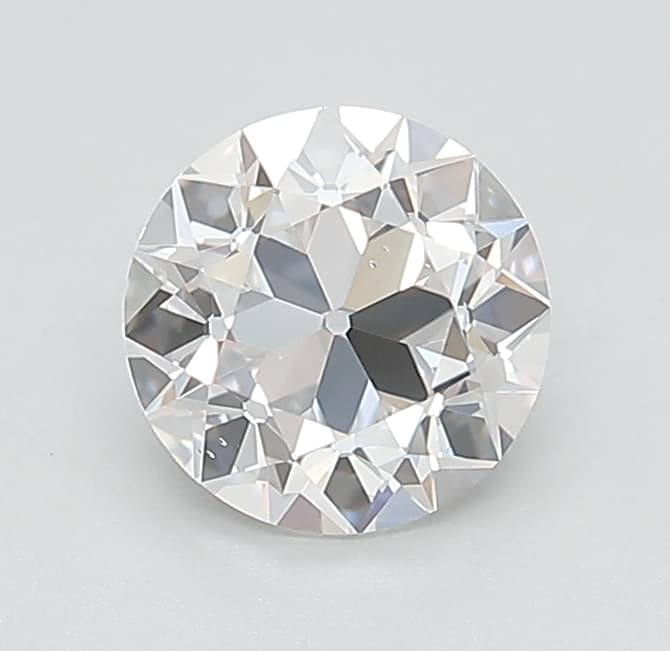
- What the inclusion is. A scattering of white pinpoints is hard to see. A single dark crystal of the same size stands out.
- Where it sits. An inclusion under the table, the large flat facet on top, is the easiest to spot. One near the girdle tends to hide among the facets, and may end up under a prong.
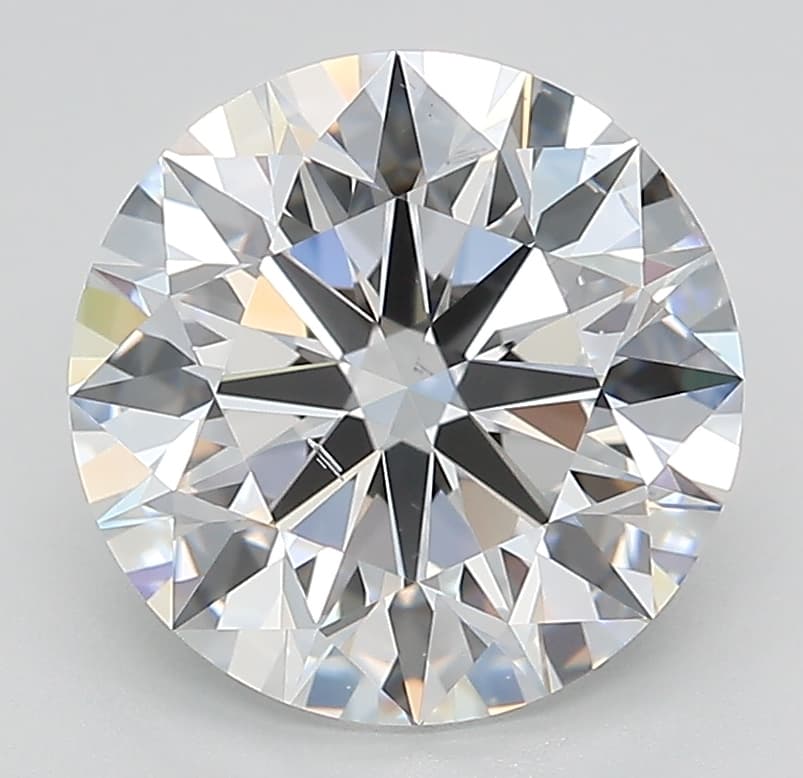
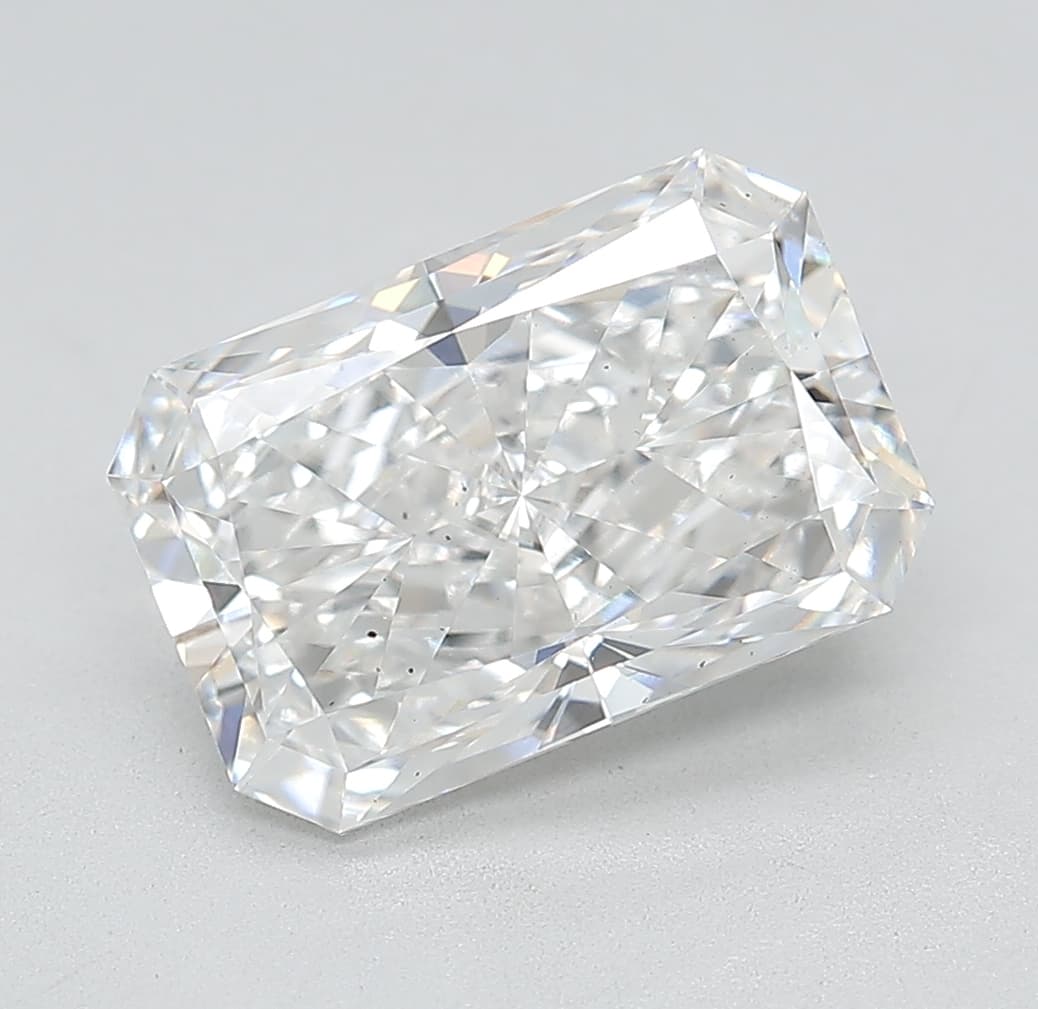
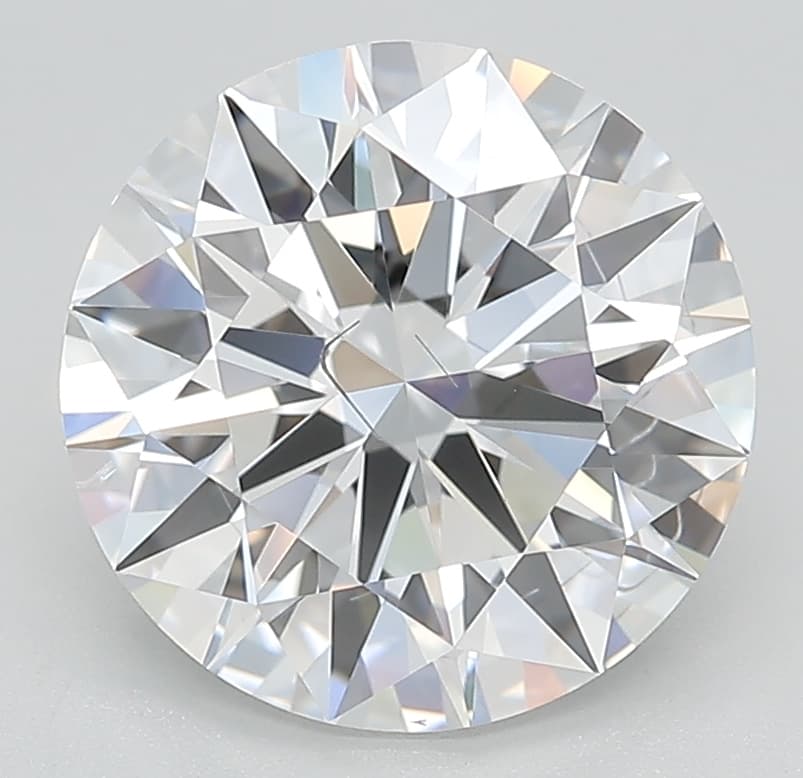
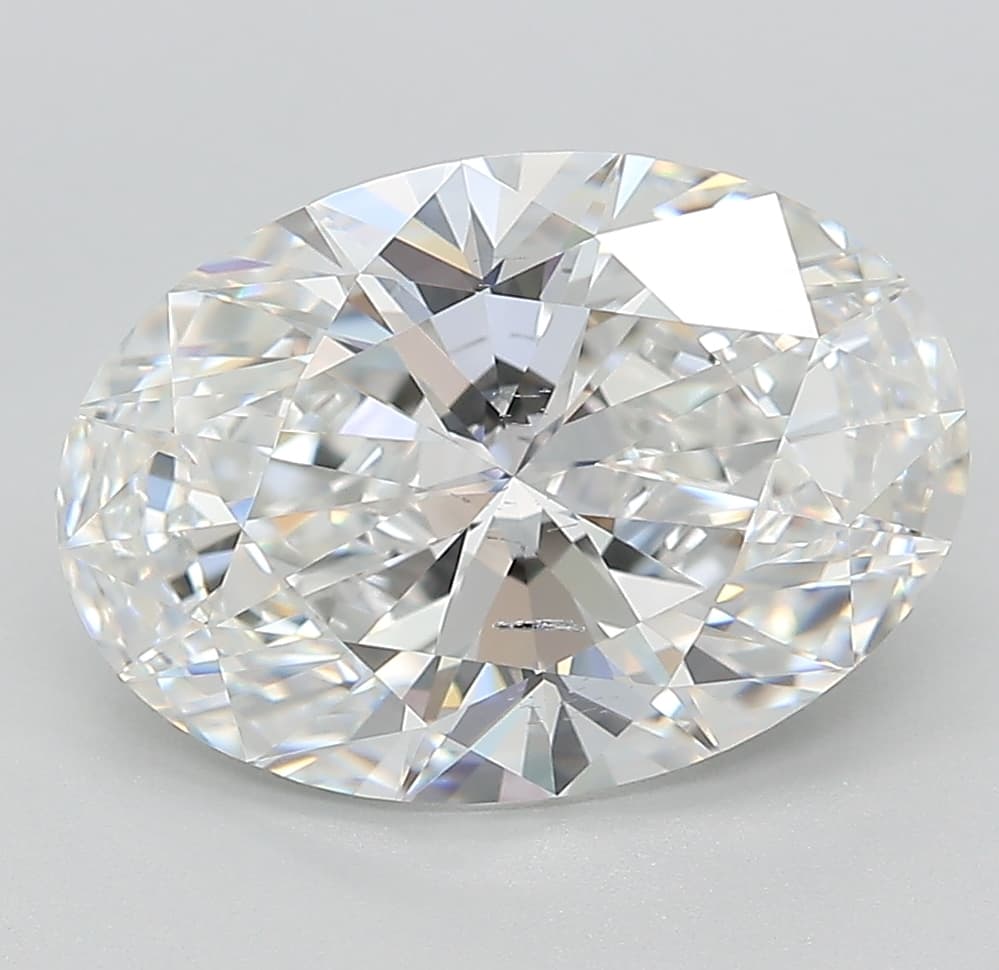
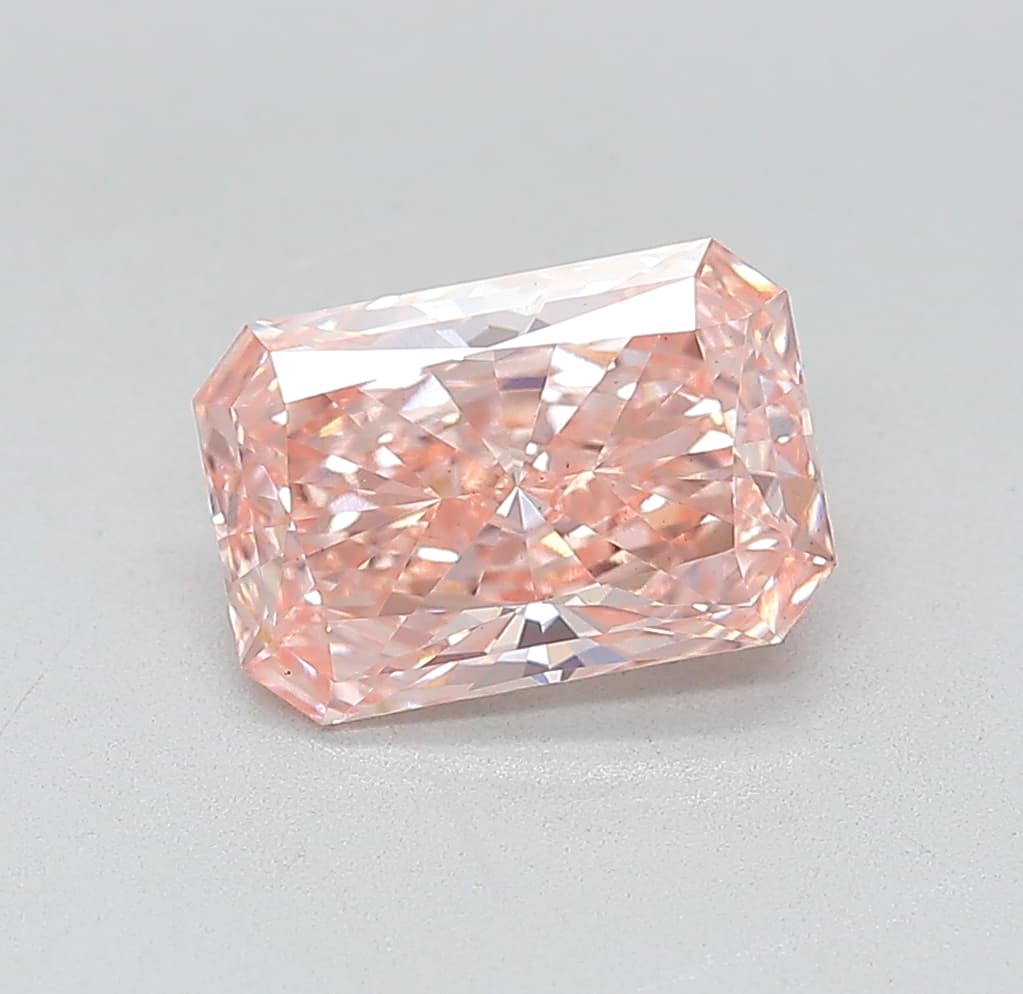
- The shape. Brilliant cuts (round, oval, cushion, radiant, pear) break light into many small flashes that disguise inclusions. Step cuts such as emerald and asscher have long, open facets that act like a window.
- The size. Bigger stones have bigger facets, so the same inclusion is easier to see in a 3 carat stone than in a 1 carat one.
- Reflections. In a brilliant cut, one inclusion near the pavilion can be mirrored by the facets and appear several times.
This is why an SI1 can sometimes look cleaner than a VS2: the grade summarizes the inclusions at 10x, while what you see depends on their color and position.
The setting plays a part too. Prongs, a bezel or a halo can cover the outer edge of the stone, where many inclusions sit, while the table stays fully on show. So an inclusion near the girdle is often the easiest kind to live with, and one in the middle of the table the hardest.
Inclusions to watch for in SI lab-grown diamonds
Lab-grown diamonds have their own typical inclusions, depending on how they were grown:
- Metallic flux inclusions in HPHT stones: small pieces of the metal the crystal grew in. They can look dark or slightly reflective.
- Dark pinpoints and specks of non-diamond carbon in CVD stones.
- Feathers, small breaks inside the stone, in either kind.
- Clouds, groups of pinpoints too small to see one by one. A light cloud is harmless; a dense one can soften the stone's sparkle.
For an SI stone, two questions matter most. Is anything dark sitting under the table? And does a feather reach the surface near the girdle, a point or a corner? A surface-reaching feather in an exposed spot can make that area more vulnerable to chipping, so it is worth placing under a prong or avoiding. Our post on diamond inclusion types covers each kind in more detail, and hazy lab-grown diamonds explains when clouds affect the look.
How to check an SI stone
An SI stone rewards a careful look before you commit. The clarity plot on the report is your map, the video is your evidence, and our "Eye-clean (our assessment)" line is a second opinion.
Close-up videos are magnified, so a stone can look more included on screen than it does on the hand. Shrink the view or step back from the screen before you decide. Then work through the steps below with the stone's page open.
- Step 1: Read the clarity plotNote where the main inclusions are marked. Marks under the table deserve the closest look.
- Step 2: Watch the video at real sizeShrink the 360° view or step back so the stone appears close to its true size, then look again.
- Step 3: Look at the table firstThat is where the eye goes when the stone is set. Dark spots there are the main concern.
- Step 4: Check the edges and pointsLook for feathers that reach the surface near the girdle, a point or a corner.
- Step 5: Read the eye-clean lineOur stone pages give an eye-clean assessment. Use it alongside your own look at the video.
- Step 6: Ask for a second lookA diamond specialist can review the video with you, or you can arrange a viewing.
When VS is the safer floor
SI can be a sensible grade, but in some situations VS or higher is the safer starting point:
- Step cuts. Emerald and asscher cuts show inclusions more readily. Most buyers start at VS1 or higher for these; see our emerald cut guide.
- Very large stones. Above about 3 carats, facets are large enough that SI inclusions are more often visible. Check every stone carefully, or start at VS.
- When you cannot see the stone. If there is no clear video, an SI grade leaves too much to chance. Ask for more media or choose a higher grade.
For brilliant shapes in everyday sizes, a well-chosen SI1 can look just as clean as a VS stone on the hand. Our post on VS1 and VS2 clarity covers the grades just above.
Within SI1 and SI2, the grade alone does not tell you whether a stone looks clean. Always check the plot and the video, and be most careful with step cuts and stones over 3 carats.
SI clarity in our catalog
Most of the lab-grown diamonds we list are graded VS1 or higher, so SI stones are a small part of the catalog. You can see them on the SI1 clarity page, and compare them with VS2 clarity stones, the next grade up.
If an SI stone catches your eye, send us its stock ID and one of our diamond specialists will look at the video and the plot with you before you buy. You can also contact us to arrange a viewing.
Frequently asked questions
Is an SI1 lab-grown diamond eye-clean?
Often, in brilliant shapes and everyday sizes, but not always. It depends on what the inclusions are, where they sit and how big the stone is. Dark inclusions under the table are the most visible. Check the clarity plot and a video of the actual stone before you decide.
What is the difference between SI1 and SI2?
Both mean slightly included: inclusions are noticeable at 10x magnification. In SI2 they are easier to find, larger or more numerous than in SI1. In practice, fewer SI2 stones are eye-clean, so each one needs a closer look.
Are SI clarity diamonds less durable?
Usually not. Most inclusions have no effect on durability. The exception is a large feather that reaches the surface near the girdle, a point or a corner, which can make that spot more vulnerable to chipping. A setting that covers that area helps.
Should I choose SI1 or VS2?
Choose the stone that looks clean in its video. An SI1 with small, light inclusions near the edge can look cleaner than a VS2 with a dark spot under the table. For step cuts and very large stones, VS2 or higher is the safer floor.
Glossary terms in this article
More on Grading, Explained in the journal.