Rings & Jewelry
From Loose Diamond to Finished Ring: How It Comes Together
By the Vanora Diamond team
Published Last reviewed 5 min read

Quick answer
You choose the loose lab-grown diamond first, check its grading report, and give your jeweler its exact measurements so the setting is made to fit that stone. The jeweler then sets the diamond, and you check the finished ring, including the laser inscription, before arranging an appraisal and insurance. Choosing the stone first means you know exactly what sits at the center of the ring.
Why start with a loose diamond
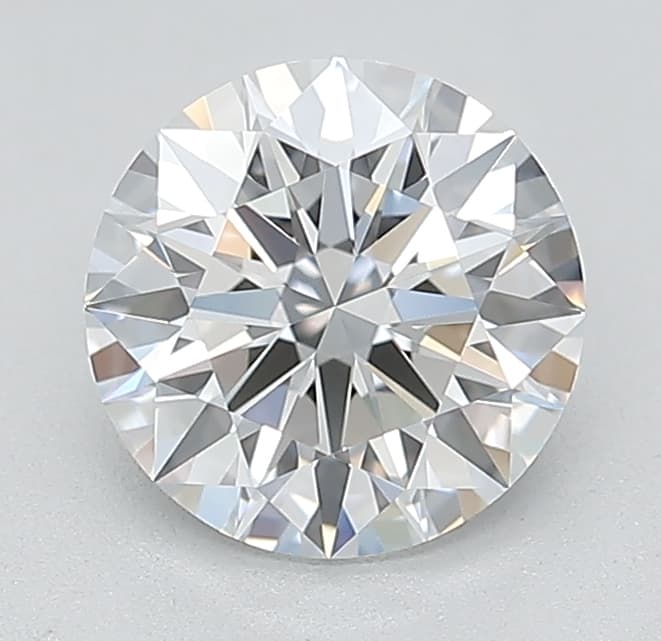
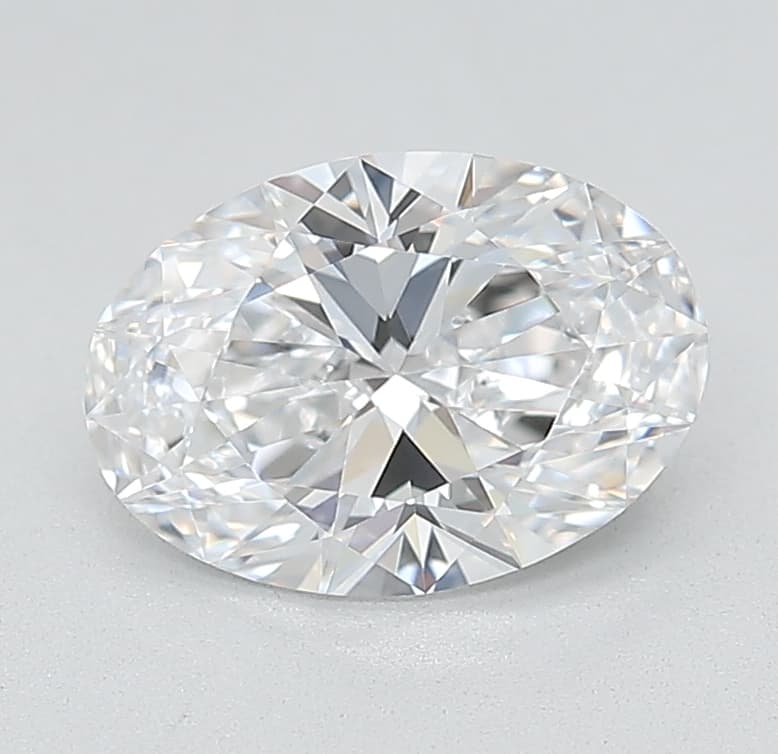
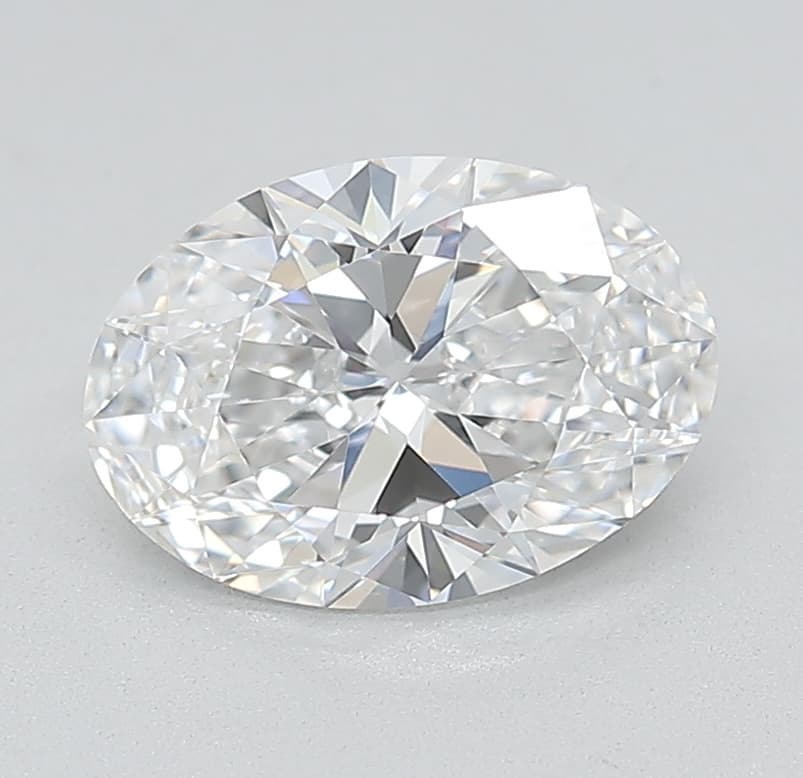
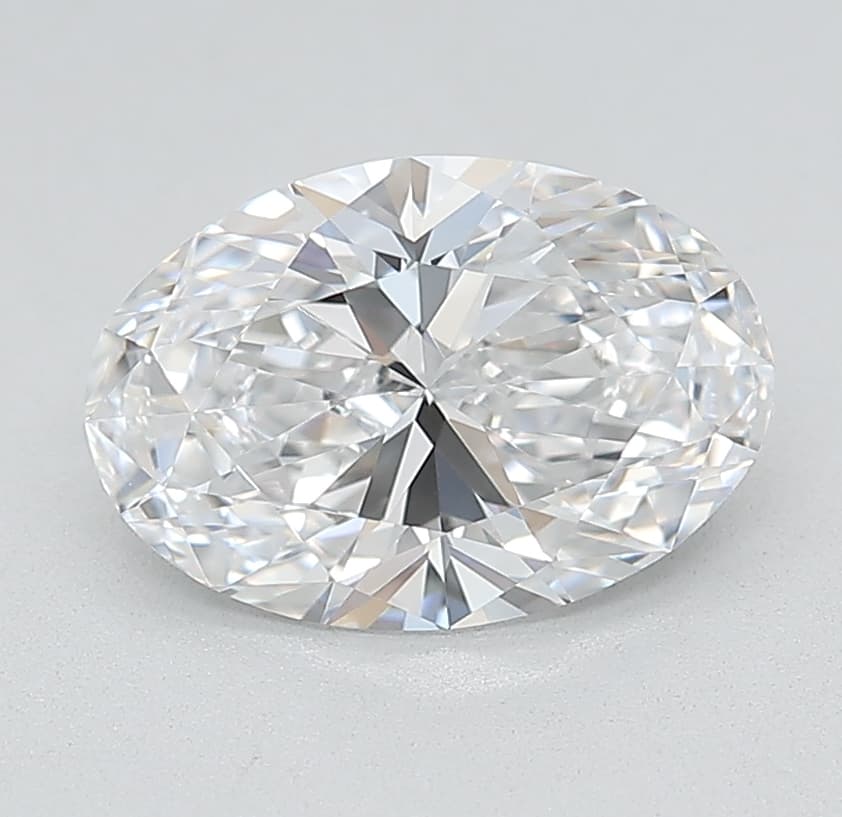
A loose diamond is one that has not been set in jewelry yet. Buying the center stone loose, then having a ring made around it, is how many engagement rings come together, and it has a clear advantage: you see the exact diamond, with its own grading report, measurements and video, before anything else is decided.
A finished ring often describes its diamonds only as a total weight and a range of grades. With a loose stone there is no guesswork. Its carat weight is stated to two decimals, its color, clarity and cut are on its IGI report (a GIA assessment issued since October 2025 gives Premium or Standard instead), and you can compare it with other stones side by side. Our post on carat vs total carat weight explains why that difference matters.
We offer loose lab-grown diamonds; the ring itself is made by a jeweler of your choice. The steps below show how the two parts fit together.
The journey from stone to ring
Most rings come together in the same order. Some steps happen at the same time, and your jeweler may suggest a slightly different sequence for a complex design.
How long it all takes depends mostly on the setting. A simple solitaire made around a stone can be quick; a custom design with side stones, engraving or a handmade head takes longer. Ask your jeweler for their timeline before you buy the stone, and leave room for a fitting or resizing at the end. If there is a date to meet, such as a proposal, our post on planning a proposal suggests how far ahead to start.
If you are a jeweler making the ring for a client, the same steps apply, with two additions: a trade account gives you trade prices, holds and access to memo, and you can share a stone's page or certificate with your client while they decide.
- Step 1: Choose the stoneShortlist by shape and size, then compare reports, measurements and video.
- Step 2: Verify the reportCheck the report number on the lab’s own website and keep a copy.
- Step 3: Buy the stoneAdd it to your cart and check out; approved jewelers can hold it or ask for a memo.
- Step 4: Brief your jewelerShare the shape, length, width, depth and girdle from the report or stone page.
- Step 5: Make or fit the settingThe head and prongs are built or adjusted to the stone’s millimeters.
- Step 6: Set the diamondThe jeweler seats the stone, closes the prongs and finishes the ring.
- Step 7: Inspect the finished ringCheck the stone sits level, the prongs are secure and the inscription matches.
- Step 8: Appraise and insureArrange an appraisal and add the ring to an insurance policy.
Choosing and buying the stone
Start with the shape and the face-up size you want on the finger, then narrow down by cut, color and clarity. Our solitaire center stone guide covers that order of decisions, and every single stone in our catalog of lab-grown diamonds shows its report, measurements and a 360° video where available (mix parcels are sold by the parcel, without individual reports).
Before you buy, verify the report on igi.org or gia.edu, using the number on the report, and save the certificate PDF.
When a stone looks right, add it to your cart on its page and check out. At checkout we re-check the stone live and hold it for you for 15 minutes while you pay, and nothing is charged until a diamond specialist confirms the order. Jewelers with an approved trade account can hold a stone for 48 hours or ask for a memo, which lets them show the stone to a client before buying it. Our post on how holds and memos work explains both.
What your jeweler needs
A setting is made to fit one stone, so your jeweler needs the stone's exact figures, not just its carat weight. All of them are on an IGI report and on our stone page (GIA's assessment since October 2025 gives no millimeters):
- Shape, for example oval or cushion.
- Length and width in millimeters, or the minimum and maximum diameter for a round.
- Total depth in millimeters, so the setting is tall enough to hold the stone without the culet touching the finger.
- Girdle thickness, which tells the jeweler how much edge the prongs will grip.
Share your ideas for the design as well: prongs or a bezel, how high the stone sits, the metal, and the width of the band. If you are undecided, our posts on four vs six prongs and bezel settings are a good start, and carat vs karat explains how gold purity is described.
Setting the diamond
The part of the ring that holds the stone is called the head. Your jeweler either builds the head to the stone's measurements or adjusts a ready-made one so the diamond sits snugly, level and centered. Each prong is then shaped and closed over the edge of the stone.
Diamonds are hard, but a sharp knock on a point or a thin edge can chip them, and setting is one of the moments when that can happen. Experienced setters protect points with V-prongs and take care with thin girdles. Our post on diamond hardness vs toughness explains why.
Lab-grown diamonds are set exactly like mined diamonds. There is nothing special your jeweler needs to do because the stone is lab-grown.
Inspecting the finished ring
When you collect the ring, take a few minutes to check it properly:
- Look at the stone from the side. It should sit level, not tilted.
- Run a finger around the prongs. They should be smooth and should not catch on fabric.
- Check the inscription. Most lab-grown diamonds carry a tiny laser inscription on the girdle with the report number. Ask your jeweler to show it to you under magnification and compare it with the report; our post on checking a laser inscription shows how.
- Keep the paperwork together: the grading report, the jeweler's description of the ring and the receipt.
Appraisal and insurance
A grading report describes the diamond; it is not a valuation. For insurance, most policies ask for an appraisal of the finished ring, which describes the stone and the setting together and states a value for replacement. Our post on insuring a lab-grown diamond covers what to ask for.
Once the ring is insured, the only routine left is care: keep it clean and have the prongs checked by a jeweler from time to time. If you would like help choosing the stone at the start of the journey, a diamond specialist can shortlist stones for your design.
Give your jeweler the length, width and depth from the grading report. A setting made to the stone’s exact millimeters holds it securely and lets it sit at the right height.
Frequently asked questions
Should I buy the diamond or the setting first?
Buying the diamond first is usually easier. Your jeweler can then make the head to the stone’s exact length, width and depth. If you already have a setting, share its specifications and look for stones whose measurements fit it.
What does a jeweler need to set a loose diamond?
The stone itself and its grading report. An IGI report, or our stone page, gives the shape, length and width (or diameter), total depth and girdle thickness, which the jeweler uses to build or adjust the setting so the diamond sits level and secure.
Can any jeweler set a lab-grown diamond?
Yes. A lab-grown diamond has the same hardness and structure as a mined diamond and is set in exactly the same way. Choose a jeweler with experience in the shape you have chosen, especially for pointed shapes such as pears and marquises.
How do I know the diamond in my ring is the one I bought?
Check the laser inscription on the girdle under magnification and compare it with the report number. The carat weight on the report, and the measurements on an IGI report, should also match the stone. Your jeweler can show you the inscription when you collect the ring.
Glossary terms in this article
More on Rings & Jewelry in the journal.