Grading, Explained
Type IIa Diamonds Explained: What It Means for Lab-Grown Stones
By the Vanora Diamond team
Published Last reviewed 5 min read

Quick answer
Type IIa is a scientific classification for diamonds with no nitrogen that infrared spectroscopy can detect. It is rare among natural diamonds but common among lab-grown ones, because growers keep nitrogen out to produce colorless stones. The type describes the chemistry of the crystal, not its quality: color, clarity and cut grades, plus a video, tell you how a diamond actually looks.
Diamond types in plain words
A diamond is carbon arranged in a tight crystal. Almost every diamond also contains tiny amounts of other elements trapped in that crystal as it formed, mainly nitrogen and boron. Scientists sort diamonds into "types" by which of these they contain and how they are arranged.
The first split is simple:
- Type I diamonds contain enough nitrogen to measure.
- Type II diamonds contain too little nitrogen to measure.
Each type is then divided again, into Ia and Ib, and IIa and IIb. These labels come from the science of diamonds, not from grading. You will meet them mostly in the comments on a lab report or in a seller's description, where "Type IIa" in particular is often mentioned.
The four types at a glance
Here is what each type means, in everyday terms:
- Type Ia. Nitrogen atoms grouped in clusters. This is the type of the great majority of mined diamonds. The nitrogen can give a faint yellowish tint.
- Type Ib. Nitrogen atoms scattered singly through the crystal. Even a small amount can give a strong yellow color. Rare in nature; typical of yellow HPHT lab-grown diamonds.
- Type IIa. No nitrogen that infrared spectroscopy can detect. Usually colorless, though crystal distortions can make a IIa stone brownish, and some are pink.
- Type IIb. Contains boron, which gives a blue or grayish blue color and lets the diamond conduct electricity. Very rare in nature; this is how many blue lab-grown diamonds get their color.
Notice what the list does not say: nothing about clarity, cut, size or sparkle. A type tells you about trace elements, and that is all.
| Compared | What it contains | Typical color effect | Mined diamonds | Lab-grown diamonds |
|---|---|---|---|---|
| Type Ia | Nitrogen in clusters | Colorless to yellowish | The great majority | Rare |
| Type Ib | Single, scattered nitrogen atoms | Can be strongly yellow | Rare | Typical of yellow HPHT stones |
| Type IIa | No measurable nitrogen | Usually colorless | Rare | Common: most colorless stones |
| Type IIb | Boron | Blue or grayish blue | Very rare | Blue stones colored by boron |
Why so many lab-grown diamonds are Type IIa
Nitrogen is the usual cause of a yellow tint. To grow colorless diamonds, growers keep nitrogen out of the growth environment as far as they can, so the crystals that result are usually Type IIa.
- CVD diamonds are usually Type IIa.
- HPHT diamonds in the colorless to near-colorless range are typically Type IIa, and sometimes Type IIb when traces of boron are present.
- Blue lab-grown diamonds colored by boron are Type IIb, and yellow HPHT stones are typically Type Ib.
In other words, among lab-grown diamonds Type IIa is normal. That is the key difference from mined diamonds, where Type IIa stones are a small minority. Our lab-grown vs natural guide covers what the two share and where they differ.
- Essentially pure carbon, crystallized in the cubic system
- A hardness of 10 and a refractive index of about 2.42
- Graded on the same 4Cs, and cared for in the same way
- Not told apart by eye, with a loupe or with a handheld diamond tester
- Origin: grown in a laboratory by CVD or HPHT, or formed in the earth and mined
- Identification: laboratory instruments tell them apart, and the grading report says which it is
- Naming: in the US a lab-grown diamond must be qualified, for example as “laboratory-grown”
- GIA reports: since October 2025, colorless to near-colorless lab-grown stones get a Premium or Standard assessment
- Market: lab-grown diamonds are generally priced well below comparable mined ones, and their resale market is limited and less established
How labs find a diamond’s type
Labs measure type with infrared spectroscopy: a beam of infrared light passes through the stone, and nitrogen and boron each absorb it at characteristic wavelengths. The pattern shows which elements are present and roughly how they are arranged.
Type is one clue among several when a lab confirms whether a diamond is lab-grown. It cannot decide the question alone, because some mined diamonds are Type IIa too. Labs combine it with other tests, such as how the stone glows under strong ultraviolet light and the growth patterns that show up in specialized imaging. The result is stated plainly on the report: a lab-grown diamond is identified as laboratory-grown, and the girdle carries a laser inscription with the report number (GIA adds "Laboratory-Grown"; IGI numbers start with LG).
IGI lab-grown reports often mention "Type IIa" in the comments, next to the growth method. Not every report includes it, and its absence does not mean anything is wrong.
Type IIa is not a quality grade
You may see "Type IIa" presented as a mark of rarity or purity. That idea comes from mined diamonds, where Type IIa stones are uncommon and include some famous large, exceptionally white diamonds. Applied to lab-grown diamonds, it says very little, because Type IIa is what most colorless lab-grown stones are.
More importantly, the type does not tell you:
- the color grade (a Type IIa stone can be D or noticeably brownish),
- the clarity grade (inclusions are a separate question),
- the cut, which decides how bright and lively the stone looks.
So treat the type as background about how the stone was made, not as a reason to choose it or to pay more for it.
Type IIa describes trace elements in the crystal. It is normal for lab-grown diamonds and says nothing about color grade, clarity or cut. Choose on those, and on the stone’s video.
Type, growth method and treatment are three different lines
IGI lab-grown reports can carry three pieces of background in the comments, and they are easy to mix up because they often sit side by side (a GIA lab-grown assessment issued since October 2025 states none of them):
| Line | The question it answers | Example |
|---|---|---|
| Diamond type | Which trace elements are in the crystal? | Type IIa |
| Growth method | How did the crystal form? | CVD or HPHT |
| Treatment | Was the stone processed after growth? | As Grown, or post-growth treatment |
None of these determines the others. A CVD stone and an HPHT stone can both be Type IIa. A Type IIa stone can be as grown, or it can have had post-growth treatment such as HPHT annealing to improve its color. That is why "Type IIa" on its own tells you so little: two Type IIa stones can have different growth methods, different treatment histories and different grades.
Read the three lines together and you have the stone's origin. Read the grades and watch the video and you know how it looks. Only the second pair decides what you will see on the hand.
What to look at instead
When you compare lab-grown diamonds, these are the lines that change how a stone looks:
- Cut, or for fancy shapes the proportions and symmetry. See our diamond cut guide.
- Color grade, chosen for the shape, size and metal of your setting.
- Clarity grade, chosen so the stone is eye-clean.
- The comments: the growth method and whether there is any post-growth treatment. Our post on As Grown vs post-growth treatment explains that line.
- The video, which shows how all of this comes together.
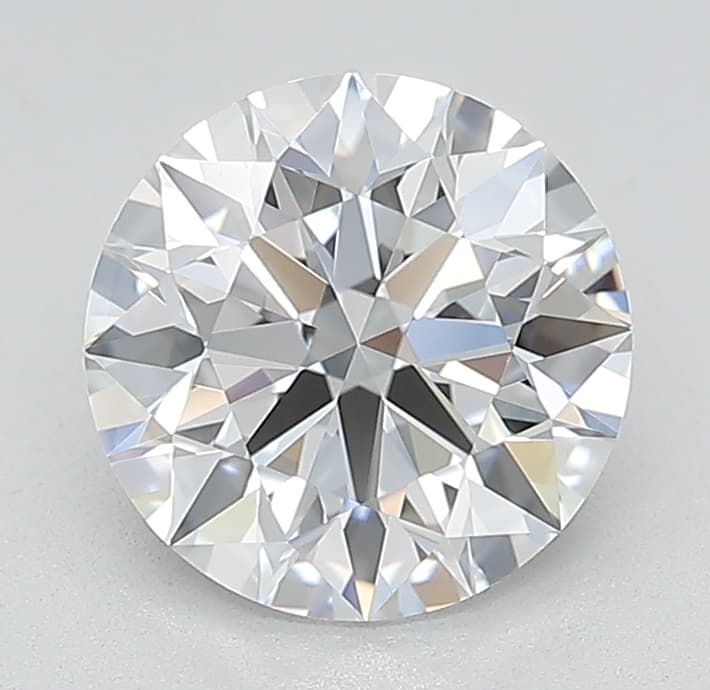
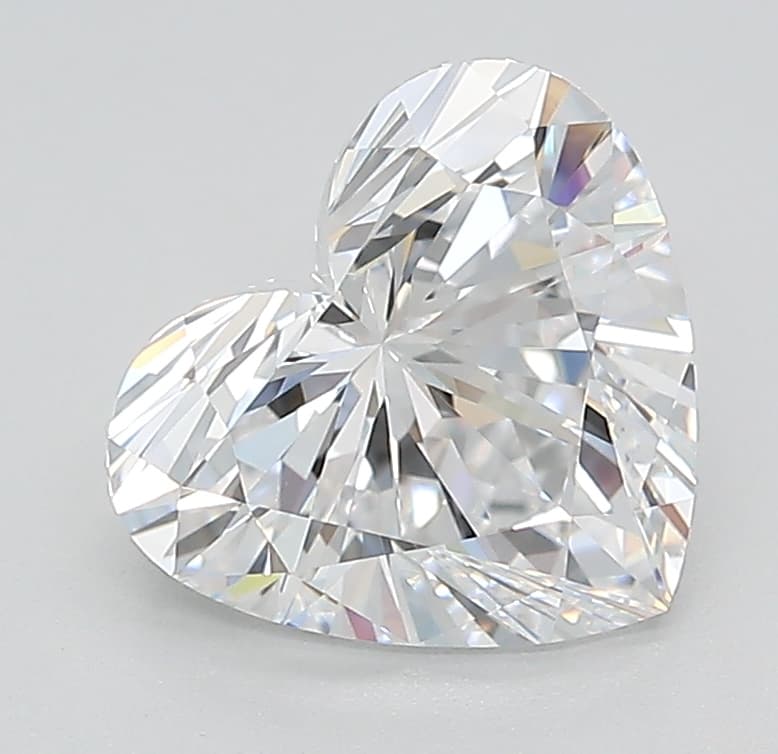
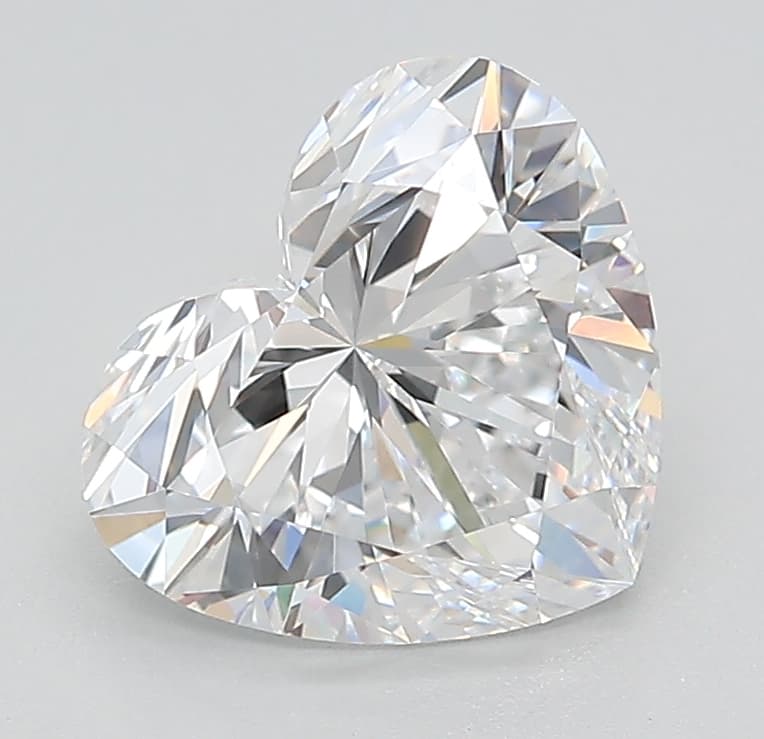
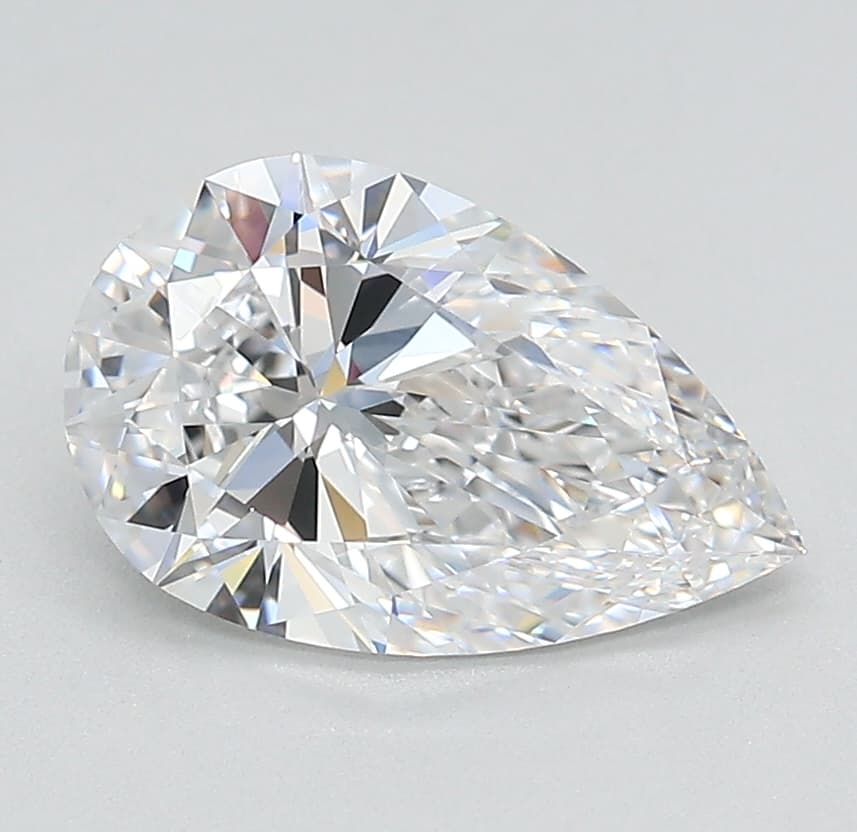
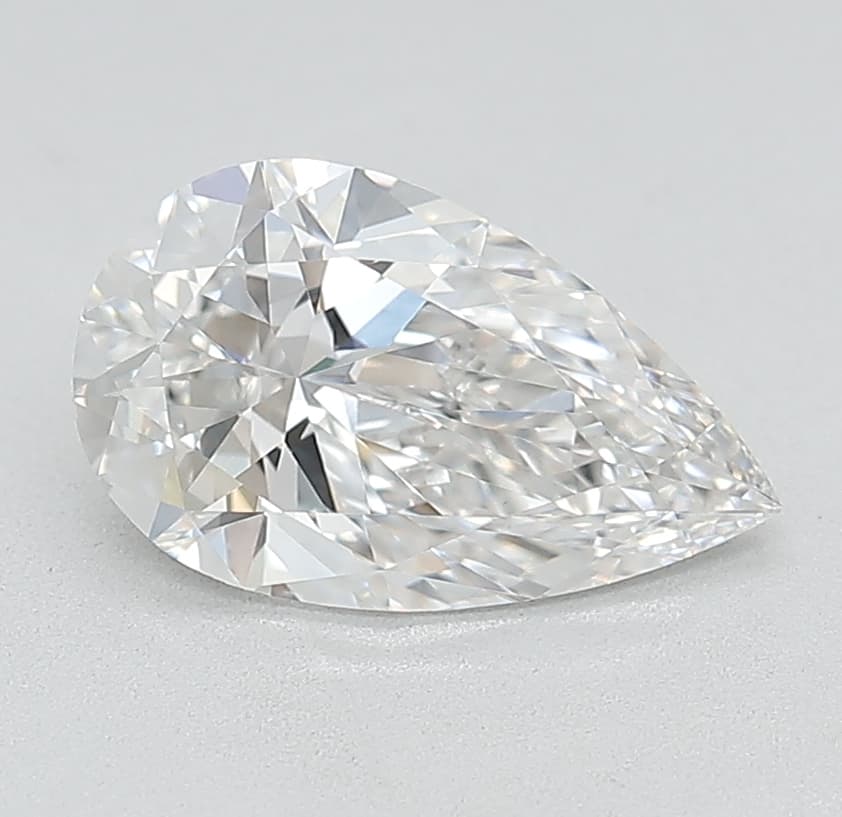
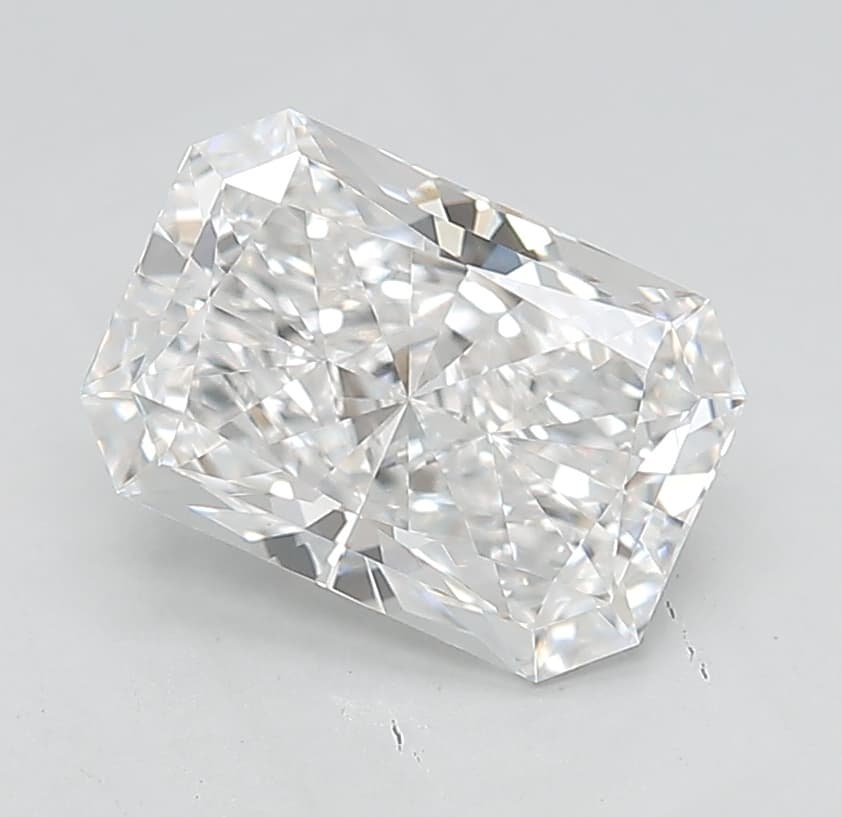
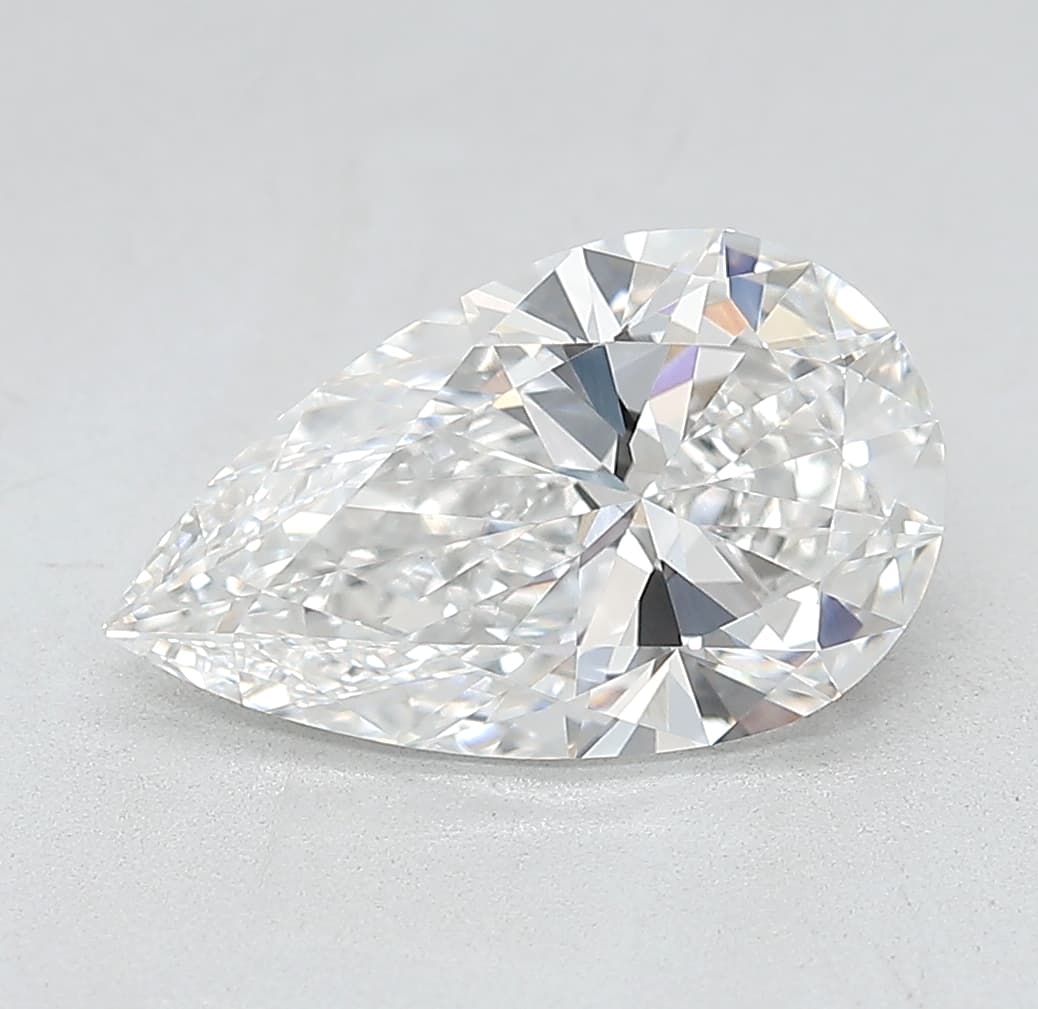
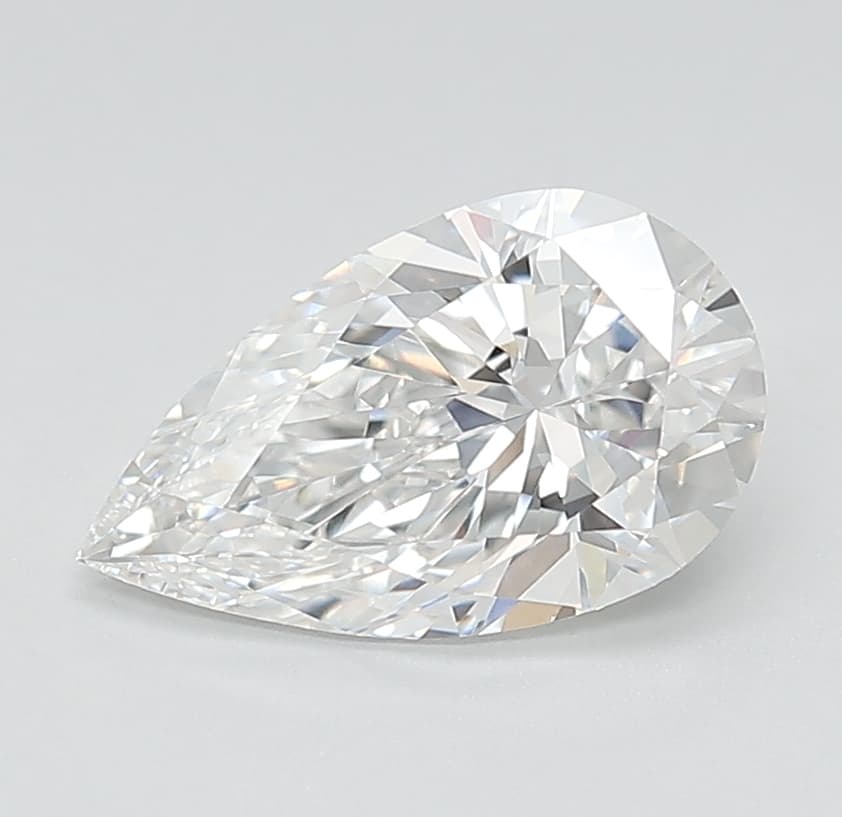
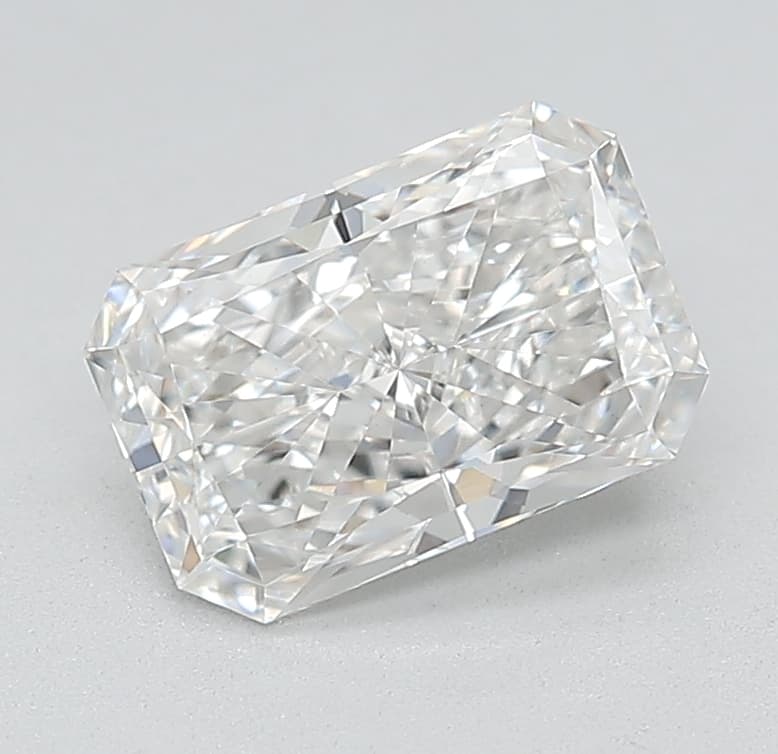
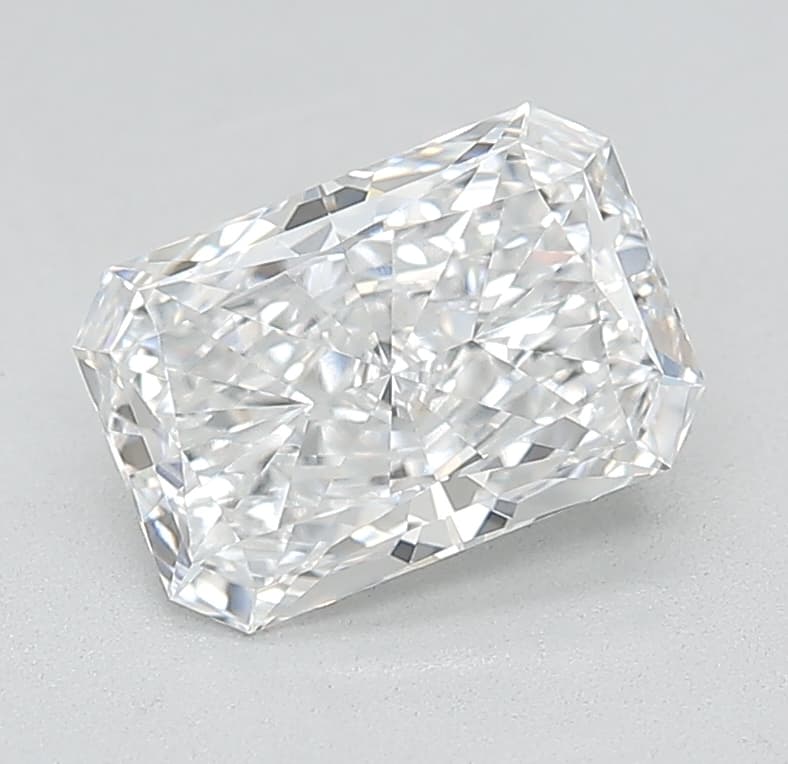
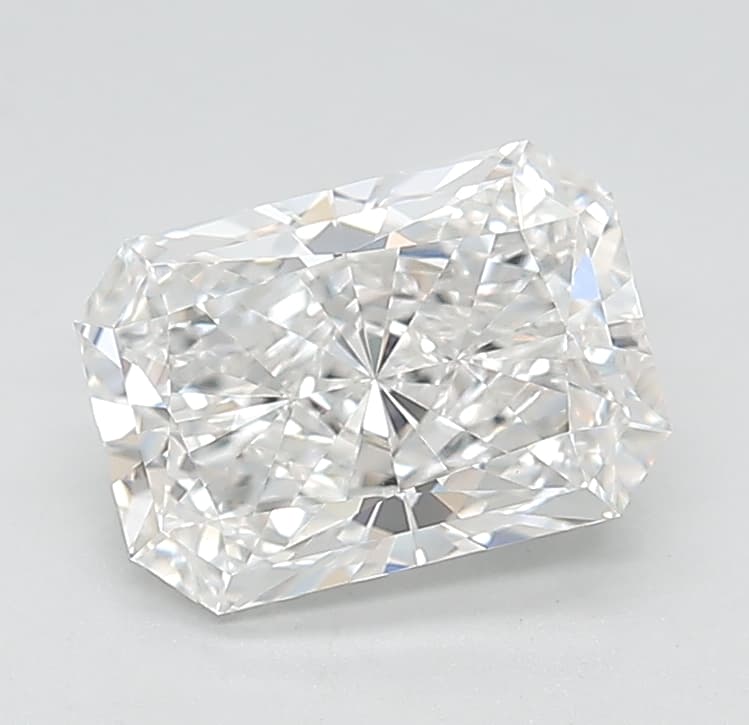
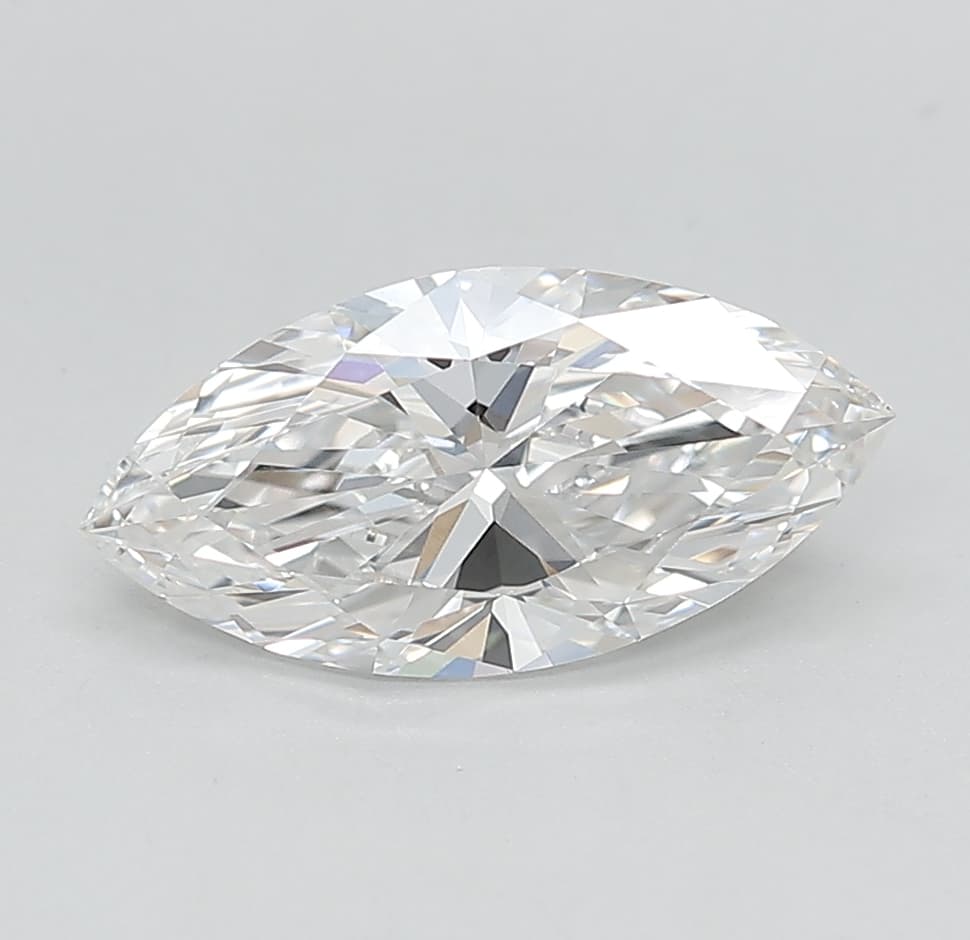
The stones suggested below are D color with top clarity, and CVD-grown D and E stones, both groups where Type IIa is typical. If you would like help reading a report's comments, one of our diamond specialists can go through them with you.
Frequently asked questions
Are all lab-grown diamonds Type IIa?
Many are, but not all. Colorless CVD diamonds are usually Type IIa, and near-colorless HPHT diamonds are typically Type IIa, sometimes Type IIb when traces of boron are present. Blue lab-grown stones colored by boron are Type IIb, and yellow HPHT stones are typically Type Ib.
Is a Type IIa diamond better than other diamonds?
Not as such. The type is a scientific classification of trace elements, not a quality grade. A Type IIa stone can have any color or clarity grade and any cut. Among lab-grown diamonds Type IIa is normal, so judge the stone by its grades, proportions and video.
Does Type IIa mean a diamond is lab-grown?
No. Some mined diamonds are Type IIa too, although they are a small minority. Labs use the type as one clue among several, together with tests such as ultraviolet imaging, and state clearly on the report whether a diamond is laboratory-grown.
Where does a grading report show the diamond type?
On IGI lab-grown reports, the type is often mentioned in the comments section, next to the growth method (CVD or HPHT). Not every report includes it. The comments are also where IGI notes any post-growth treatment; a GIA lab-grown assessment issued since October 2025 states neither the type nor treatment.
Glossary terms in this article
More on Grading, Explained in the journal.