Buying & Care
Questions to Ask Before Buying a Lab-Grown Diamond
By the Vanora Diamond team
Published Last reviewed 6 min read

Quick answer
Before buying a lab-grown diamond, ask which lab graded it and whether you can verify the report, how it was grown and whether it was treated, whether it is eye-clean, what it looks like on video, how big it faces up, whether it is available right now, and what the delivery, insurance and return terms are. A good seller answers each one clearly and puts the important answers in writing.
Questions about the paperwork
Start with the grading report, because almost every other answer depends on it.
- Which lab graded it? An independent report from a recognized lab, such as IGI or GIA, is the basis for every grade on the listing. Every single stone we list has one, and the stone page names the lab and the report number (mix parcels of small stones are sold by the parcel, without individual reports).
- Can I verify the report? You should be able to look the number up on the lab's own website and see the same grades and measurements (or the Premium/Standard result on a GIA assessment since October 2025).
- Does the stone carry the number? Lab-grown diamonds graded by these labs are laser-inscribed on the girdle with the report number. Our post on checking a laser inscription shows how to read it.
- When was it graded? The date matters for GIA reports in particular: those issued since October 2025 classify colorless and near-colorless lab-grown stones as Premium or Standard instead of giving exact color and clarity grades. Our post on GIA vs IGI reports explains the difference.
Questions about origin and treatment
A lab-grown diamond must be described as lab-grown (or with an equally clear word, such as laboratory-created) wherever it is sold, and the report says so too. Beyond that, two questions are worth asking.
- How was it grown? Lab-grown diamonds are grown by CVD or HPHT. Neither method is better in itself, and our stone pages state the growth method for every stone.
- Has it been treated after growth? Some lab-grown stones are treated after growth to improve their color. That is not a defect, but it should be disclosed, and IGI reports note whether there are indications of it; GIA's assessment since October 2025 has no such line. Our post on as grown and post-growth treatment explains the wording.
If anything on the report is unclear, ask for it to be explained before you commit, not after.
Questions about how it looks
Grades describe a stone; they do not show it. These questions close the gap.
- Is it eye-clean? In other words, can you see any inclusion without magnification at a normal distance? Our stone pages carry an "Eye-clean (our assessment)" line for this.
- Can I see a video? A 360° video of the actual stone shows brightness, contrast, any dark areas and the outline. A stock photo of a similar stone does not.
- Is there any tinge, haze or bow-tie? None of these appears in the color or clarity grade, yet each changes how a stone looks. A faint bow-tie in an oval is normal; a strong one is worth knowing about.
- What is the fluorescence? Usually invisible in normal light, but it matters for matching pairs and some buyers simply prefer None.
Our post on judging a diamond from a video shows what to look for.
Questions about size and fit
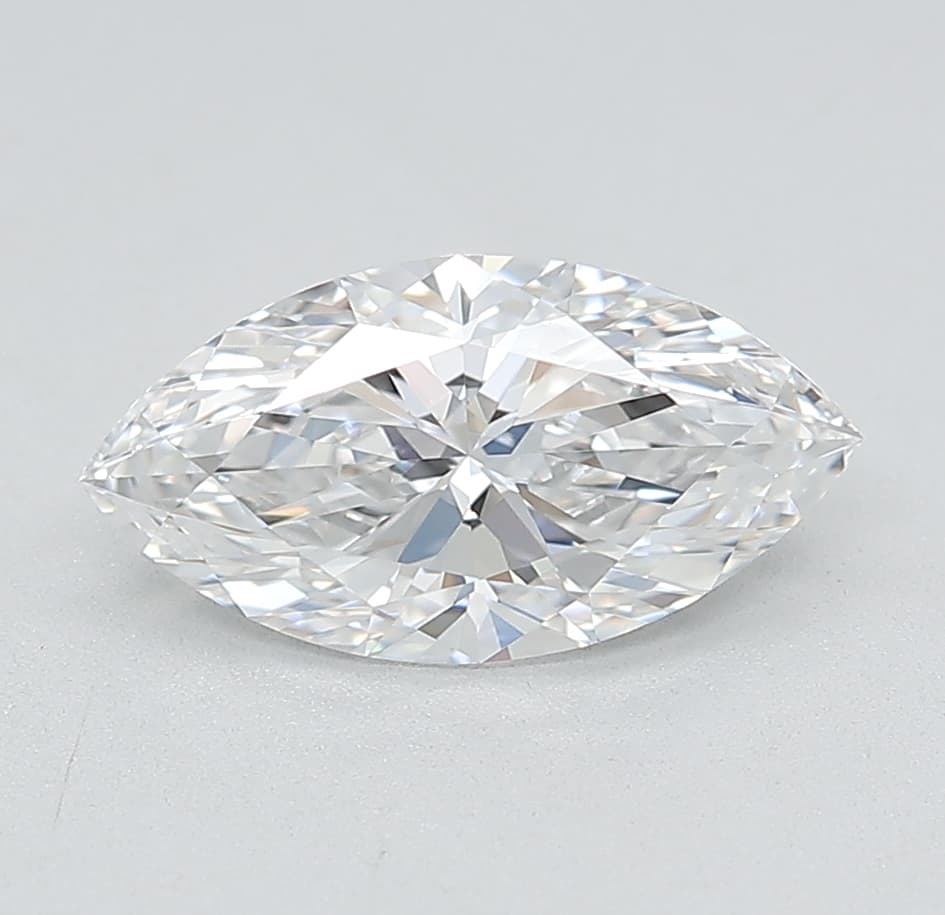
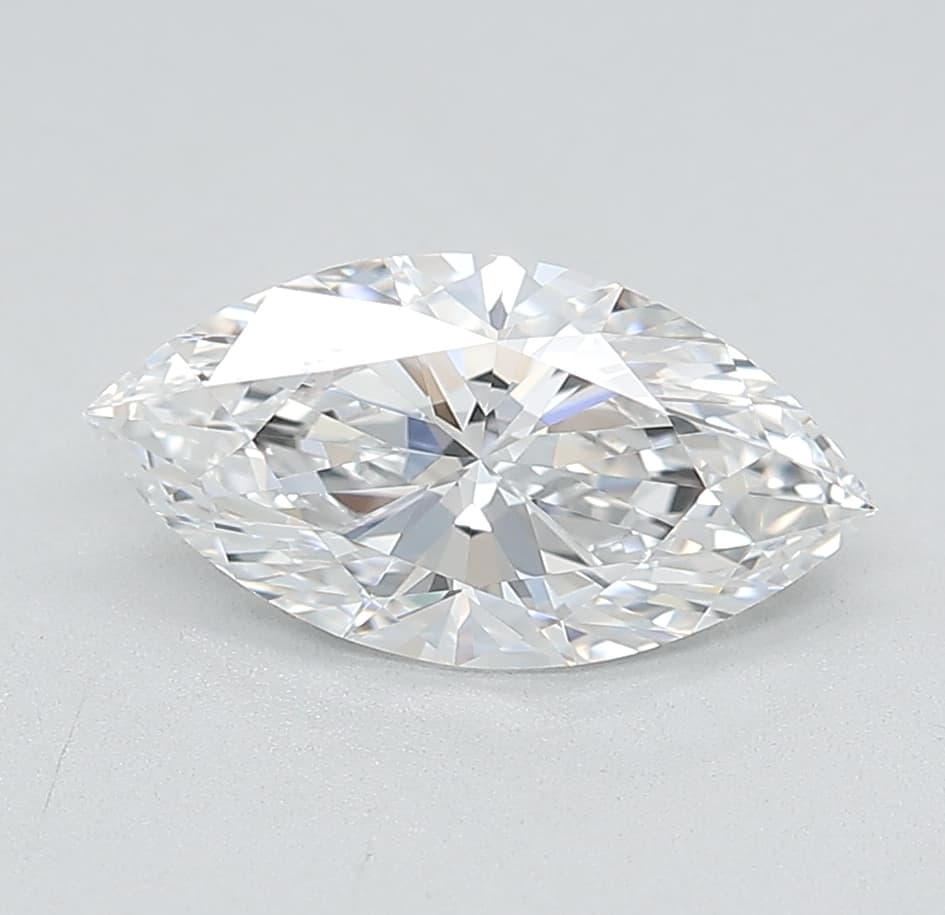
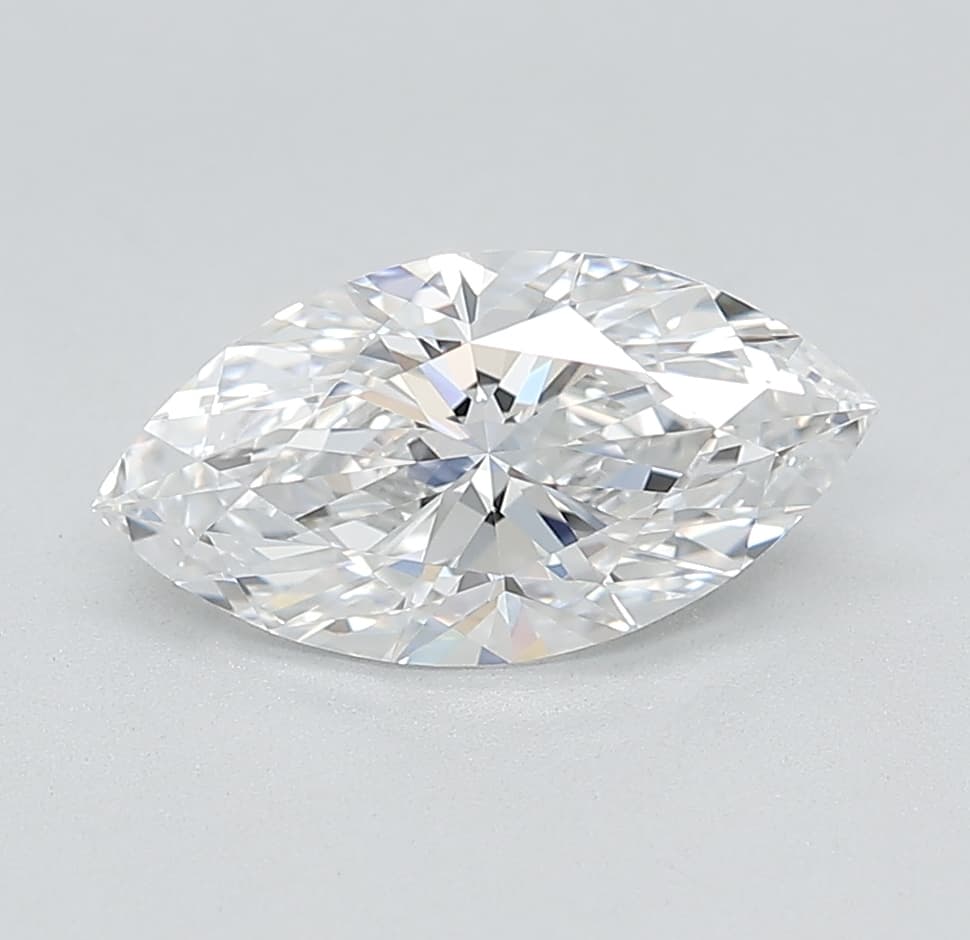
- How big does it face up? Ask for the measurements in millimeters, not just the carat weight. Two stones of the same weight can look different sizes from above; see diamond spread.
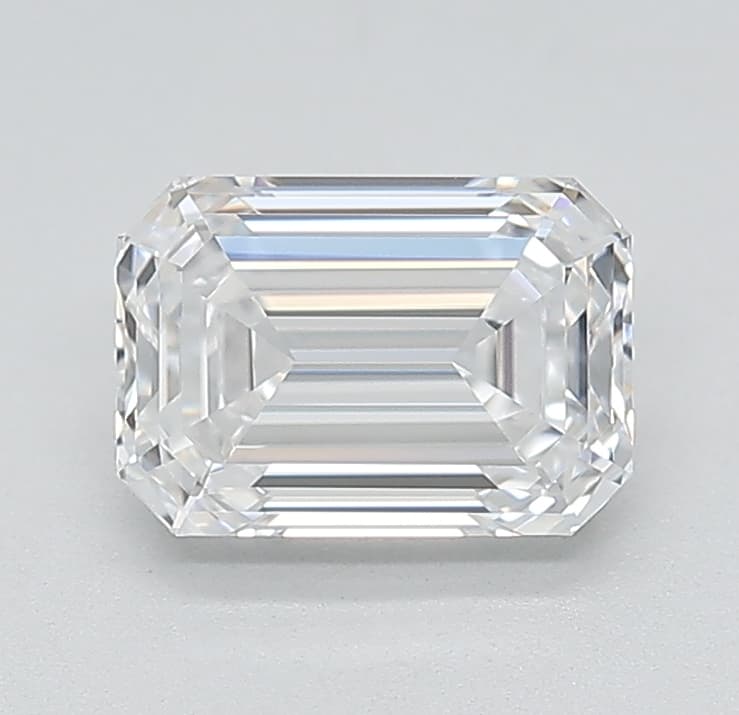
- What is its ratio? For ovals, pears, emeralds and other elongated shapes, the length-to-width ratio decides how long or wide the stone looks.
- Will it suit the setting I want? Your jeweler needs the stone's exact measurements, including its depth, to build or adjust a setting that fits and protects it.
- How will it look on my hand? The same stone looks larger on a slimmer finger, and an elongated shape can make a finger look longer. Our post on diamond size and finger size explains how to picture it.
Size questions are where a carat figure alone misleads most. A stone that is a little lighter but well proportioned can face up as large as a heavier, deeper one, so it is worth asking for the millimeters of every stone on your shortlist and comparing them side by side.
Questions about availability and price
- Is this exact stone available right now? A stone can be reserved or sold at any moment. With us, every stone is checked live at checkout, and before any hold or memo, so the answer you get is current.
- Is the price the one I will pay? Ask what the price includes and what it does not, such as delivery, duties or taxes for your country. On our site, retail buyers see retail prices and approved jewelers see trade prices.
- Can I reserve it while I decide? With us, only approved trade accounts can hold a stone, for 48 hours, or ask for a memo; our post on how holds and memos work explains both. If you are buying for yourself, your cart keeps a shortlist but reserves nothing; at checkout, we hold your diamonds for you for 15 minutes while you pay.
- Can I see it in person? Where a stone can be brought to one of our offices, you can view it there by appointment before you decide.
A listing is an invitation to ask about a stone, not a promise that it is still there. That is why the availability question comes before any talk of payment or delivery.
Questions about delivery, insurance and returns
These are the questions buyers most often forget to ask until something goes wrong.
- How is it delivered, and when? Where the stone is held affects the route and the timing.
- How is it insured on the way? Ask how the stone is covered while it travels and who is responsible until it reaches you.
- What if I change my mind? Ask about the return window, any fees and who arranges return shipping, and make sure the answer applies to your particular stone.
With us, retail buyers can return a stone: ask for a Return Authorization (RA) number within 14 days of delivery, counted from the date of signed delivery shown in the carrier’s tracking (not the order or dispatch date), and send nothing without it. Once the RA is issued, ship the stone back within 7 days, fully insured and with a signature required on delivery. Return shipping is paid by the buyer, there is no restocking fee, and we refund once the stone has passed our condition check. Trade purchases and memos are returned under the terms on the invoice or memo. Our returns policy, shipping policy and insurance policy explain how each works; read them before you check out. When a diamond specialist confirms your order, we email your tax invoice: keep it with the grading report.
A checklist to take with you
You do not need to ask every question out loud. Many answers are already on the report and the stone page; the rest are what a diamond specialist is for. The table below sums up where each answer usually lives.
Whoever you buy from, the pattern is the same: an independent report you can verify, a video of the actual stone, clear answers about origin and treatment, and the price and terms in writing. If you have a question about a particular stone, ask one of our specialists.
| Compared | Why it matters | Where to find the answer |
|---|---|---|
| Which lab graded it? | The grades are only as good as the lab | The report and stone page |
| Can I verify the report? | Confirms the grades belong to this stone | The lab’s own website |
| How was it grown, and treated? | Full disclosure of origin | The report and stone page |
| Is it eye-clean? | Clarity grades do not say where inclusions sit | Video and our eye-clean line |
| How big does it face up? | Carat is weight, not size | Measurements in millimeters |
| Is it available now? | Stones can sell at any time | A live check at checkout |
| What are the terms? | Delivery, insurance and returns vary | Our policies, and a specialist |
Before you pay, know the stone, its report number, the price, delivery and the return terms. With us, retail buyers ask for a Return Authorization within 14 days of signed delivery and ship the stone back within its 7 days, insured and with signature. No restocking fee.
Frequently asked questions
What should I ask before buying a diamond?
Ask which lab graded it and whether you can verify the report, how it was grown and whether it was treated, whether it is eye-clean, whether there is a video of the actual stone, how big it faces up in millimeters, whether it is available now, and what the delivery, insurance and return terms are.
How do I know a diamond’s grading report is genuine?
Look the report number up on the issuing lab’s own website and check that the grades and measurements (or the Premium/Standard result on a GIA assessment since October 2025) match the listing. Then check that the laser inscription on the stone’s girdle carries the same number. A specialist or jeweler can show you the inscription with a loupe or microscope.
Should I ask whether a lab-grown diamond has been treated?
Yes. Some lab-grown diamonds are treated after growth to improve their color. It is not a defect, but it should be disclosed, and reports such as IGI’s note whether there are indications of post-growth treatment (a GIA assessment since October 2025 has no such line). Ask the seller to point you to that line on the report.
What should a written confirmation for a diamond include?
The stone itself (its stock ID and grading report number), the price and what it includes, how and when it will be delivered, how it is insured in transit, and the return terms that apply to that stone. Keep it with the grading report.
Glossary terms in this article
More on Buying & Care in the journal.