Grading, Explained
Do All Lab-Grown Diamonds Come With a Grading Report?
By the Vanora Diamond team
Published Last reviewed 5 min read

Quick answer
No. Many lab-grown diamonds are sold without an individual grading report, especially very small stones and side stones in jewelry, and some center stones come with paperwork from lesser-known labs or the seller. For a center stone, an IGI or GIA report is an independent record. Every single stone we list has an IGI or GIA report; mix parcels are sold by the parcel, without individual reports.
Which diamonds are usually sold without a report
A grading report costs time and money to produce, so it is normally kept for stones where the details matter on their own.
- Very small stones. Tiny diamonds, often called melee, are used by the dozen in pavé bands, halos and earrings. They are usually sorted and sold in parcels, not graded one by one.
- Side stones in finished jewelry. The smaller stones around a center diamond are often described together, by total weight, in the listing for the piece. Our post on total carat weight explains how to read that.
- Some center stones. A loose stone may come with no report, with a report from a lab that is less widely recognized, or with the seller's own description.
A missing report does not mean a stone is not what it claims to be. It means you have less independent information to judge it by.
Small stones are not ignored, though. Labs and manufacturers can screen parcels of tiny diamonds with instruments to confirm what they are and whether they are lab-grown or mined, without writing a full report for each one. The finished piece is then described as a whole, and it must still say clearly that its diamonds are lab-grown.
Why a report from a recognized lab matters for a center stone
A center stone is the diamond people look at, and usually the larger part of the budget. A report from a widely recognized lab gives you four things you cannot easily get any other way:
- Identity. A unique number, the weight and (on IGI reports) the measurements tie the report to one stone.
- Origin. The report states that the stone is laboratory-grown and, at IGI, usually the growth method. Our guide to lab-grown and natural diamonds explains why that disclosure matters.
- Grades you can compare. At IGI, color, clarity, cut, polish, symmetry and fluorescence, assessed to a published standard. At GIA since October 2025, colorless to near-colorless lab-grown stones get a Premium or Standard classification instead, without those individual grades.
- Something to check against. A laser inscription on the girdle and an online record let you, an appraiser or an insurer confirm the stone matches the paper.
Grading standards are not identical between labs, so the same letters on reports from different labs may not mean exactly the same stone. That is why buyers and jewelers lean on the labs most widely used for lab-grown diamonds, IGI and GIA. Our guide to diamond certificates covers both.
| Compared | With a report | Without one |
|---|---|---|
| Identity | Report number, weight, inscription | Seller’s description only |
| Lab-grown origin | Stated by the lab | Stated by the seller |
| Grades | Independent, to a published standard | An estimate, if given |
| Checking later | Number on the lab’s website | Needs a new examination |
Report, certificate and appraisal: three different papers
The words get mixed up, so it helps to keep them apart:
- Grading report. Issued by an independent lab. Describes the stone; no price. Often called a "certificate" in everyday speech.
- Seller's certificate or card. Written by the seller or the brand. It can be accurate, but it is not independent.
- Appraisal. A valuation, usually for insurance, written by an appraiser. It often relies on a grading report for the grades. Our post on insuring a lab-grown diamond explains how the two work together.
Whatever paperwork comes with a lab-grown diamond, the seller must describe it clearly as lab-grown. Our lab-grown disclosure policy sets out how we do that.
How to check that a report matches the stone
A report is only useful if it belongs to the diamond in front of you. These checks take a few minutes.
- Step 1: Find the report numberIt is printed on the report and listed with the stone.
- Step 2: Look it up on the lab’s websiteThe online record should match the paper or PDF in every detail.
- Step 3: Read the inscriptionUnder 10× magnification, the number on the girdle should match the report.
- Step 4: Compare measurements and weightA jeweler can weigh and measure the stone and check it against the report (IGI lists the measurements in millimeters; a current GIA assessment gives the weight and proportions).
- Step 5: Check the origin lineThe report should state that the diamond is laboratory-grown.
If a stone you like has no IGI or GIA report
You may find a stone elsewhere, or be offered one by a jeweler, that comes without a report from a widely recognized lab. A few questions help you decide how much to rely on the description:
- Who wrote the description? A seller's own grades are an opinion, however honest. Ask whether anyone independent has examined the stone.
- Is it stated in writing that the stone is lab-grown? It must be, wherever and however it is sold.
- Can it be sent to a lab before you commit? For a center stone, an independent report is usually worth the wait.
- What happens if it is not as described? Check the seller's return terms before you buy. Ours: retail buyers can return a stone. Ask for a Return Authorization (RA) number within 14 days of delivery, counted from the date of signed delivery shown in the carrier’s tracking (not the order or dispatch date), and send nothing without it; once the RA is issued, ship the stone back within 7 days, fully insured and with a signature required on delivery. Return shipping is paid by the buyer, there is no restocking fee, and we refund once the stone has passed our condition check. Trade purchases and memos are returned under the terms on the invoice or memo. Our returns policy has the details.
None of this is meant to put you off a particular stone. It simply puts the description and the stone on the same footing as one with a report you can look up.
What a report does not tell you
Even the best report leaves some questions to your eyes. It describes measurements and grades, but it does not show:
- how bright and lively the stone looks in everyday light;
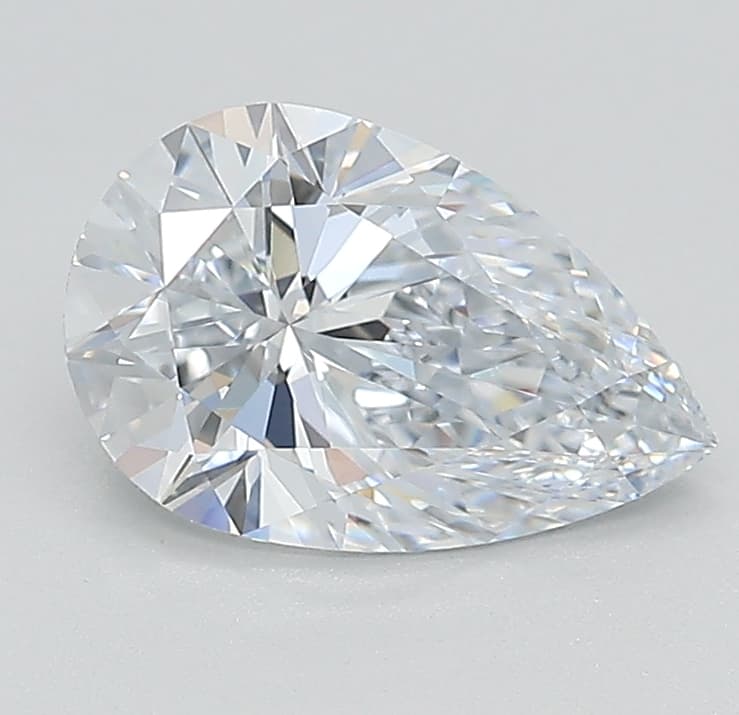
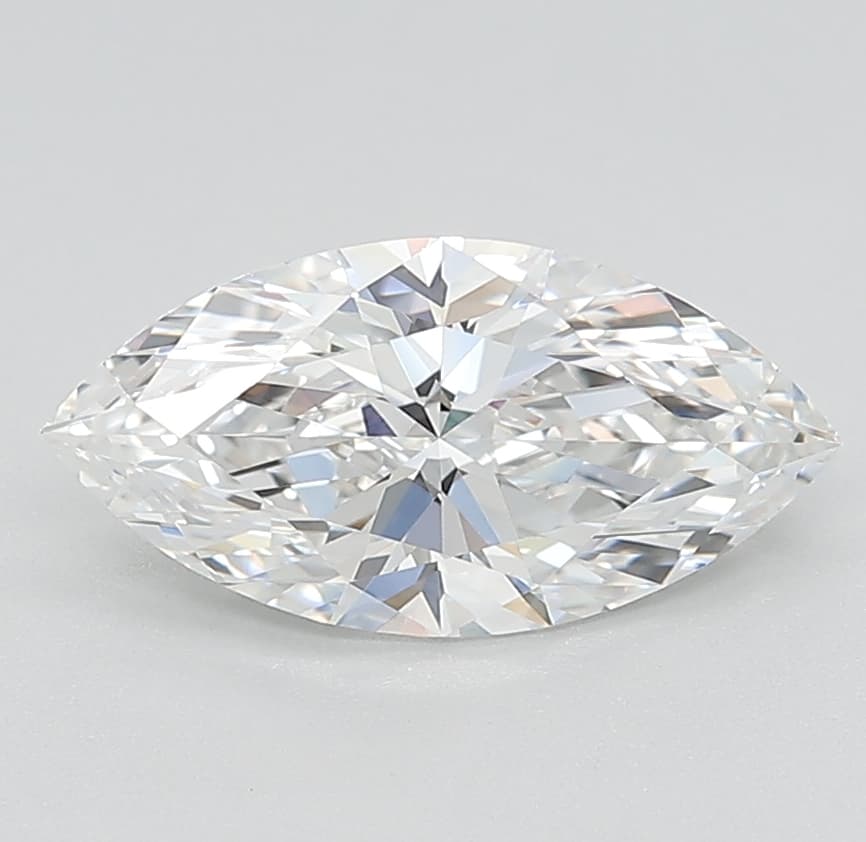
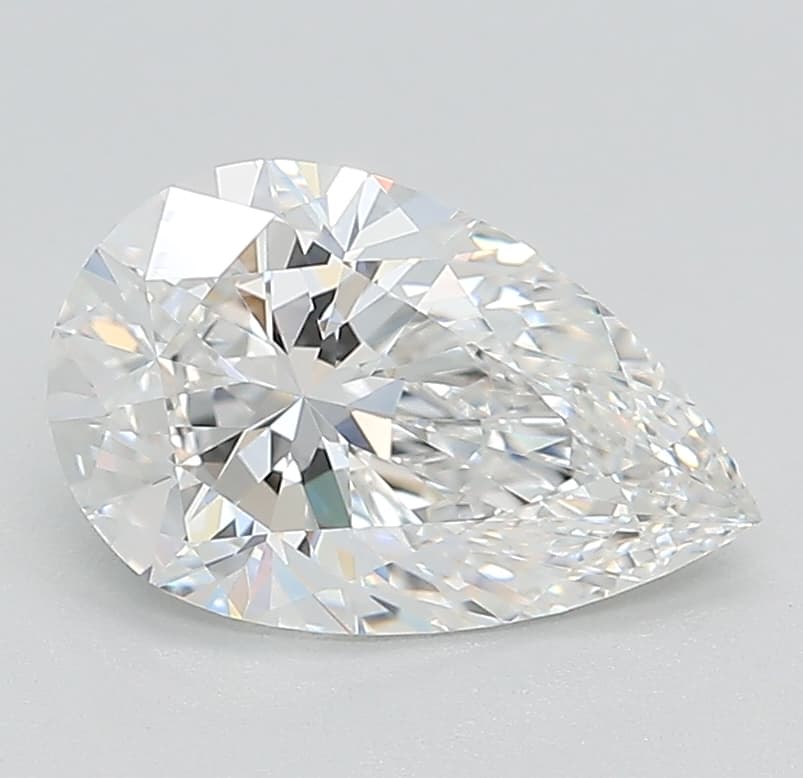
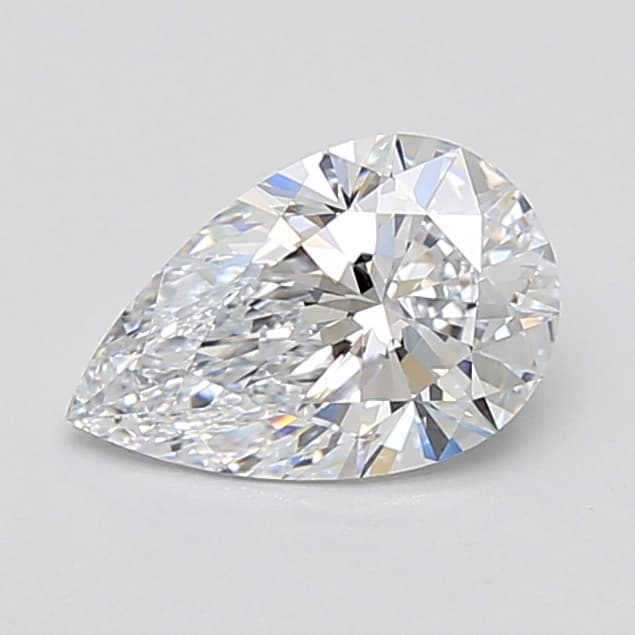
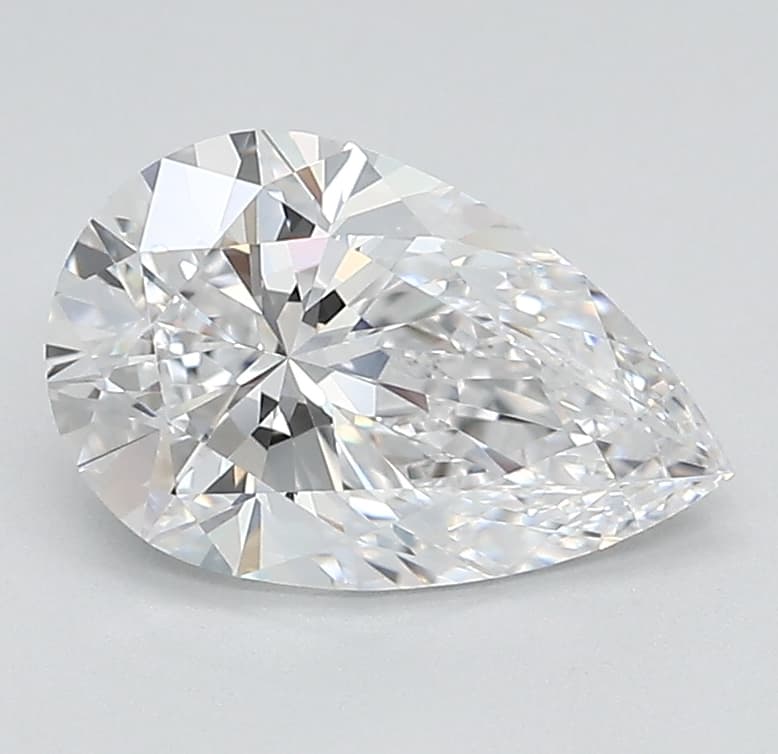
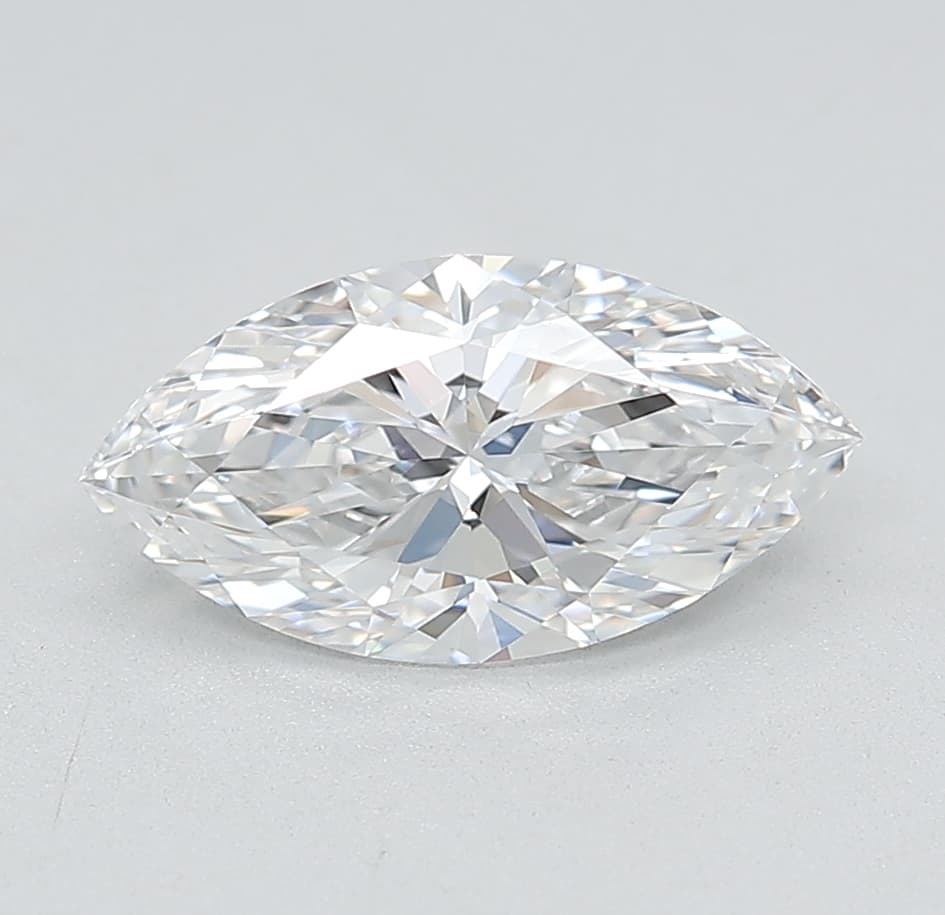
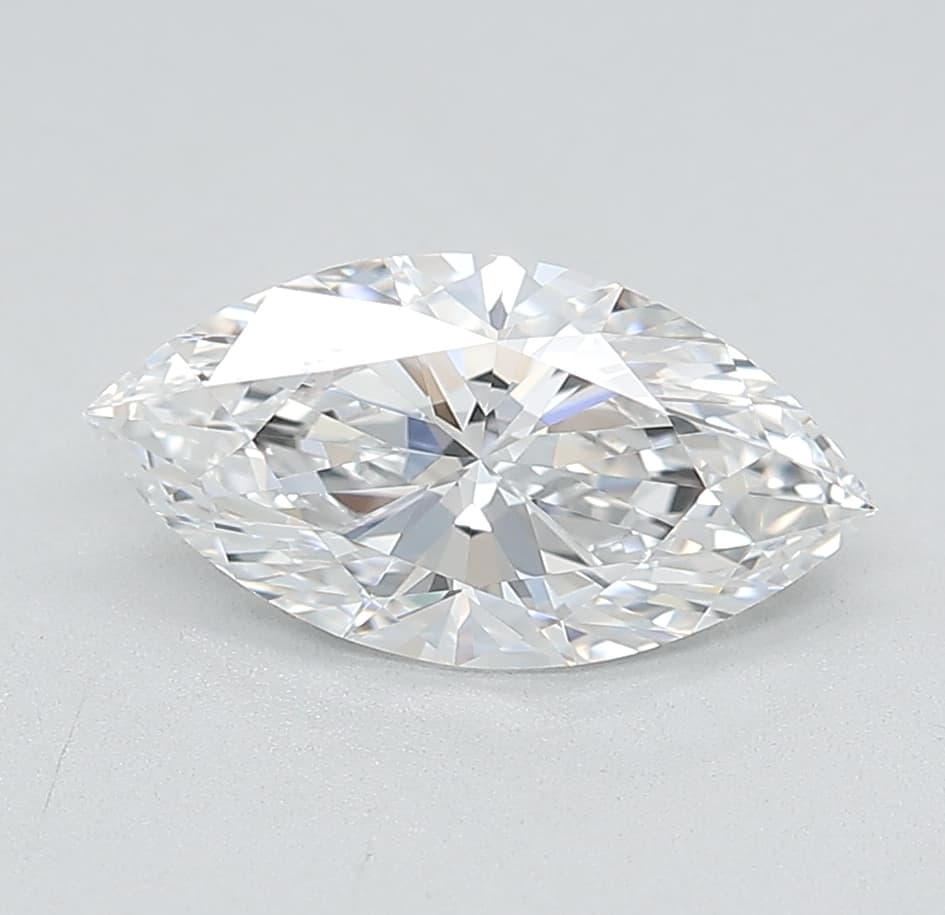
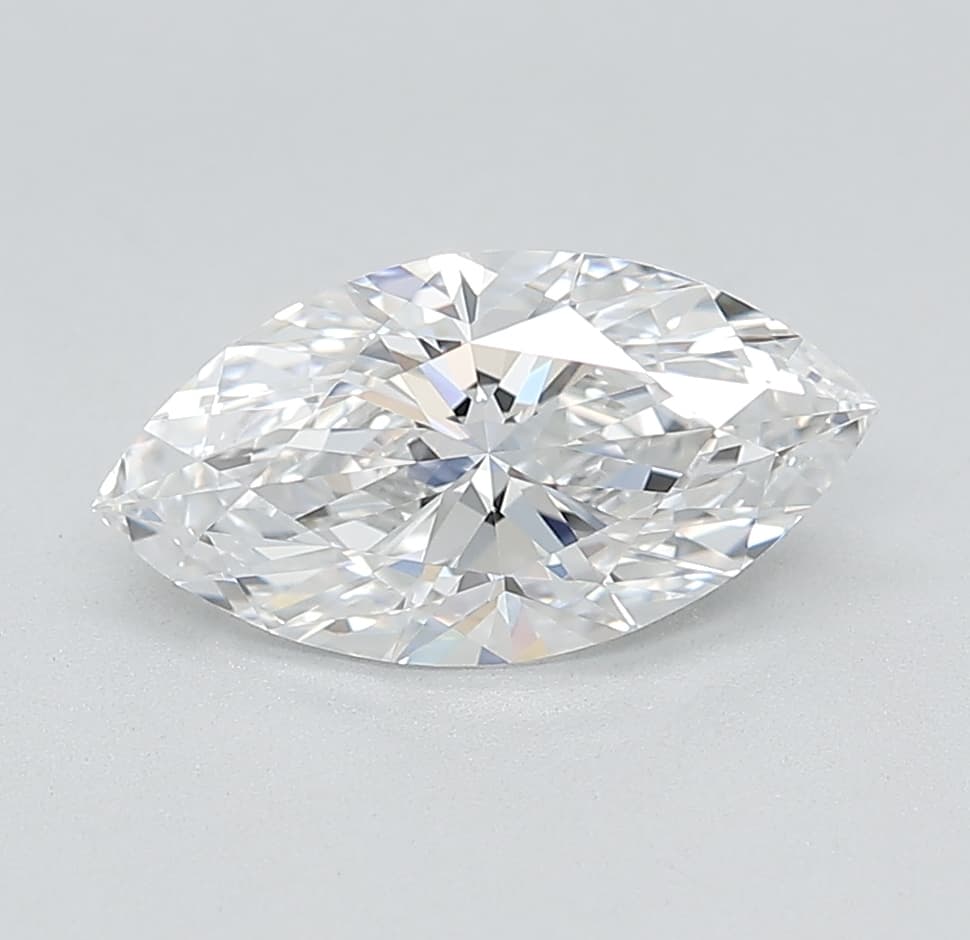
- whether an oval, pear or marquise shows a dark bow-tie;
- whether a stone with many small clouds looks slightly milky;
- how the stone will look in your setting and on your hand.
That is why our stone pages pair the report with photos and a 360° video where available, and why our eye-clean assessment sits next to the clarity grade. Read the report for the facts, then use the video to judge the look.
Reports for the diamonds in our catalog
Every single stone we list carries a grading report from IGI or GIA; our mix parcels of small stones are sold by the parcel, without individual reports, as is usual for melee. On each stone page you will find the lab, the report number and the laser inscription where recorded, with the certificate PDF where the lab provides one, and the stone's main details: measurements, grades, proportions, fluorescence and growth method. For a stone with a GIA assessment issued since October 2025, the GIA document itself gives a Premium or Standard classification, not these grades.
You can also choose by lab. The catalog filters let you show only IGI or only GIA stones, across all lab-grown diamonds. If you are weighing two stones graded by different labs, our post on GIA vs IGI reports explains how to compare them, and our post on checking a laser inscription shows how to confirm the match once the stone is in your hands.
For any center stone, ask for the report number before you commit, verify it on the lab’s website, and check that the report states the diamond is laboratory-grown.
Frequently asked questions
Do lab-grown diamonds come with certificates?
Many do, but not all. Center stones are often sold with a grading report from a lab such as IGI or GIA, while small stones and side stones in jewelry usually are not graded individually. Every single stone in our catalog has an IGI or GIA report; our mix parcels of small stones are sold by the parcel, without individual reports.
Is it safe to buy a lab-grown diamond without a report?
For small side stones it is normal. For a center stone, buying without an independent report means relying on the seller’s description for the grades and origin. A report from a widely recognized lab gives you an independent record you can verify.
Which labs grade lab-grown diamonds?
Several labs do. IGI and GIA are the two most widely used for lab-grown diamonds, and their reports state that the stone is laboratory-grown and can be verified online by report number. Grading standards differ between labs, so compare stones graded by the same lab where you can.
What is the difference between a diamond report and an appraisal?
A grading report is an independent description of the stone, with its measurements and grades and no price. An appraisal is a valuation, usually for insurance, written by an appraiser who often relies on the grading report for the grades.
Glossary terms in this article
More on Grading, Explained in the journal.